



Victorian Silverware Box
These victorian silverware box items and related cased sets bring genuine nineteenth-century utility and craftsmanship straight to the dining table.
Victorian Silverware Box
A victorian silverware box search covers fitted chests, cased sets, and storage pieces designed for domestic service and formal dining. The examples appearing on this page span the Victorian era, late Victorian decades, and adjacent periods up to the mid-twentieth century.
Most entries focus on specialised receptacles and cased dining implements rather than empty wooden boxes alone. Items range from tea caddies and biscuit barrels to grape scissors, christening sets, and complete cutlery arrangements.
Origins vary from English workshops to Portuguese and Anglo-Indian makers, reflecting the wide reach of nineteenth-century trade and domestic luxury. Buyers encounter oak campaign trunks alongside fitted coromandel boxes and ceramic storage jars mounted in silver plate.
How They Were Made
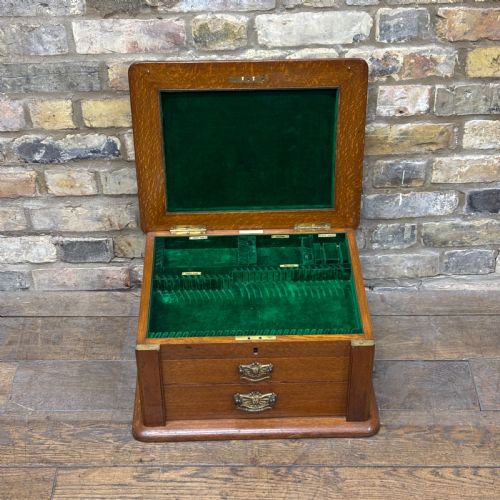
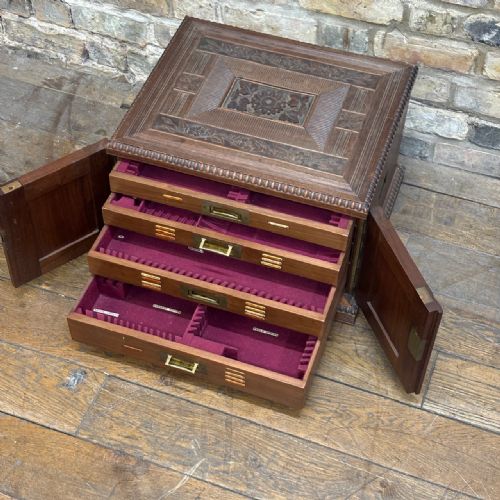
Construction relies heavily on sturdy structural timbers such as oak and exotic woods like coromandel, often formed into portable chests or fitted presentation cases. Interiors are typically lined with velvet or silk to cushion delicate metalwork and prevent abrasion during travel or storage.
Metal components utilise sterling silver, silver-gilt, and silver plate, shaped into hollowware and flatware through traditional smithing and casting techniques. Ceramic bodies appear in combination with silver plate for kitchen jars and biscuit barrels, demonstrating mixed-media manufacturing common to the period.
Victorian Silverware Box Retail Price Guide 2026
Typical asking prices for victorian silverware box among the pieces listed under this phrase on Sellingantiques today, from the lower quarter to the upper quarter. They describe what is for sale here now, not the wider market.
Grape scissors required precise engineering so Victorian diners could harvest fruit from the vine without damaging adjacent clusters.
What Varies in Quality
The standard of execution depends on the precision of the metalwork, the weight of the silver, and the integrity of the fitted interior linings. Heavier sterling silver components and robust wooden carcases indicate higher manufacturing ambition than lighter silver-plated alternatives.
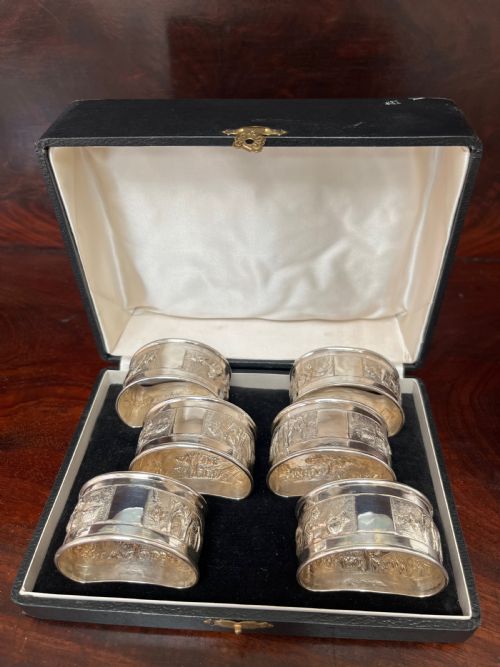
Completeness and originality separate superior pieces from standard examples, particularly in cased sets where original silk and velvet linings remain intact. The quality of decorative chasing on tea caddies and grape scissors further distinguishes workshop output.
Robert Stebbings
The Victorian Silverware Box Glossary
- Sterling silver
- A standard alloy consisting of ninety-two point five percent silver by mass, widely used for quality dining implements. It provides durability alongside a bright metallic lustre.
- Silver-gilt
- Silver that has been coated with a thin layer of gold on its surface, often used for decorative spoons and presentation pieces. This technique combines the strength of silver with the rich appearance of gold.
- Tea caddy
- A specialised container designed to store tea leaves securely away from light and air. In the nineteenth century, these boxes were often fitted with internal lids and locks.
- Coromandel
- A dense, heavily figured tropical hardwood prized for its dark grain and used in luxury nineteenth-century boxes. It takes a high polish and provides a striking exterior finish.
- Campaign trunk
- A portable chest built for travel, featuring reinforced corners and carrying handles. These trunks were designed to withstand the rigours of colonial movement.
Victorian Silverware Box: Frequently Asked Questions
What fits inside a silverware box?
These boxes and cased sets generally hold specific dining implements, ranging from tea caddies and biscuit barrels to spoons, butter knives, and grape scissors. The interiors are often fitted with custom slots or velvet recesses designed for particular service items.
Buyers will also find larger campaign trunks built to transport comprehensive sets of tableware for travel or official duties.
How do I care for velvet linings?
Original silk and velvet interiors require gentle treatment to preserve the fabric against dust and excessive handling. Keep these boxes in stable humidity environments away from direct sunlight to prevent the textile colours from fading.
Avoid using liquid cleaners near the fabric components, as moisture can weaken old adhesives and warp the wooden base beneath.
Are these items English in origin?
While many pieces originate from English workshops, the selection also includes items from Portuguese makers and Anglo-Indian craftsmen. Materials and construction styles often indicate the specific regional trade routes and domestic habits of the period.
Assonances in design reflect both local British tastes and broader international influences during the Victorian era.
How do I identify the date?
Dating relies on stylistic markers, materials, and associated hallmarks found on the silver components rather than the box alone. Pieces spanning the Victorian period to the mid-twentieth century exhibit shifts in decorative preference from heavy ornamentation to simpler revival styles.
Examining the internal construction and lining materials helps contextualise the manufacturing period.