






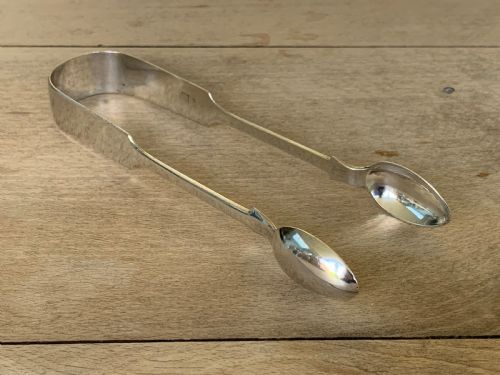


Victorian Silverware Accessory
These Victorian silverware accessory pieces bring dining table elegance, offering functional service items in sterling silver and silver plate.
Victorian Silverware Accessory
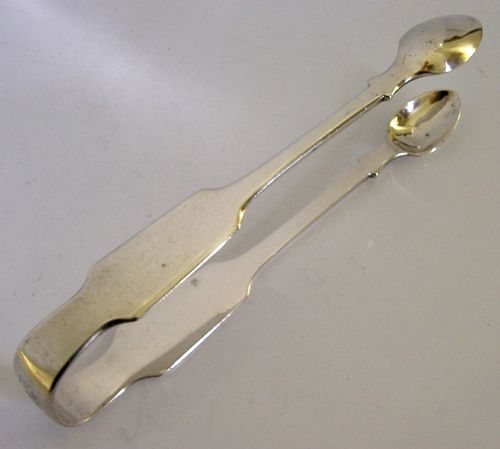
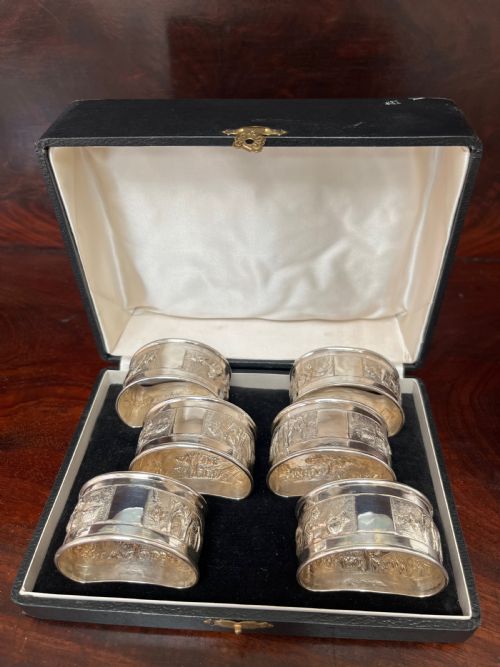
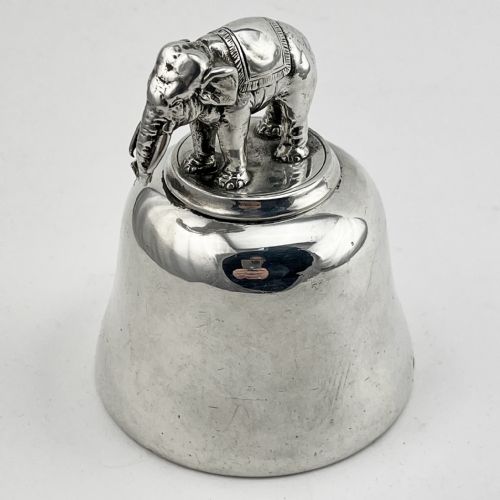
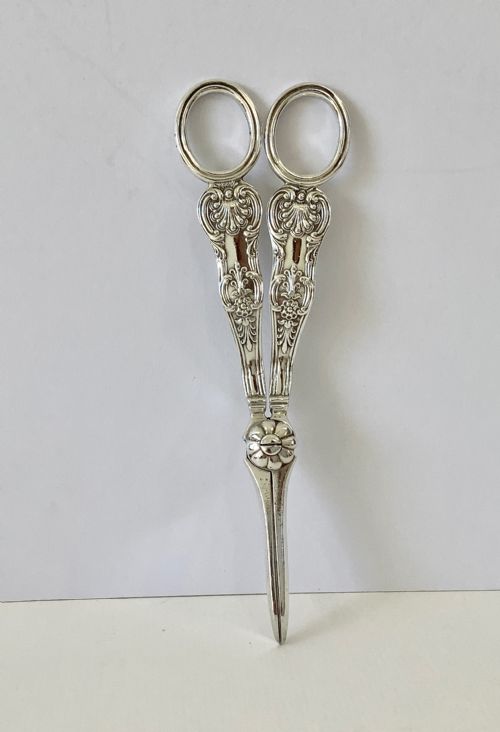
A victorian silverware accessory comprises functional table items from the nineteenth century, ranging from sugar tongs and napkin rings to grape scissors and pepper pots. Buyers searching for a victorian silverware accessory encounter various serving tools designed for formal dining and tea service.
The objects span periods from early Victorian to the late nineteenth century, alongside cased sets and novelty forms such as baby peppers and shoe-shaped spoon warmers. Sterling silver predominates among the materials, accompanied by silver plate, electroplated nickel silver, velvet, silk, and leatherette linings within fitted boxes.
Materials and construction
Silversmiths utilised sterling silver and silver plate to shape these dining items, employing traditional techniques such as casting, piercing, and engraving. Fitted presentation cases often incorporate leatherette, velvet, and silk to house napkin rings, pepper pots, and grape scissors securely.
Makers struck hallmarks into sterling silver pieces to indicate assay offices, dates, and maker marks, while silver-plated items utilised base metals like nickel silver beneath the plated layer.
Victorian Silverware Accessory Retail Price Guide 2026
Typical asking prices for victorian silverware accessory among the pieces listed under this phrase on Sellingantiques today, from the lower quarter to the upper quarter. They describe what is for sale here now, not the wider market.
Materials span sterling silver, silver plate, electroplated nickel silver, leather, velvet, silk, and leatherette across multiple dining forms.
Assessing quality and execution
The calibre of a victorian silverware accessory rests on the crispness of chased ornamentation, the structural integrity of hinged joints in tongs and scissors, and the preservation of fitted cases. Heavier gauge silver provides a more substantial feel in the hand compared to lighter counterparts.
Makers' marks from notable workshops and assay offices provide attribution, while the retention of original velvet and silk linings in presentation boxes elevates the integrity of cased sets.
Elizabeth Eaton London·Josiah Williams & Co·Reilly & Storer
The Victorian Silverware Accessory Glossary
- Sterling silver
- A silver alloy containing 92.5 percent pure silver and 7.5 percent other metals, typically copper, used for durable tableware.
- Silver plate
- A layer of silver applied to a base metal core, offering the appearance of solid silver.
- Hallmark
- A series of stamped marks on precious metal indicating the maker, assay office, standard of purity, and date letter.
- Sugar tongs
- Spring or scissor-action implements designed for lifting sugar lumps during tea service.
- Grape scissors
- Specially shaped cutting implements utilised for serving fruit at the dining table.
Victorian Silverware Accessory: Frequently Asked Questions
What are victorian silverware accessory items used for?
These pieces served specific functions during nineteenth-century dining and tea rituals, including handling sugar lumps, serving fruit, and seasoning food at the table.
Many were housed in dedicated presentation cases for gifting or storage between formal meals.
How do I identify the date of my silver?
Makers stamped hallmarks onto sterling silver items, which typically include a date letter indicating the exact year of assay.
Assay office symbols and monarch marks also assist in determining the period of manufacture.
How should I clean silver accessories?
Use appropriate silver polish and a soft cloth to remove tarnish gently, avoiding abrasive materials that damage engraving.
Store items away from moisture and direct sunlight to preserve both the metal and any fitted velvet or silk case linings.