



Victorian Silver Vessel
A victorian silver vessel brings formal dining history to the sideboard, offering functional elegance through centuries-old metalwork.
Victorian Silver Vessel
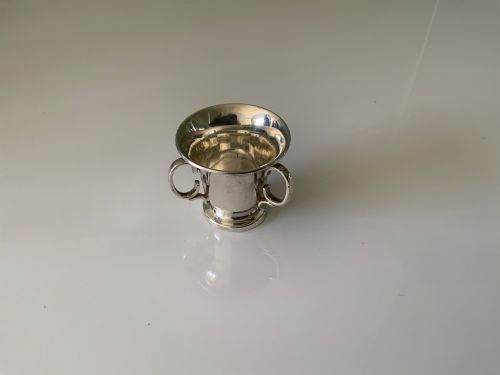
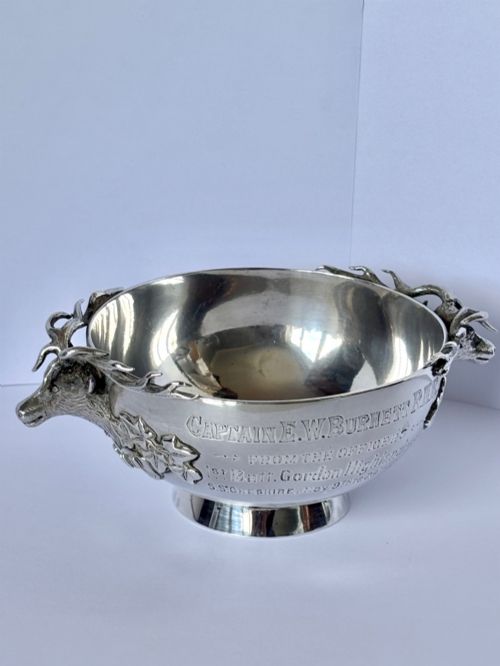
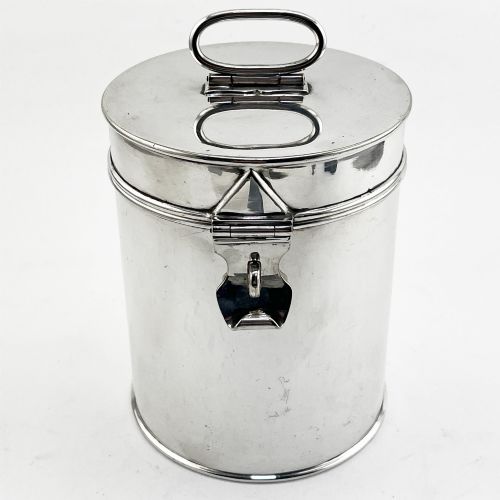
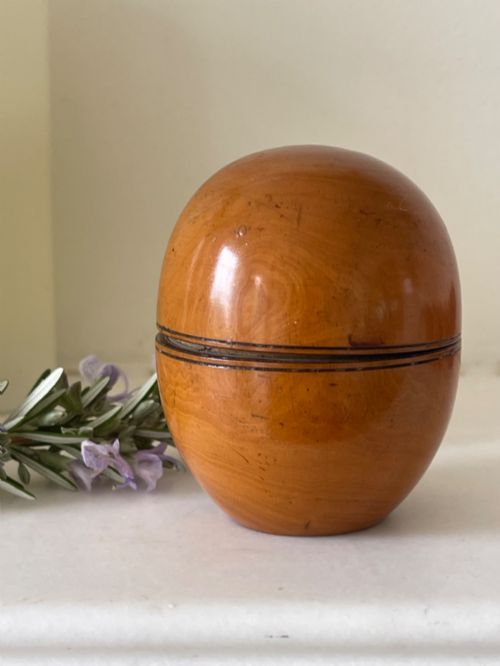
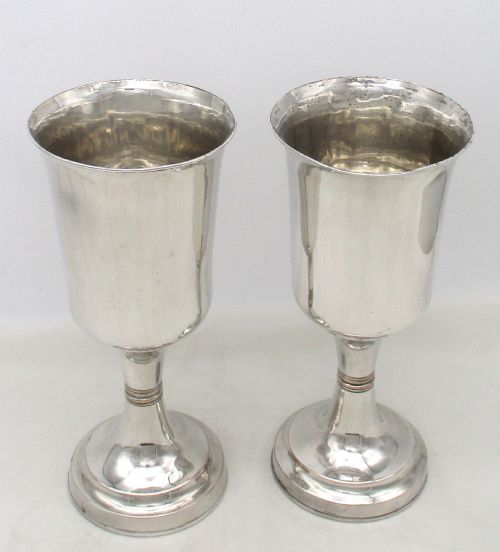
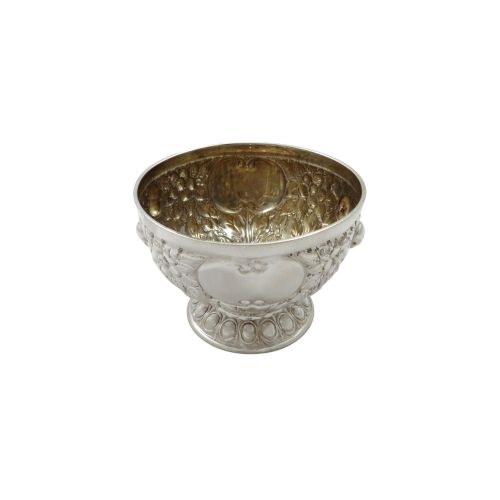
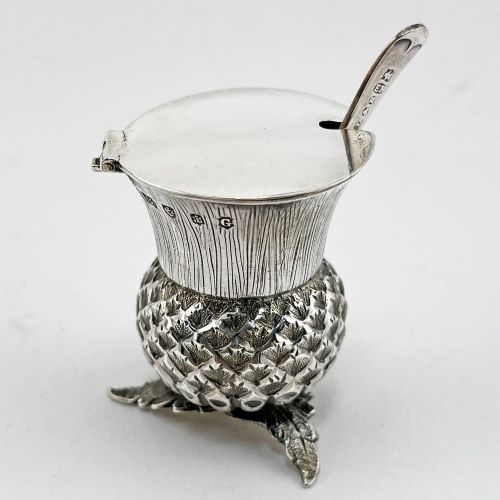
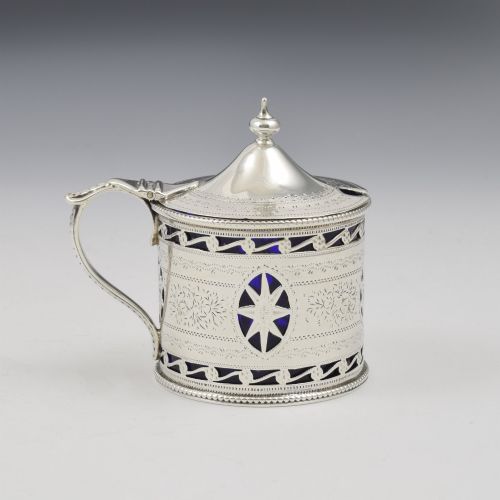
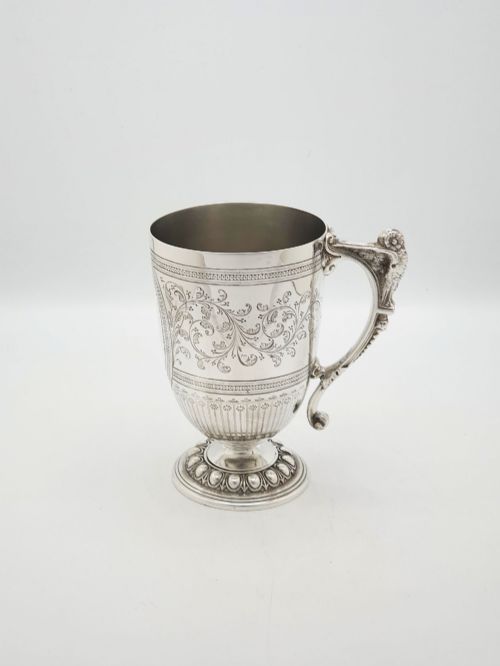
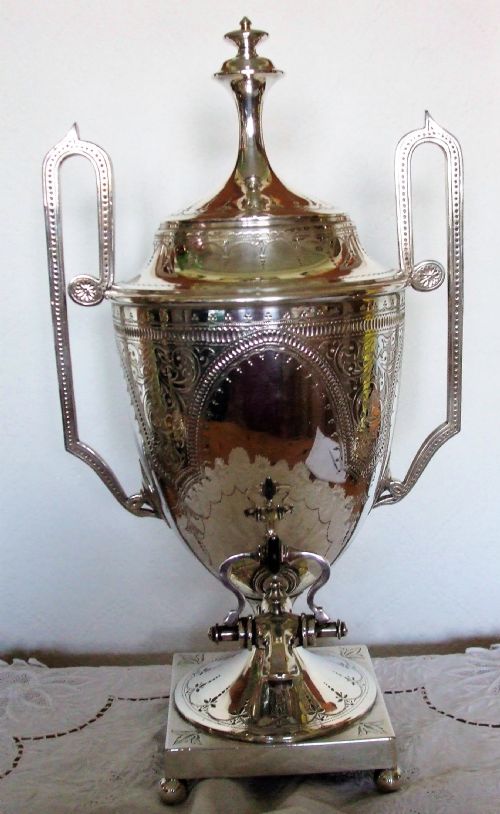
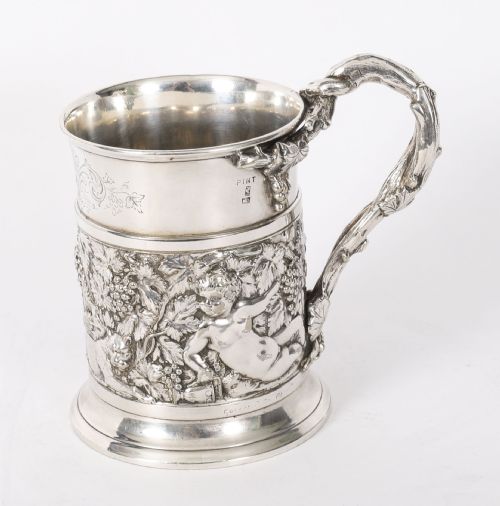
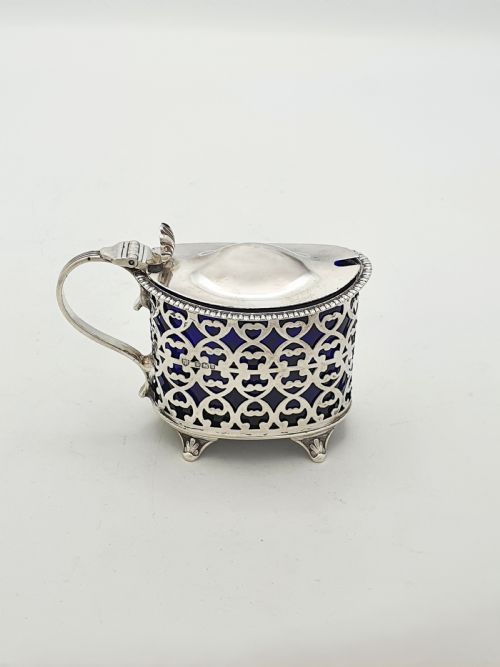
A victorian silver vessel encompasses a varied group of functional tableware, decorative items, and drinking vessels produced during the nineteenth century. Buyers searching for a victorian silver vessel frequently encounter mustard pots, spoon warmers, tankards, chalices, and decorative bowls.
The selection ranges from sterling silver to silver plate, embracing styles from plain traditional forms to Renaissance Revival, Anglo-Indian, and Gothic designs. Domestic dining accessories dominate the pieces found on this page.
Origins stretch from British workshops to colonial India and Australia, reflecting the broad reach of nineteenth-century metal manufacturing and silversmithing traditions.
Materials and construction
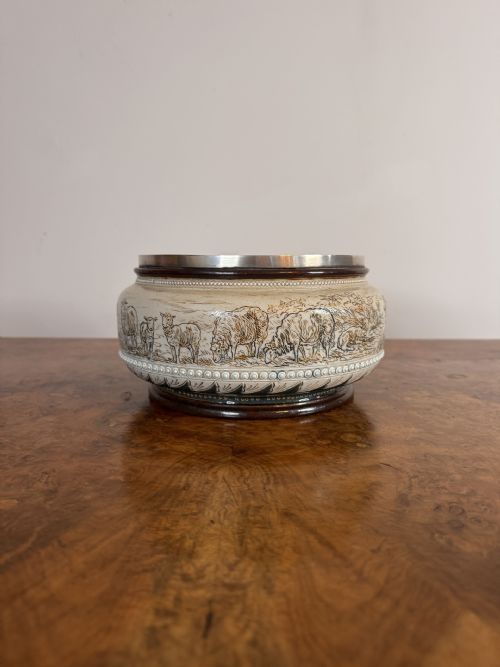
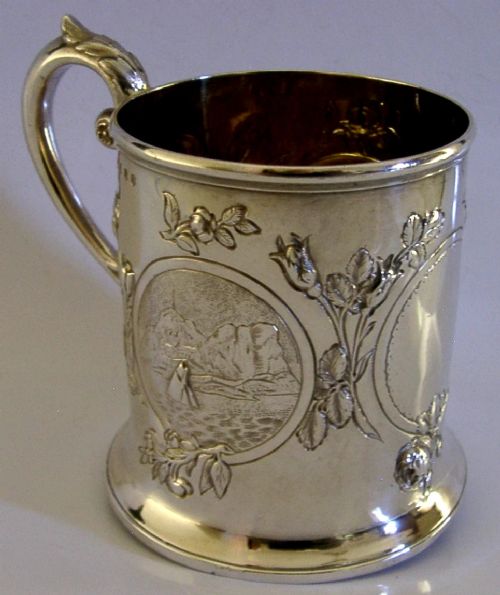
Makers utilised sterling silver and silver plate over base metals, frequently combining these with glass, cobalt glass, copper, and stoneware such as Doulton Lambeth. Surface decoration relied heavily on embossing, engraving, and piercing techniques to create intricate patterns on the body.
Specialised items like spoon warmers and mustard pots often incorporated cast components, applied handles, and occasionally internal glass liners. Plated wares utilised Sheffield plating or electroplating methods over a base metal core.
Victorian Silver Vessel Retail Price Guide 2026
Typical asking prices for victorian silver vessel among the pieces listed under this phrase on Sellingantiques today, from the lower quarter to the upper quarter. They describe what is for sale here now, not the wider market.
Dining tables of the era featured silver vessels shaped specifically to keep serving spoons warm in hot water.
Assessing craftsmanship
Quality in a victorian silver vessel rests on the crispness of the chased or engraved detail and the proportional harmony of the form. Heavier gauge metalwork and well-defined piercing distinguish superior domestic hollowware from simpler production.
The integration of decorative elements, such as figural handles or cast borders, separates standard utilitarian pieces from exceptional examples of Victorian and Edwardian design.
Nathan and Hayes·G R Collis·Walker and Hall·Thomas Bradbury·Padley Parkin and Staniforth·George Unite
The Victorian Silver Vessel Glossary
- Sterling silver
- An alloy containing 925 parts of silver per 1000 parts of other metals, typically copper. This standard denoted high-grade domestic silver production in Britain.
- Silver plate
- A method of bonding a thin layer of silver to a base metal core, such as copper or nickel silver. It provided an accessible alternative to solid sterling items.
- Spoon warmer
- A Victorian dining table accessory designed to hold hot water and warm gravy ladles or mustard spoons before service. They frequently took imaginative shapes like shells or nautical objects.
- Chalice
- A large cup or goblet, typically used in ecclesiastical contexts or formal presentation. Many surviving examples date from the nineteenth century in silver plate.
- Tyg
- A large drinking vessel featuring multiple handles, allowing it to be passed around a company. Stoneware examples often incorporated silver mounts.
Victorian Silver Vessel: Frequently Asked Questions
What is a victorian silver vessel used for?
These pieces served practical roles at nineteenth-century dining tables, functioning as mustard pots, gravy warmers, drinking mugs, and decorative bowls.
Today, collectors utilise them as display items, desk accessories, or traditional tableware additions for formal dining settings.
How do I clean antique silver plate?
Clean silver plate gently using a dedicated non-abrasive silver polish and a soft microfiber cloth to avoid removing the thin outer layer of silver.
Avoid harsh chemical dips, particularly on items with inset glass, stoneware panels, or interior gilding.
How do I identify the date of a piece?
Examine the base or interior for hallmarks, maker stamps, and registry marks that indicate the exact assay office and year of production.
Stylistic cues such as Gothic revival motifs, heavy embossing, or the presence of electroplate can also help narrow down the manufacturing decade.