

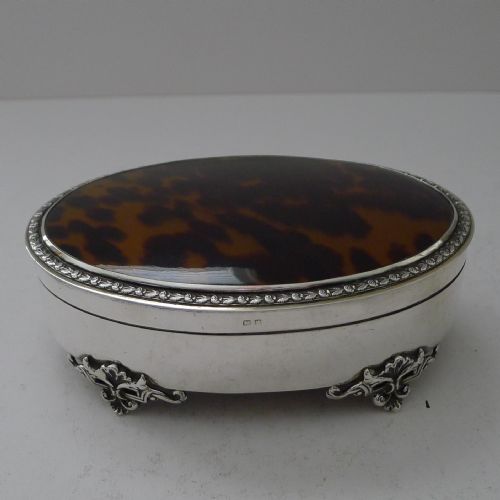


Victorian Silver Trinket Dish
A victorian silver trinket dish is a small decorative vessel for holding personal items, prized for its intricate metalwork and historical charm.
Victorian Silver Trinket Dish
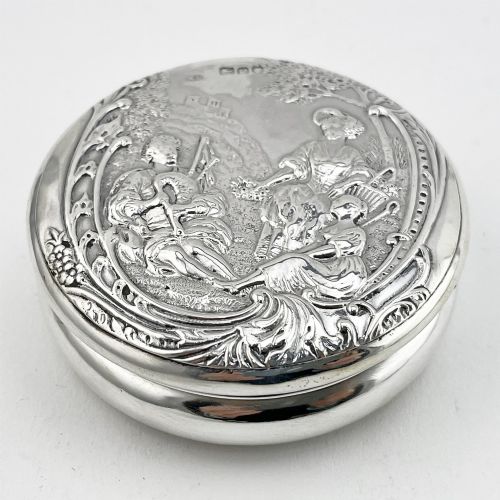
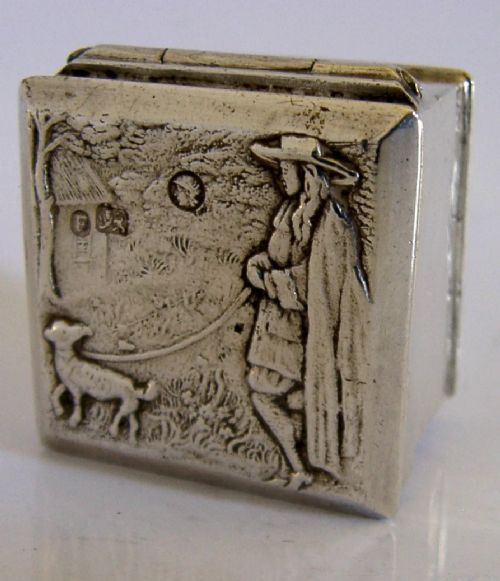
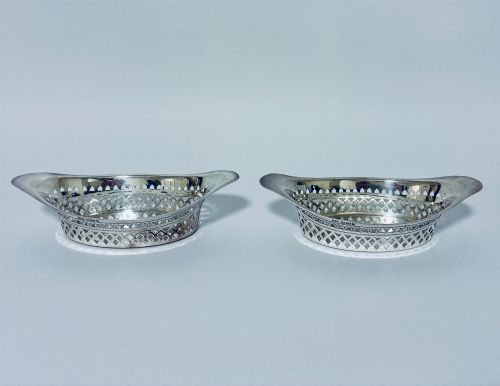
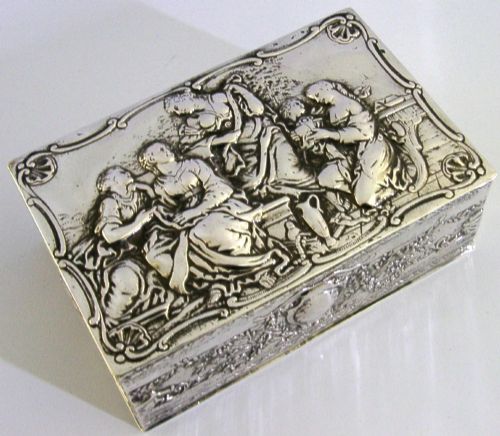
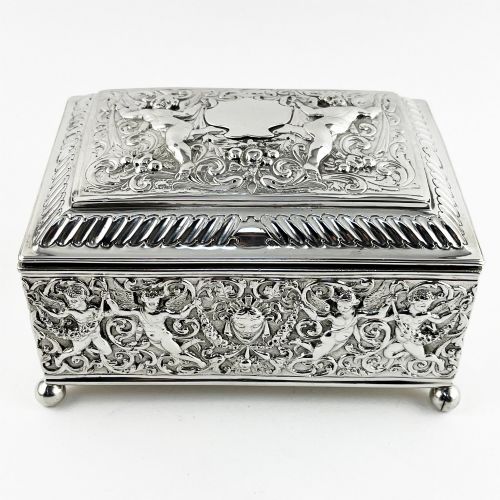
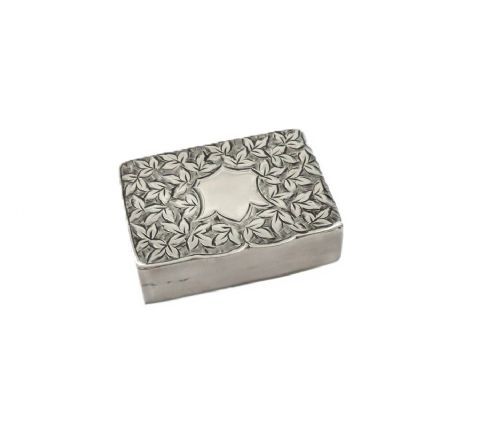
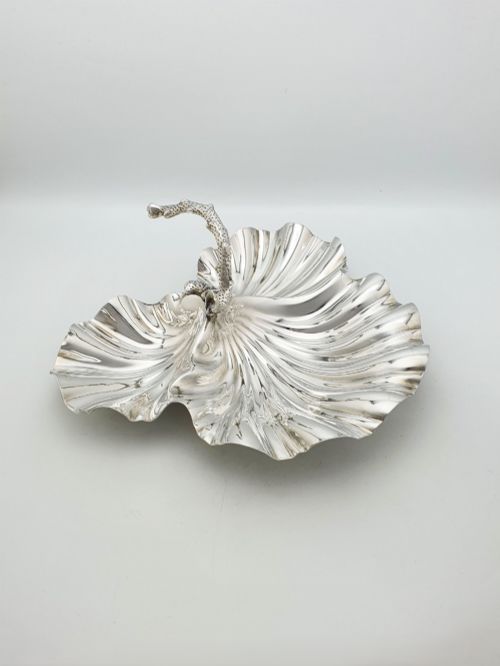
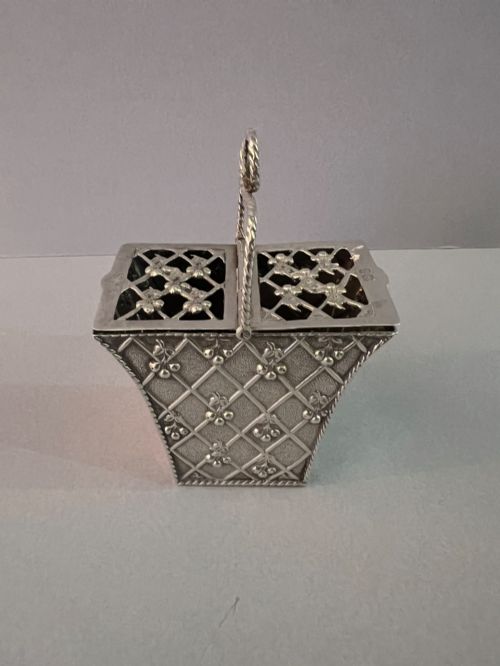
When you search for a victorian silver trinket dish, you encounter small receptacles designed to hold pins, rings, and small personal valuables on a dressing table or desk. The pieces meeting this description span the Victorian period into the Edwardian era, taking forms such as shallow dishes, hinged boxes, and small baskets.
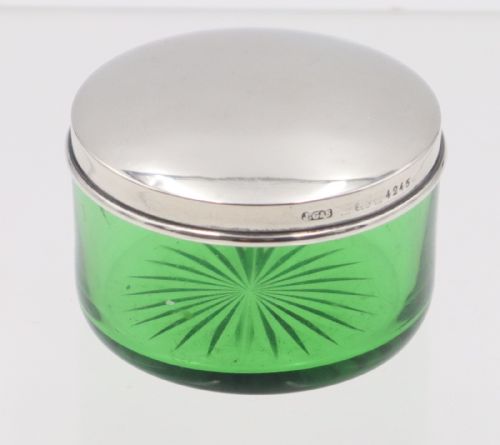
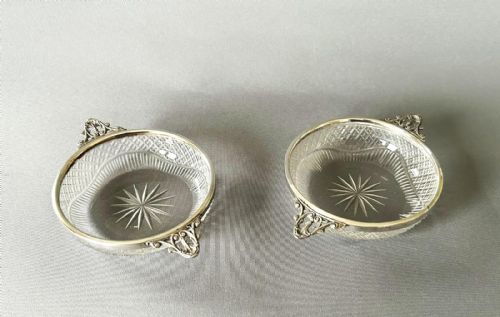
The selection includes open pin dishes alongside lidded pill boxes and bonbon dishes. Many examples incorporate glass bases or tortoiseshell panels, reflecting the diverse domestic uses of late nineteenth-century silverware.
How They Were Made
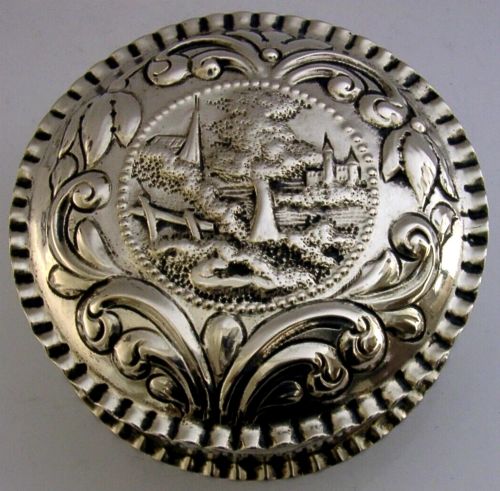
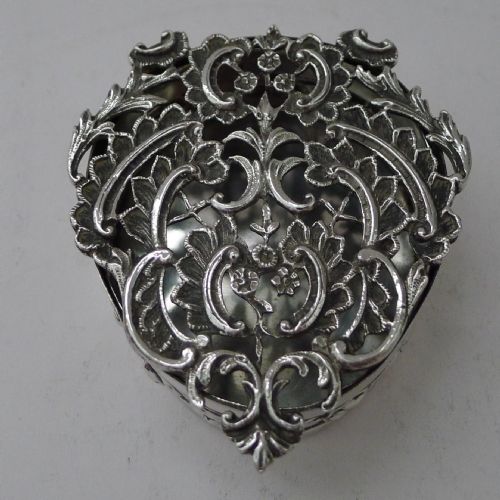
Silversmiths utilised sterling silver and silver plate, frequently combining the metal with cut glass bodies or polished tortoiseshell inserts. Piercing, casting, and repoussé decoration created intricate surface patterns including floral motifs, cherubs, and heart shapes.
Internal gilding appears in several lidded boxes, providing a contrasting golden hue within the silver container. Handles and feet were often cast separately and soldered to the main dish or box body.
Victorian Silver Trinket Dish Retail Price Guide 2026
Typical asking prices for victorian silver trinket dish among the pieces listed under this phrase on Sellingantiques today, from the lower quarter to the upper quarter. They describe what is for sale here now, not the wider market.
Several dishes take the affectionate shape of double hearts, once used to hold keepsake pins on Victorian dressing tables.
What Varies in Quality
The distinction between standard items and superior examples lies in the crispness of the chased or pierced decoration and the weight of the metal utilised. Heavy gauge silver retains its structural integrity and sharp detail, whereas thinner metal loses definition through polishing over decades.
Maker attribution and London or Birmingham assay office marks elevate certain pieces. Fitted silk or velvet linings within boxes, alongside undamaged cut glass and intact tortoiseshell panels, indicate superior original manufacture.
William Comyns·A & J Zimmerman Ltd·James Hennell·Wang Hing And Company·Atkin Brothers
The Victorian Silver Trinket Dish Glossary
- Repoussé
- A metalworking technique where the silversmith hammers the design from the reverse side to form a raised relief on the front. This method defines the ornamented surfaces of many nineteenth-century dishes.
- Assay mark
- A stamped symbol indicating the purity of the metal, the town of testing, and the date letter. These marks allow collectors to verify the exact period of manufacture.
- Bonbon dish
- A small, open decorative dish originally intended for holding sweets or small confectionery. They frequently feature pierced scrollwork or swing handles.
- Gilding
- A thin layer of gold applied to the interior surface of a silver vessel. This process protected the silver from tarnishing when holding certain items.
- Piercing
- The method of cutting geometric or organic patterns through the silver sheet to create openwork galleries and borders. It lightens the visual weight of the dish.
Victorian Silver Trinket Dish: Frequently Asked Questions
What were victorian silver trinket dishes used for?
These small dishes sat upon dressing tables and mantelpieces to contain everyday items such as pins, rings, and small brooches. They kept loose valuables secure and tidy in the bedroom or parlour.
Lidded variants also served as pill boxes or potpourri containers. Their decorative nature meant they functioned as ornamental tabletop accessories as well as practical receptacles.
How do I identify a victorian silver piece?
Examination of the hallmarks stamped into the metal provides the most reliable identification. These punch marks typically show the maker's initials, a standard mark for silver purity, an assay office symbol, and a date letter.
Stylistic indicators such as Victorian naturalism, Neo-Rococo scrollwork, or Art Nouveau whiplash lines also help date the object. Comparing the form to documented nineteenth-century designs confirms the era.
Are these dishes made of solid silver?
The materials vary between solid sterling silver, silver plate, and electroplated nickel silver. Hallmarks on solid pieces indicate the specific standard of silver purity used by the silversmith.
Plated items feature a base metal covered with a thin layer of silver. Descriptions in listings specify whether an item is solid silver or plated.
How should I care for silver trinket dishes?
Regular, gentle dusting with a soft, dry cloth prevents the accumulation of dirt in detailed crevices. Avoid harsh chemical dips that can strip the natural patina and damage delicate elements like tortoiseshell or glass.
When cleaning is necessary, use a specialist silver polish sparingly with a soft cloth. Store pieces away from direct sunlight and damp environments to maintain the metal condition.