



Victorian Silver Trinket Case
A Victorian silver trinket case holds small keepsakes and dressing table items, offering solid metalwork and decorative charm for collectors.
Victorian Silver Trinket Case
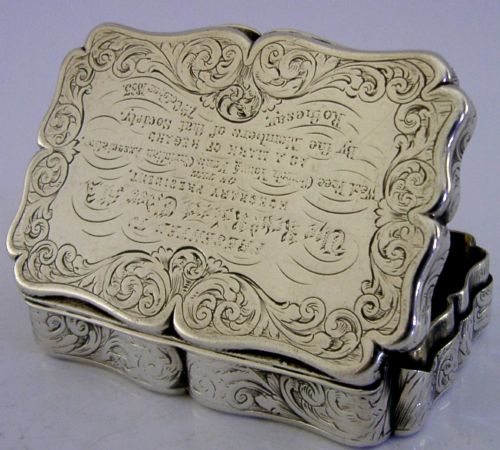
A Victorian silver trinket case encompasses small personal containers designed for snuff, pills, pyx storage, or jewellery. These boxes appear in various forms, including fitted jewellery boxes, snuff boxes, pyx boxes, and pillboxes.
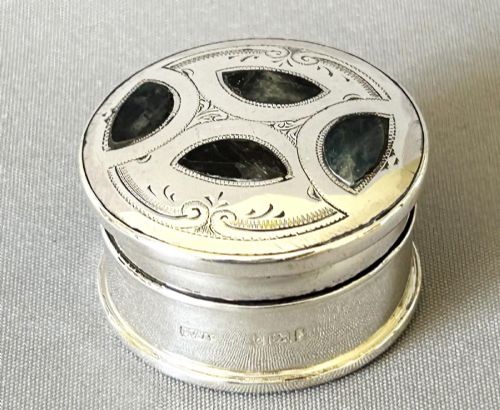
The selections span the Victorian period alongside pieces from the mid nineteenth century, Edwardian era, and late nineteenth century French styles. Forms range from simple cylindrical etuis to heavy cast snuff boxes and Scottish agate set pillboxes.
Buyers frequently encounter sterling silver and solid silver constructions, often paired with tortoiseshell, agate, velvet, satin, and glass linings. Origin points include English, Scottish, and French workshops.
Materials and Techniques
Silversmiths utilised sterling silver and solid silver gilt to form the primary structure of these cases, frequently employing heavy casting techniques for robust snuff boxes and travel boxes.
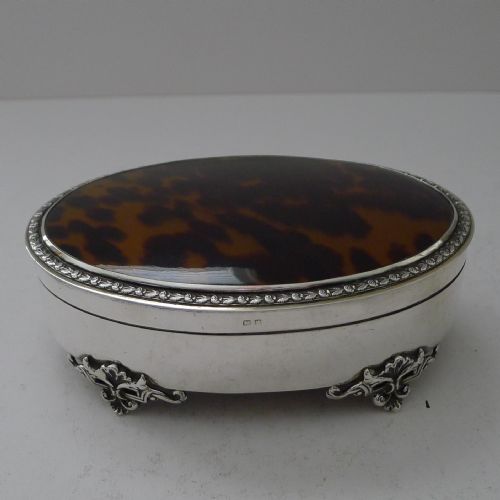
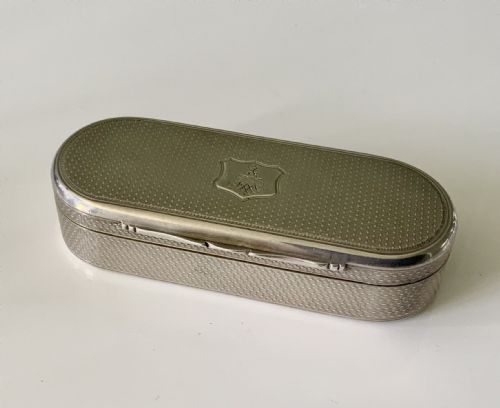
Decorative work involved engine turned guilloche designs on metal alongside the incorporation of Scottish agate and tortoiseshell panels set into the lids or bodies.
Interiors often featured fitted velvet or satin linings to protect delicate contents, while some pieces integrated glass compartments or paper elements.
Victorian Silver Trinket Case Retail Price Guide 2026
Typical asking prices for victorian silver trinket case among the pieces listed under this phrase on Sellingantiques today, from the lower quarter to the upper quarter. They describe what is for sale here now, not the wider market.
Object forms span snuff boxes, pyx boxes, cribbage boxes, and fitted jewellery boxes originating from English, Scottish, and continental makers.
Assessing Quality
Quality rests in the crispness of the engine turned guilloche work and the precision with which decorative stones like Scottish agate or organic materials like tortoiseshell are fitted into the silver frame.
Substance and weight distinguish heavier cast silver boxes from lighter stamped examples, while fitted interiors with original satin and velvet linings elevate the complexity of the piece.
FA Barrett·Jane Brownett Alexander Jones
The Victorian Silver Trinket Case Glossary
- Sterling Silver
- An alloy of silver containing 92.5 percent pure silver and 7.5 percent other metals, typically copper. This standard appears widely across British silver items.
- Tortoiseshell
- A material derived from the shell of larger sea turtles, utilised for the decorative panels on nineteenth century boxes. It provides a warm, mottled brown and amber tone.
- Pyx Box
- A small round container historically used to carry the Eucharistic host. In secular contexts, these small boxes served for pills or tiny keepsakes.
- Guilloche
- A decorative engraving technique where a precise, intricate pattern is mechanically etched into a metal surface. This finish often appears on late nineteenth century French and English boxes.
- Agate
- A rock consisting primarily of chalcedony and quartz, displaying varied coloured bands. Scottish examples feature prominently in nineteenth century jewellery and pillboxes.
Victorian Silver Trinket Case: Frequently Asked Questions
What were Victorian silver trinket cases used for?
These small containers held personal items such as snuff, pills, tobacco, and delicate jewellery. People kept them on dressing tables or carried them in pockets.
Their compact forms made them practical daily accessories for the Victorian household, combining utility with personal status.
How do I identify a Victorian silver box?
Look for hallmarks stamped into the metal, which indicate the assay office, standard of silver, and date letter. Birmingham and London hallmarks frequently appear on these pieces.
Stylistic cues such as heavy cast construction, Rococo Revival motifs, and the integration of tortoiseshell or agate further point to the nineteenth century.
Are all these boxes made of solid silver?
Most items listed utilise sterling silver or solid silver gilt, though descriptions also record decorative additions of tortoiseshell and agate.
Internal elements sometimes incorporate glass, paper, velvet, or satin linings while the primary body remains metal.
How should I clean a silver trinket case?
Gentle dusting with a soft cloth preserves the metal surface and any delicate tortoiseshell or agate panels. Avoid harsh chemical dips that strip away natural tarnish.
Where velvet or satin linings exist, keep moisture away from the interior to protect fabric and paper components.