
Victorian Silver Holder
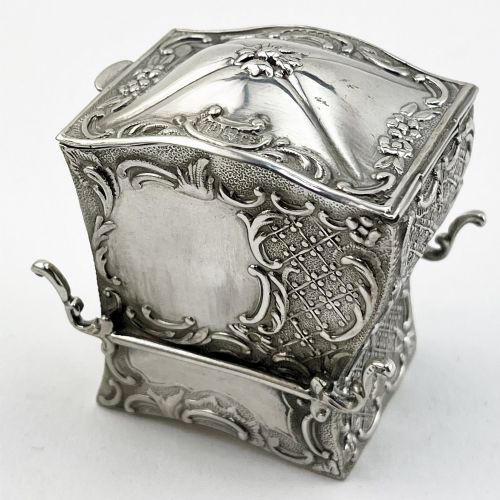
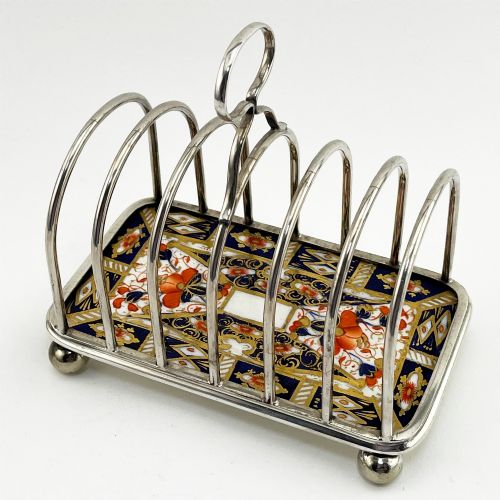
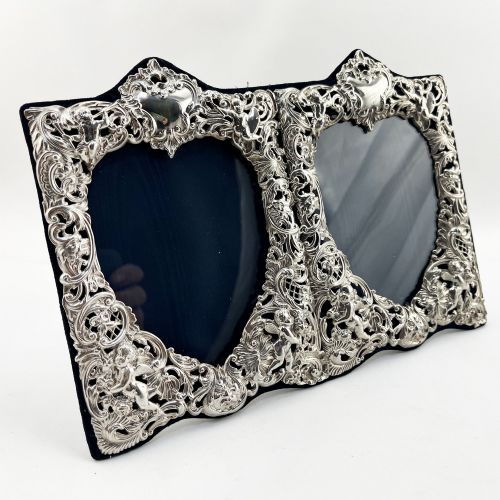
When you handle a victorian silver holder, you encounter a remarkable diversity of personal and domestic metalwork spanning the nineteenth and early twentieth centuries.
Victorian Silver Holder
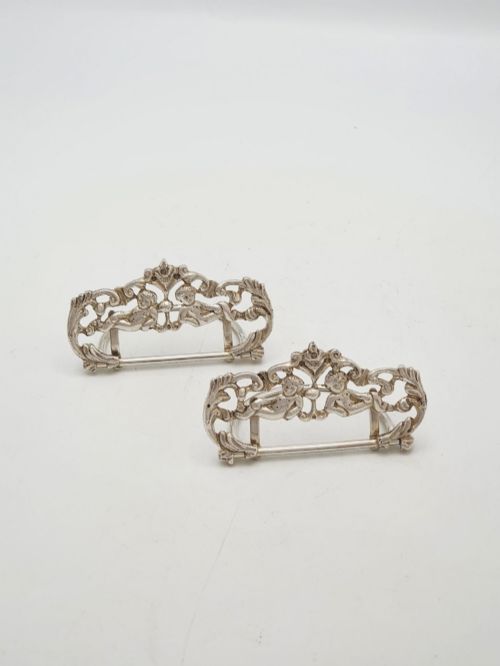
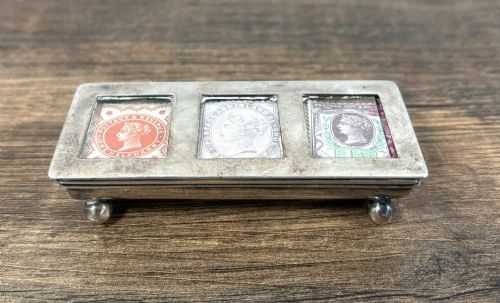
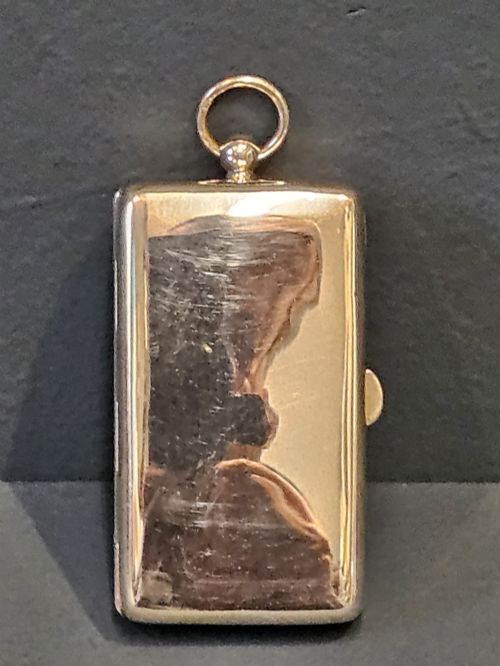
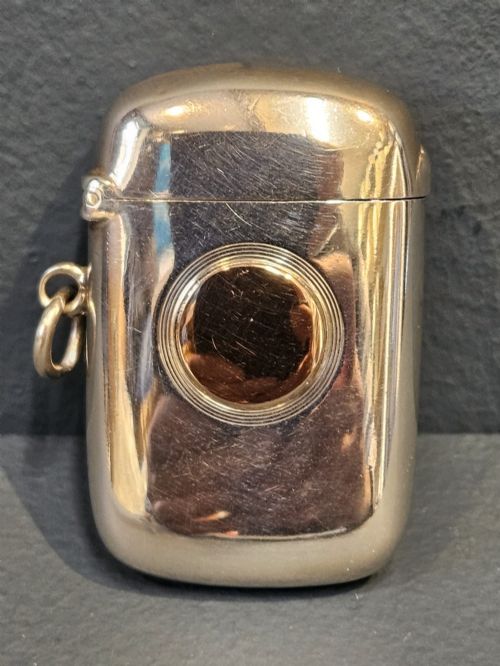
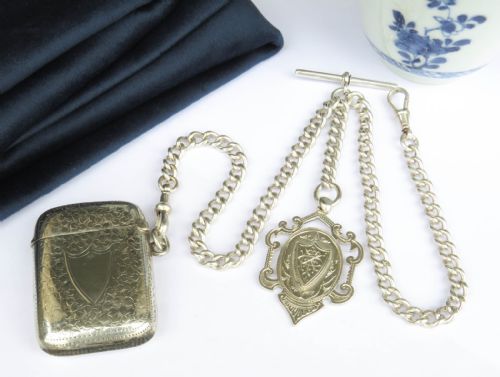
A victorian silver holder encompasses a wide spectrum of functional domestic and personal accessories created during the nineteenth century and the Edwardian era. These items range from desktop items like menu holders and inkwell stands to personal pocket pieces such as vesta cases, sovereign holders, and card cases.
How They Were Made
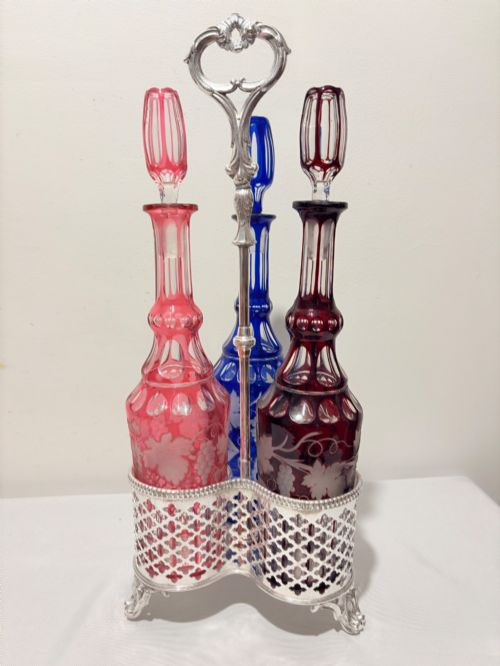
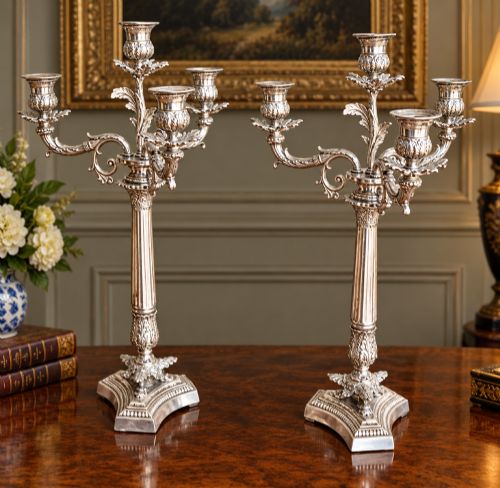
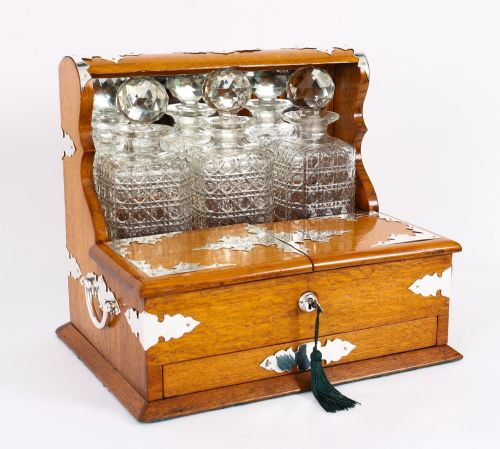
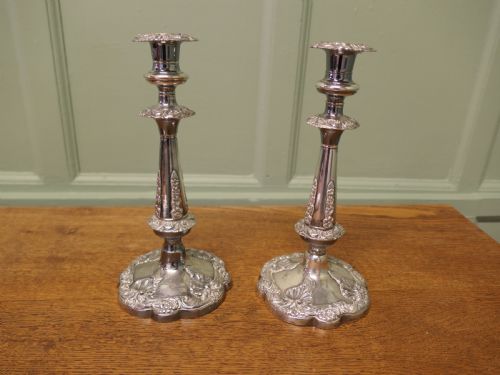
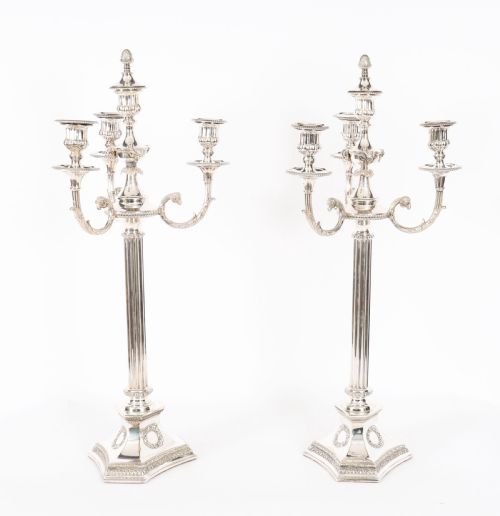
Makers utilised sterling silver and silver plate over base metals, often combining them with auxiliary materials such as oak, leather, tortoiseshell, agate, and glass. Silversmiths employed techniques including casting, piercing, engraving, and repoussé work to achieve intricate surface decoration.
Structural elements on larger domestic pieces involved soldered mounts and weighted bases, while smaller personal containers utilised precise hinges, spring-loaded lids, and secure clasps.
Listings feature items spanning the Victorian, Edwardian, and late nineteenth-century periods, utilising sterling silver, silver plate, oak, tortoiseshell, and glass.
What Varies In Quality
Quality in these pieces depends on the crispness of the cast or engraved ornamentation and the structural integrity of hinges and moving parts. Finer examples display deep, legible hallmarks and careful hand-chasing rather than shallow, mass-produced stamping.
The integration of secondary materials, such as polished agate inserts or undamaged glass liners, elevates the standard of a piece from standard utility to superior craftsmanship.
EV Pledge & Son·Horton & Allday·Martin Hall & Co·William Comyns·Elkington·Sampson Mordan & Co·Nathaniel Mills·Walker & Hall
The Victorian Silver Holder Glossary
- Vesta case
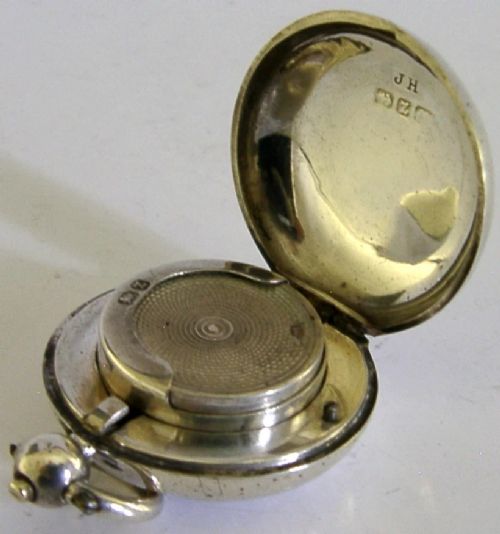
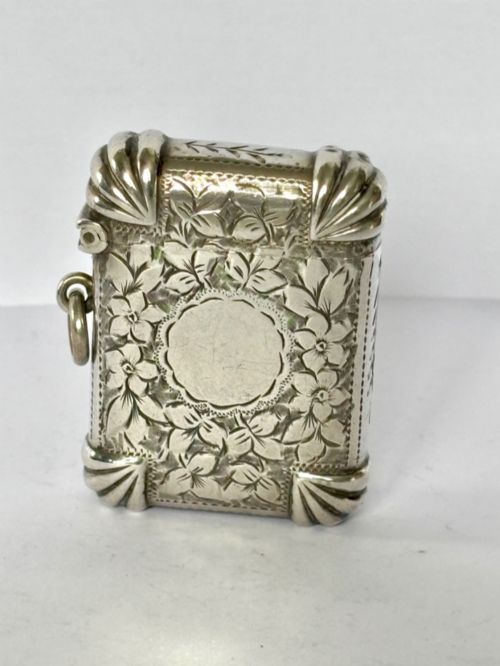
- A small pocket container designed to hold matches and incorporate a striking surface. These items often feature detailed hand engraving or figural motifs.
- Hallmark
- An official stamp applied by an assay office indicating the purity of the metal, the maker, and the year of production. British silver typically displays a standard mark, a town mark, and a date letter.
- Silver plate
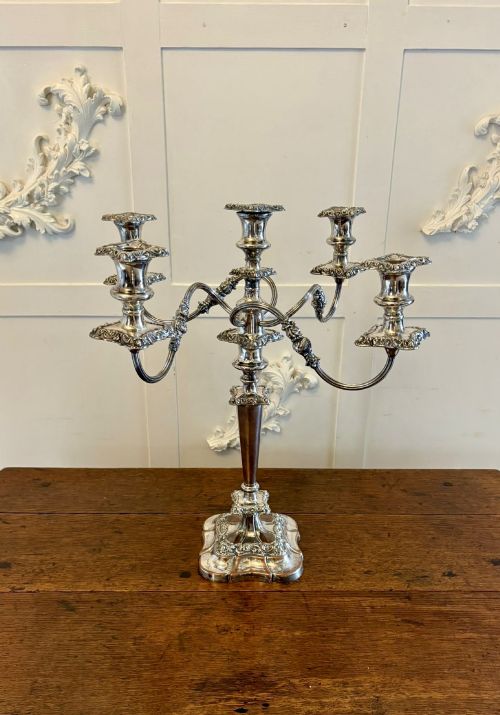
- A manufacturing method involving a thin layer of silver fused to a base metal core. This technique provided the visual appeal of solid silver at a lower cost for larger domestic objects.
- Chatelaine
- A decorative belt hook worn with suspended accessories such as watch keys, thimble holders, or small notebooks. These items allowed Victorian users to keep essential tools immediately accessible.
Victorian Silver Holder: Frequently Asked Questions
What is a silver vesta case?
A silver vesta case is a small pocket container designed to hold matches safely while providing an integrated striking surface on the exterior.
Victorian gentlemen and ladies carried these items daily to ignite cigars, cigarettes, or domestic lamps.
How do I clean antique silver?
Cleaning antique silver requires a gentle approach utilising a soft cloth and a specialised silver cream to preserve the underlying metal and fine engraving.
Avoid harsh abrasive dips that can strip away the historical patina accumulated over the decades.
How do I read silver hallmarks?
Hallmarks consist of a series of small stamped symbols showing the maker's mark, metal purity, assay office, and a specific date letter.
Reference guides match these stamped letters and symbols to determine the exact year and city of manufacture.