




Victorian Silver Gilt Box
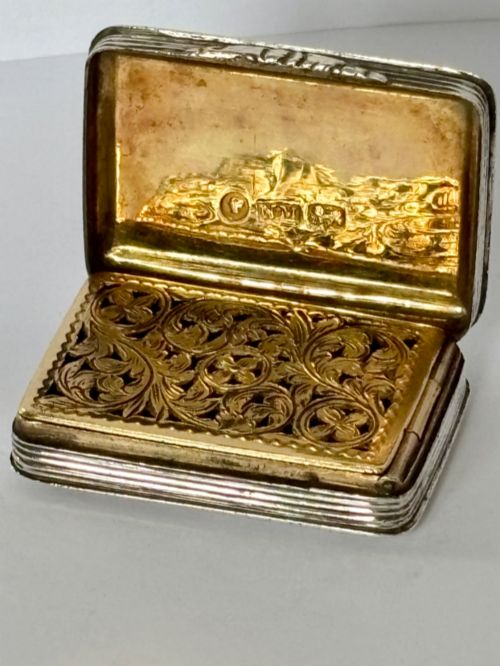
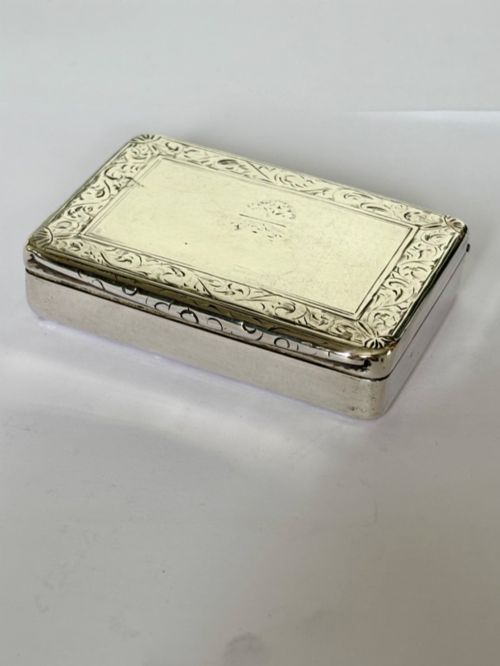
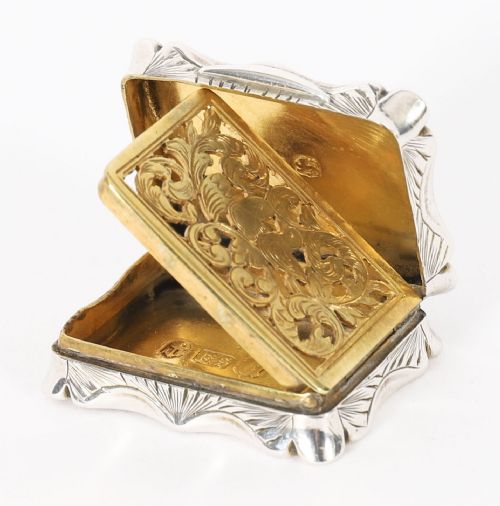
A victorian silver gilt box brings heavy sterling silver and a warm gold wash together in pieces designed for snuff, vinaigrettes, and trinkets.
Victorian Silver Gilt Box
When searching for a victorian silver gilt box, buyers encounter small personal containers fashioned during the nineteenth century for specific domestic and social uses.
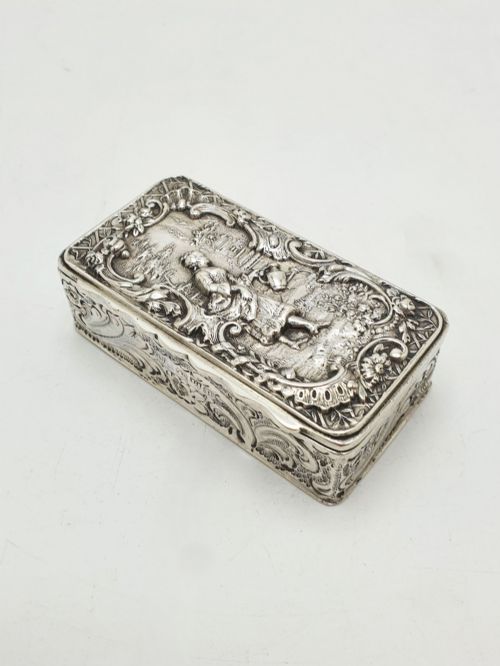
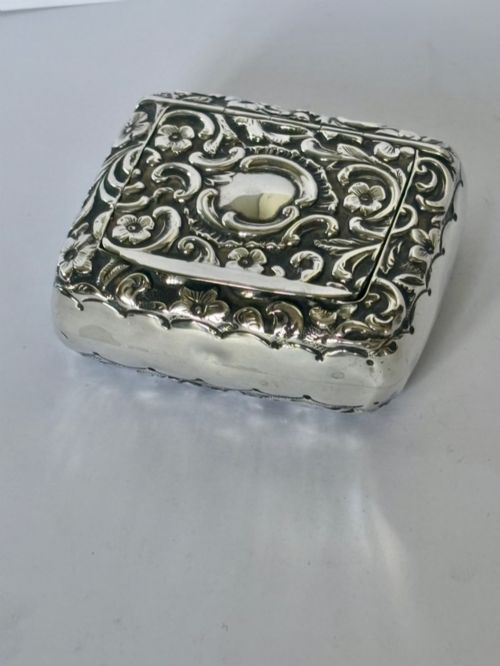
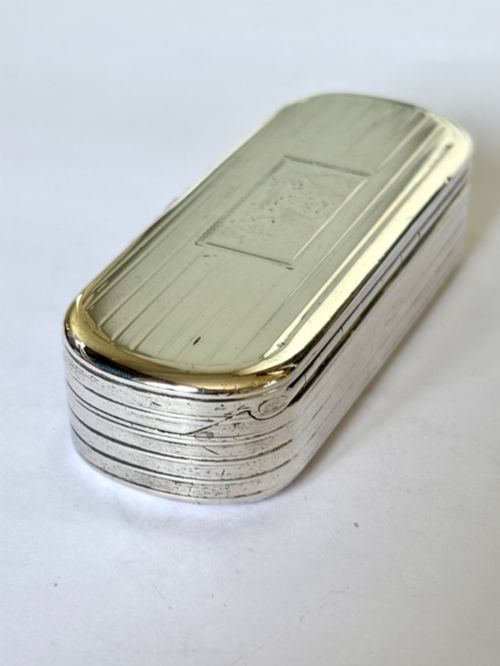
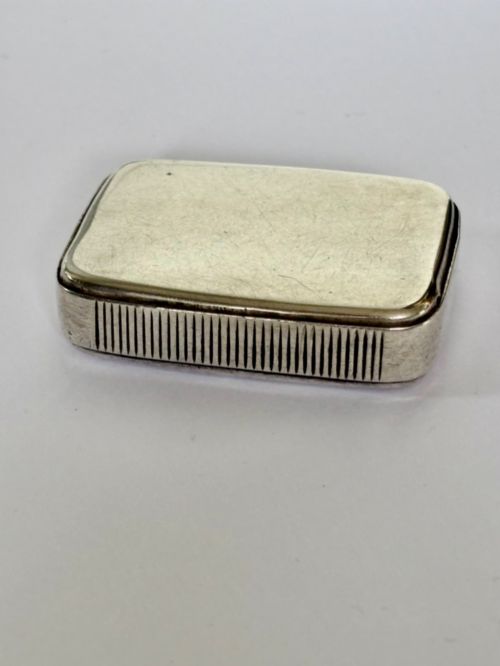
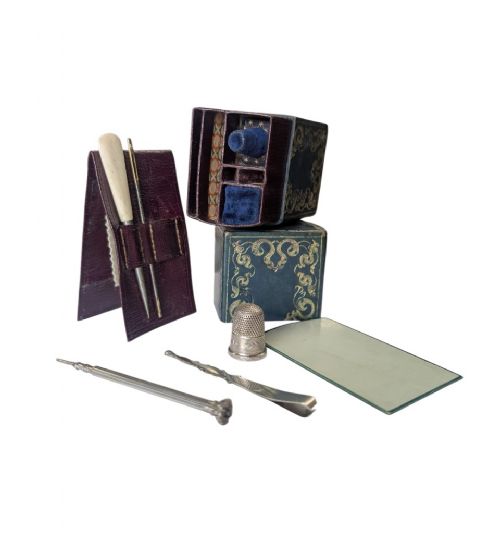
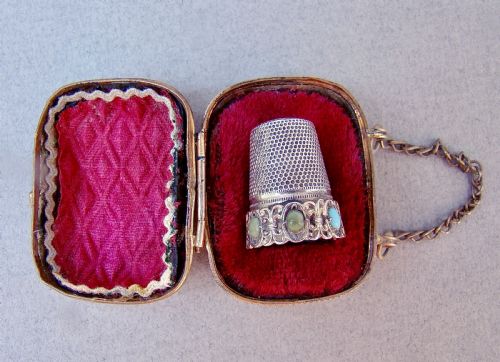
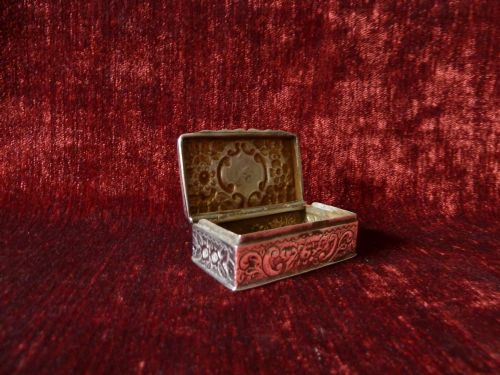
The selections span snug vinaigrettes, pocket snuff boxes, and novelty vesta cases, alongside larger dressing and sewing cases fitted with internal compartments.
English examples dominate the record through provincial silversmith hubs like Birmingham and Sheffield, accompanied by continental pieces from French workshops.
How They Were Made
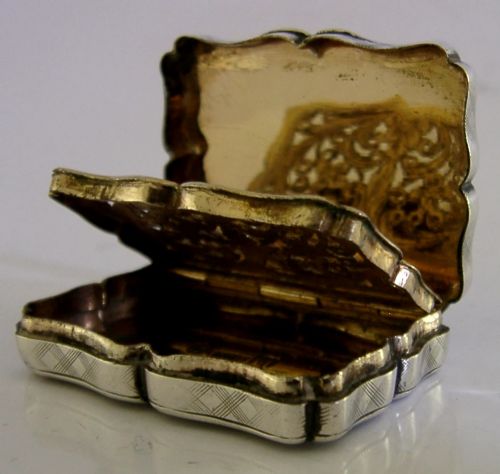
Silversmiths formed the bodies from sterling silver or higher-purity continental silver, applying a gold wash known as gilt or vermeil to the interior surfaces.
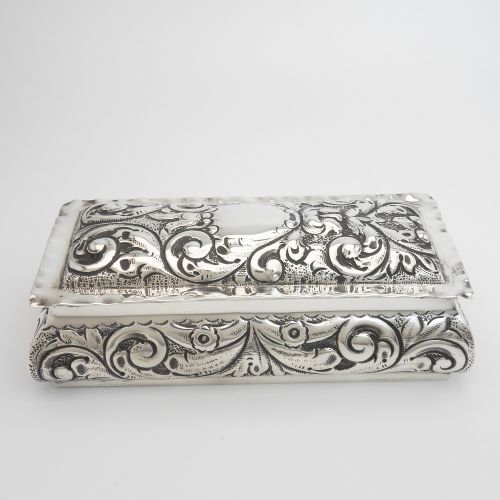
Decoration relied on hand embossing, engine-turned guilloche engraving, and cast acanthus borders, occasionally incorporating shell, stone sets, or enamel appliques.
Victorian Silver Gilt Box Retail Price Guide 2026
Typical asking prices for victorian silver gilt box among the pieces listed under this phrase on Sellingantiques today, from the lower quarter to the upper quarter. They describe what is for sale here now, not the wider market.
The listings show English silver items stamped in Birmingham and London alongside continental pieces utilising 950 silver and vermeil.
What Varies in Quality
The crispness of chased and embossed foliage separates standard utilitarian boxes from workshop pieces boasting sharp, deep relief and cast borders.
Completeness dictates value, particularly when original fitted velvet or leather outer cases, interior gilt washes, and functional miniature sponge inserts survive intact.
Henry Matthews·Robert Thornton·Edward Smith·A J Zimmerman·Nathaniel Mills·Samson Mordan·Edward Edwards·William Neale·Francis Clark·Charles Rawlings and William Summers·Frederic Boucheron
The Victorian Silver Gilt Box Glossary
- Silver Gilt
- Sterling silver coated with a thin layer of gold, providing a rich yellow lustre to box interiors and highlights.
- Vinaigrette
- A small hinged container holding a perforated grille, originally designed to house a sponge soaked in aromatic vinegar.
- Guilloche
- A decorative mechanical engraving technique producing precise, repeating geometric patterns across metal surfaces.
- Vesta Case
- A pocket-sized matchsafe often engineered with novelty spring mechanisms or novelty shapes like walnuts and hearts.
- Etui
- A compact cylindrical case used to hold small sewing implements, needles, or personal grooming tools.
Victorian Silver Gilt Box: Frequently Asked Questions
What were silver gilt boxes used for?
These containers served practical daily roles for carrying dry goods like snuff, preserving sweet scents in vinaigrettes, or guarding sewing needles and pills.
Their precious materials also marked them as status symbols for wealthy Victorians who displayed them on dressing tables or carried them in pockets.
How do I identify the period of a box?
British pieces typically rely on sterling silver hallmarks stamped with assay office marks, date letters, and maker stamps that pin down the exact year of manufacture.
Stylistic cues such as heavy cast acanthus borders or Renaissance revival appliques further help separate early Victorian work from late nineteenth-century pieces.
Why is the interior gold?
The golden interior is a gilt wash applied over sterling silver to protect the metal from the corrosive chemical properties of snuff and damp aromatics.
This technique also offered the visual richness of solid gold at a lower cost while keeping silver taste away from stored items.
Are French boxes different from English ones?
Continental pieces frequently utilise higher silver purity standards like 950 grade and feature distinct decorative choices such as niello work, engine-turned guilloche, and cylindrical etui forms.
English output leans heavily towards marked sterling silver snuff boxes and vinaigrettes produced by known silversmiths in Birmingham and London.