





Victorian Silver Gilt Bottle
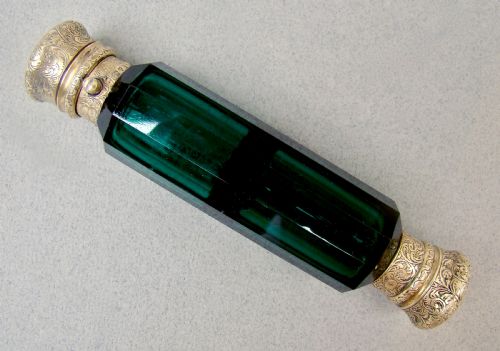
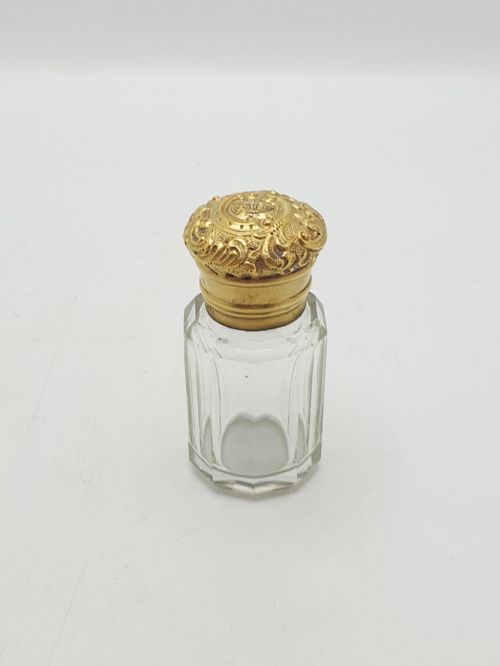
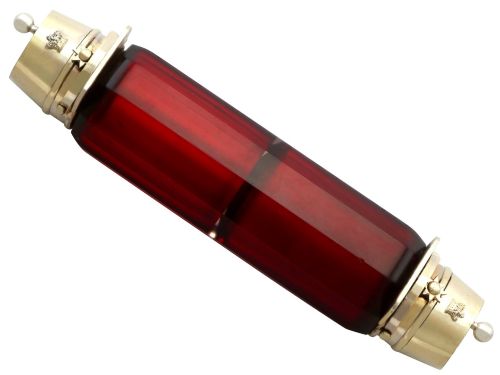
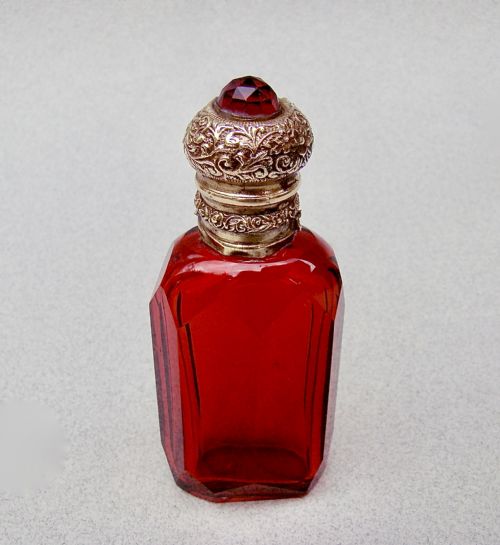
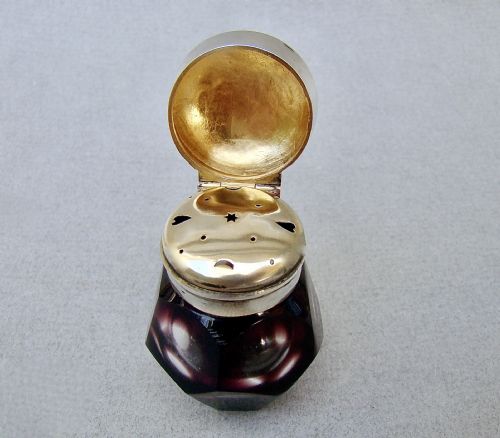
These victorian silver gilt bottle pieces combine rich metalwork with cut glass or coloured glass, offering a touch of period elegance to any collection.
Victorian Silver Gilt Bottle
When you search for a victorian silver gilt bottle, you find a selection of nineteenth-century items designed for personal adornment and vanity use, including scent bottles, vinaigrettes, and dressing cases. These objects span English and continental origins, capturing the decorative tastes of the Victorian era.
How they were made
Maker's workshops combined precious metals with glass and leather, utilising techniques such as engine turned guilloche design on silver gilt boxes. Cut glass bodies provide weight and structure, paired with secure mountings and hinged lids.
Makers shaped rich coloured glass, including ruby and amethyst variants, and integrated detailed silver gilt mounts, ormolu, and velvet linings. Some items feature lockable mechanisms or intricate mosaic work characteristic of mid-nineteenth century production.
A gentleman required a lockable cologne bottle, ensuring nobody else sampled his morning splash.
What varies in quality
Quality rests in the crispness of the metalwork, the depth of the engine turning, and the clarity or rich colour of the glass components. Maker marks and specific assay offices add distinct provenance to the silver elements.
The complexity of the form dictates distinction, separating simpler functional vessels from elaborate pieces featuring murrine glass or comprehensive dressing sets.
Edward Smith·Franchini And Bigaglia·S Morden And Co
The Victorian Silver Gilt Bottle Glossary
- Silver-Gilt
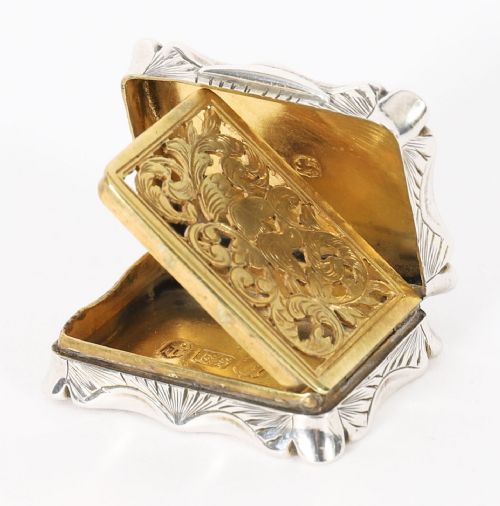
- Silver that has been coated with a thin layer of gold on its surface. This technique provides the rich appearance of solid gold while utilising a silver base.
- Vinaigrette
- A small ornamental box featuring a perforated inner grille, designed to hold a sponge soaked in aromatic vinegar. These were carried during the nineteenth century to counteract unpleasant odours.
- Etui
- A small cylindrical or shaped case used for holding small implements like needles, tweezers, or cosmetic tools. They often feature decorative metalwork and secure closures.
- Guilloche
- A decorative engraving technique where a precise, intricate pattern is mechanically etched into a metal surface. It appears frequently on nineteenth-century silver gilt boxes.
- Ormolu
- Gilded bronze used for decorative mounts and decorative fittings on nineteenth-century luxury goods. It offers a warm golden tone that complements coloured glass.
Victorian Silver Gilt Bottle: Frequently Asked Questions
What is a victorian silver gilt bottle used for?
These vessels held perfumes, colognes, or aromatic vinegars for personal refreshment during the nineteenth century. They were designed to be carried in a dressing case or pocket.
Today, they serve as decorative display pieces on dressing tables or within vanity collections, preserving the refined habits of the period.
How do I identify a nineteenth-century piece?
Look for hallmarks stamped on the silver components that indicate assay offices, maker marks, and date letters corresponding to the Victorian era. The stylistic cues of the metalwork and glass types also point to this period.
Construction methods, such as hand-cut glass and specific hinge styles, help distinguish nineteenth-century examples from later reproductions.
What is the difference between silver and silver-gilt?
Solid silver displays a bright metallic grey finish that tarnishes over time into darker shades. Silver-gilt has a layer of gold applied over the silver, giving it a warm, golden appearance.
This gilding protected the silver from tarnishing while offering the luxurious look of solid gold.
How should I care for these antique bottles?
Handle the glass and metal components with care to preserve any delicate gilding or original surface patination. Avoid harsh chemical dips on silver-gilt items, as these can strip the gold layer.
Store them in stable environments away from direct sunlight and extreme humidity to protect internal velvet linings and leather elements.