



Victorian Silver Drops
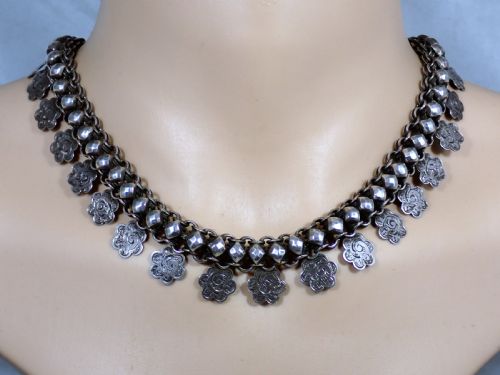
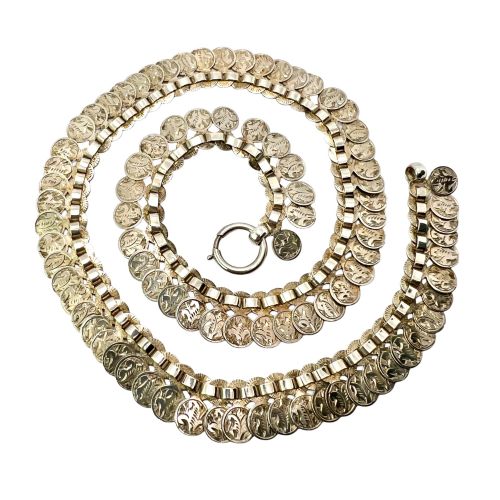
Victorian silver drops bring together nineteenth-century craftsmanship and hanging silhouettes, offering collectors delicate pendants and earrings set with paste, stones, and diamonds.
Victorian Silver Drops
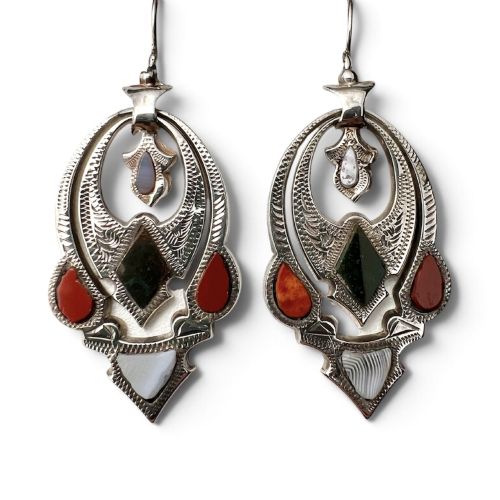
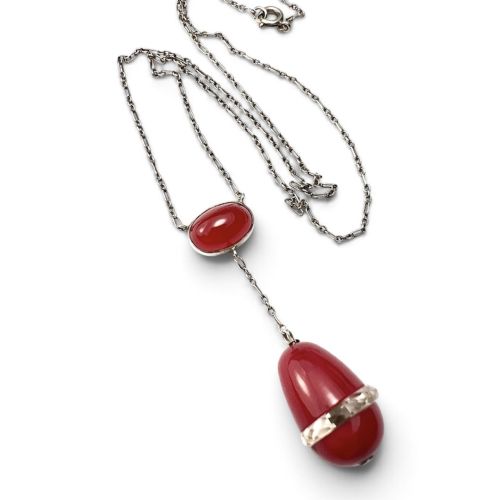
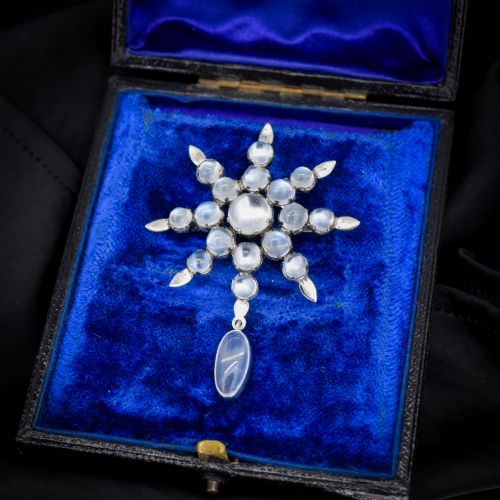
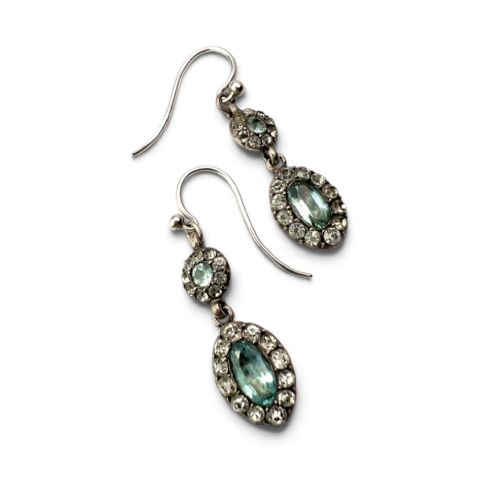
Victorian silver drops encompass hanging jewellery forms such as earrings, pendants, and necklaces originating from the nineteenth century and adjacent periods like the Edwardian era. These pieces frequently feature dangling stones, teardrop silhouettes, or suspended elements that catch the light during movement.
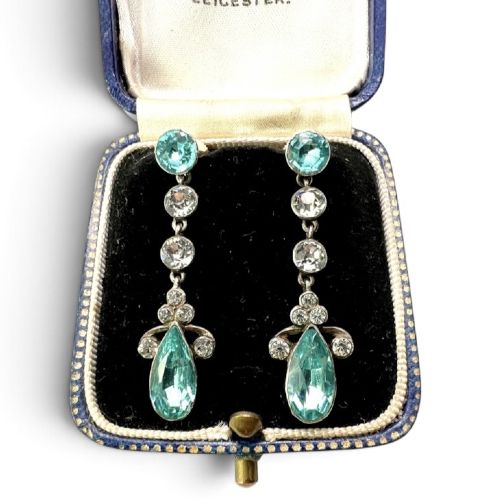
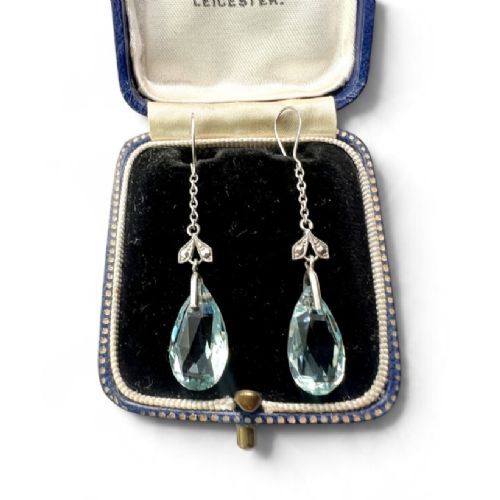
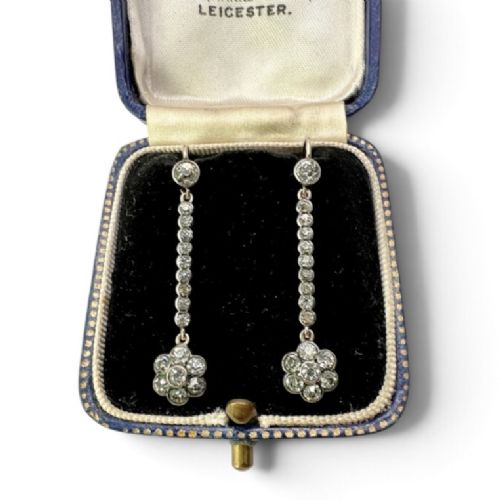
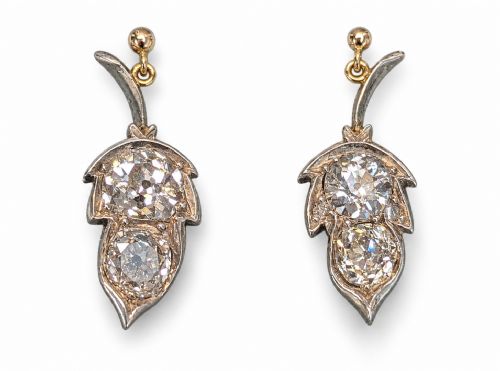
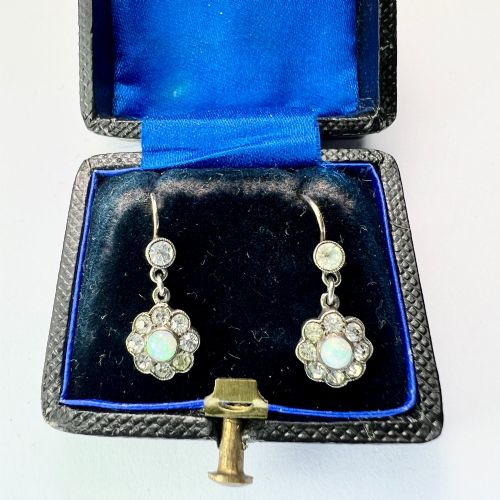
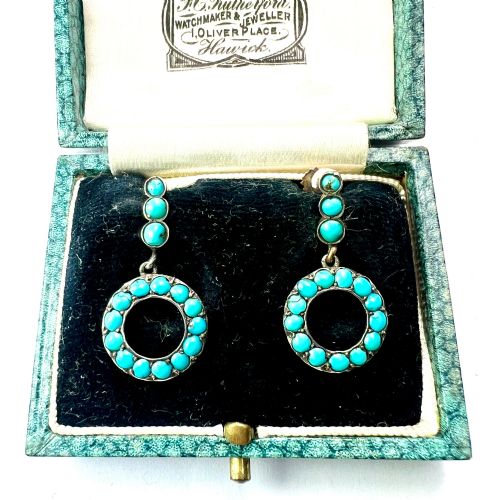
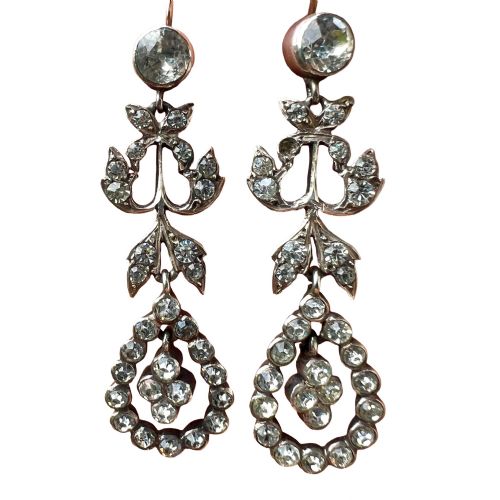
The versions most commonly met on this page include sterling silver and gilded silver earrings set with glass paste, rock crystal, turquoise, and diamonds. Alongside these drop earrings, buyers encounter pendants and necklaces incorporating similar hanging motifs and historic metalwork techniques.
Materials and construction
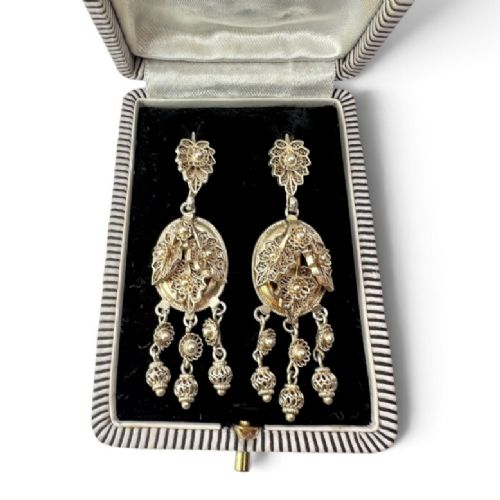
Makers utilised silver and sterling silver as the primary metallic foundation, frequently combining gold with silver to enhance the setting of gemstones. Foliate mounts, filigree wirework, and engraved details demonstrate the manual dexterity employed by period artisans.
Gemstones and substitutes such as glass paste, rock crystal, opals, and pearls were secured using traditional collet and prong settings. Diamonds cut in old European or rose styles were often backed with foil or silver settings to maximise their brilliance under artificial candlelight.
Victorian Silver Drops Retail Price Guide 2026
Typical asking prices for victorian silver drops among the pieces listed under this phrase on Sellingantiques today, from the lower quarter to the upper quarter. They describe what is for sale here now, not the wider market.
Listings feature silver alongside gold, diamond, paste, glass paste, rock crystal, pearl, turquoise, and malachite across the Victorian, Edwardian, and Art Deco periods.
Assessing quality and character
Quality rests upon the crispness of the metalwork, whether in delicate filigree or deep hand-engraving, and the integrity of the stone settings. Superior examples display secure stones without excessive adhesive, alongside well-matched pastes or natural gems that retain their original facets.
The overall design harmony also dictates distinction, separating standard production pieces from intricate girandole chandeliers, multi-tiered drops, and bespoke artisan creations. Original fastenings, screwback mechanisms, and untouched patinas further elevate the desirability of individual items.
Knoll & Pregizer
The Victorian Silver Drops Glossary
- Paste
- Hand-cut and polished glass used to imitate gemstones. It achieves high refraction and was widely utilised in Georgian and Victorian jewellery.
- Girandole
- A style of chandelier earring featuring a central drop surrounded by multiple smaller suspended stones. This form creates an elaborate, cascading silhouette.
- Collet setting
- A metal collar that encircles the edge of a gemstone to hold it in place. It represents a traditional method seen across nineteenth-century metalwork.
- Sterling silver
- An alloy consisting of silver and other metals, typically copper, standardised for durability and strength. It provides the structural base for many period items.
- Rock crystal
- Colourless natural quartz carved and polished for use in jewellery. It offers clarity and brilliance similar to diamond.
Victorian Silver Drops: Frequently Asked Questions
What defines a Victorian silver drop?
These items comprise hanging ornaments made from silver during the nineteenth century or related periods. They rely on suspended stones, tassels, or teardrop configurations to create movement.
Such designs include earrings, pendants, and necklaces incorporating stones like paste, turquoise, and diamonds.
How do I care for silver drop jewellery?
Silver and antique mountings require gentle cleaning with a soft cloth to preserve the metal patina. Avoid harsh chemical dips, particularly when dealing with foiled pastes, pearls, or softer stones.
Store pieces individually in padded boxes to prevent friction damage to delicate filigree and dangling elements.
Are these pieces made of solid silver?
Many examples utilise sterling silver or continental silver standards, while others combine gold and silver layers. Earlier techniques often mounted silver over gold to optimise stone colour reflection.
Examination of hallmarks or testing helps determine the exact metal composition of individual drops.
How can I distinguish Edwardian from Victorian drops?
Victorian pieces often display heavier cast work, deeper engravings, and romantic motifs like horseshoe or crescent designs. Edwardian items frequently introduce lighter garland styles, platinum accents, and delicate openwork.
Overlaps in periods mean stylistic cues and mounting techniques provide the clearest guide to dating.