

Antique Filigree Jewellery
Antique filigree jewellery brings fine metal wirework into pendants, brooches and rings across multiple periods.
Antique Filigree Jewellery
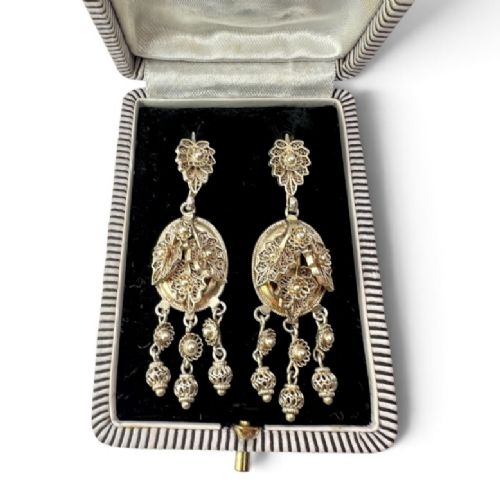
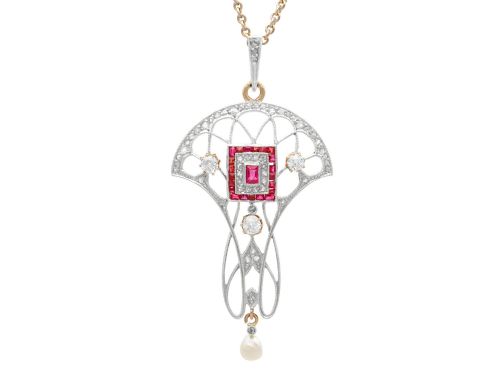
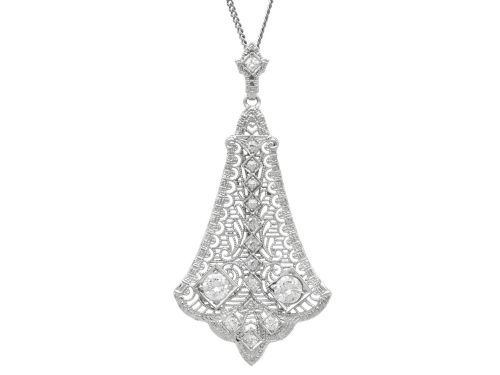
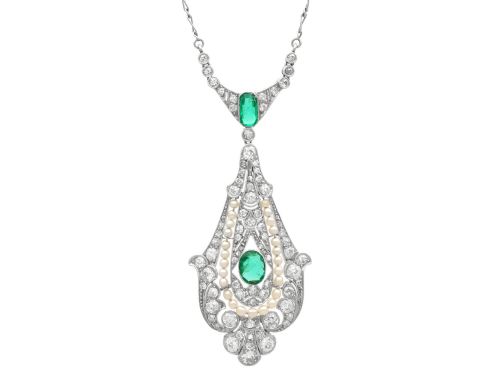
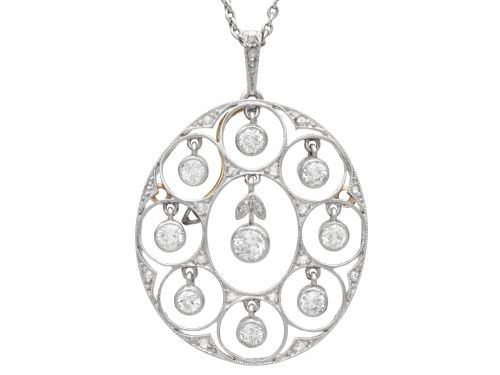
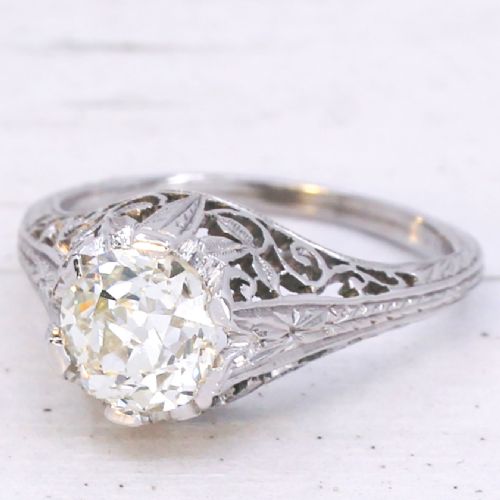
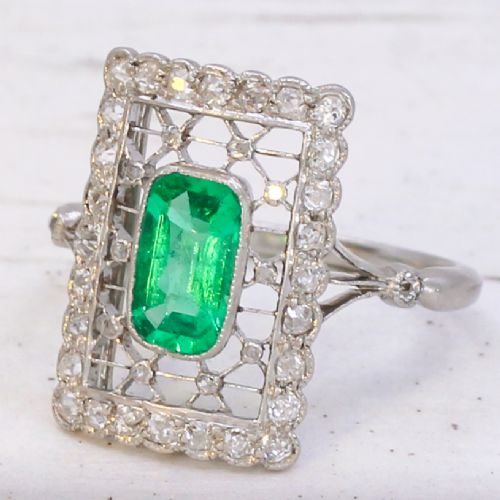
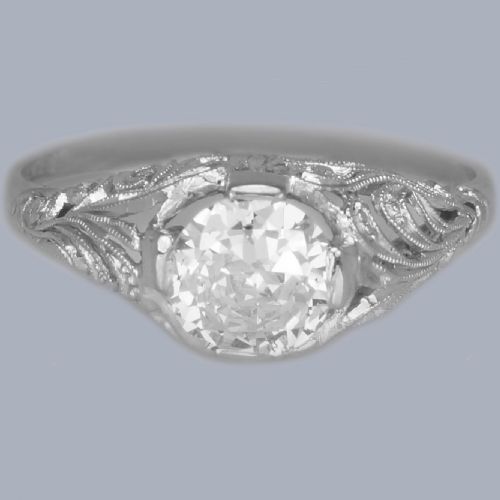
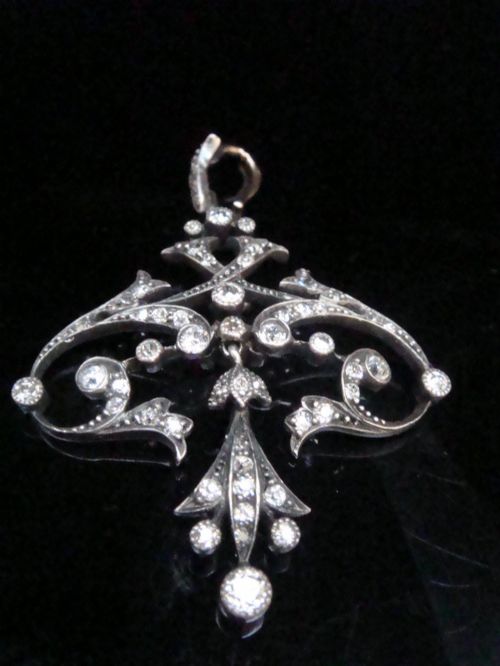
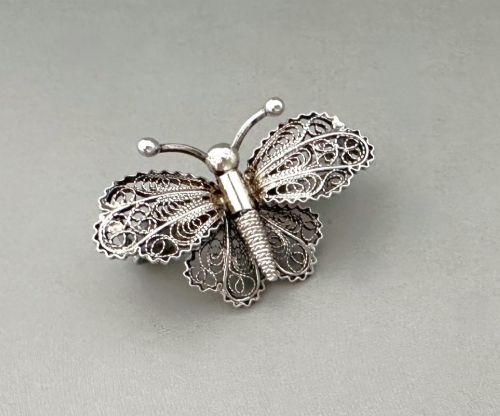
Antique filigree jewellery involves delicate metal threads soldered into intricate openwork patterns, often shaped into butterflies, floral motifs, or geometric frames. These pieces span periods from the Georgian era through the Edwardian years and Art Deco decades, bringing together fine wire scrolls with gemstones.
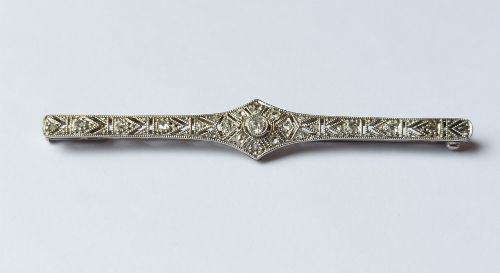
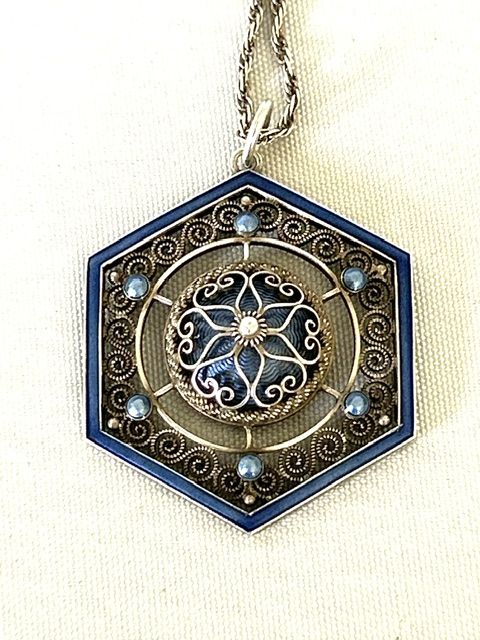
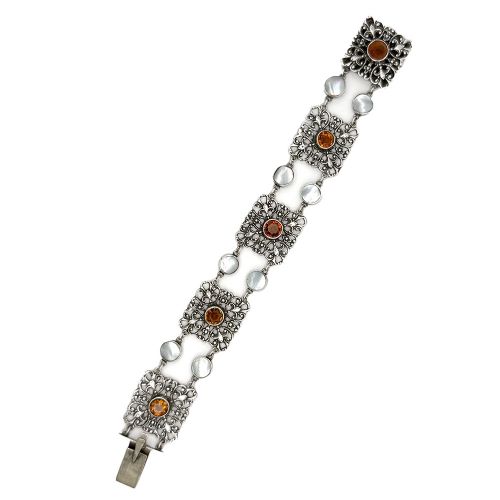
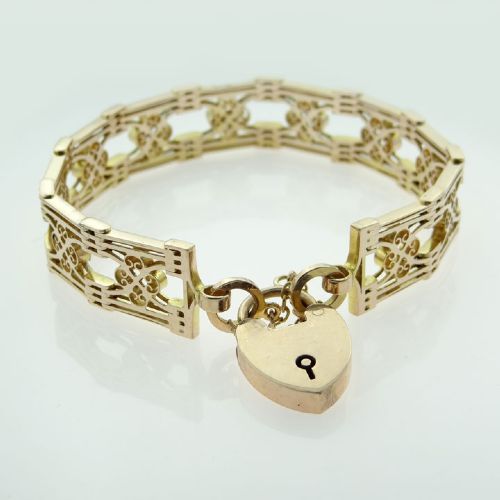
The versions most frequently met on this page include silver and gold pendants, brooches, and bracelets from the Edwardian period and the 1930s. Many of these pieces incorporate enamel, seed pearls, or diamonds set directly within the lightweight wire structure.
How they were made
Goldsmiths and silversmiths constructed these items by drawing precious metal down into fine wires, twisting them into curls and loops, and soldering them to a base or to each other. This openwork technique required immense patience and steady hands to maintain geometric or organic symmetry.
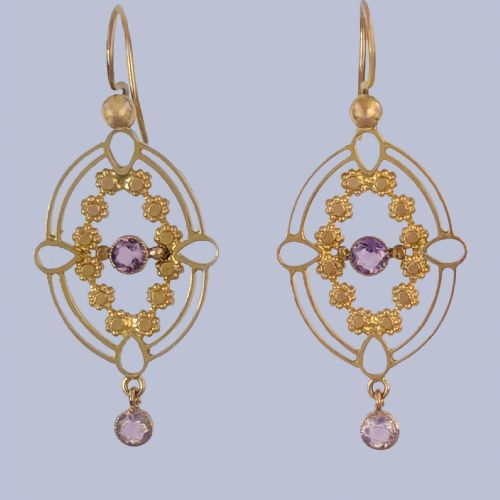
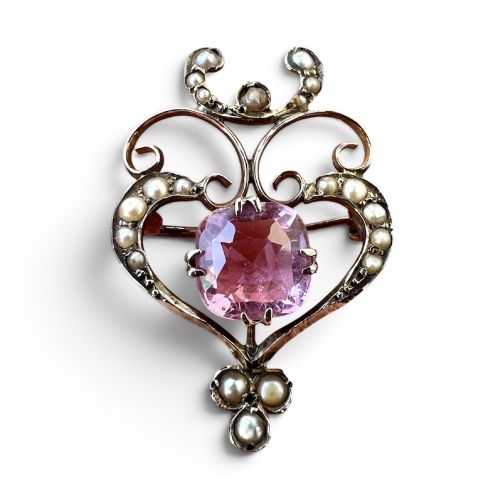
Makers integrated materials such as platinum, 9ct gold, and silver gilt to support gemstones including diamonds, amethysts, turquoise, and tourmaline. Enamel work and butterfly wings also appear, fused or set inside the fine metal framework.
What varies in quality
Quality in this work rests on the precision and weight of the wirework, alongside the integrity of the soldering joints. Finer pieces display crisp, uniform scrolls with minimal excess solder, whereas simpler items show thicker gauge wire and heavier construction.
The choice of accompanying stones and secondary materials also dictates the tier of the piece. Fine diamonds, clean enamels, and heavy gold or platinum settings elevate items far above standard silver gilt and base metal variations.
Marius Hammer·Mikimoto
The Antique Filigree Jewellery Glossary
- Filigree
- Ornamental work consisting of fine wire, usually of gold or silver, formed into delicate tracery. It creates an open, lace-like pattern across brooches and pendants.
- Lavalier
- A pendant necklace featuring a central drop stone or ornament suspended from a smaller component. This style gained popularity during the Edwardian period.
- Silver Gilt
- Silver that has been plated with a thin layer of gold. It provides the warm tone of gold while utilising a silver base.
- Guilloche
- An ornamental technique in which a very precise, intricate repeating pattern is mechanically engraved into a metal surface. Enamel is often layered over this engraving.
- Seed Pearl
- Very small natural or cultured pearls used historically in clusters or borders around larger gems. They add a soft lustre to Edwardian and Victorian pieces.
Antique Filigree Jewellery: Frequently Asked Questions
How do I clean antique filigree jewellery safely?
Clean these delicate pieces using a soft-bristled brush and mild soapy water, taking care not to bend the fine metal wires. Avoid harsh chemical dips, particularly if the item contains soft stones or enamel.
Pat the piece completely dry with a soft cloth after rinsing. Store it flat in a lined box to prevent the intricate wirework from catching on other items.
Can I wear antique filigree jewellery every day?
Daily wear is possible for sturdier gold or platinum pieces, but delicate silver wirework requires caution. Rings and bracelets face constant friction and impact, which can distort the openwork design.
Reserve lighter Edwardian necklaces and silver brooches for occasional outings. Removing them before sleeping or physical work preserves the fragile solder joints.
How do I date antique filigree items?
Dating relies on the combination of metal types, gemstone cuts, and stylistic clues. Edwardian pieces often feature platinum and old cut diamonds with lace-like wire, while 1930s examples lean towards geometric motifs or colourful enamel.
Maker marks and hallmarks stamped on the clasps or reverse sides provide further chronological clues. Comparing the construction style to dated pieces in the same genre helps narrow the decade.
What is the difference between Edwardian and Art Deco filigree?
Edwardian filigree mimics lace and floral garlands, favouring platinum and white gold paired with diamonds and seed pearls. The aesthetic is light, feminine, and heavily detailed.
Art Deco filigree shifts towards symmetrical, streamlined geometric patterns with bolder gemstone contrasts. The metalwork becomes part of a rigid, architectural design rather than a flowing organic scroll.