



Victorian Silver Castors
Victorian silver castors are table vessels for sugar and spice that bring period character and genuine utility to any dining table.
Victorian Silver Castors
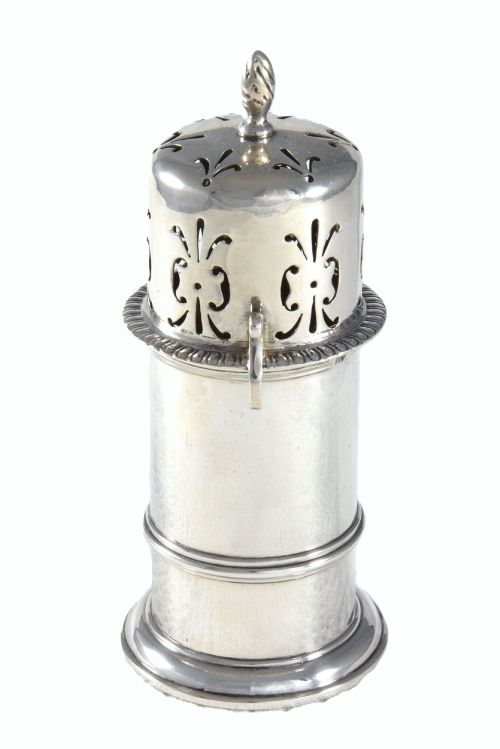
Victorian silver castors encompass sugar shakers and novelty pepper pots designed for the nineteenth-century table. When buyers search for victorian silver castors, they encounter functional tablewares ranging from tall sugar shakers to sculptural novelty spice containers.
The selections span the late nineteenth century and the Edwardian period, often appearing within larger cruet sets or as single novelty cruet pieces. Forms vary from straightforward sugar shakers to whimsical animal figures like owls and dogs.
Materials extend beyond solid metal to include silver plate, cranberry glass, and oak mounted with metal bands. Buyers will find both traditional shakers and multi-bottle cruet frames holding glass condiment vessels.
How they were made
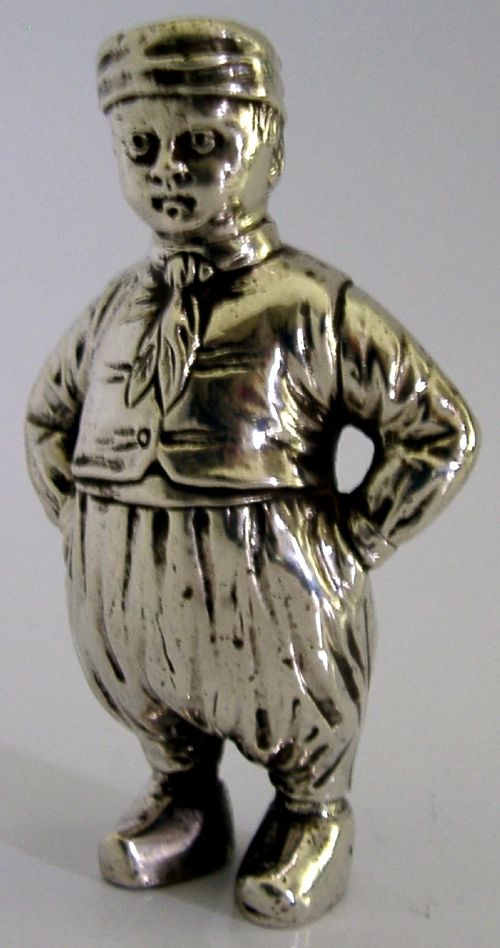
Silversmiths utilised sterling silver and solid silver alongside durable silver plate over base metals. Novelty pepper pots often involved detailed casting to shape animal figures such as owls and dogs with textured surface finishes.
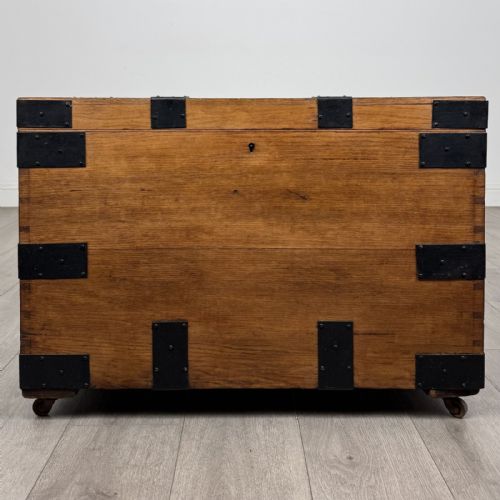
Makers combined metalwork with cut glass, cranberry glass, and vaseline glass for condiment bottles and preserve dishes. Oak and iron appeared in larger companion pieces like trunks, while gilt finishes highlighted specific silver components.
Victorian Silver Castors Retail Price Guide 2026
Typical asking prices for victorian silver castors among the pieces listed under this phrase on Sellingantiques today, from the lower quarter to the upper quarter. They describe what is for sale here now, not the wider market.
An owl peers across the dining table from inside a Victorian pepper pot.
What varies in quality
Quality rests in the crispness of the casting and the weight of the metal utilised in the body and piercing of the lid. Elaborate ornamentation and fine chasing distinguish superior examples from simpler production pieces.
The integrity of combined materials, such as undamaged glass inserts and secure metal mounts, separates standard domestic items from finer decorative pieces.
The Victorian Silver Castors Glossary
- Castor
- A small container with a perforated top used for sprinkling sugar or spices over food. These vessels sit upon the dining table for individual seasoning.
- Cruet set
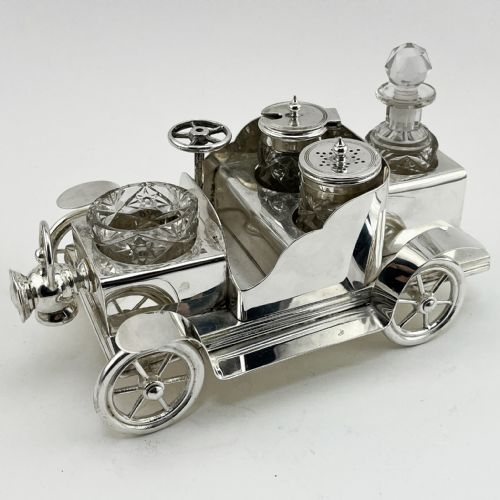
- A stand holding multiple bottles, cruets, or pots for condiments such as oil, vinegar, pepper, and mustard. These sets organise table seasonings within a single fitted frame.
- Silver gilt
- Silver covered with a thin layer of gold on its surface to provide a rich dual-tone appearance. This technique enhances decorative interior details.
- Novelty cruet
- A condiment container fashioned into a playful figurative shape such as an animal or vehicle. These pieces combine humour with practical dining use.
Victorian Silver Castors: Frequently Asked Questions
What is a Victorian silver castor?
A Victorian silver castor is a small tabletop vessel featuring a pierced lid designed for dispensing sugar or spices. These pieces date from the nineteenth and early twentieth centuries.
They served a practical role in domestic dining before passing into the realm of decorative antiques.
How were silver castors used?
Diners used them to shake fine sugar over fruit and desserts or to distribute spices during meals. They stood independently or within fitted cruet frames alongside other condiment bottles.
Their placement on the dining table added both refinement and functional convenience to formal meals.
What is a novelty pepper pot?
A novelty pepper pot is a condiment shaker formed into a whimsical shape like an animal or a carriage. These decorative items bring humour to the dining table.
Victorian makers produced these inventive designs alongside traditional tableware forms.