






Victorian Silver Bird
These pieces of victorian silver bird bring ornithological character to the desk, dressing table and dining room through the mediums of sterling silver, glass and ceramics.
Victorian Silver Bird
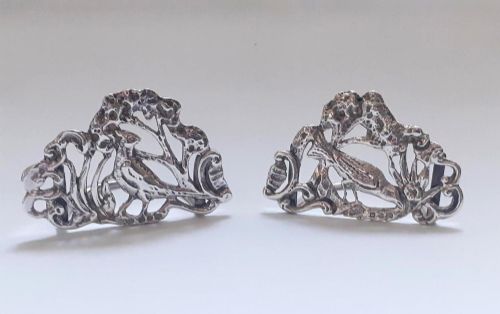
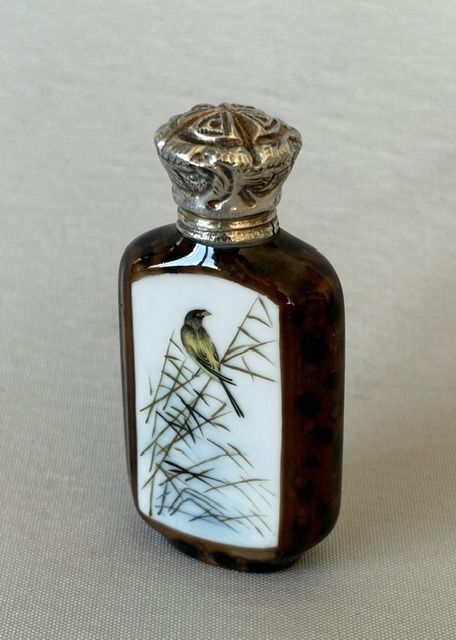
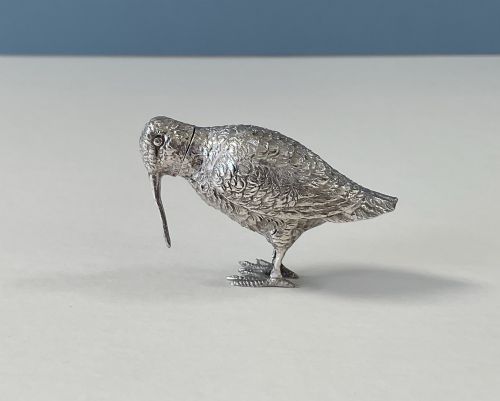
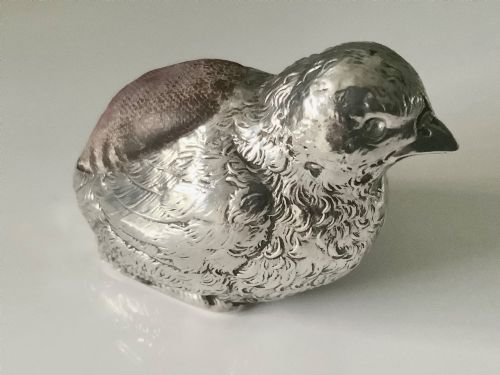
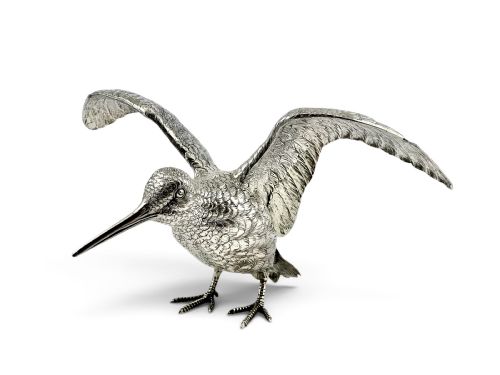
A search for victorian silver bird reveals a diverse array of decorative and functional objects spanning the Victorian and Edwardian eras. Buyers encounter novelty pin cushions, salt and pepper pots modelled as chicks or owls, scent bottles, and figural ornaments depicting pheasants, grouse, and woodcocks.
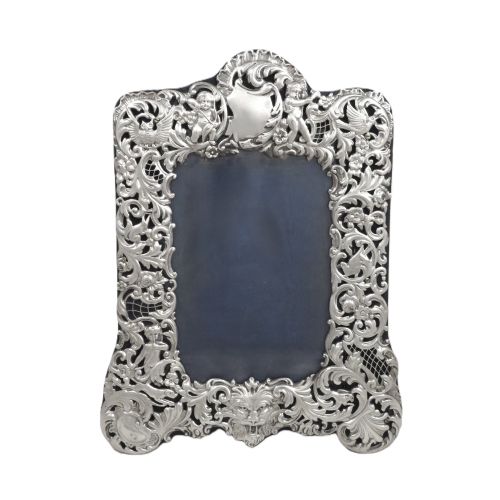
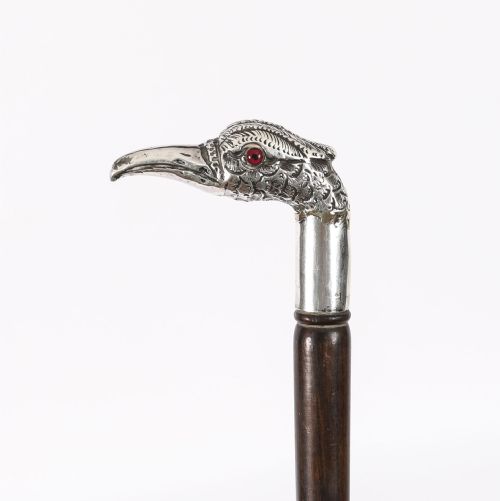
The objects take many forms, from card holders and pill boxes to walking stick canes, brooches, and desk accessories. Pieces frequently incorporate avian motifs through repoussé work, enamel painting, and detailed casting.
Most items originate from British workshops in the nineteenth century, alongside continental European pieces and occasional Edwardian examples. The selection ranges from small personal items like lockets and earrings to larger tablewares and desk clips.
Materials and Construction
Items are constructed primarily from sterling silver and silver plate, often combined with glass, ceramic, wood, velvet, and fabric. Many sculptural pieces utilise heavy casting to render feathers and anatomical details with precision.
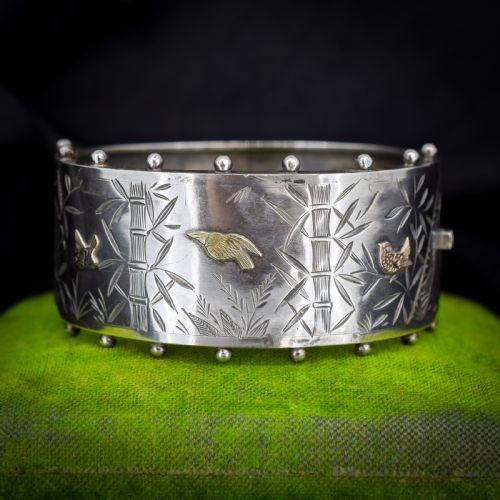
Surface decoration involves repoussé work, piercing, and enamel painting to depict birds such as swallows, doves, and parrots. Gold, diamonds, rubies, turquoises, and pearls appear on jewellery items alongside silver settings.
Victorian Silver Bird Retail Price Guide 2026
Typical asking prices for victorian silver bird among the pieces listed under this phrase on Sellingantiques today, from the lower quarter to the upper quarter. They describe what is for sale here now, not the wider market.
Object forms range from sculptural figures of chicks and grouse to scent bottles, brooches, and tea caddies.
Assessing Quality and Execution
Quality rests upon the crispness of the casting and the sensitivity of the hand-chased feather work. Superior examples display anatomical accuracy and naturalistic postures, whereas lesser pieces exhibit softer detail and generalized form.
The integration of materials also determines merit, such as the quality of the cut glass in decanters, the glaze on ceramic bodies, and the preservation of enamel work. Maker marks and clear hallmarks contribute significantly to the standing of an object.
Sampson Mordan·MacIntyre
The Victorian Silver Bird Glossary
- Repoussé
- A metalworking technique where the silver is hammered from the reverse side to form a raised design in relief on the front. This method creates the textured bird and floral decoration seen on bowls and boxes.
- Novelty silver
- Functional items such as pin cushions, scent bottles, and pepper pots shaped into amusing or unusual figures. These pieces combine practicality with sculptural whimsy.
- Hallmark
- Official stamps struck into precious metals to indicate the standard of silver, the assay office, and the date of manufacture. These marks provide definitive historical context for Victorian objects.
- Pin cushion
- A small domestic accessory designed to hold sewing pins, frequently modelled as animals or birds during the Victorian and Edwardian periods. They often combine silver bases with velvet or fabric inserts.
- Aesthetic Movement
- A late nineteenth-century design style emphasising visual beauty over narrative or moral content. Items from this movement often feature stylized natural motifs including birds and flora.
Victorian Silver Bird: Frequently Asked Questions
What birds are most commonly depicted?
Makers modelled a wide variety of birds, with owls, pheasants, chicks, and swallows appearing frequently across different object types.
Game birds and songbirds also appear on card holders, brooches, and pepper pots from the nineteenth century.
How were silver bird pepper pots used?
These figural pepperettes stood on dining tables to dispense seasoning from perforations concealed in the head or body.
Owners filled the hollow silver figures by removing a base plug.
Are these pieces marked with hallmarks?
British sterling silver items generally carry standard assay office marks, maker marks, and date letters corresponding to the Victorian or Edwardian period.
Continental pieces and silver plate often feature alternative stamps or maker signatures.
How should antique silver and glass be cleaned?
Silver requires gentle polishing with a soft cloth and a reputable silver cleaner to preserve chased details and hallmarks without removing material.
Glass components should be washed separately in warm soapy water, avoiding harsh abrasives.