

Victorian Silver Albert
A victorian silver albert is a substantial chain designed to secure a pocket watch, prized today for its heavy links and utility as a necklace or bracelet.
Victorian Silver Albert
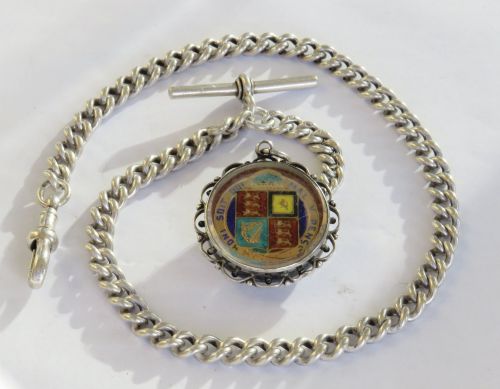
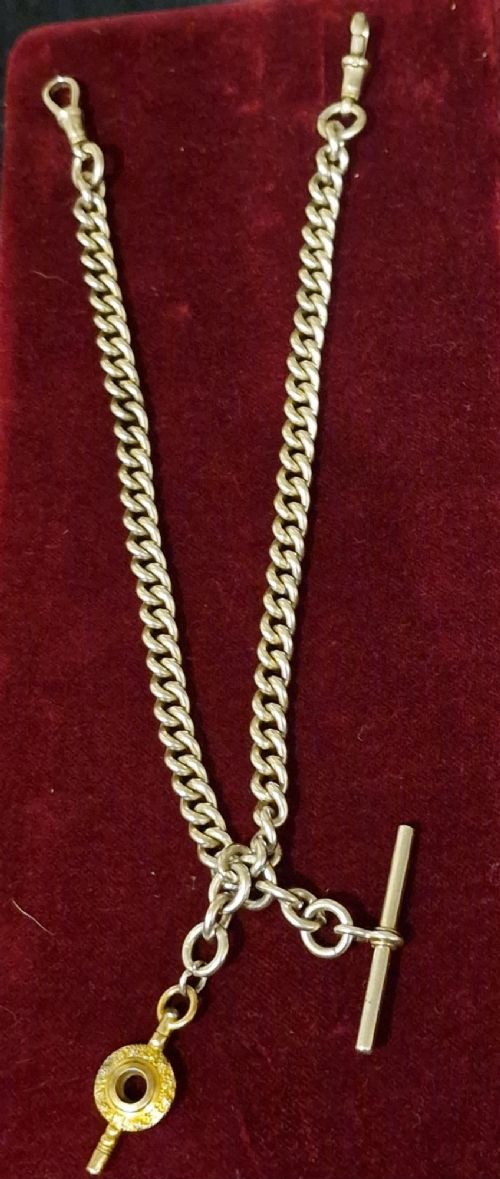
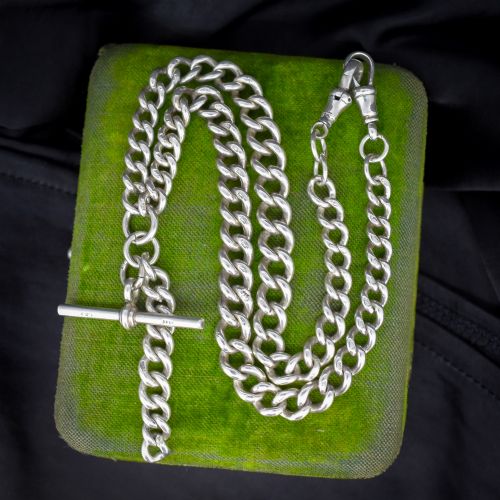
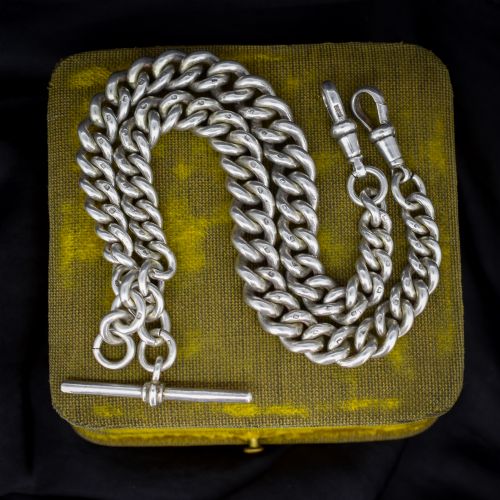
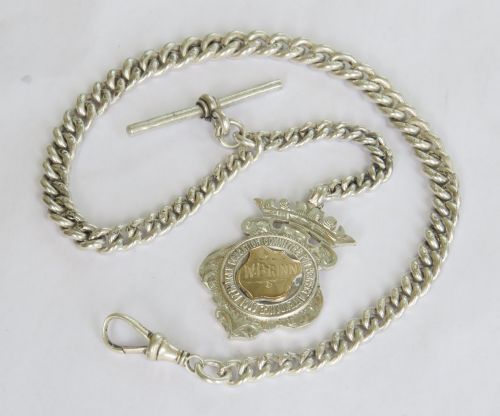
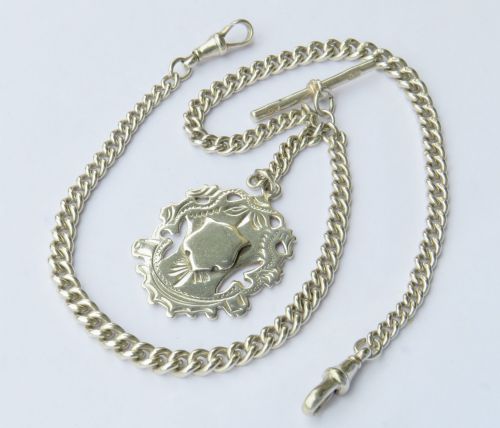
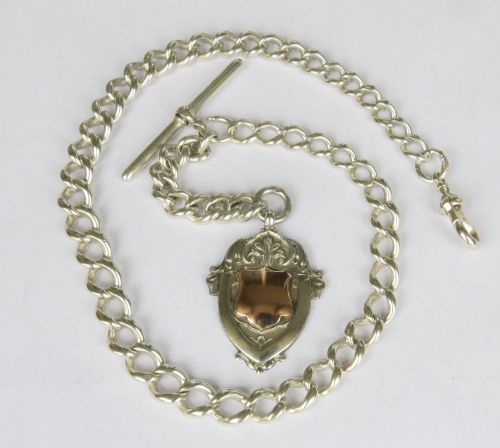
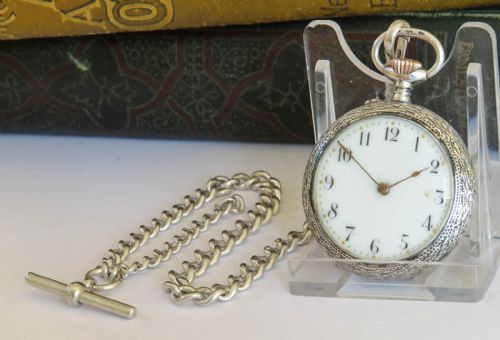
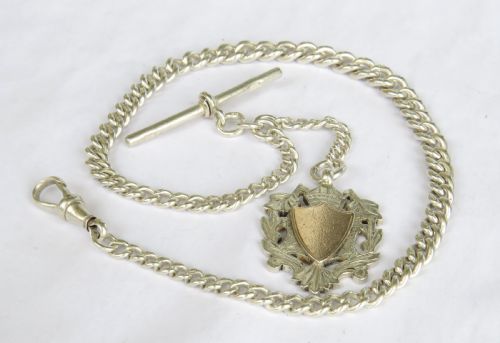
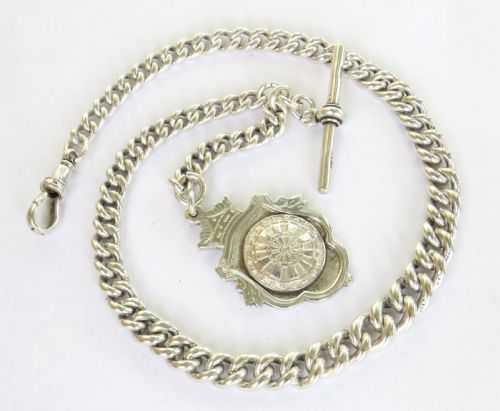
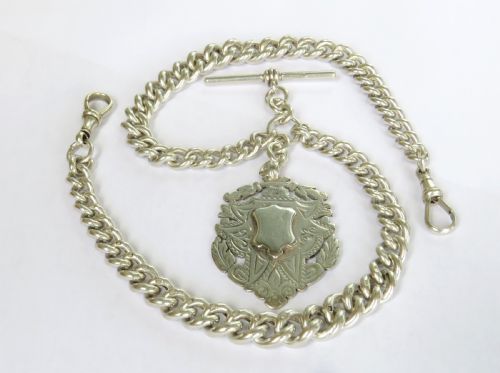
When you search for a victorian silver albert, you encounter sturdy watch chains originally worn across a waistcoat. These pieces span the late nineteenth century into the early decades of the twentieth century, encompassing single and double strand configurations.
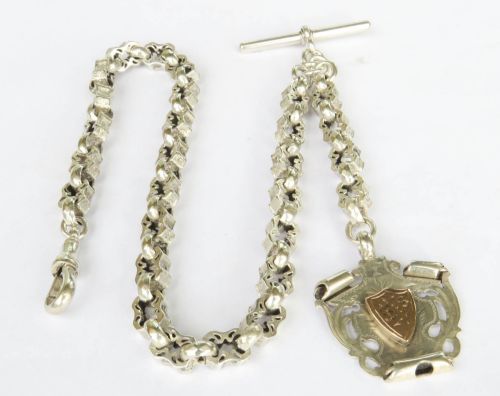
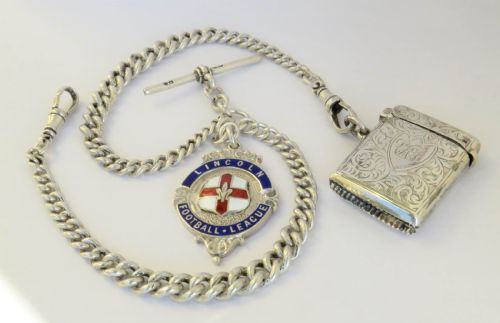
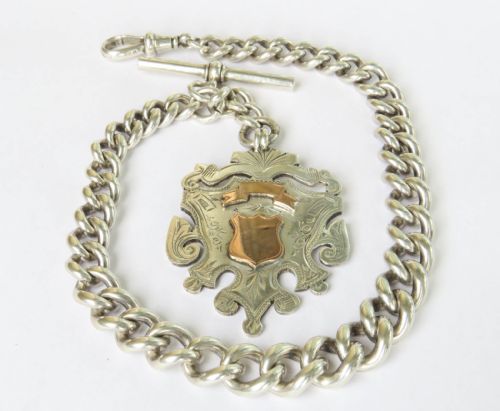
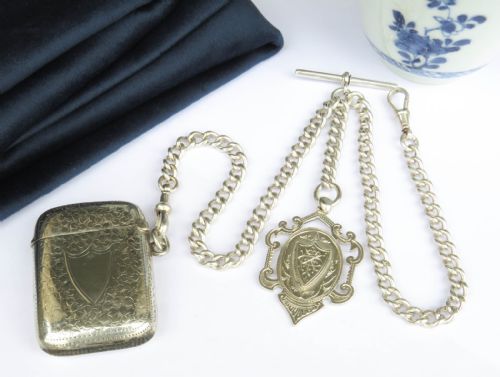
You are most likely to meet graduated curb links or fancy link variations fitted with dog clips and T-bars. Many examples are accompanied by vestas, fobs, or keys that complete the traditional ensemble.
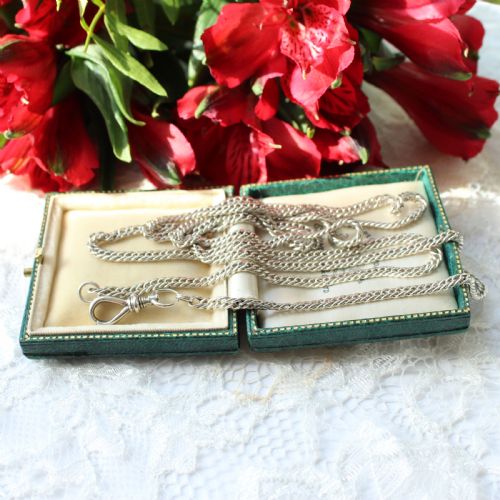
Beyond standard pocket watch chains, the selection includes pieces adapted into bracelets or necklaces. These alternate forms retain the robust fastenings and distinctive metalwork of the original period.
How they were made
Makers fashioned these chains primarily from sterling silver, shaping individual links by hand or utilising early mechanical stamping for uniformity. Gold accents, rose gold components, and enamel were occasionally introduced to highlight specific links or decorative fobs.
Construction relied upon secure jump rings, swivel dog clips, and solid T-bars designed to withstand daily wear. Glass and brass elements appear in associated fobs and matchsafes paired with the silver chains.
Victorian Silver Albert Retail Price Guide 2026
Typical asking prices for victorian silver albert among the pieces listed under this phrase on Sellingantiques today, from the lower quarter to the upper quarter. They describe what is for sale here now, not the wider market.
Some chains conceal miniature secret compartments inside their fobs, originally intended to hold a lock of hair or a tiny portrait.
What varies in quality
The weight of the silver and the complexity of the link design determine the standing of an albert chain. Heavy, uniform links with crisp hallmarks display superior manufacture compared to lighter, hollow alternatives.
The presence of original matching components such as engraved vestas, swivel fobs, and functional dog clips elevates the integrity of the piece. Subtle variations in link patterning, from simple curbs to intricate trombone patterns, distinguish standard production from finer work.
The Victorian Silver Albert Glossary
- T-bar
- A transverse bar attached to the centre of the chain, designed to slip through a waistcoat buttonhole to secure the watch. This component anchors the chain during movement.
- Dog clip
- A spring-loaded swivel fastening used to attach a pocket watch or fob securely to the chain. It allows the attached item to rotate freely without twisting the links.
- Vesta
- A small pocket-sized box used for holding matches, frequently found paired with albert chains. These cases often feature elaborate engraved decoration.
- Fob
- An ornamental pendant attached to the chain, sometimes incorporating bloodstone or other hardstones. They frequently doubled as wax seals or miniature lockets.
- Graduated
- Describing a chain where the links decrease in size progressively from the centre T-bar outwards. This traditional proportion balanced the weight across a waistcoat.
Victorian Silver Albert: Frequently Asked Questions
How do I wear a pocket watch chain?
You thread the T-bar through a buttonhole on your waistcoat and drop the watch into the pocket opposite. The chain drapes across the front in a single or double loop depending on its length.
Alternatively, many people remove the T-bar and wear shorter chains around the neck or wrap them around the wrist as a bracelet.
Can I wear these chains as a necklace?
Many people adapt these chains to be worn around the neck by fastening the dog clip directly to a link or an end ring. The substantial weight and length make them suitable for this purpose.
Checking the overall length ensures the chain sits comfortably at your preferred collar level.
How do I identify the period of a silver chain?
Makers and assay offices stamped sterling silver components with hallmark symbols that indicate the year of manufacture. Examining the small stamps on the individual links and T-bar reveals the city of origin and date letter.
Stylistic cues such as trombone links or engraved floral fobs also point toward specific decades within the nineteenth and early twentieth centuries.