



Victorian Silhouette Picture
These Victorian silhouette picture works offer a direct window into nineteenth-century life through crisp paper profiles.
Victorian Silhouette Picture
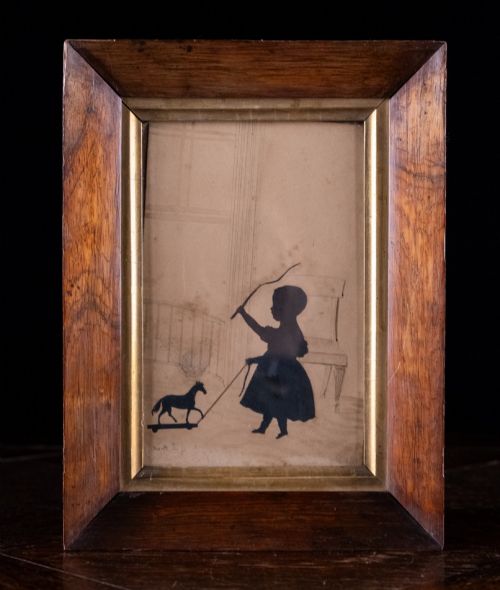
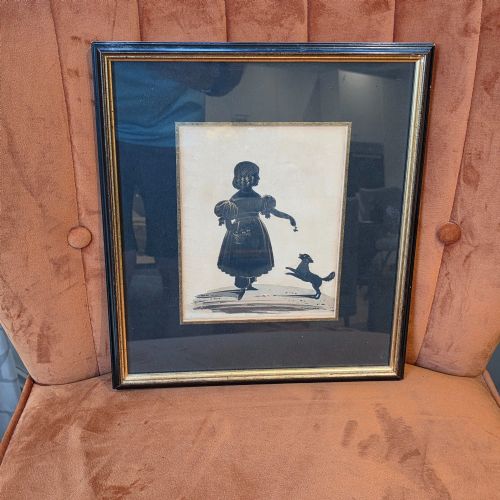
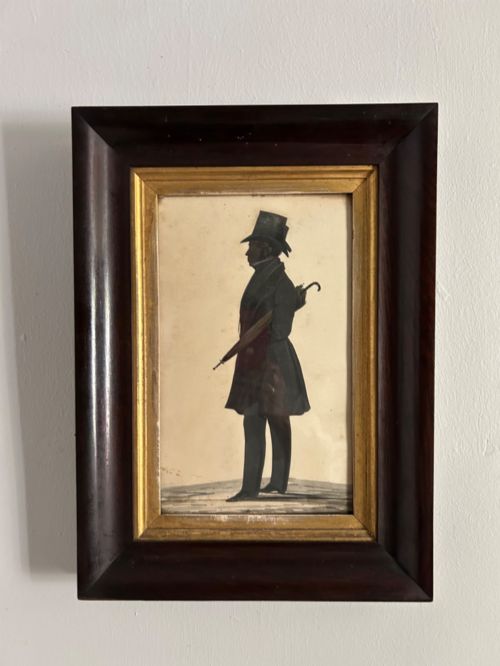
A victorian silhouette picture captures profiles and figures of people and animals framed for display on a wall. The pieces on this page span the nineteenth century, including specific dates such as 1860 and 1880.
Forms range from simple portrait cutouts of ladies and gentlemen to complex conversation pieces showing families or dancing figures. Equestrian scenes and children with horses also appear among the framed artworks.
Makers and galleries such as the Hubard Gallery and Augustin Edouart shape the origin of these historical portrait items. Works appear as cut paper, collage, watercolor additions, and reverse glass paintings.
How victorian silhouette picture pieces were made
Artists utilised paper, ink, and cut paper techniques to form the dark profile portraits against light backgrounds. Some examples incorporate collage work and watercolor details alongside the primary cut forms.
Reverse glass painting techniques create another variation where the scene is applied directly to glass. Framing typically involves wood, ebonised wood, brass, and gilt elements, often incorporating gold leaf highlights.
Victorian Silhouette Picture Retail Price Guide 2026
Typical asking prices for victorian silhouette picture among the pieces listed under this phrase on Sellingantiques today, from the lower quarter to the upper quarter. They describe what is for sale here now, not the wider market.
Dogs and horses share the frame with humans, proving that nineteenth-century artists understood pets were essential family members too.
What varies in quality
The sophistication of the cutting and the complexity of the composition separate basic profile portraits from elaborate conversation pieces. Multi-figure groupings involving people and animals demand higher skill than single head-and-shoulders cuts.
The choice of framing materials, such as ebonised wood with gilt or brass accents, influences the overall presentation. Associated studio marks or gallery attributions add historical weight to individual pieces.
Hubard Gallery London·William James Hubard·Augustin Edouart·Royal Victoria Gallery
The Victorian Silhouette Picture Glossary
- Silhouette
- A portrait or scene represented as a solid shape of a single colour, usually black, showing the profile of the subject.
- Conversation piece
- An informal group portrait showing people interacting in a domestic or social setting.
- Ebonised wood
- Timber treated to resemble dense, black ebony wood, commonly used for dark picture frames.
- Reverse glass painting
- An art technique where the image is painted on the reverse side of a piece of glass to be viewed from the front.
- Gold leaf
- Gold beaten into extremely thin sheets, utilised for gilding frames and highlighting details.
Victorian Silhouette Picture: Frequently Asked Questions
What is a silhouette picture?
A silhouette picture is a framed artwork featuring a profile portrait or scene cut from paper or painted onto a surface. These pieces record the likenesses of individuals and groups from the nineteenth century.
Most examples use black paper or ink against a pale background and are housed in wooden or ebonised frames.
How were these pictures displayed?
These artworks were designed for interior wall display in domestic settings. They were traditionally hung in parlours or drawing rooms alongside other family portraits.
The protective frames often feature glass fronts to preserve the delicate paper cutouts and watercolour details within.
What subjects appear in these works?
Subjects range from single portraits of ladies and gentlemen to complex family groups and children with animals. Some pieces depict specific activities, such as equestrian scenes and dancing figures.
The inventory also includes specialised subjects like jockeys and conversation pieces involving multiple people.
How do I identify the period?
Nineteenth-century pieces often display specific framing styles, such as ebonised wood or gilt brass mounts. Handwritten notes on the reverse or attributed gallery stamps provide further chronological clues.
The clothing styles and hairstyles of the figures depicted also help narrow down the date of creation.