







Victorian Shop Display Case
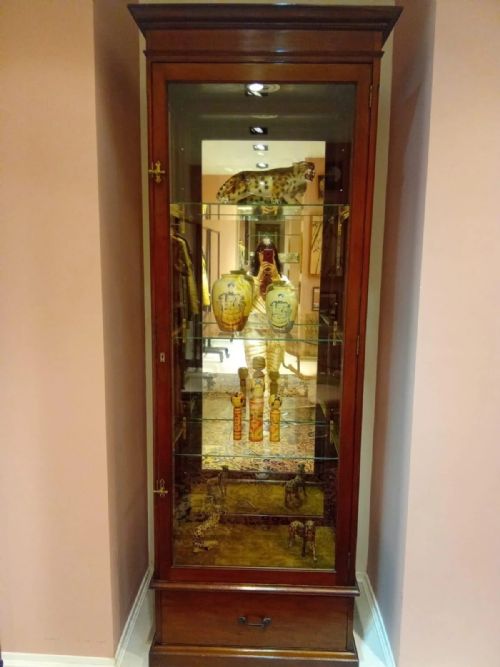
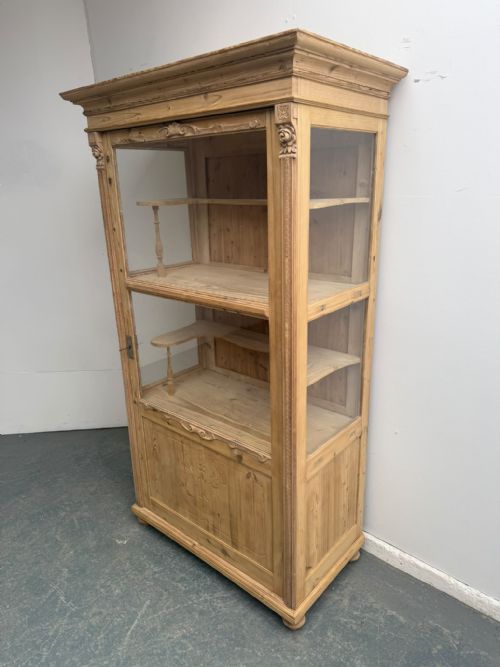
A victorian shop display case brings commercial history indoors, offering glazed timber framing designed to showcase period goods with absolute clarity.
Victorian Shop Display Case
A victorian shop display case serves as a commercial artefact designed for countertop or floor presentation in retail premises. These pieces originate from the nineteenth and early twentieth centuries, spanning periods from the 1850s to the 1930s.
Materials and Construction
Construction relies heavily on solid timber frameworks paired with large expanses of glass for maximum visibility. Mahogany, oak, pine, walnut, and hardwood provide the structural integrity required for heavy commercial use.
Internal elements incorporate brass hardware, adjustable glass shelving, and mirrored backs to reflect light through the enclosed space. Ormolu mounts and gold leaf detailing appear on select high-status retail pieces.
Victorian Shop Display Case Retail Price Guide 2026
Typical asking prices for victorian shop display case among the pieces listed under this phrase on Sellingantiques today, from the lower quarter to the upper quarter. They describe what is for sale here now, not the wider market.
Several cabinets retain hand-painted chocolate advertisements, proving that nineteenth-century shopkeepers understood the power of sweet-toothed temptation just as well as modern retailers.
Assessing Quality
Quality rests in the precision of the timber joinery and the proportion of the glazed framing. Superior examples utilise solid hardwoods with finely moulded cornices and robust, original hardware.
The presence of authentic period sign-writing for recognizable commercial brands elevates a piece above standard utility furniture. Original glass panels and intact internal mirrors further distinguish better examples.
Mackenzie's Biscuits·John Stow Ltd·Ermen & Roby·Fry's Chocolate·Cadbury's Cocoa·Carr & Co's Biscuits
The Victorian Shop Display Case Glossary
- Vitrine
- A glass-fronted cabinet or case specifically designed for displaying fine objects or retail merchandise. These enclosures protect contents from dust while maintaining a clear view from multiple angles.
- Haberdashery cabinet
- A specialised multi-drawer or glazed retail unit originally utilised for storing and selling sewing accessories, cottons, and small textiles. They frequently feature shallow drawers with glass fronts.
- Countertop cabinet
- A compact showcase built to sit atop a shop counter to encourage point-of-sale purchases. These smaller units allow customers to inspect high-value goods close at hand.
- Sign-written
- Painted commercial lettering applied directly to glass or timber surfaces for brand advertising. These inscriptions identify original confectioners, chemists, and grocers who utilised the display cases.
Victorian Shop Display Case: Frequently Asked Questions
What were these cases used for?
These cases served inside nineteenth-century retail environments to protect merchandise while enticing customers. Merchants utilised them on counters and shop floors to display biscuits, chocolates, cottons, and apothecary goods.
The glazing kept perishable or delicate stock clean from dust and handling. Brand advertising painted directly onto the glass turned utilitarian storage into point-of-sale promotion.
How do I date a shop display case?
Dating relies on timber selection, construction techniques, and stylistic clues inherent to the period of manufacture. Earlier nineteenth-century examples often feature hand-cut dovetails and dense mahogany timbers, while Edwardian pieces incorporate lighter oak frames.
Commercial branding and sign-writing styles provide a reliable chronological anchor. Surviving trade labels or stamps from cabinet makers further narrow down the decade of production.
Are the glass shelves original?
Many surviving cabinets retain their heavy, polished-edge glass shelving supported by adjustable brass ratchets. Replacement glass appears frequently due to the fragile nature of commercial display furniture over a century of use.
Inspect the edges of the glass and the support brackets for signs of period wear. Older glass often exhibits subtle surface ripples and minor imperfections absent in modern replacements.
How do I integrate one into a modern interior?
A glazed commercial showcase provides practical storage and display space within contemporary domestic settings. Countertop models sit easily on sideboards, while floor-standing cabinets function well in kitchens, living rooms, or hallways.
Internal mirrored backs and glass panels amplify natural light within a room. Collectors utilise the shelving to exhibit ceramics, books, or personal collections behind secure lockable doors.