



Victorian Shell Tray
These victorian shell tray pieces bring natural marine form to the table in silver plate, ceramic, and mahogany.
Victorian Shell Tray
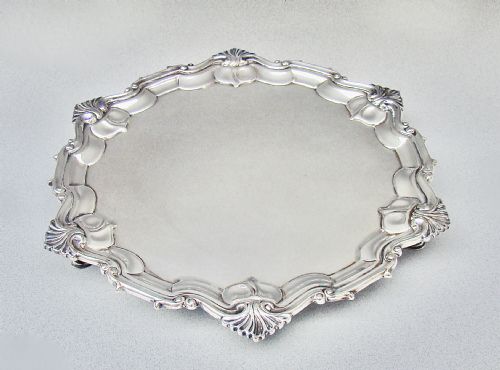
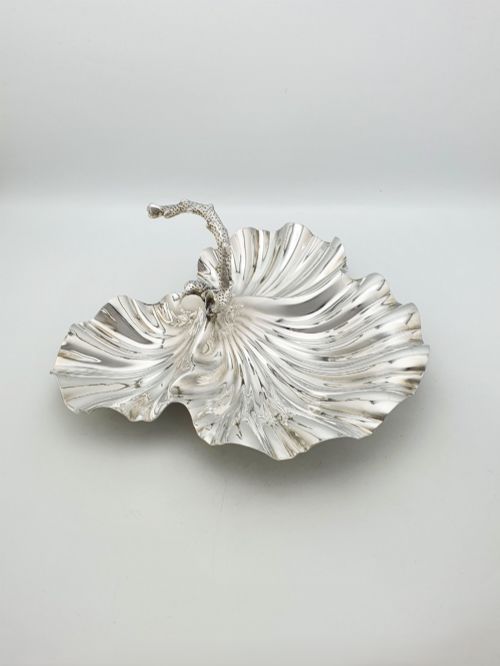
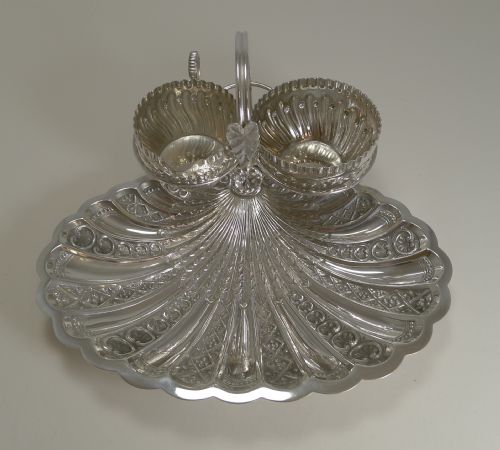
A victorian shell tray takes the natural form of scallop and other marine shells and translates it into serving pieces, decorative dishes, and salvers. You will most frequently meet silver plated examples from the later nineteenth century, often featuring stylised coral handles or resting on small feet.
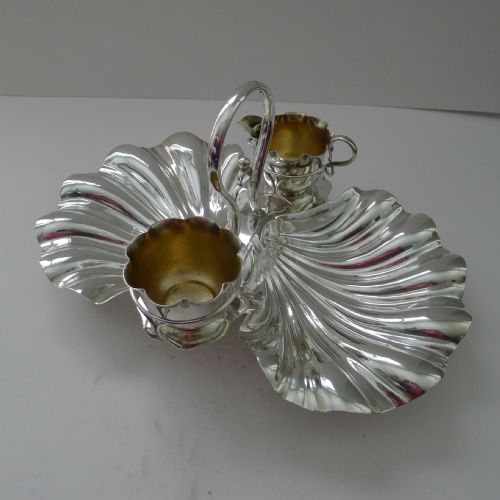
The form encompasses both functional serveware and decorative dishes designed for afternoon tea, strawberry sets, or cigar service. Materials range from electroplated nickel silver and solid silver to mahogany with inlay, porcelain, and opaline glass.
Origins span English workshops of the Victorian period alongside French makers and occasional Edwardian pieces. These objects combine the Victorian naturalism style with practical domestic utility.
Materials and methods
Silver plate and electroplated nickel silver form the backbone of these pieces, shaped over base metals and finished with gilt edges or gold wash. Skilled artisans hammered, cast, and chased the metal to mimic the ribs and curves of natural shells.
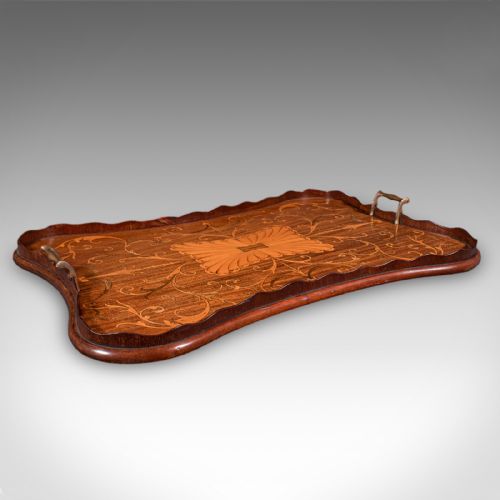
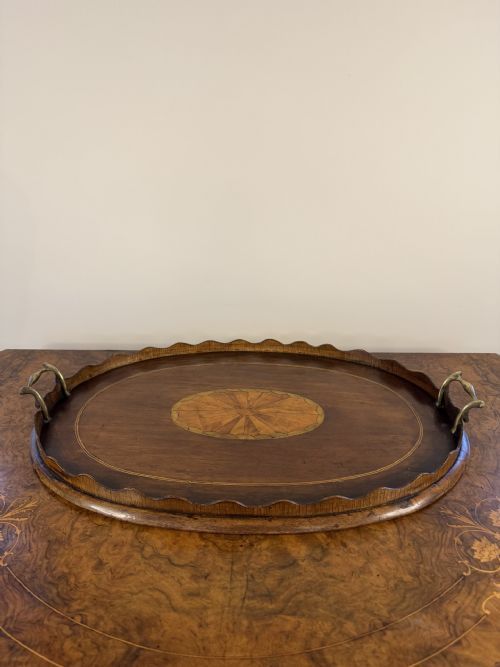
Cabinetmakers utilised mahogany and satinwood for wooden trays, incorporating delicate wood inlay for tea platters and butler's trays. Porcelain and opaline glass versions received hand-painted floral sprays and applied gold leaf accents.
Detailing such as coral-form handles and cast feet required specialist metalworking techniques associated with nineteenth-century revival styles like Victorian Rococo and French Napoleon III.
Materials represented include silver plate, solid silver, mahogany, satinwood, porcelain, opaline glass, and tortoiseshell.
Quality and execution
The distinction between standard domestic items and finer pieces rests in the crispness of the shell casting and the weight of the metal or timber. Superior items display meticulous attention to anatomical detail in the shell ribs and handles.
Makers known for exceptional silver work and porcelain production invested greater care in chased ornament, gilding, and the integration of decorative elements like tortoiseshell or inlaid wood.
Condition of the silver plate, the integrity of any wood inlay, and the preservation of hand-painted floral decoration on porcelain or glass heavily influence the standing of an individual piece.
William Hutton and Sons·Daniel Arter·Roberts and Belk·Royal Worcester·Charles Boyton
The Victorian Shell Tray Glossary
- Salver
- A flat tray used for serving food or drinks, usually made of silver or silver plate. These often stand on small feet.
- Electroplated Nickel Silver
- A process where a layer of silver is deposited onto a nickel silver base metal. This technique became widespread during the Victorian era for affordable domestic tableware.
- Opaline Glass
- An opaque or translucent art glass popular in nineteenth-century France. It often appears in soft pastel colours with gilt edging.
- Blush Ivory
- A ceramic finish developed by potteries to imitate the warm, creamy tone of real ivory. It serves as a background for hand-painted floral decoration.
- Victorian Naturalism
- A design movement celebrating organic forms from nature, including flora and fauna. Shell motifs form a core element of this decorative style.
Victorian Shell Tray: Frequently Asked Questions
What were shell trays used for?
These pieces served practical roles in nineteenth-century homes during afternoon tea, holding small items like strawberries or serving as calling card receivers. They also functioned as decorative dishes on sideboards and smoking tables.
Their dual nature allowed them to move easily between formal entertaining and private domestic use, adapting to whatever small items the household required them to hold.
How do I clean silver plated trays?
Silver plate requires gentle treatment with specialist silver polish and a soft cloth to avoid wearing through the thin silver layer to the base metal underneath. Frequent light dusting prevents tarnish from building up in the crevices of the shell design.
Harsh abrasive dips or scrubbing brushes should be avoided entirely, particularly on pieces with gilt highlights or delicate applied handles.
Are porcelain and glass versions fragile?
Opaline glass and ceramic pieces demand careful handling and secure placement away from table edges. The materials themselves are typical of nineteenth-century decorative arts but have thinner walls than heavy metal serveware.
Displaying them on stable surfaces ensures they remain safe from knocks while still showing off their hand-painted floral sprays and gilded edges.
How do I date a Victorian piece?
Dating relies on maker's marks, registry stamps, and stylistic cues such as the transition from heavy rococo revival forms to cleaner Edwardian lines. Silver plate often carries specific manufacturer hallmarks that narrow down the decade of production.
Materials like mahogany inlay and opaline glass also align with specific manufacturing periods recorded across nineteenth-century design history.