

Victorian Serving Plate
When searching for a victorian serving plate, collectors encounter a diverse range of silver plated trays, earthenware platters and porcelain dishes designed for nineteenth-century dining.
Victorian Serving Plate
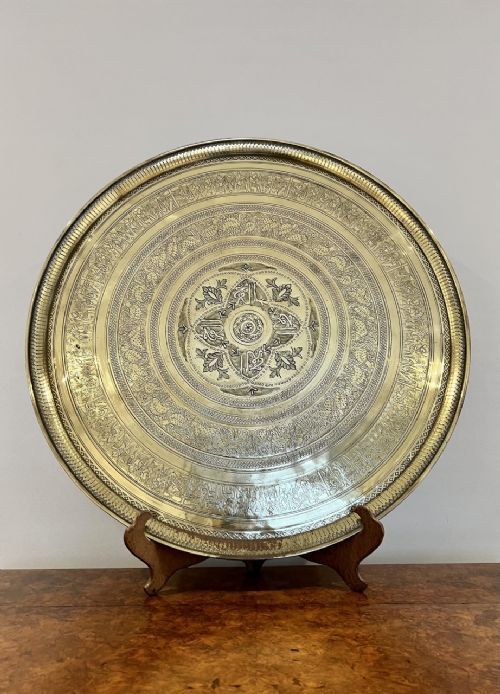
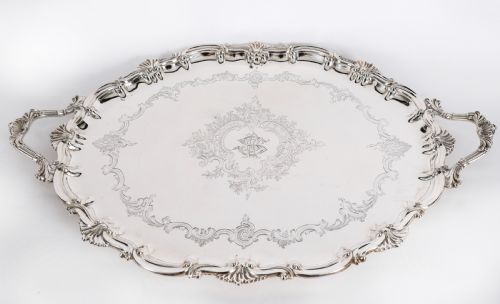
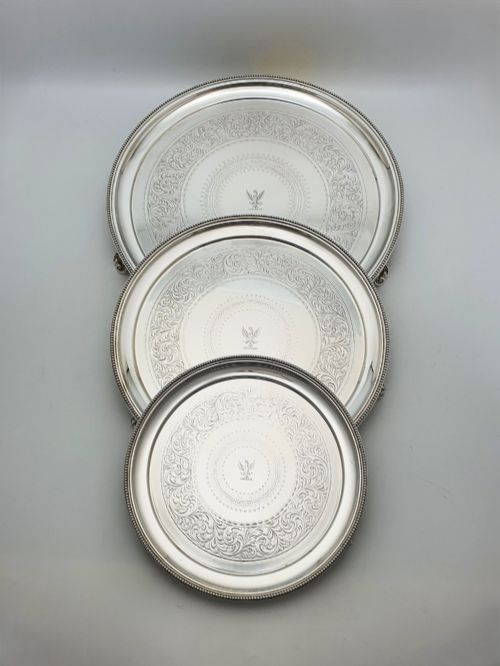
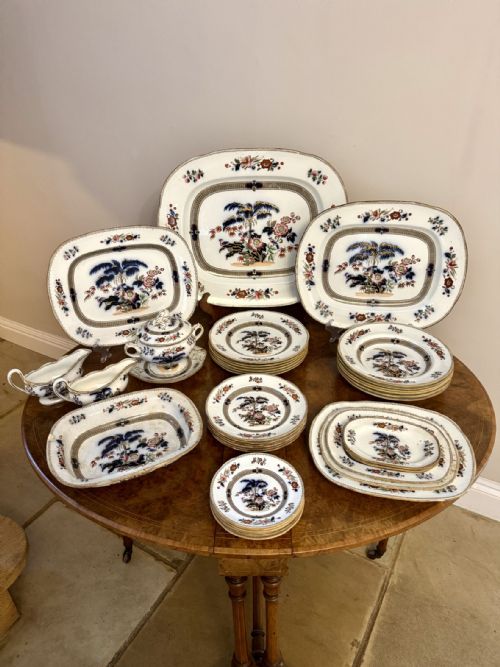
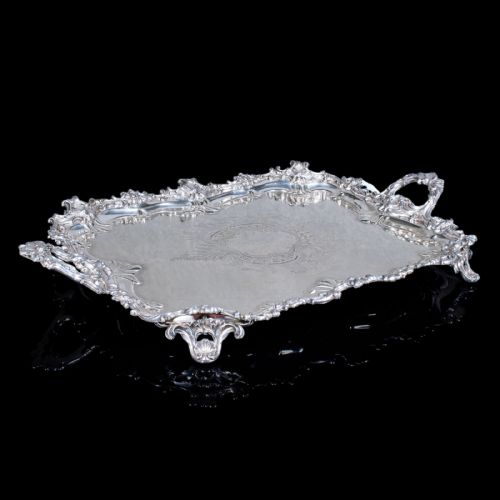
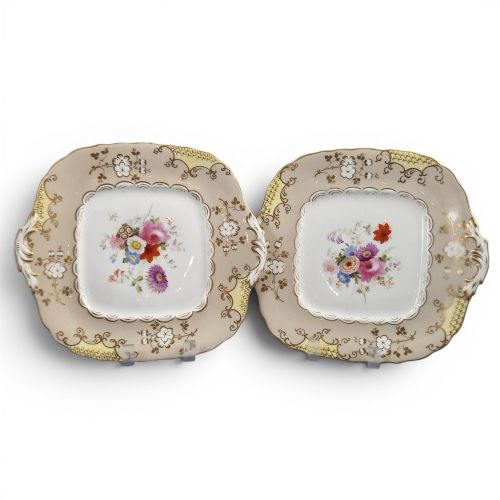
A victorian serving plate encompasses a broad variety of platters, salvers, trays, and ceramic dishes originating primarily from the nineteenth century and the Edwardian era. Buyers frequently encounter silver plated circular trays, large meat platters with blue and white transfer print, and porcelain dessert sets.
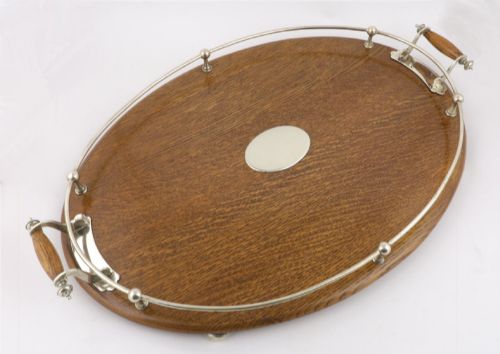
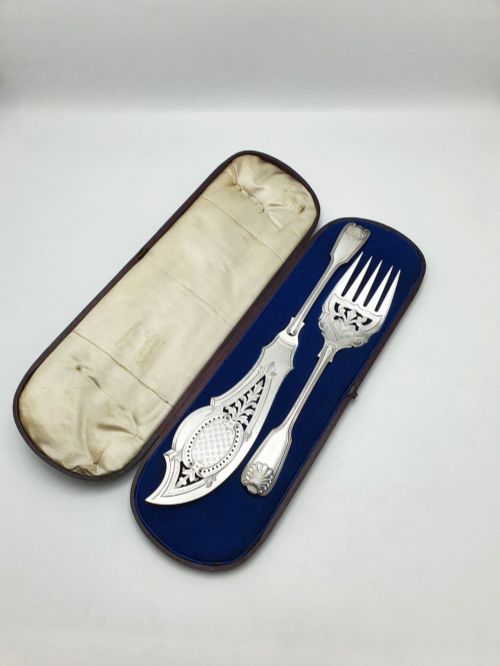
The objects span formal afternoon tea presentation pieces, large butler trays with handles, and specialised serveware such as fish servers, oyster dishes, and revolving butter tureens. Makers employed diverse regional styles, including Rococo Revival ornamentation and Aesthetic Movement designs, alongside Anglo-Indian motifs.
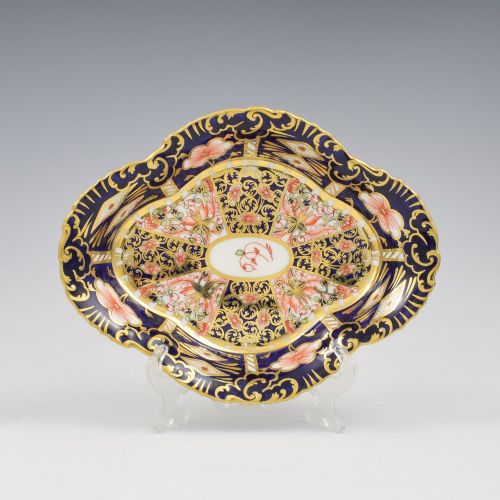
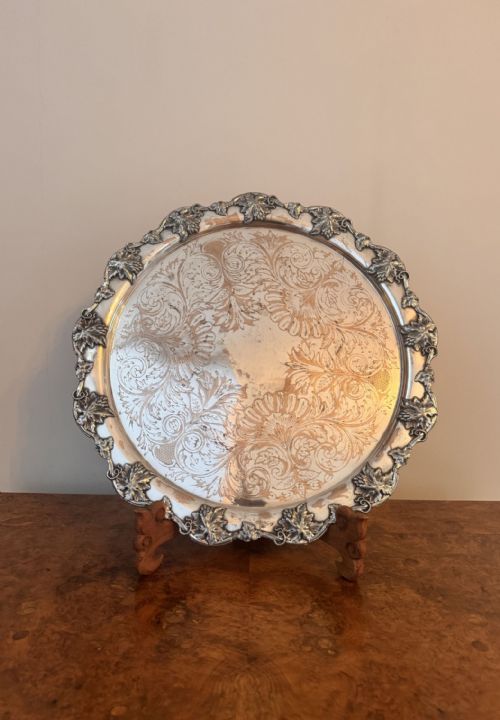
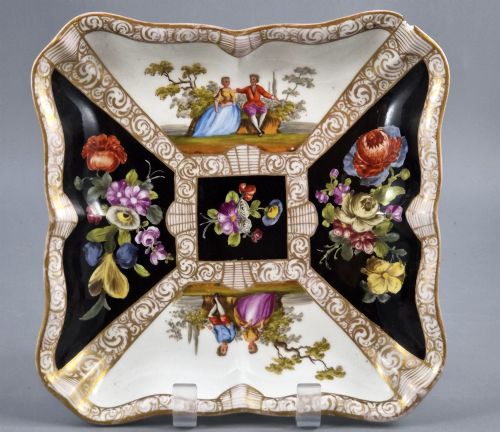
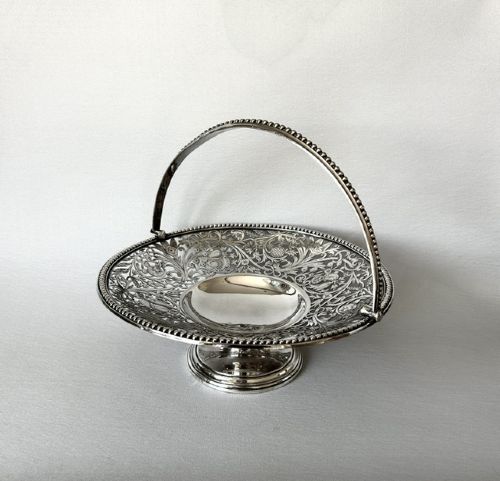
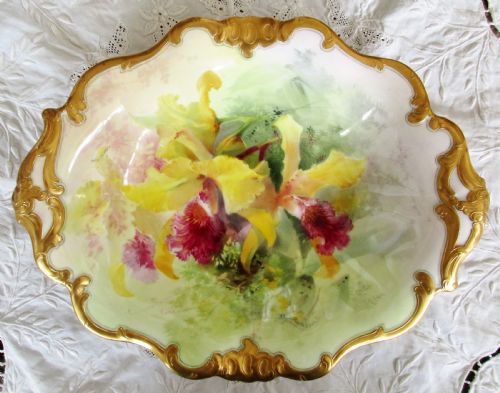
Ceramic examples range from earthenware game plates and majolica salad bowls to hand-painted porcelain cabinet dishes from factories like Coalport, Wedgwood, and Meissen. Silver plated items often feature engraved floral motifs, chased scrollwork, and gallery edges suited for grand dining tables.
Materials and Techniques
Silversmiths utilised electroplate nickel silver (EPNS) alongside traditional silver plating methods over base metals, frequently applying partial gilding to highlights such as spoons and fruit sets. Engraving, chasing, and embossed detailing transformed plain metal surfaces into intricate floral and foliate scenes.
Potters and ceramicists shaped earthenware and porcelain through moulding and throwing before applying transfer prints, hand-painted polychrome enamels, and rich glazes. Specialised items combined cut glass boat hulls with silver plated rope frames and oak mounts.
Listings feature items spanning the 1830s through to the Edwardian period, utilising silver plate, porcelain, earthenware, and glass.
Evaluating the Pieces
Quality rests in the crispness of the hand-engraved or chased decoration on silver plated surfaces, where deep, clean lines distinguish superior craftsmanship from shallow stamping. Maker marks from established firms indicate workshop standards and reliable plating thickness.
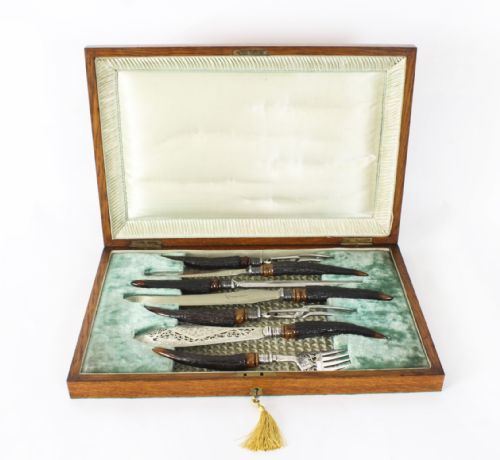
For ceramics, the precision of hand-painted transfer prints, vibrancy of enamel colours, and integrity of the glaze determine the calibre of a dish or dinner service. Matched sets and original fitted presentation boxes enhance the desirability of serving cutlery and fruit sets.
William Hutton & Sons·Thomas Bradbury & Sons·Elkington & Co·Wedgwood·Coalport·John Ridgway·Hukin & Heath·John Harrison·Walker & Hall·Lee & Wigfull·Roberts & Belk
The Victorian Serving Plate Glossary
- Silver Plate
- A thin layer of silver bonded to a base metal such as copper or nickel brass. This technique allowed nineteenth-century manufacturers to produce grand tableware at a lower cost than solid silver.
- EPNS
- Electroplated Nickel Silver. A common base metal composition for nineteenth-century serving ware that received an electrolytic coating of silver.
- Transfer Print
- A decoration method where a design is engraved on a copper plate, inked, transferred to tissue paper, and applied onto pottery before glazing. This technique enabled uniform blue and white patterns on large meat platters.
- Salver
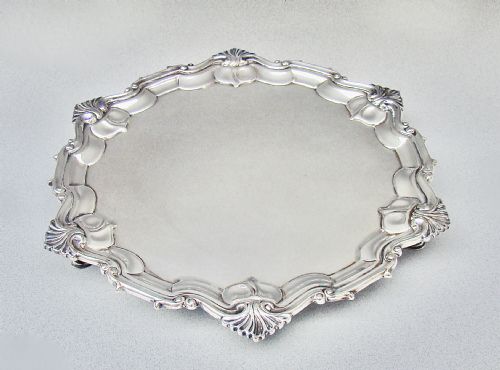
- A flat tray, typically manufactured in silver or silver plate, used for serving food or presenting items. They frequently feature footed bases and decorative engraved borders.
- Majolica
- A type of earthenware coated with an opaque tin-glaze and painted with brightly coloured metallic oxide glazes. It became popular in the nineteenth century for serving bowls and salad sets.
Victorian Serving Plate: Frequently Asked Questions
How were victorian serving plates used?
These pieces served functional roles during nineteenth-century dining, ranging from large meat platters for joints of poultry and game to specialised trays for afternoon tea, fruit, and oysters.
Hosts utilised silver plated salvers and revolving butter dishes to present courses at the table, while ceramic dessert sets and porcelain dishes held sweet courses.
What materials are common?
Silver plate and EPNS dominate the metal serveware, often enhanced with engraving, gilt highlights, and cut glass components.
Ceramic examples utilise earthenware, majolica glazes, and porcelain with hand-painted floral scenes or blue and white transfer prints.
How do I date a piece?
Dating relies on stylistic clues, registered design marks, and stamped hallmarks or maker names found on the reverse of ceramics or the underside of metal trays.
Nineteenth-century pieces frequently display specific aesthetic movements, Victorian registry lozenges, or Victorian and Edwardian manufacturing signatures.
How should I care for silver plated items?
Silver plated serving ware requires gentle cleaning with non-abrasive cloths and dedicated silver polish to preserve the underlying plating over the base metal.
Storing pieces in dry environments prevents tarnish accumulation and protects delicate applied elements like glass inserts or wooden handles.