




Victorian Secretary Bookcase
A victorian secretary bookcase combines a fitted writing drawer with upper display shelving, offering a practical dual-purpose cabinet for the home.
Victorian Secretary Bookcase
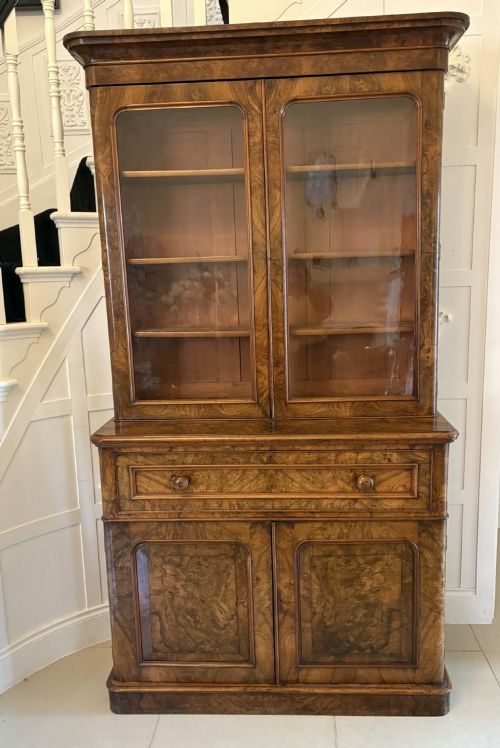
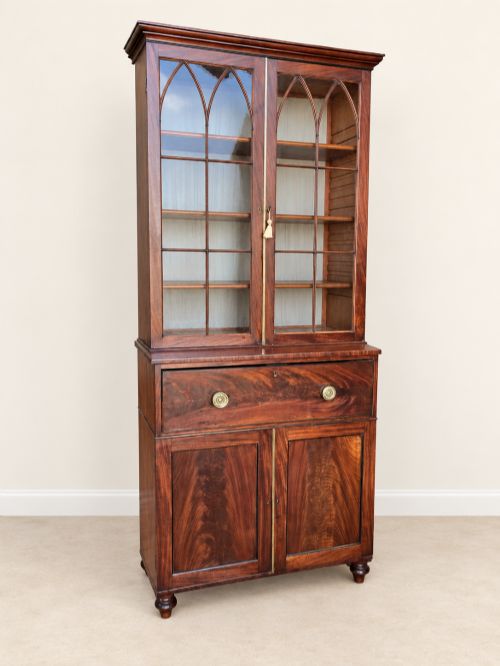
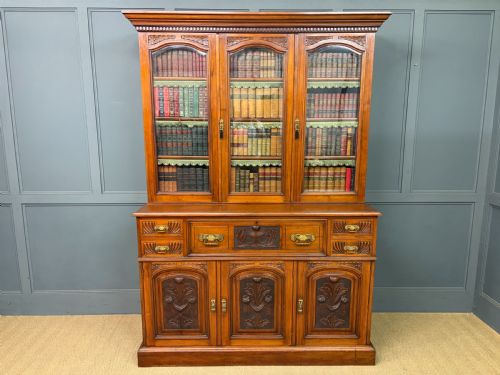
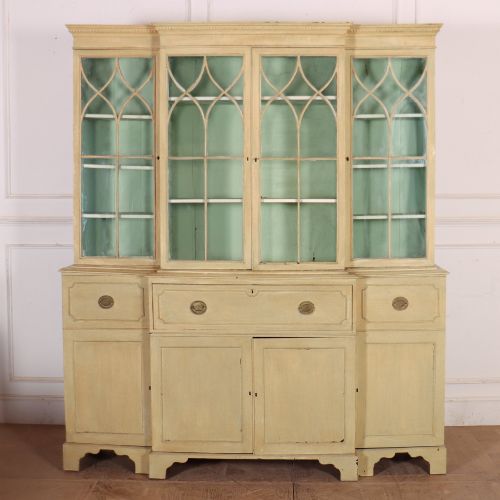
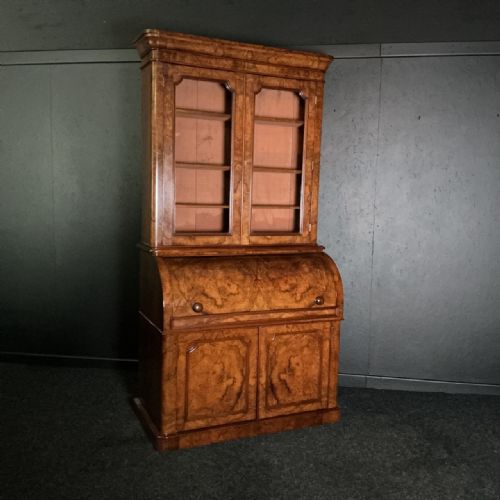
A victorian secretary bookcase is a substantial tall furniture piece designed for both storage and writing, uniting a glazed upper cabinet with a lower chest or bureau section. You will most frequently encounter nineteenth century examples in mahogany, walnut, and oak, often fitted with a drop-down writing flap or cylinder front.
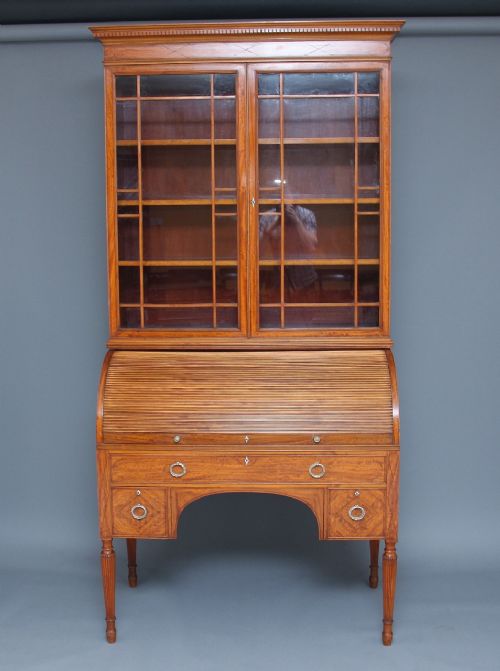
The form spans several distinct stylistic interpretations, including Victorian Gothic Revival, Arts and Crafts, and Regency influences. Bureau bookcases and cylinder bookcase variations appear alongside standard secretaire configurations, giving buyers a range of internal drawer layouts and desk mechanisms to consider.
How they were made
Cabinet makers utilised dense timber stocks such as mahogany, walnut, and pollard oak, frequently applying figured veneers like burr walnut and satinwood to prominent exterior surfaces. Brass hardware, including drop handles, escutcheons, and decorative panels, provides functional and visual contrast to the dark wood constructions.
Upper display sections feature glazed panel doors that protect library collections, while the lower writing compartments incorporate fitted pigeonholes, small drawers, and occasionally leather writing surfaces. Carved mouldings, inlay work, and cylinder roll top mechanisms demonstrate advanced nineteenth century woodworking techniques.
Listings feature woods including mahogany, walnut, burr walnut, oak, pollard oak, satinwood, and pine, paired with glass and brass.
What varies in quality
The selection of timber veneers and the intricacy of the internal fittings dictate the tier of a piece, with figured burr walnut and satinwood denoting superior cabinet work. Precision in the joinery of secret drawers, pigeonholes, and cylinder roll mechanisms separates standard utility furniture from finer workshop productions.
Carved decorative details, brass panel integration, and the overall balance of the glazed upper cabinet relative to the lower bureau influence the aesthetic standing of each piece.
Edwards & Roberts·Morris & Co·George W Jack·Harris Lebus
The Victorian Secretary Bookcase Glossary
- Secretaire
- A piece of furniture containing a drawer or compartment that pulls down to form a writing desk. This component conceals inner pigeonholes and small storage drawers.
- Cylinder bookcase
- A cabinet featuring a rounded rolling shutter that encloses the writing surface when closed. It combines a desk cylinder with an upper glazed bookshelf.
- Bureau bookcase
- A writing cabinet with a slanted drop-front flap positioned beneath a shelved upper bookcase. The flap rests upon pull-out supports when opened for writing.
- Pollard oak
- Timber taken from trees that have been pollarded, producing tightly clustered grain patterns and knots. Cabinet makers prized this wood for its distinctive decorative appearance.
Victorian Secretary Bookcase: Frequently Asked Questions
How do I use the secretaire drawer?
The front of the secretaire drawer pulls forward and hinges downward to form a flat writing surface supported by internal runners or desk arms.
Once lowered, the panel grants access to a stationary interior fitted with small drawers, compartments, and sometimes a central leather-lined writing pad.
Are the upper bookcases glazed?
Many examples feature glass panel doors set within wooden frames to display books while protecting them from dust.
The glazing bars create distinct geometric panes that reflect the particular cabinet style, from simple Victorian frames to elaborate Gothic Revival patterns.
What is the difference between a bureau and a cylinder bookcase?
A bureau bookcase utilises an angled flap that hinges downward to create a slanted writing desk. These function with simple wooden support ledges.
A cylinder bookcase employs a curved rolling wooden shutter that slides backward into the body of the cabinet to reveal the desk surface.
How do I fit one into a modern room?
These tall combination cabinets work well as focal points in studies, libraries, or living rooms, providing vertical storage that minimises floor footprint.
Ensure adequate clearance in front of the piece so the writing flap or cylinder mechanism can open fully without obstruction from other furniture.