


Victorian Seated Furniture
Victorian seated furniture encompasses a diverse selection of chairs, benches, and stools designed to bring period character and practical function into modern interiors.
Victorian Seated Furniture
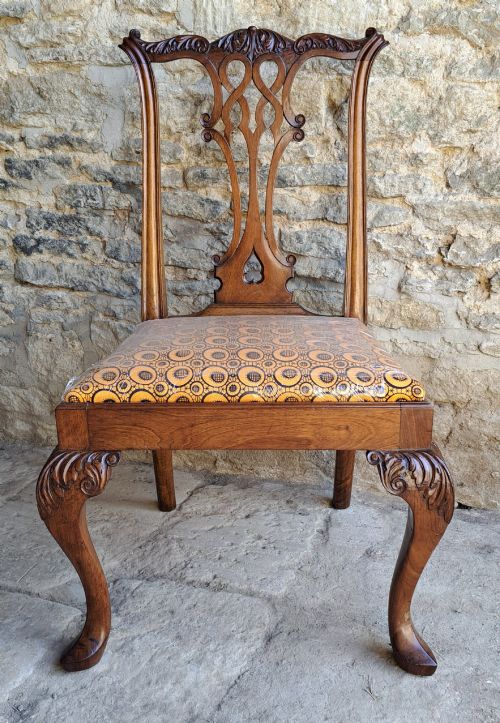
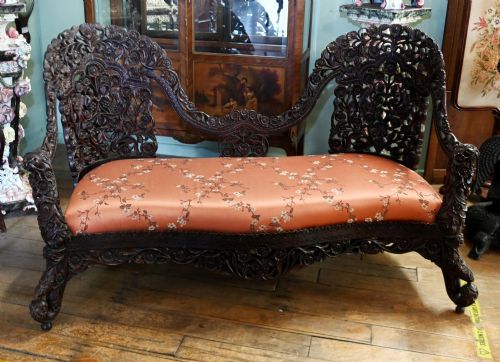
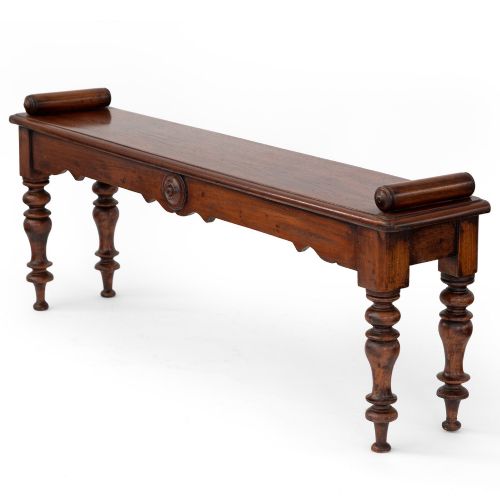
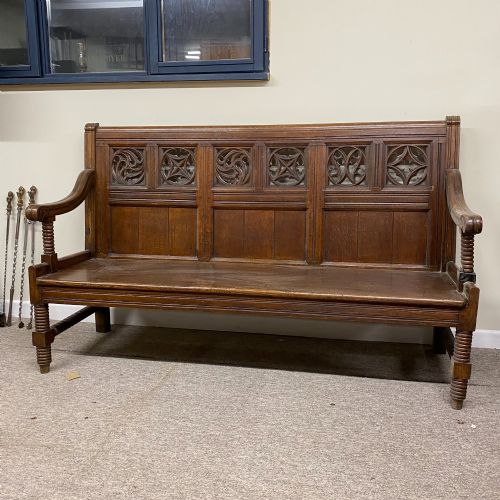
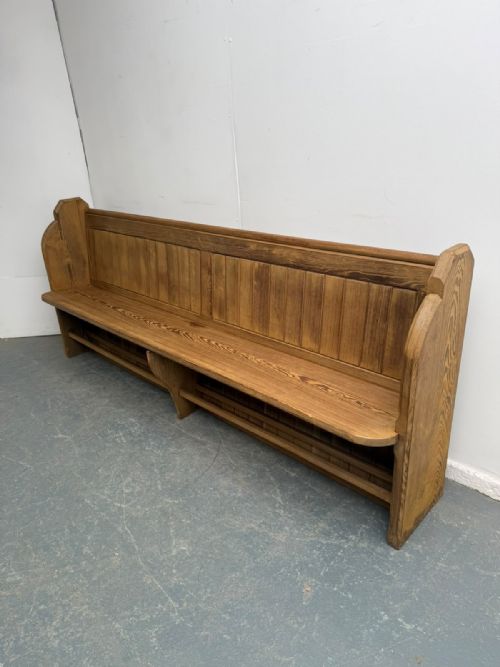
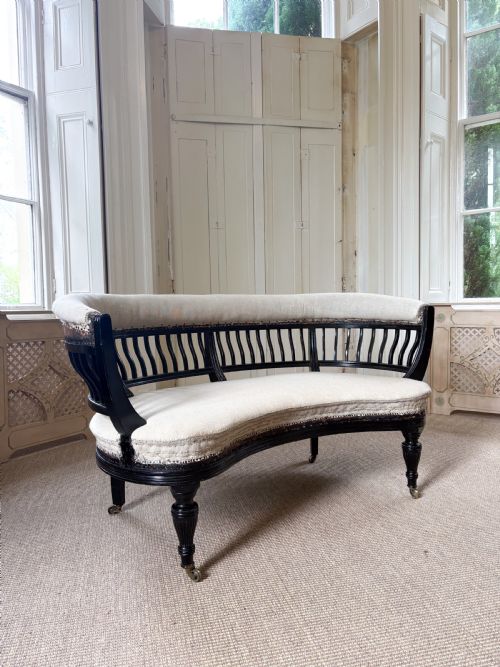
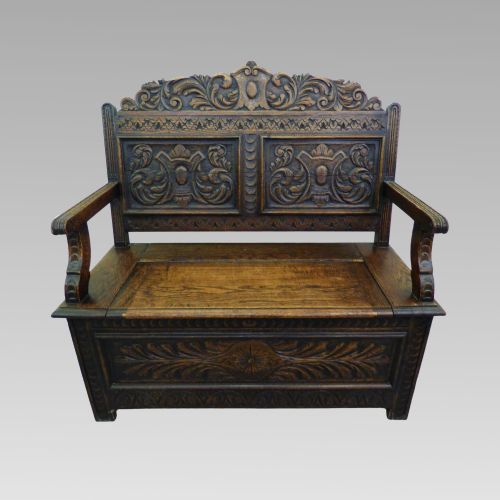
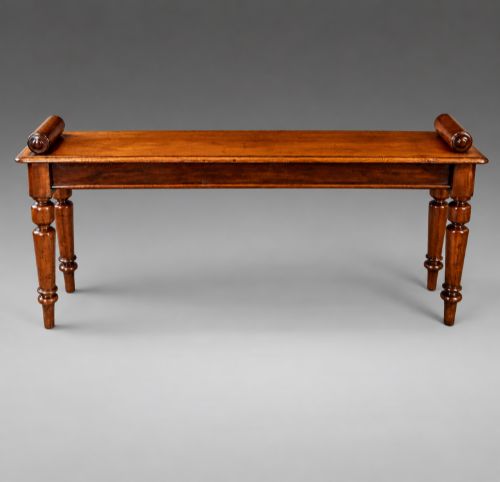
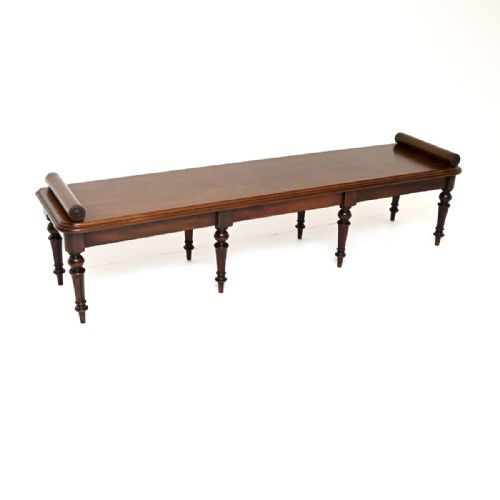
Victorian seated furniture includes a wide variety of forms ranging from robust oak hall benches and settle benches to delicate walnut armchairs, nursing chairs, and dining chairs. Buyers seeking traditional seating will find numerous examples reflecting domestic life across the nineteenth century.
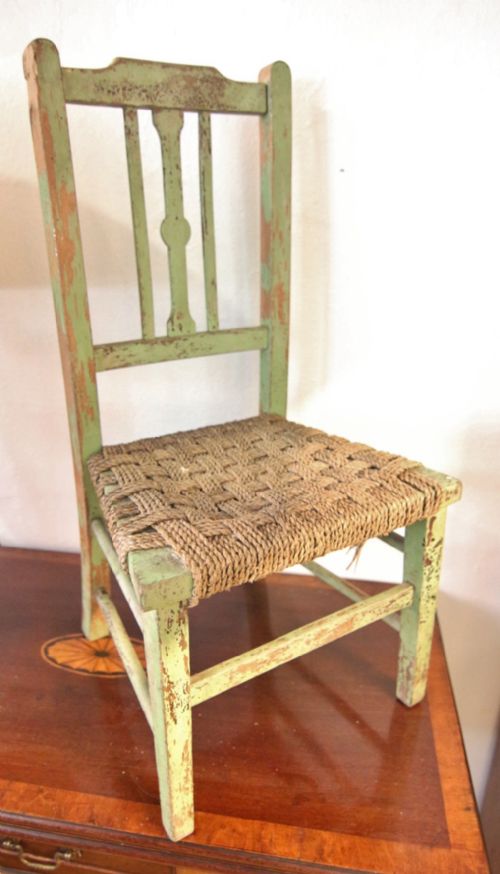
Domestic seating takes many shapes, from piano stools and window seats to complete salon suites and children's chairs. These items served specific functions in hallways, drawing rooms, and bedrooms, offering durable construction alongside period ornamentation.
Materials and Construction
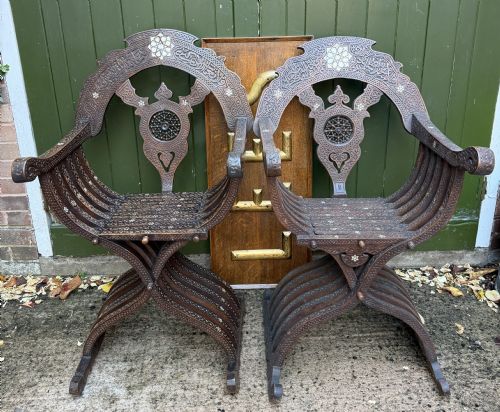
Cabinetmakers utilised hardwoods such as mahogany, walnut, oak, and satinwood, frequently turning to pine or fruitwood for utilitarian benches and regional seating. Decorative effects were achieved through intricate carving, inlay using nacre-shell, and ebonising.
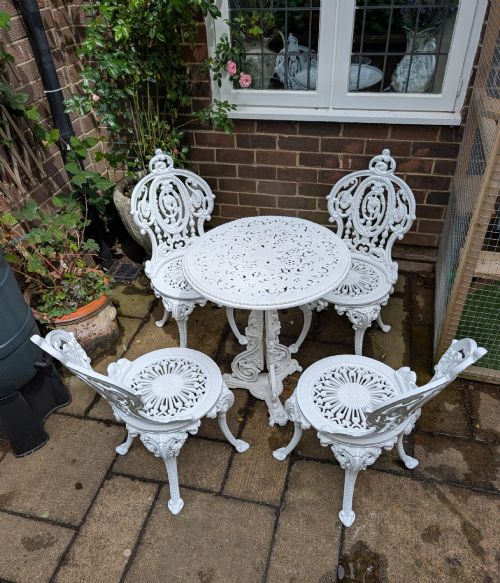
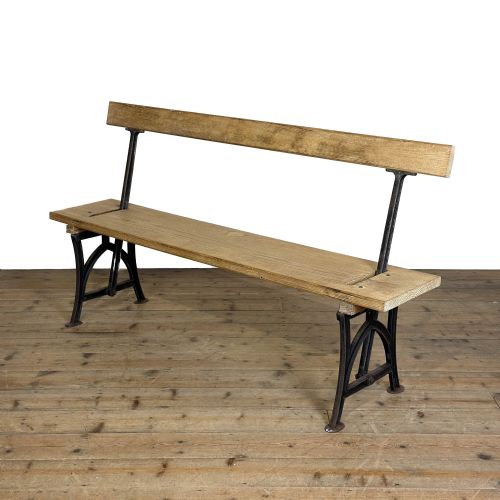
Upholstered items relied on durable textiles and fabrics applied to sprung or padded frames, while outdoor and garden seating utilised cast iron for weather resistance. Joinery techniques combined traditional mortise and tenon joints with turned spindles and applied mouldings.
Victorian Seated Furniture Retail Price Guide 2026
Typical asking prices for victorian seated furniture among the pieces listed under this phrase on Sellingantiques today, from the lower quarter to the upper quarter. They describe what is for sale here now, not the wider market.
Listings feature oak, walnut, mahogany, and pine alongside cast iron, demonstrating the diverse material palette utilised by nineteenth-century makers.
Craftsmanship and Material Selection
The standard of carving and the choice of timber define the hierarchy among these pieces, with figured woods like burr walnut or calamander commanding greater attention than plain pine. Finer examples display crisp detail in applied ornamentation and robust structural joinery.
Attribution to documented makers or specific revival movements elevates an item, as does the retention of original upholstery textiles, cane work, or inlaid decorative elements.
James Shoolbred·E.W Godwin·Guillows
The Victorian Seated Furniture Glossary
- Settle
- A wooden bench with high back and arms, often incorporating storage beneath the seat. These items provided draught-proof seating in traditional hallways and kitchens.
- Balloon back
- A chair design featuring a curved, oval backrest resembling the shape of a balloon. This form gained widespread popularity in domestic dining and drawing room seating during the period.
- Inlay
- A decorative technique where contrasting materials such as nacre-shell or lighter woods are inserted into recesses cut into the primary surface. This method enhances panels and tabletops.
- Metamorphic
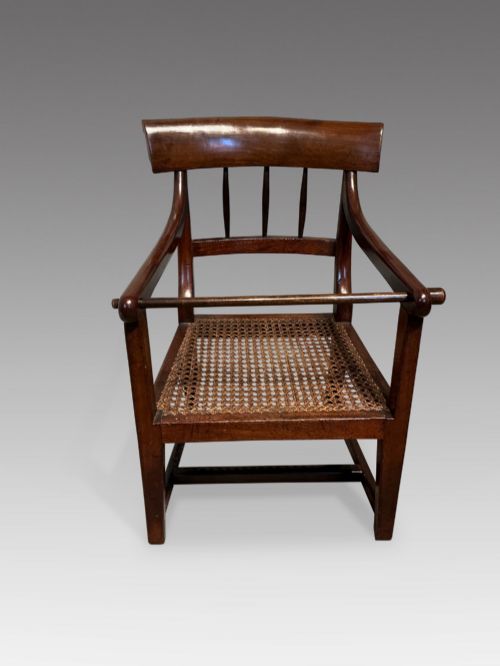
- Furniture designed to transform from one object into another, such as a child's high chair converting into a low carriage. These pieces combined ingenuity with everyday utility.
- Cane
- Plant material woven into open patterns for seat and back panels. It offered lightweight flexibility and ventilation for chairs and campaign furniture.
Victorian Seated Furniture: Frequently Asked Questions
What is a hall bench used for?
Hall benches provided seating in entrance spaces where occupants could remove or put on outerwear. Many designs incorporated hinged seats to store boots, umbrellas, and accessories.
These heavy pieces stood against hallway walls, constructed from durable timbers like oak or mahogany to withstand daily household traffic.
How do I identify a nursing chair?
Nursing chairs typically feature low seats and supportive upholstered backs designed to allow comfortable positioning while tending to infants. They frequently appear in satinwood or walnut.
Their compact proportions set them apart from standard parlour seating, making them suited for bedroom environments.
Where were Windsor armchairs placed?
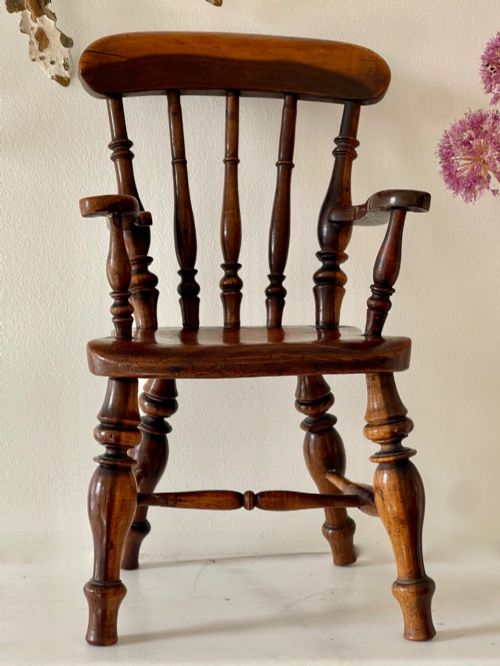
Windsor armchairs served as versatile seating in kitchens, libraries, and country houses throughout the nineteenth century. Their sturdy construction combined yew, elm, and other resilient timbers.
These spindle-back chairs offered ergonomic comfort through shaped wooden seats and steam-bent arm rails.
What defines Gothic Revival seating?
Gothic Revival seating incorporates architectural motifs derived from medieval buildings, including pointed arches, tracery, and heavy carved panels. Walnut and oak served as the primary media for these imposing forms.
Such items brought ecclesiastical and medieval aesthetics into nineteenth-century domestic interiors, particularly in libraries and halls.