

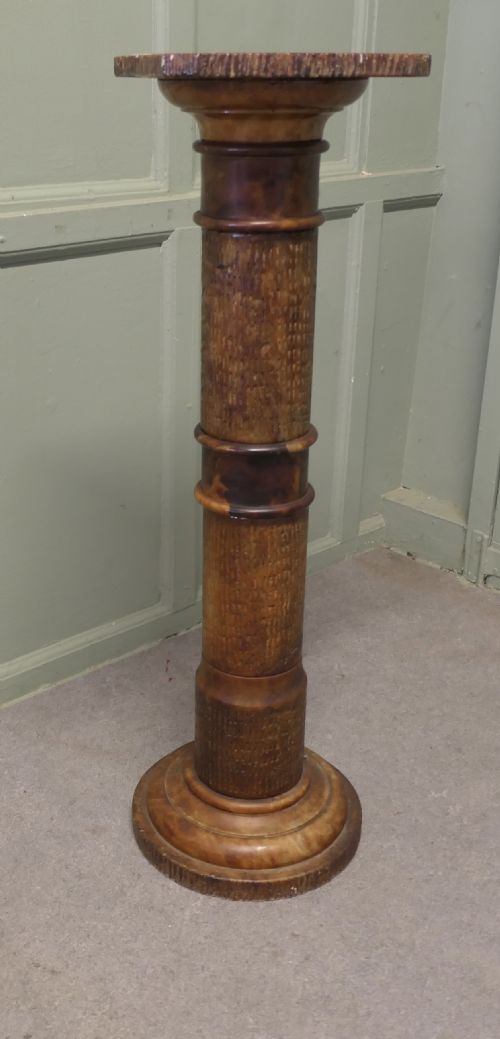
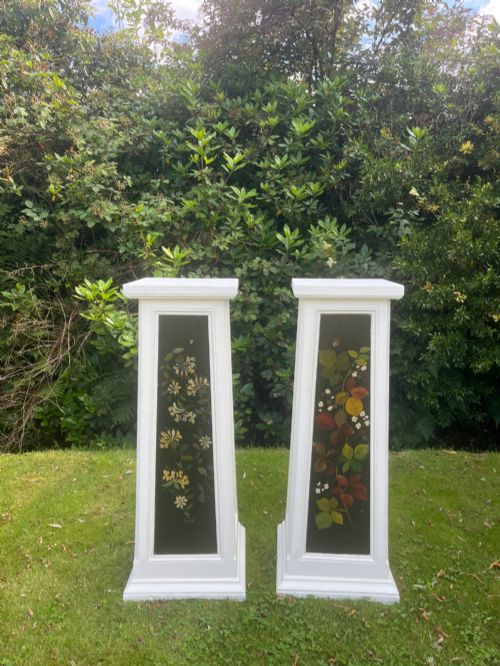

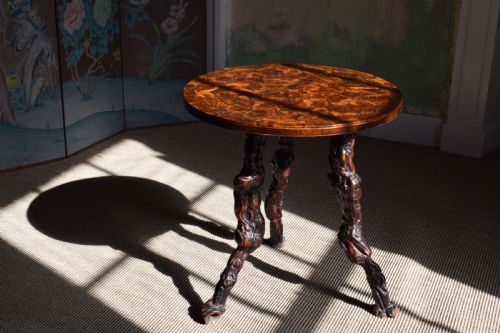
Victorian Sculpture Stand
A Victorian sculpture stand elevates a bust or bronze to eye level, bringing classical dignity into a nineteenth-century interior.
Victorian Sculpture Stand
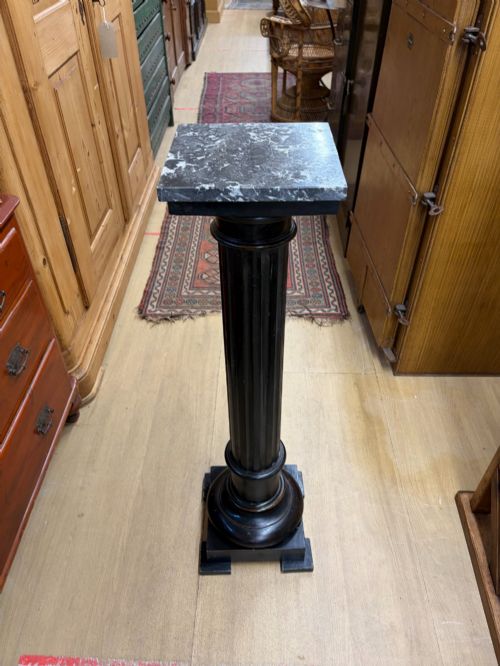
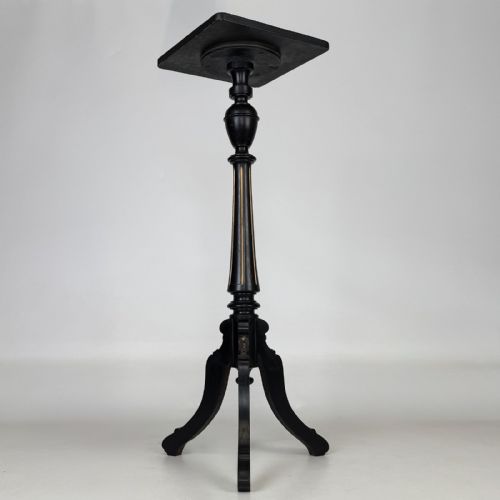
A Victorian sculpture stand provides a dedicated platform to display decorative figures, urns, and portrait busts within a domestic setting. These pieces take the form of columns, pedestals, plinths, and torchieres designed to support heavy weights while adding architectural interest to a room.
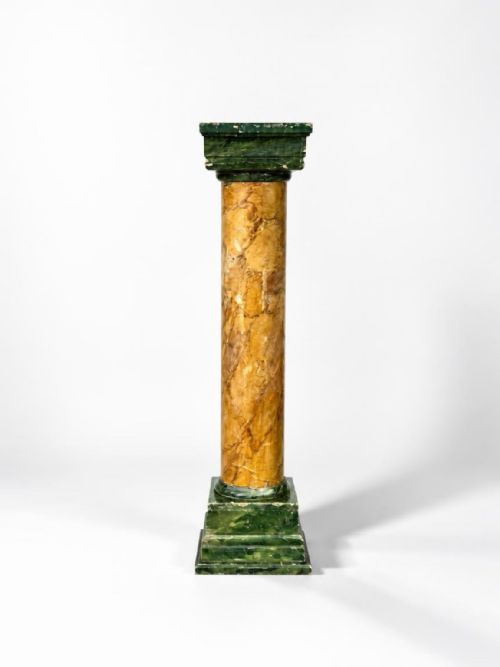
Most examples found in this selection date from the nineteenth century, ranging from early Victorian mahogany pairs to later ebonised and faux marble designs. Makers utilised various heights and top diameters to suit tabletop bronzes, terracotta figures, and life-size sculptures alike.
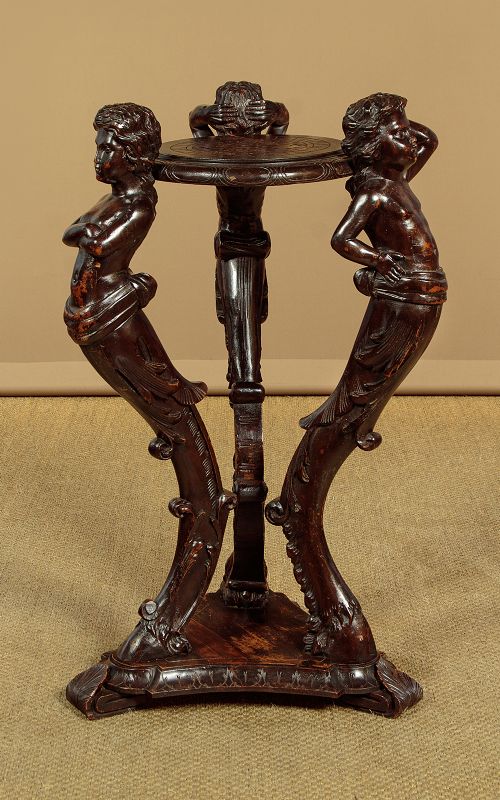
Makers drew upon classical revival, Italian renaissance, and aesthetic movement design principles to shape these supports. Whether carved from solid walnut or painted to imitate stone, each stand serves to frame the artwork placed upon it.
Materials and Construction Techniques
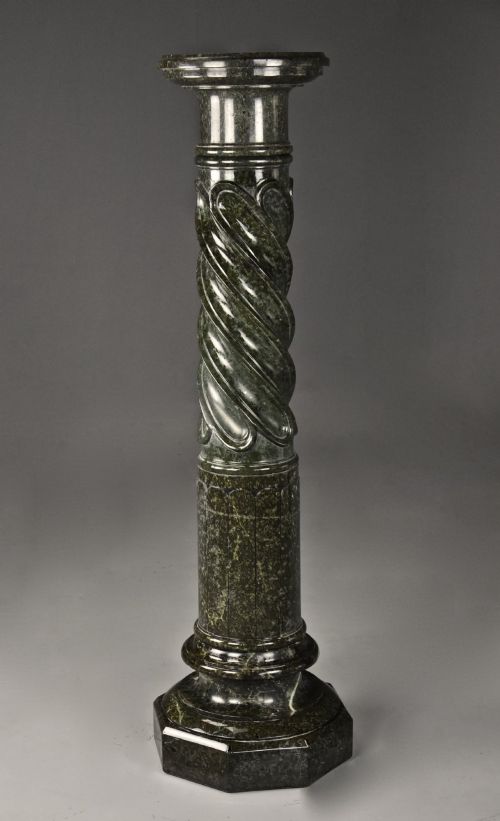
Cabinetmakers and carvers worked with traditional timber and stone, employing rich materials such as mahogany, satinwood, walnut, and honey-coloured or verde antico marble. Solid woods underwent careful turning on lathes to create classical column shafts and fluted pedestals.
Decoration relied on skilled hand-carving, evident in foliate details, reeded columns, and ebonised finishes applied to highlight grain or mimic exotic materials. Painted surfaces and faux marble effects allowed workshops to achieve grand architectural appearances using accessible base timbers.
Victorian Sculpture Stand Retail Price Guide 2026
Typical asking prices for victorian sculpture stand among the pieces listed under this phrase on Sellingantiques today, from the lower quarter to the upper quarter. They describe what is for sale here now, not the wider market.
Listings feature nineteenth-century materials including mahogany, walnut, satinwood, verde antico marble, gilt bronze, and ebonised wood.
Distinguishing Quality in Stands
The refinement of the carving and the choice of materials dictate the distinction between standard production pieces and exceptional examples. Superior items display crisp, deep relief work in natural hardwoods or genuine decorative marbles rather than simple applied ornamentation.
Structural integrity and stability matter greatly given the weight of the sculptures these columns support. Quality stands maintain precise balance through well-proportioned bases, sound joinery, and heavy stone or solid timber construction that prevents tipping.
Gillow & Co.
The Victorian Sculpture Stand Glossary
- Torchiere
- A tall stand or floor lamp designed to hold a light or a small decorative figure at height. These slender supports often feature classical detailing.
- Pedestal
- A structural support or column with a flat top used to elevate a bust, urn, or sculpture. They appear in circular and square formats.
- Verde Antico
- A dark green serpentine marble breccia prized for its rich mottled colour and polished finish. French and Italian makers utilised this stone for classical columns.
- Ebonised
- Wood treated with a chemical stain or black finish to imitate expensive ebony. This technique gained popularity during the nineteenth century for decorative furniture.
- Socle
- A short plinth or pedestal supporting a sculpture, bust, or candlestick base. It provides a stable footing separate from the main floor stand.
Victorian Sculpture Stand: Frequently Asked Questions
What weights can a sculpture stand safely hold?
These nineteenth-century supports were built to carry heavy marble busts, cast bronze figures, and large ceramic urns. Solid timber and stone columns distribute significant weight down to sturdy base platforms.
Buyers should examine the top diameter and internal construction to ensure the footprint matches the sculpture intended for display.
How do I choose the right height for a pedestal?
Height selection depends entirely on the size of the sculpture and the eye level of the room. Shorter columns suit large busts or figures, while tall torchieres elevate smaller cabinet bronzes.
Matching the proportions of the stand to the artwork ensures the piece commands the correct visual presence in the space.
Where should I place a sculpture stand in a room?
Traditionally, these stands occupied corners, hallways, and drawing-room focal points where light could catch the patination of the bronze or marble above. Placing them away from heavy foot traffic protects both the stand and the sculpture.
Consider the surrounding interior style, as nineteenth-century revival designs complement both period rooms and clean modern backdrops.
How do I tell marble from faux marble?
Genuine marble feels cold to the touch and shows natural veering running deep into the stone body. Faux marble relies on painted or scagliola techniques applied over a wooden core.
Looking closely at edges and weight helps distinguish solid geological specimens from decorative painted imitations.