



Victorian Scroll Mirror
A victorian scroll mirror brings nineteenth-century presence to a room, offering both depth and decorative weight through period craftsmanship.
Victorian Scroll Mirror
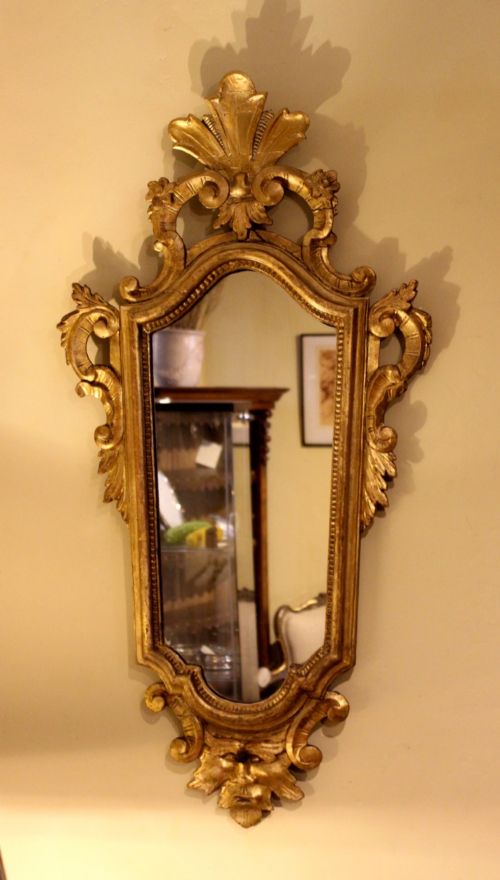
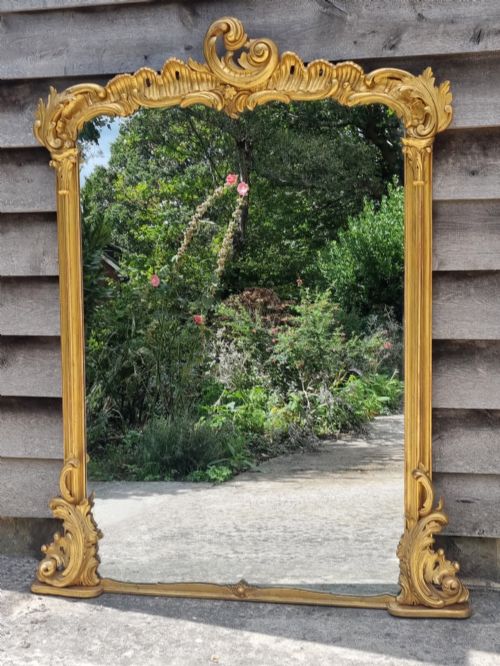
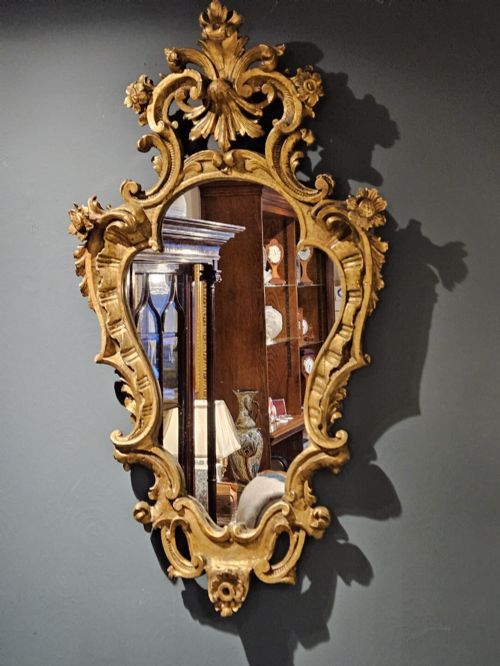
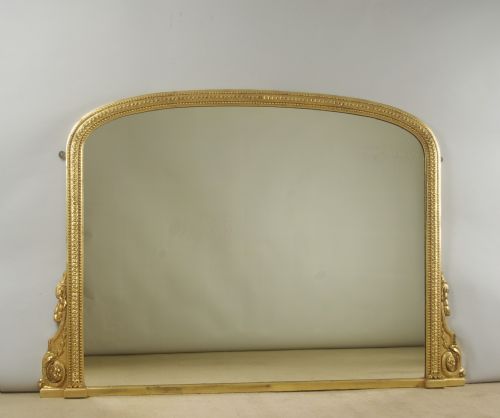
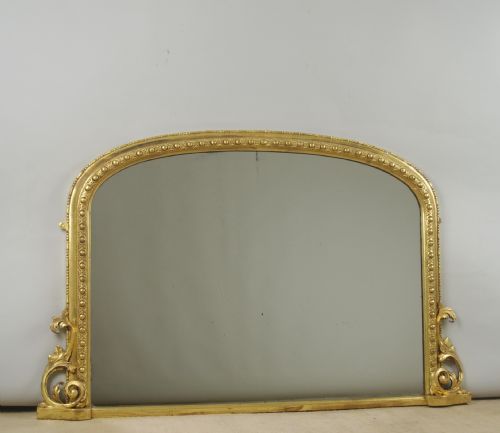
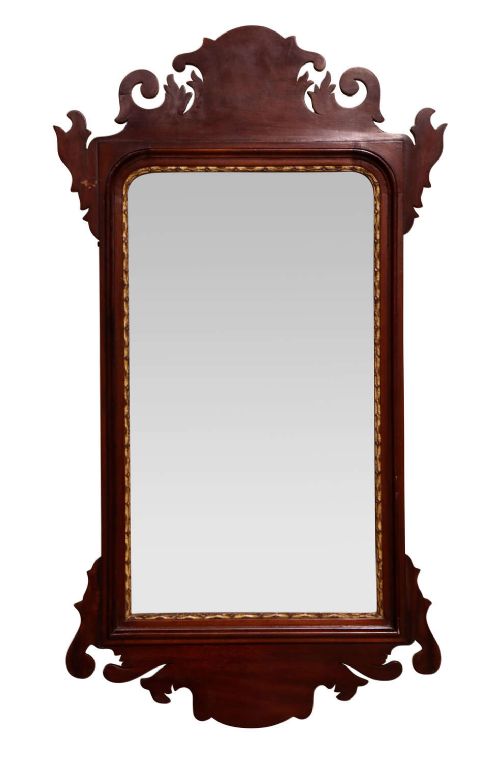
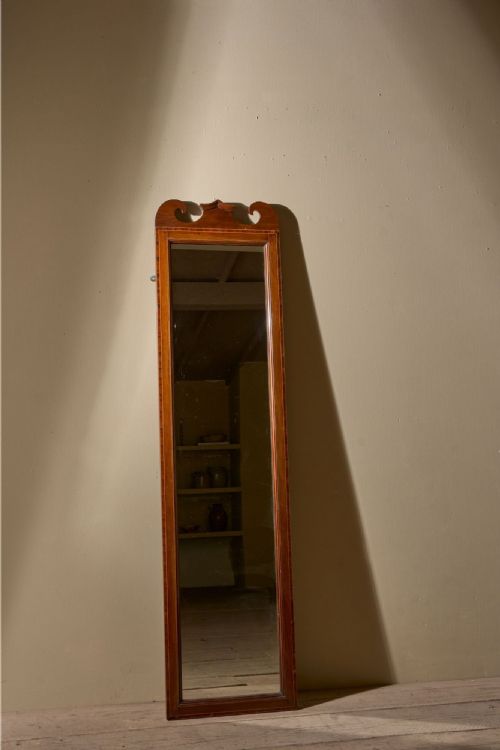
A victorian scroll mirror encompasses wall mirrors, overmantels, and dressing mirrors originating from the nineteenth century. These pieces appear across various revivals, including Chippendale, Rococo, and Gothic styles.
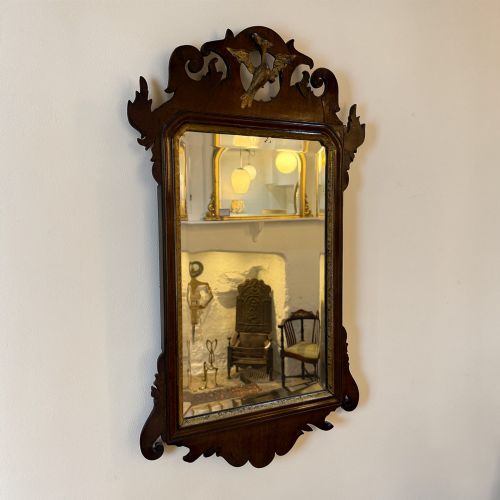
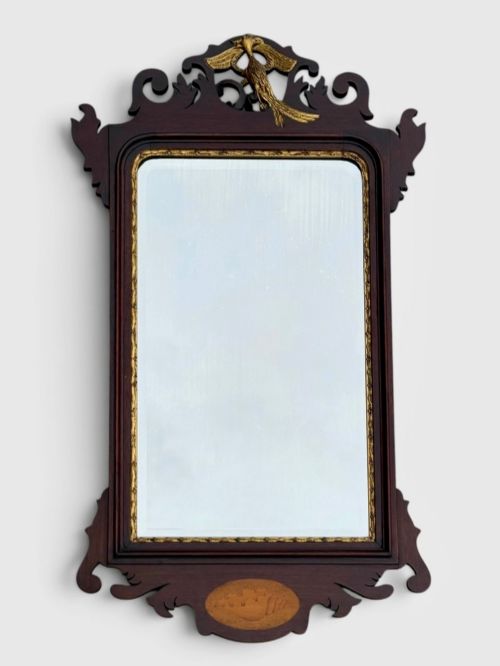
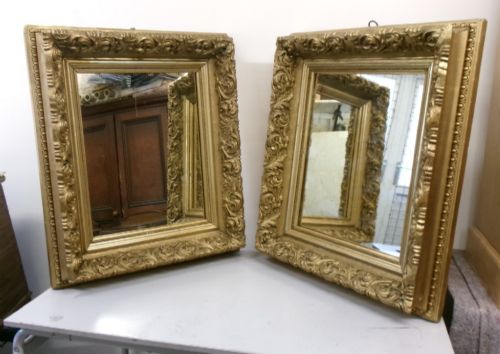
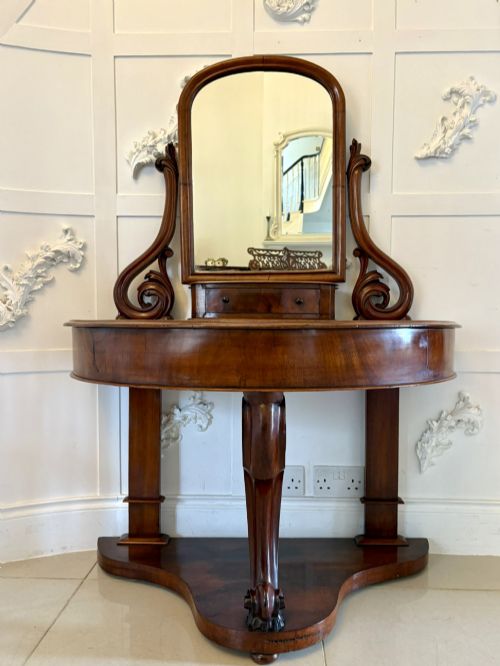
Buyers frequently encounter mahogany, walnut, and giltwood frames adorned with carved details, fretwork, and arched tops. The selection includes both compact table top dressing mirrors and large architectural overmantels designed for principal rooms.
Materials and Construction
Frames rely heavily on timbers such as mahogany, walnut, and oak, often shaped with fretwork or carved elements. Giltwood and composition overmantels utilise moulded plaster or gesso applied over a wooden base before gilding or silvering.
Glass plates are set within rebated frames, sometimes featuring bevelled edges or silvered finishes. Brass hardware appears on swing dressing mirrors and adjustable toilet stands to allow movement.
Victorian Scroll Mirror Retail Price Guide 2026
Typical asking prices for victorian scroll mirror among the pieces listed under this phrase on Sellingantiques today, from the lower quarter to the upper quarter. They describe what is for sale here now, not the wider market.
Evaluating Quality and Detail
Quality reveals itself in the crispness of the wood carving and the depth of the gilt preparation. Superior pieces display intricate fretwork, well-defined scrollwork, and substantial timber frames rather than flat, machine-cut profiles.
The integrity of the mirror glass and the backing boards indicates the original state of the piece. Hand-carved ornamentations and heavy gesso application separate finer salon and overmantel mirrors from simpler utility items.
The Victorian Scroll Mirror Glossary
- Overmantel mirror
- A large mirror designed to hang specifically above a fireplace mantelpiece. These often feature arched tops and substantial giltwood frames.
- Pier glass
- A tall mirror intended to be hung on the narrow pier of wall between windows. They maximise light reflection in nineteenth-century interiors.
- Fretwork
- Ornamental design created by cutting patterns through thin wood using a scroll saw. It defines many Chippendale revival wall mirrors.
- Gesso
- A plaster mixture applied to wood frames as a smooth base for gilding. Its thickness and relief work determine the crispness of the gilt finish.
- Cheval mirror
- A large freestanding dressing mirror suspended in a frame that allows it to tilt. They appear in mahogany during the nineteenth century.
Victorian Scroll Mirror: Frequently Asked Questions
Where should I hang an overmantel mirror?
These large mirrors are traditionally mounted directly above a fireplace to reflect light and anchor the room's proportions.
Ensure the wall fixings are substantial enough to support heavy giltwood and wooden frames securely.
How do I identify a revival style?
Revival pieces borrow motifs from earlier Georgian, Rococo, or Gothic eras but utilise nineteenth-century manufacturing methods and timber selections.
Look at the backing boards, screw types, and secondary woods to confirm the actual period of construction.
Are dressing table mirrors adjustable?
Many nineteenth-century dressing mirrors feature pivot pins or brass thumbscrews set into upright supports. This allows the glass angle to be tilted for personal use.
Solid mahogany and burr walnut dominate these smaller table top formats.
What is fretwork on a mirror frame?
Fretwork is intricate openwork pattern cutting through thin timber panels, commonly seen on Chippendale style frames from the period.
This technique creates light, decorative silhouettes around the central glass plate.