

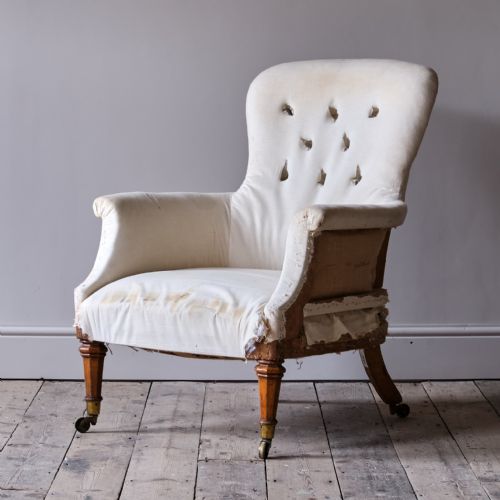
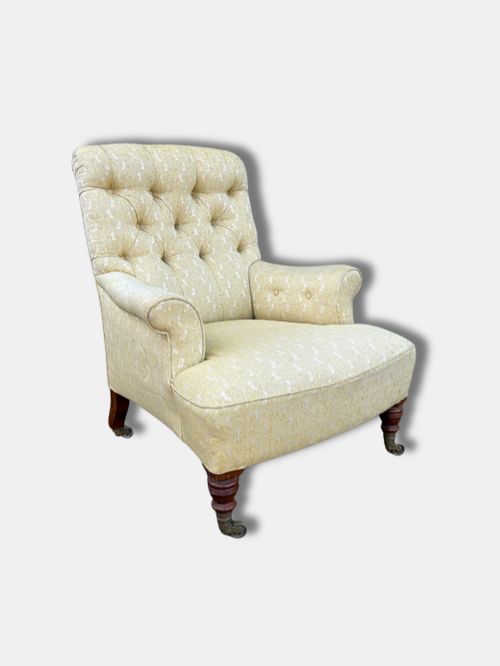
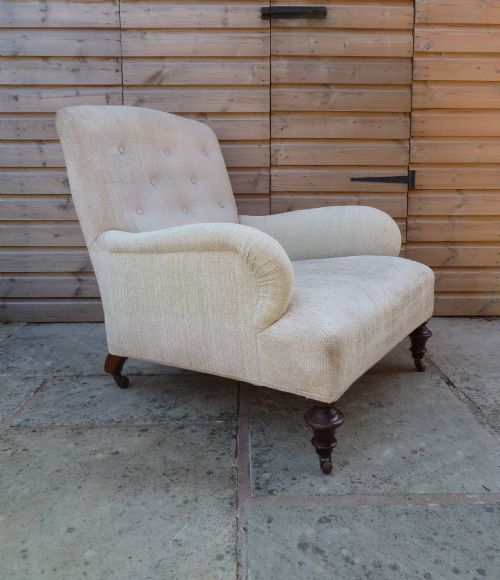
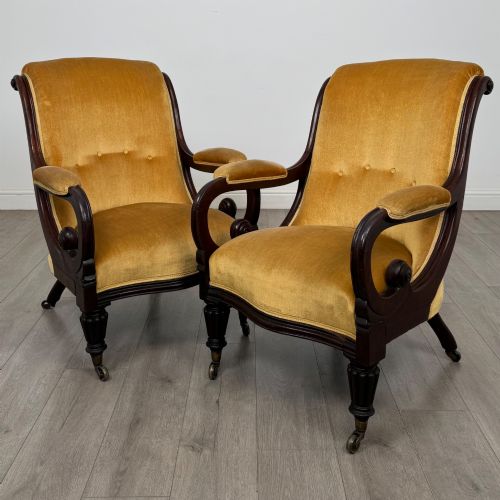


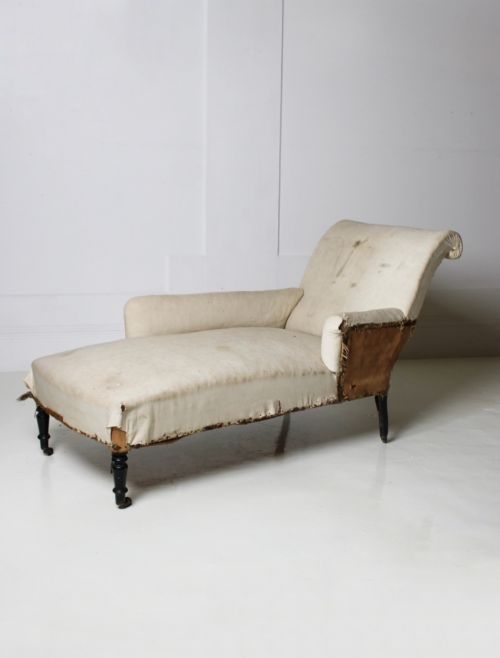

Victorian Scroll Leg Chair
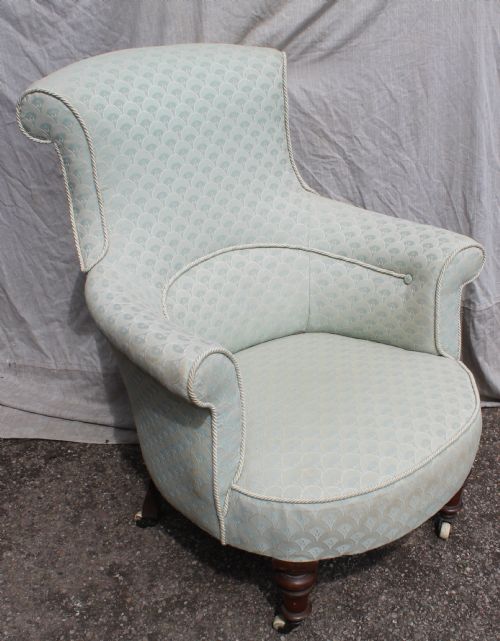
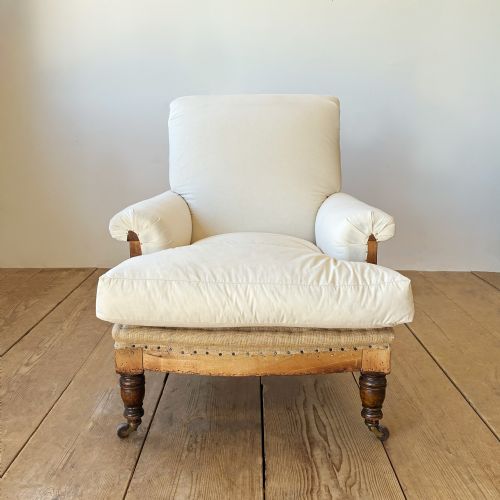
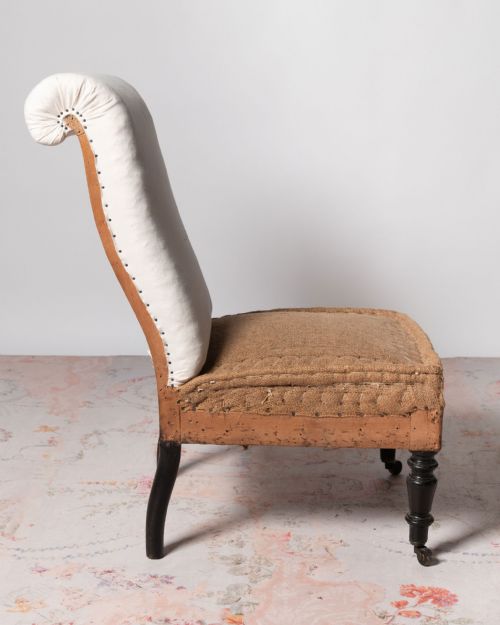
A victorian scroll leg chair brings enduring comfort and character, uniting sculptural woodwork with deep upholstery for traditional seating.
Victorian Scroll Leg Chair
When searching for a victorian scroll leg chair, collectors look for seating that displays nineteenth-century craftsmanship through fluid woodwork and sturdy frames. The pieces found on this page span several decades of the nineteenth century alongside related Regency and Edwardian examples.
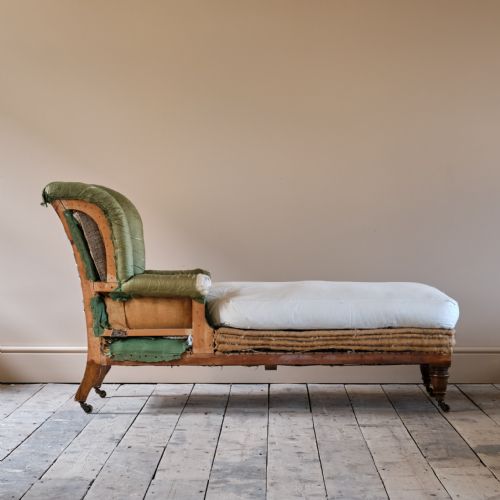
Armchairs and club styles dominate the selection, often accompanied by daybeds, chaise longues, and various dining or hall chairs. These items originate from English country houses and urban settings, showing diverse influences from William IV to Napoleon III periods.
Materials and construction
Makers constructed these frames predominantly from solid hardwoods such as mahogany and walnut, occasionally utilising ash or rosewood for specific dining and occasional seating. Brass components appear frequently, often taking the form of castors supporting the heavier armchairs.
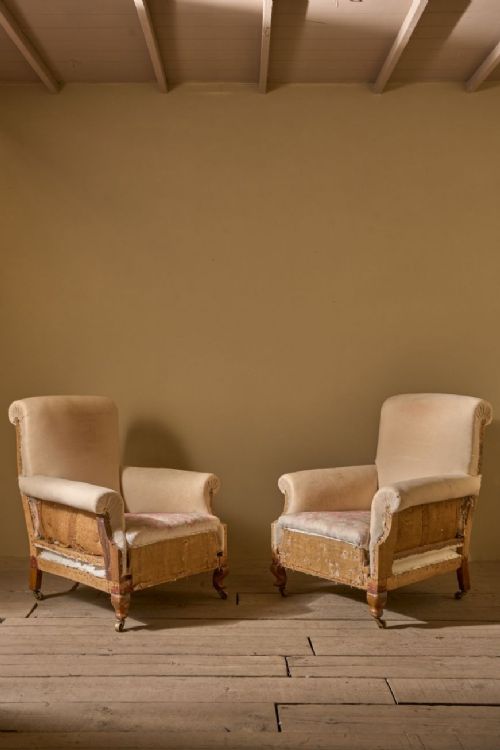
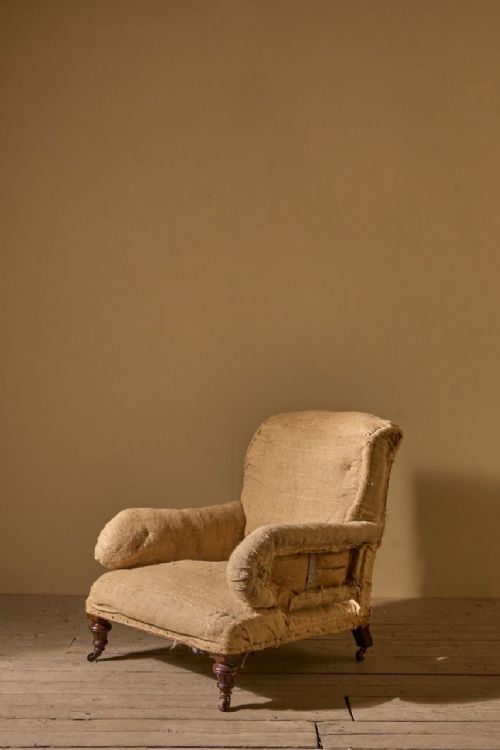
Upholstered surfaces rely on traditional stuffing materials covered in fabrics including velvet, calico, hessian, and tapestry. Showwood frames expose polished timber alongside these padded areas, highlighting the contrast between carved woodwork and soft textiles.
Victorian Scroll Leg Chair Retail Price Guide 2026
Typical asking prices for victorian scroll leg chair among the pieces listed under this phrase on Sellingantiques today, from the lower quarter to the upper quarter. They describe what is for sale here now, not the wider market.
The selection includes items associated with notable sporting institutions, including pieces originating from St Andrews.
Judging quality and craftsmanship
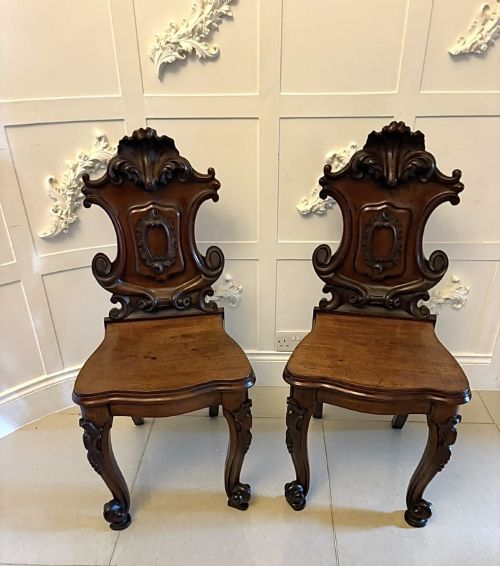
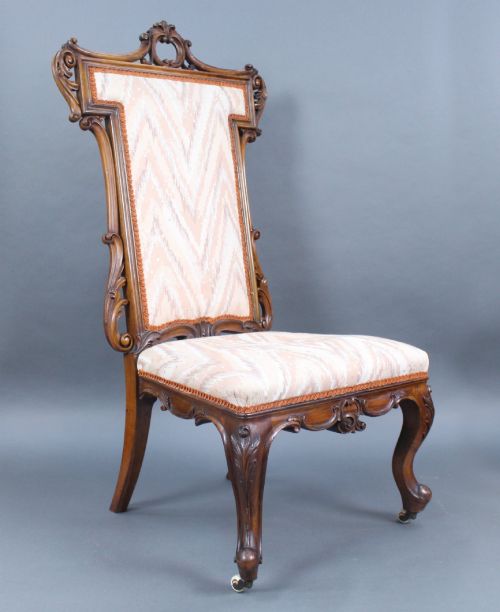
Superior examples reveal themselves through the crispness of the scroll carving on the wooden legs and arms, where hand-tooled details remain sharp and well-defined. The proportion and balance of the frame dictate whether a chair sits with elegance or appears heavy.
The integrity of the internal stuffing and the choice of primary timber elevate certain pieces above standard production. Maker attribution, through stamped signatures or documented provenance, further distinguishes the finest items in this category.
Howard and Sons·Holland and Sons·Trollope and Sons·John Taylor and Sons·Miles and Edwards·Hampton and Sons
The Victorian Scroll Leg Chair Glossary
- Scroll leg
- A furniture support carved in the shape of a spiral or scroll curve. This detail appears frequently on nineteenth-century seating frameworks.
- Showwood
- Exposed polished timber on an upholstered chair or sofa. It frames the padded sections to display the grain and carving of the wood.
- Carver chair
- An armchair designed with elbow rests, traditionally used at the head of a dining table or as a parlor seat.
- Castor
- A small wheel mounted on a swivel assembly attached to the base of a chair leg. It allows heavy wooden seating to move smoothly across floor coverings.
Victorian Scroll Leg Chair: Frequently Asked Questions
How do I identify a Victorian scroll leg chair?
Examine the wooden frame for characteristic nineteenth-century timber choices like mahogany or walnut alongside curved scroll work on the supports. Look for traditional upholstery methods and hardware such as brass castors beneath the legs.
Compare the proportions against documented examples from the period to confirm the stylistic era. Maker stamps or labels on the underside can also verify origin.
Where were these chairs used originally?
These seating pieces served primarily in English country houses, town residences, and law chambers. They functioned as reception seating, library armchairs, or fireside furniture.
Drawing rooms and studies frequently housed larger club styles, while lighter carver chairs stood around dining tables.
Can I use these chairs in a modern interior?
These chairs integrate well into contemporary spaces by adding texture and historical contrast to minimalist rooms. Their robust frames make them practical for daily use in living areas or studies.
Pairing a traditional armchair with modern upholstery fabrics creates a balanced look that respects the original structure.
What is the difference between an armchair and a daybed?
An armchair provides upright seating with back support and elbow rests designed for a single person sitting. A daybed extends the seating surface into a prolonged platform intended for reclining.
Both forms utilise similar scroll leg woodwork and upholstery finishes when originating from the same nineteenth-century workshops.