




Victorian Scroll Daybed
A victorian scroll daybed brings nineteenth-century elegance to a room, offering a long seat designed for reclining in comfort.
Victorian Scroll Daybed
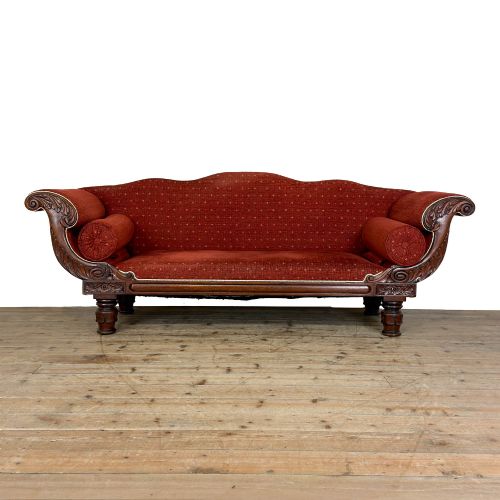
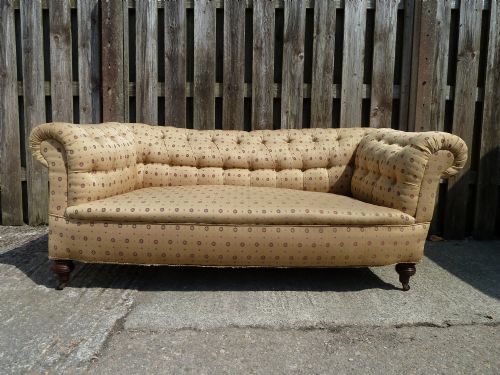
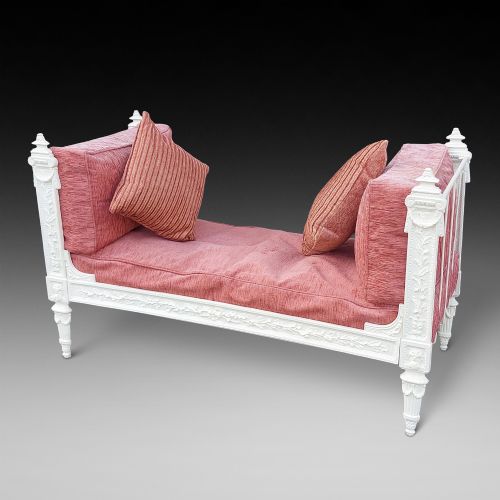
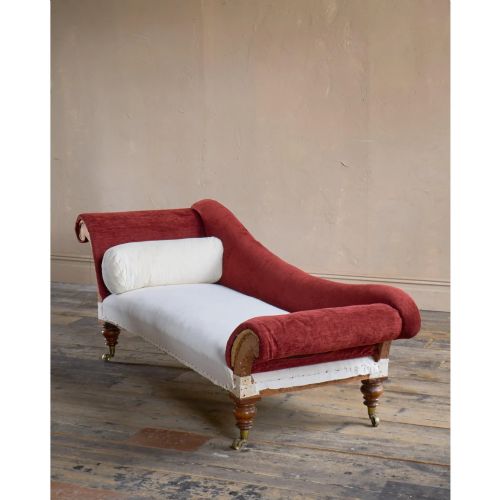
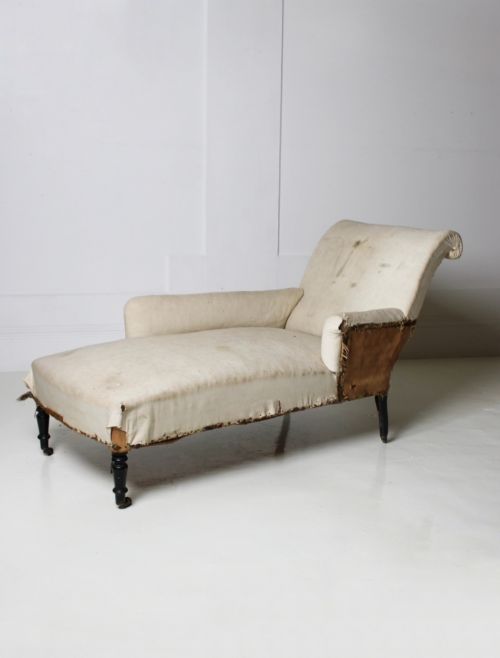
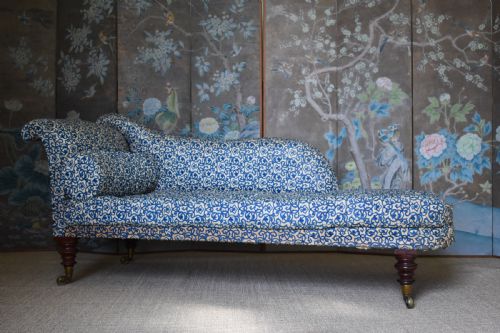
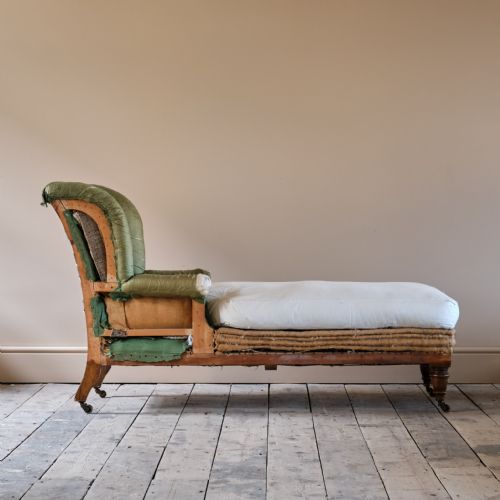
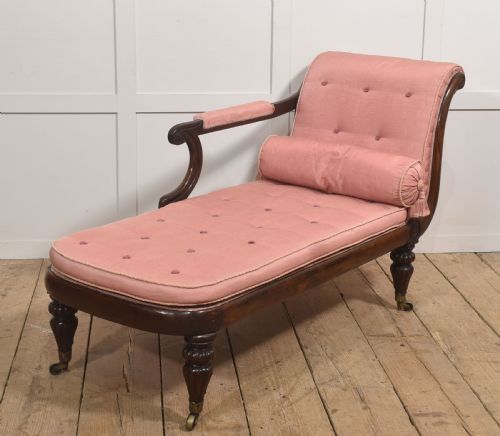
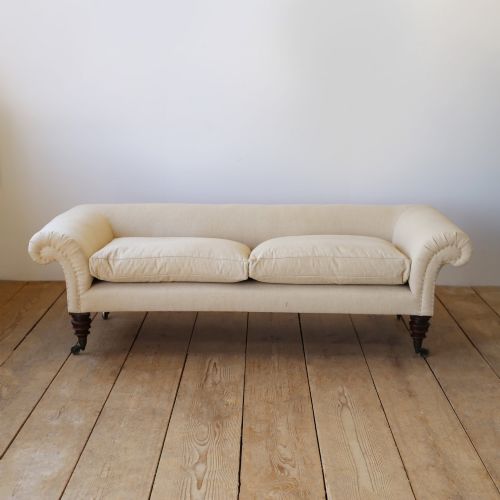
A victorian scroll daybed combines the function of a sofa and a bed, featuring curved ends that define its nineteenth-century silhouette. These pieces appear across various periods including the Victorian era, Regency, and William IV, often taking the form of a chaise longue, sofa, or daybed.
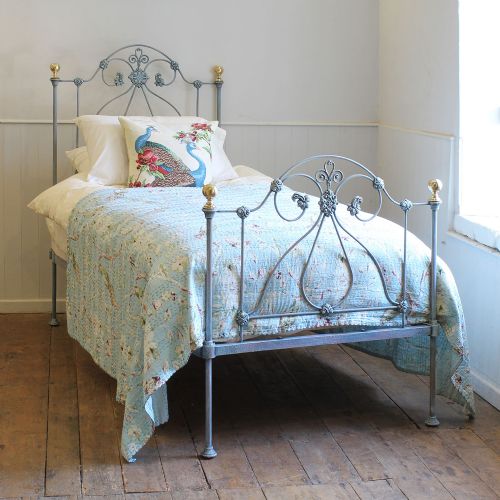
The materials span mahogany, rosewood, walnut, and cast iron, frequently paired with fabric, velvet, or damask upholstery. Examples range from country house daybeds to large carved mahogany hall seat sofas and smaller ebonised models.
Makers and makers' attributions include Holland and Sons and Miles and Edwards, alongside Anglo-Indian carved pieces and Howard style designs. Buyers meet a variety of woods and upholstery finishes that reflect nineteenth-century craftsmanship.
How they were made
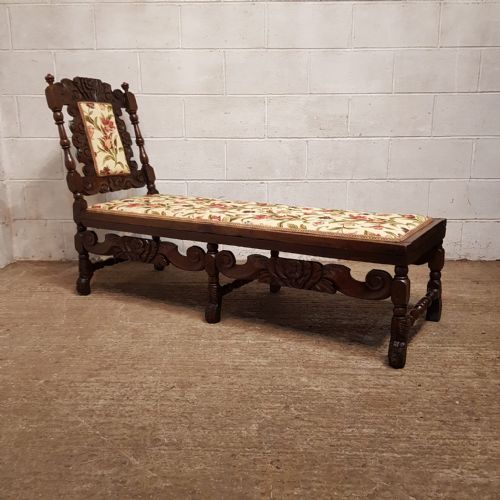
Frames are constructed from timbers such as mahogany, rosewood, walnut, oak, and ebony, alongside cast iron for garden benches and specific daybeds. Cabinet makers shaped scroll arms and backs using solid woods and veneers, occasionally incorporating cane seating.
Upholstery involved traditional fabric, velvet, blue verdigris, and blue damask, supported by turned legs fitted with original castors. Carving is prominent, seen in oak, mahogany, and Anglo-Indian designs, alongside ebonised finishes.
Victorian Scroll Daybed Retail Price Guide 2026
Typical asking prices for victorian scroll daybed among the pieces listed under this phrase on Sellingantiques today, from the lower quarter to the upper quarter. They describe what is for sale here now, not the wider market.
Even miniature chaise longues received full scroll arms, proving that Victorian comfort came in every possible scale.
What varies in quality
Quality rests in the crispness of the timber carving and the architectural balance of the scroll arms and frame. Finer examples show substantial scale, select Rio rosewood or figured mahogany, and attribution to notable makers like Holland and Sons or Miles and Edwards.
Holland and Sons·Miles and Edwards
The Victorian Scroll Daybed Glossary
- Scroll end
- A rolled or curved terminal on the arm or back of a sofa or daybed. This characteristic nineteenth-century shape draws inspiration from classical forms.
- Cane seating
- Woven rattan material used for the seat base of a daybed or bench. It provides a lightweight and flexible surface.
- Ebonised
- Wood treated with a dark stain or finish to imitate ebony. This technique was popular in Victorian furniture for dramatic effect.
- Verdigris
- A green patina formed on copper, brass, or other metals through atmospheric oxidation. It appears on specific nineteenth-century metal daybeds.
Victorian Scroll Daybed: Frequently Asked Questions
What is a victorian scroll daybed?
A victorian scroll daybed is a nineteenth-century reclining seat featuring distinctive curved scroll ends. These pieces function as daybeds, chaises longues, or sofas.
They appear in woods like mahogany, rosewood, and walnut, often with upholstered fabric, damask, or velvet coverings. Makers such as Holland and Sons and Miles and Edwards produced notable examples.
How do I identify the period?
Dating relies on timber choice, carving style, and structural proportions associated with the Victorian, Regency, and William IV eras. Early nineteenth-century pieces often feature bold mahogany or rosewood frames with prominent scroll ends.
Later Victorian examples introduce cast iron frames, ebonised finishes, or turned legs with original castors.
How do I care for the upholstery?
Preserving the fabric involves gentle surface cleaning appropriate to the specific textile, whether velvet, damask, or standard upholstery fabric. Direct sunlight should be avoided to prevent fading of historic materials.
Checking the stability of the frame and legs ensures the structure supports weight safely during daily use.