

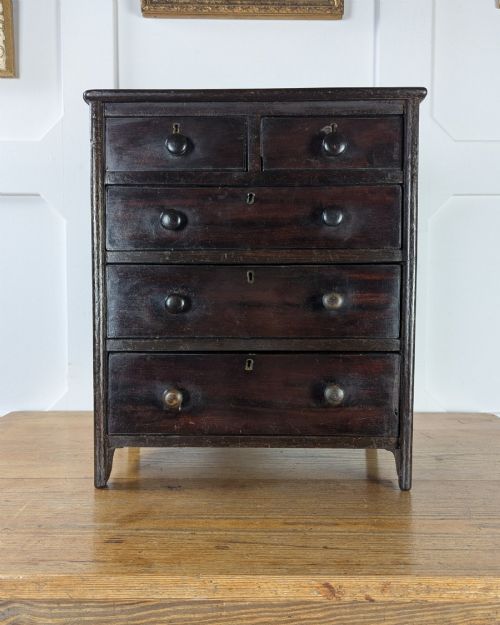
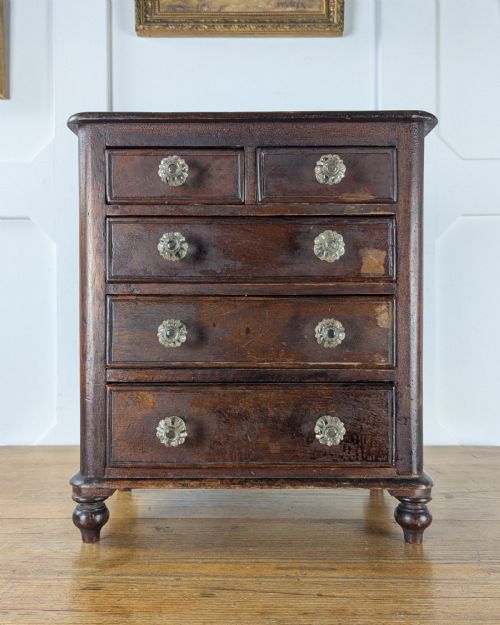
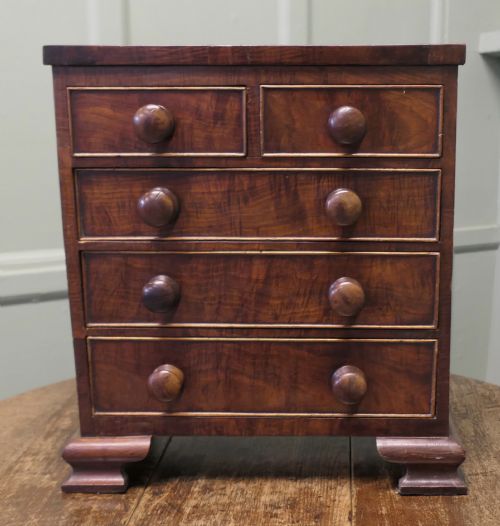
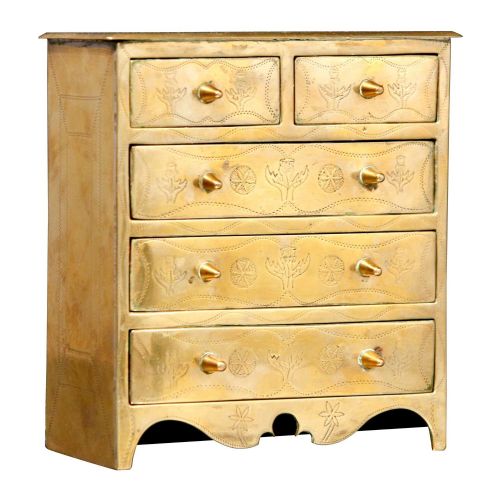




Victorian Sample Chest
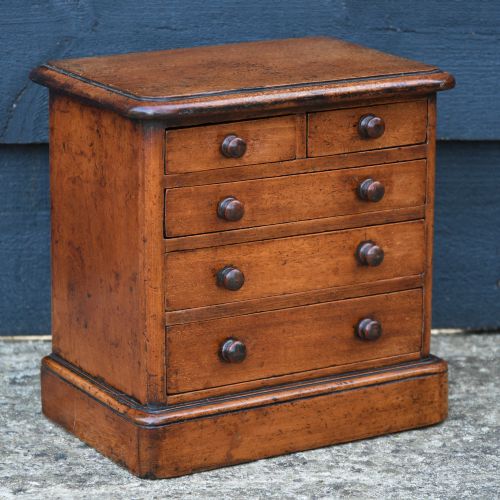
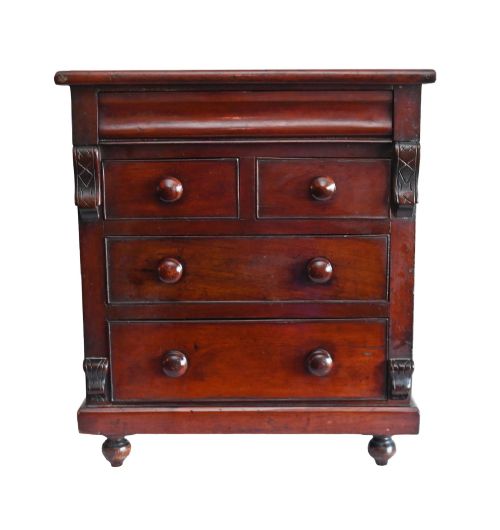
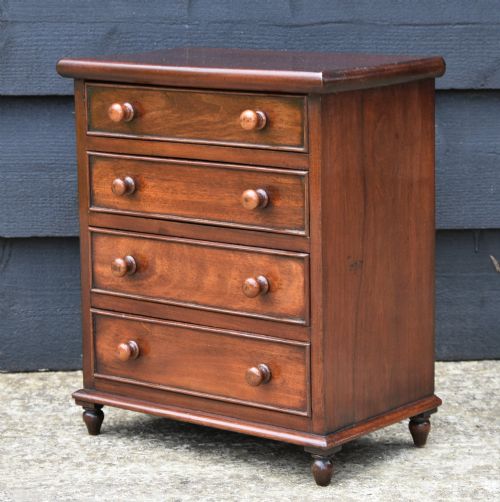
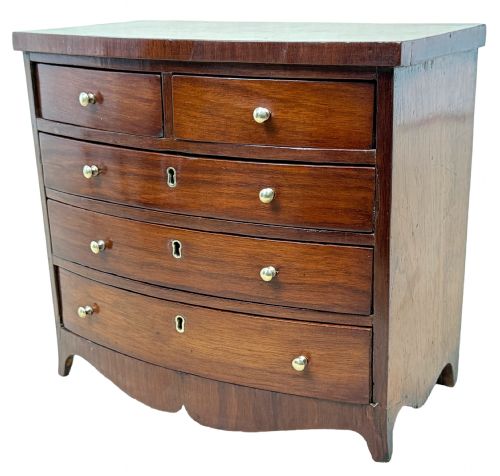
A victorian sample chest is a small cabinetmaker's demonstration model that brings miniature precision and rich mahogany timber into a modern room.
Victorian Sample Chest
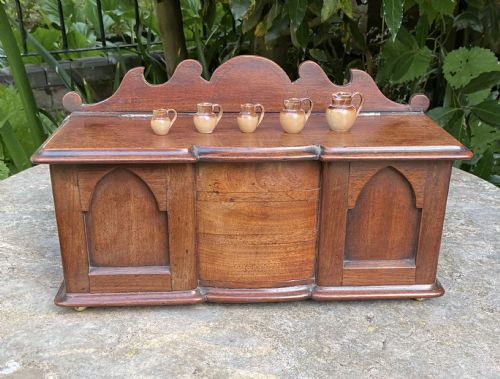
A victorian sample chest represents miniature furniture and apprentice pieces created during the nineteenth century, including miniature chests of drawers, apprentice chests, and small cabinets. These scale models served practical purposes in workshops or sales demonstrations, capturing the exact proportions of full-sized furniture.
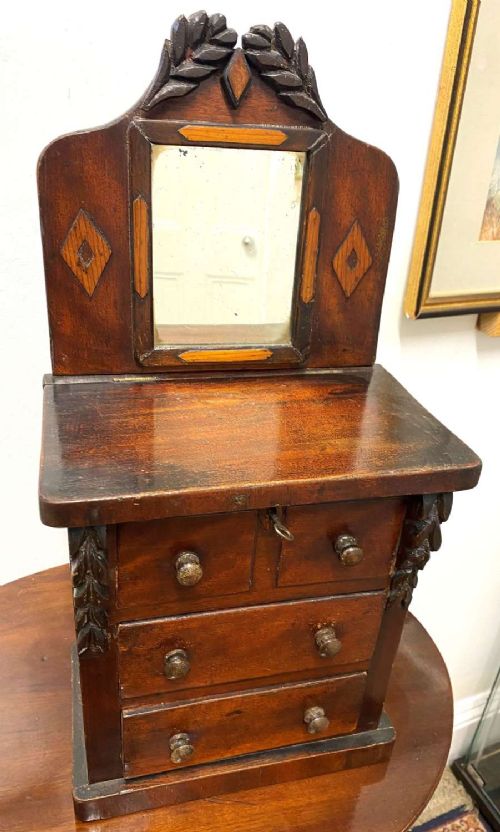
Mahogany forms the primary timber across the selections, alongside pitch pine, burr walnut, and slate. Many examples feature bowfront shapes, turned feet, brass details, and secret drawers concealed within the carcass.
The objects span periods from the eighteenth century through the Victorian era to around nineteen ten, incorporating styles such as Victorian folk art and Anglo-Indian design. Buyers encounter varied forms from miniature dresser bases to jewellery boxes configured as miniature chests.
Materials and construction
Cabinetmakers constructed these miniature pieces using solid timber frameworks, primarily mahogany and pitch pine, often embellished with wood inlay, boxwood, and ebonised moulding. The joints and drawer linings demand the same intricate joinery techniques found in full-scale furniture production.
Surfaces receive careful hand polishing, sometimes accompanied by paint finishes or brass hardware such as engraved thistle mounts. Specialised materials like slate appear in specific mineral models, demonstrating alternative workshop capabilities of the period.
Victorian Sample Chest Retail Price Guide 2026
Typical asking prices for victorian sample chest among the pieces listed under this phrase on Sellingantiques today, from the lower quarter to the upper quarter. They describe what is for sale here now, not the wider market.
Some miniature chests double as jewellery boxes, proving that nineteenth-century cabinetmakers also understood the value of secret compartments for secret sweets.
Judging the craftsmanship
Quality separates pieces by the precision of their miniature dovetails, the snugness of the drawer fits, and the selection of figured timbers like burr walnut. Superior examples maintain exact architectural proportions that mirror standard furniture rather than appearing clumsy or disproportionate.
Refined details such as working secret drawers, crisp turned feet, and well-executed brass escutcheons elevate certain specimens. The integrity of the original polish and the crispness of applied mouldings distinguish workshop demonstrations intended to impress prospective clients.
The Victorian Sample Chest Glossary
- Apprentice piece
- A small furniture item created by a trainee cabinetmaker to demonstrate proficiency in advanced joinery techniques before gaining master status. These items replicate standard domestic forms on a reduced scale.
- Miniature furniture
- Scale models produced for display, dollhouses, or travelling sales representatives to showcase available designs. They follow contemporary furniture styles precisely.
- Bowfront
- A curved front surface on a chest of drawers that swells outward in the centre. This shape requires considerable skill in timber bending and joint construction.
- Secret drawer
- A concealed compartment built into a cabinet or chest, often accessed by removing a concealing panel or secondary drawer. Makers utilised these spaces for storing valuables.
- Ebonised moulding
- Timber treated with a dark stain or finish to imitate ebony, commonly applied to frame drawer edges or cornices. This technique provides sharp visual contrast against lighter woods like mahogany.
Victorian Sample Chest: Frequently Asked Questions
What is a victorian sample chest used for?
Cabinetmakers utilised these small chests to demonstrate their skill to prospective buyers without transporting full-sized furniture. Apprentices also created them to prove their mastery of woodworking techniques.
Today, collectors use them as decorative display pieces on tables or sideboards where space prevents full-sized antique furniture.
How do I know if it is a genuine apprentice piece?
Authentic pieces display the same dovetail construction, timber ageing, and tool marks found on full-sized nineteenth-century furniture. The proportions remain accurate to the period styles.
Examine the secondary woods inside the drawers and the wear patterns around the handles to confirm age.
Are all miniature chests made of mahogany?
Mahogany is common among the selections, but makers also utilised pitch pine, burr walnut, and even slate. Each material reflects the regional availability and workshop traditions of the maker.
Timber choice often helps indicate whether a piece originated in a standard British workshop or followed Anglo-Indian traditions.
How should I clean my miniature chest?
Dust the surfaces gently with a dry, soft cloth to protect the historic polish and timber. Avoid chemical sprays or excessive moisture which can damage old wood and brass.
Feed the wood periodically with appropriate antique wax if the finish appears dry, rubbing it in thoroughly.