

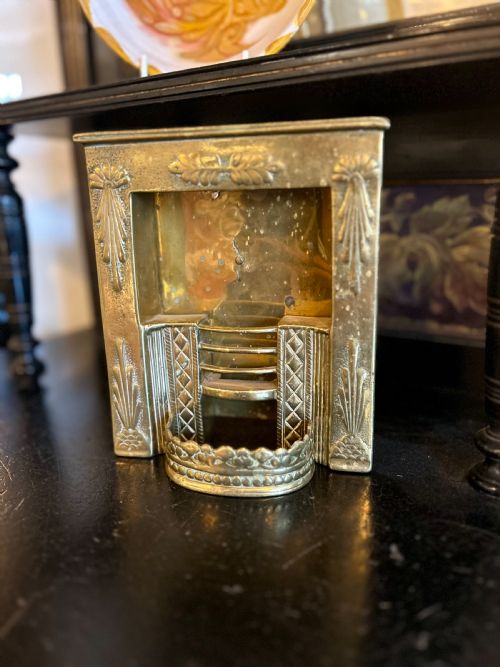


Victorian Salesmans Sample
A victorian salesmans sample condenses large machinery and heavy furniture into transportable miniatures that travellers carried to pitch wares.
Victorian Salesmans Sample
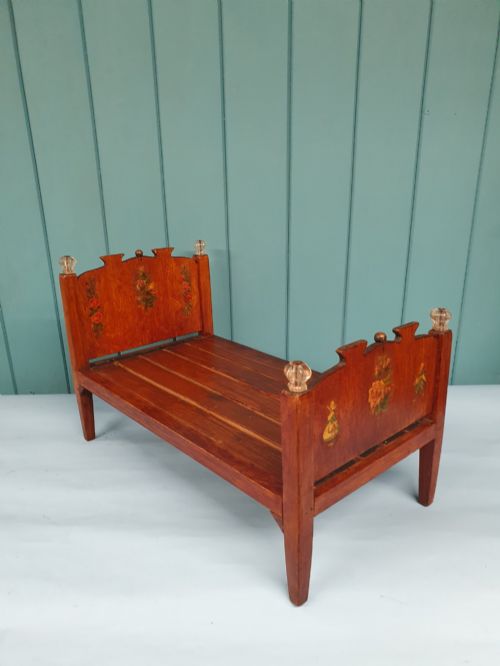
When you search for victorian salesmans sample, you enter a world of miniature furniture, architectural models and scaled household equipment built for nineteenth-century commerce. These objects served practical purposes for agents on the road, demonstrating full-sized items without the bulk of hauling actual furniture or hardware.
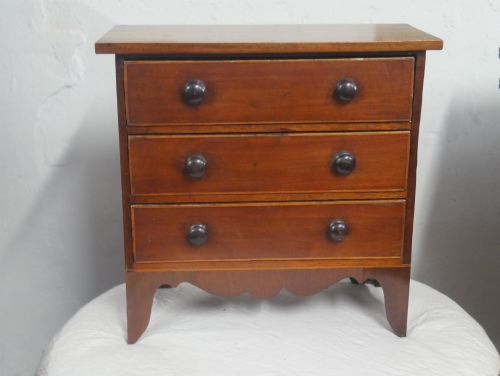
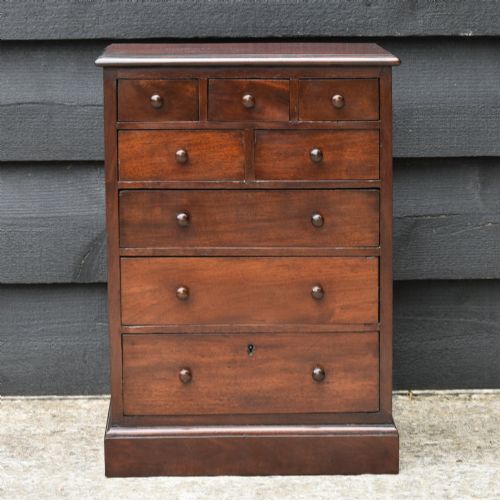
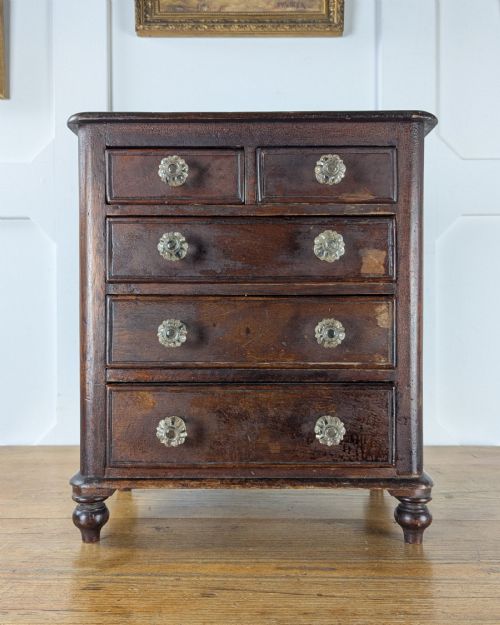
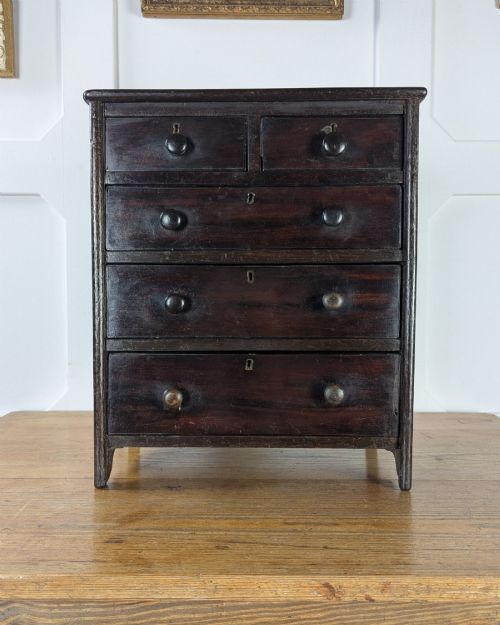
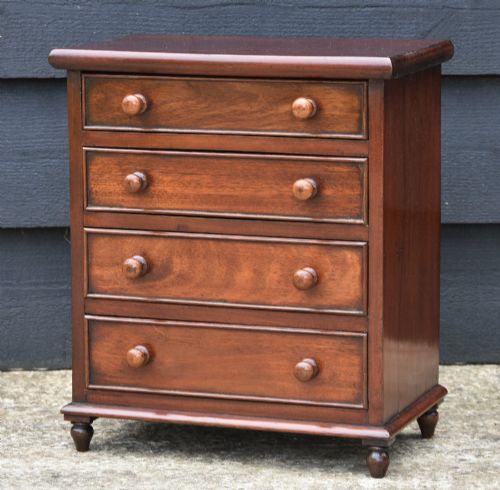
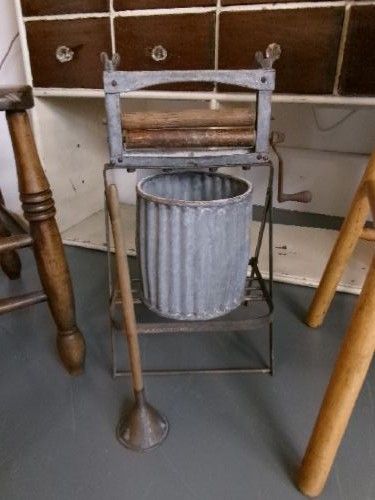
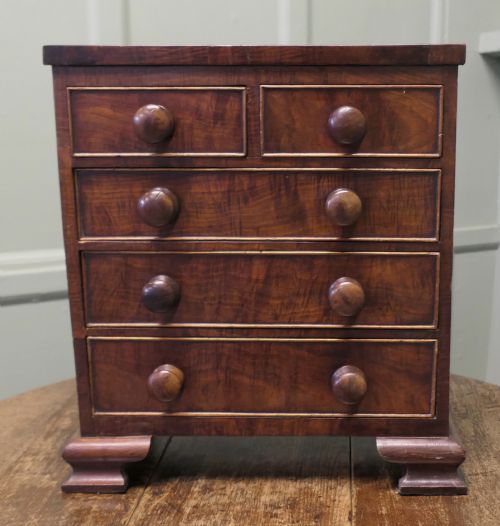
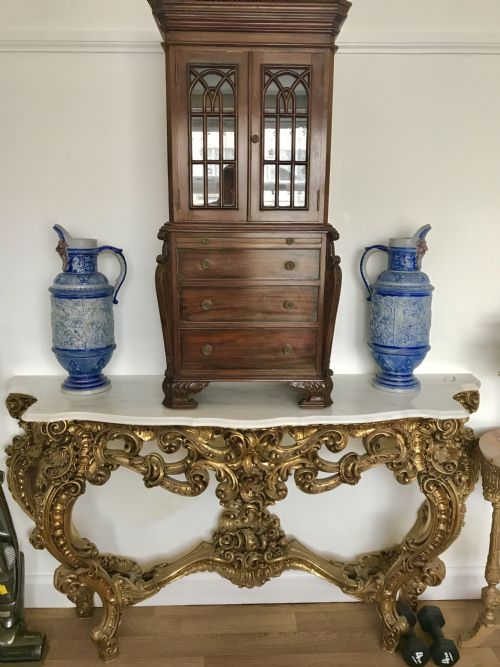
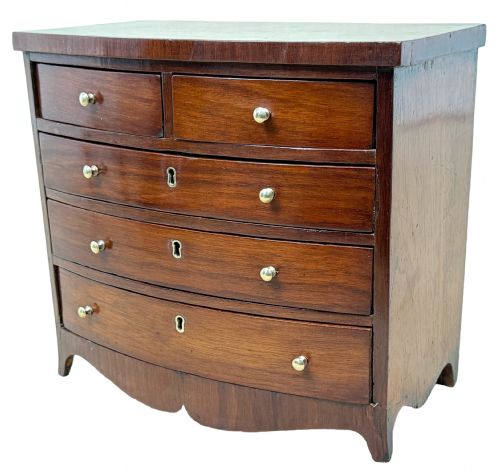
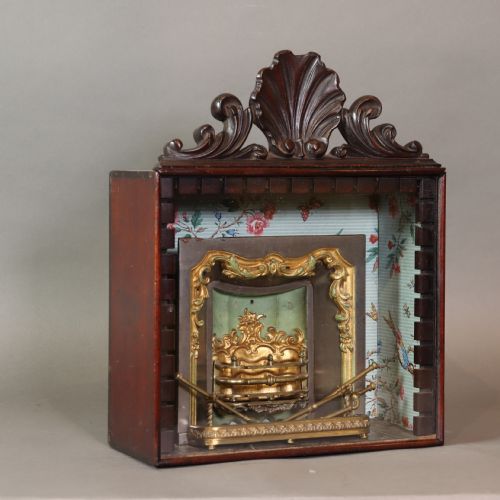
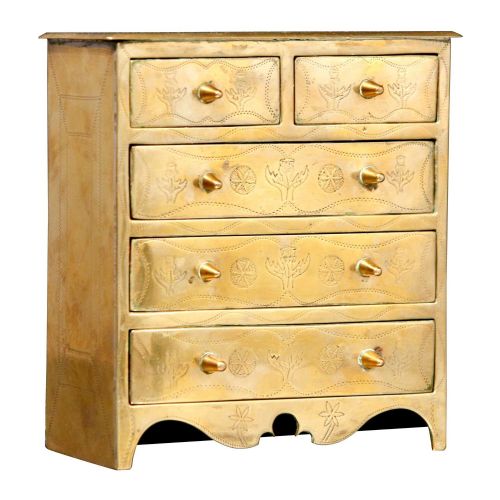
The version you are most likely to meet on this page is the miniature chest of drawers in mahogany, often linked to apprentice pieces or domestic workshops. Alongside these chests appear iron fireplaces, laundry equipment, agricultural models and hardware sample boards from the nineteenth century into the Edwardian era.
How They Were Made
Cabinetmakers constructed these miniature forms using dense timbers such as mahogany, oak, pitch pine and burr walnut, applying French polish and ebonised moulding for finish. Joinery mirrored full-sized furniture production, requiring precise miniaturisation of dovetails, drawers and turned feet.
Metal items relied on brass and cast iron, shaping miniature fireplaces, stoves and hardware boards with functional detail. Other materials include glass, leather, pottery and slate, reflecting the diverse trades that utilised scaled models.
A travelling agent once hauled an iron fire extinguisher model across Victorian Britain just to prove how buckets worked.
What Varies in Quality
The distinction between standard examples and superior pieces rests on the fidelity of the scaling and the ambition of the maker. A finely constructed miniature employs the same timber selection, secondary woods and jointing techniques found in full-scale domestic pieces rather than hasty box-making.
Detailing separates casual work from master craftsmanship, visible in working secret drawers, engraved brass fittings, accurate proportions and clean turnings. Pieces that retain their original hardware, French polish and structural integrity hold greater visual coherence.
Gerwin And Co Birmingham·Messer And Thorpe London
The Victorian Salesmans Sample Glossary
- Apprentice piece
- A project executed by a trainee craftsman to demonstrate mastery of joinery before entering a trade guild or workshop.
- French polish
- A shellac finish applied in numerous thin layers with a pad, producing a high-gloss surface that highlights the grain of mahogany and walnut.
- Vernacular
- Objects made by local artisans following regional traditions rather than strict academic styles, often seen in folk art furniture and agricultural models.
- Bowfront
- A curved convex cabinet front that swells outward, frequently seen on nineteenth-century miniature chests of drawers.
- Ebonised
- Timber treated with a dark stain or finish to imitate ebony, providing stark contrast against lighter wood mouldings.
Victorian Salesmans Sample: Frequently Asked Questions
What is a victorian salesmans sample?
These objects are scaled-down representations of furniture, stoves, hardware and equipment created for commercial travellers to show clients during the nineteenth century.
They allowed agents to demonstrate mechanisms and designs without carrying cumbersome full-sized goods across the country.
How do you tell a salesman sample from an apprentice piece?
Salesman samples generally focus on hardware, stoves or patented machinery intended for commercial orders, while apprentice pieces typically showcase cabinetmaking skills through miniature chests.
Both categories overlap in period and scale, though workshop provenance often determines the specific designation.
Were these miniatures actually used as children toys?
Some small furniture pieces crossed over into domestic playrooms or dolls houses after their commercial life ended, though their primary creation served trade and training.
Construction quality usually distinguishes professional scaled models from dedicated child-sized playthings.
How should I display miniature furniture at home?
These compact items fit easily on tabletops, mantelpieces or inside dedicated display cabinets where their intricate joinery can be viewed closely.
Keeping them away from direct sunlight preserves the original French polish and prevents timber from drying out.