
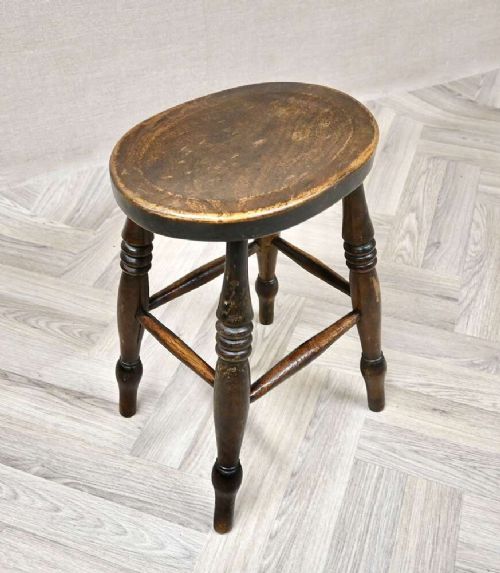
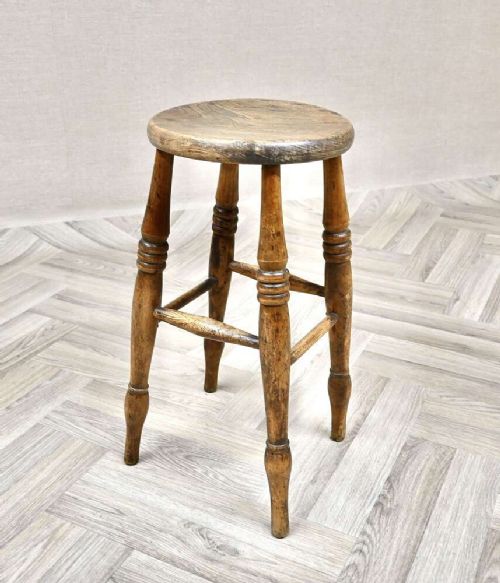
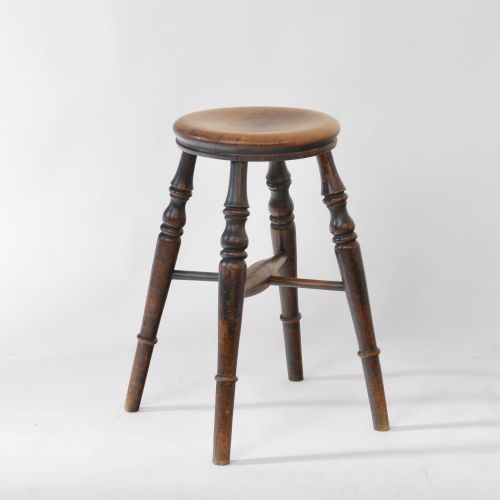
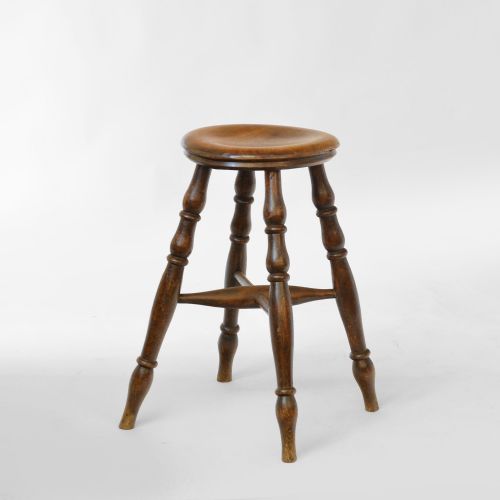

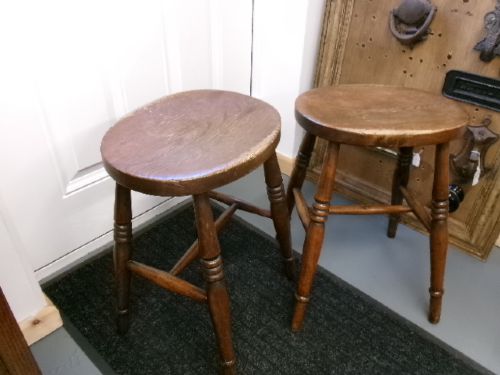
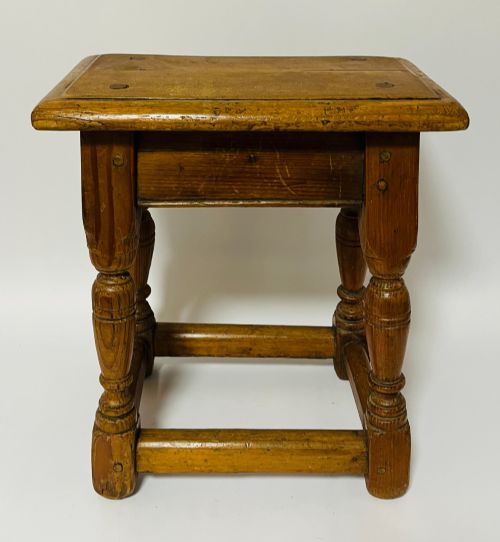
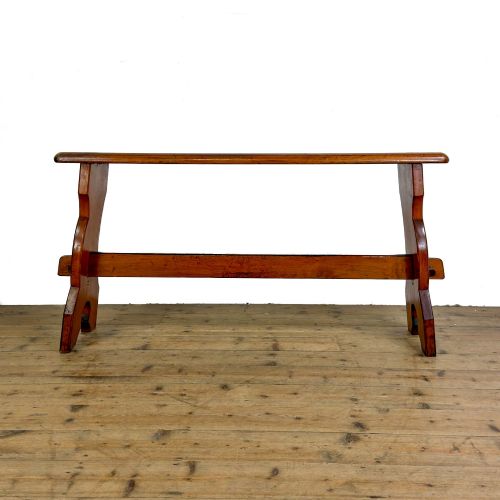
Victorian Rustic Stool
A victorian rustic stool brings honest utility and vernacular timber character into a modern interior.
Victorian Rustic Stool
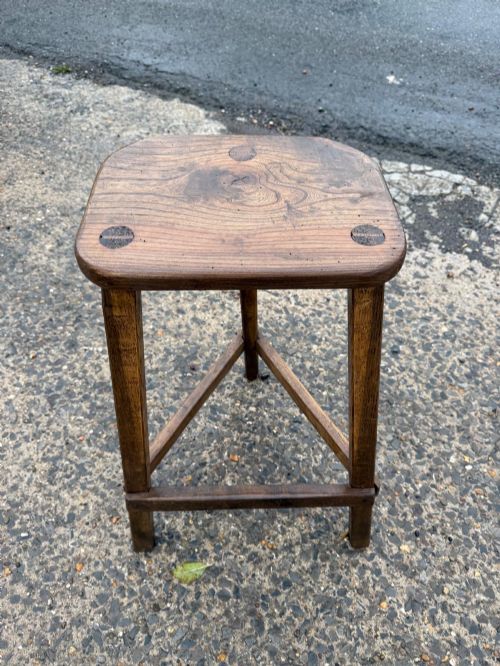
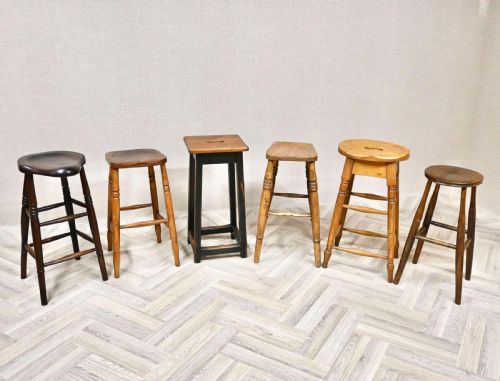
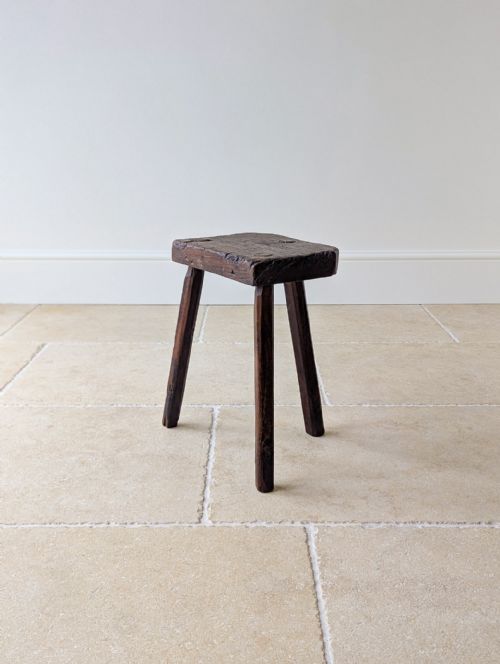
A victorian rustic stool encompasses practical seating created for utilitarian tasks, pubs, workshops and farmhouse kitchens during the nineteenth century. These pieces include low dairy and milking forms, tall bar stools, clerk and artisan designs, and jointed oak or elm examples.
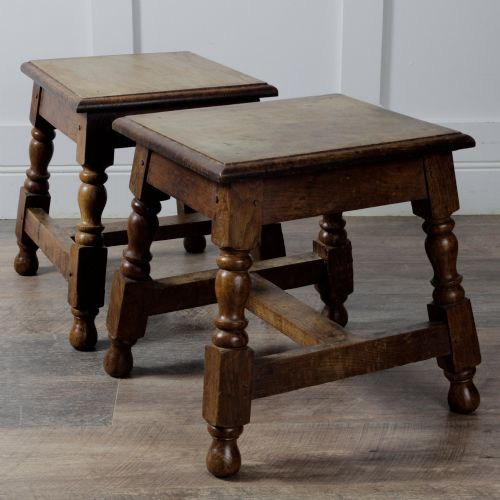
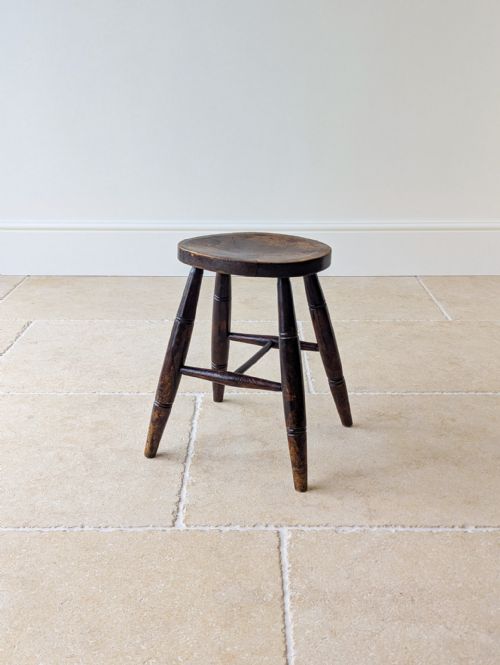
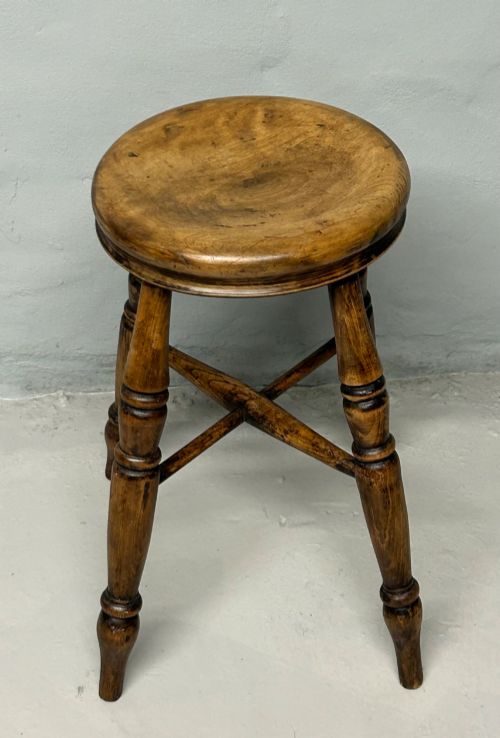
The varieties most commonly met on this page span vernacular country styles, featuring oval dished seats, turned legs and sturdy timber construction. They reflect the unpretentious domestic and commercial needs of the era, originating from local workshops and rural trades.
How they were made
Construction relies heavily on native hardwoods such as elm, oak, beech, ash and pine, selected for durability and strength in daily use. Makers frequently combined timber types, utilising dense woods for seats and resilient timbers for turned legs and stretchers.
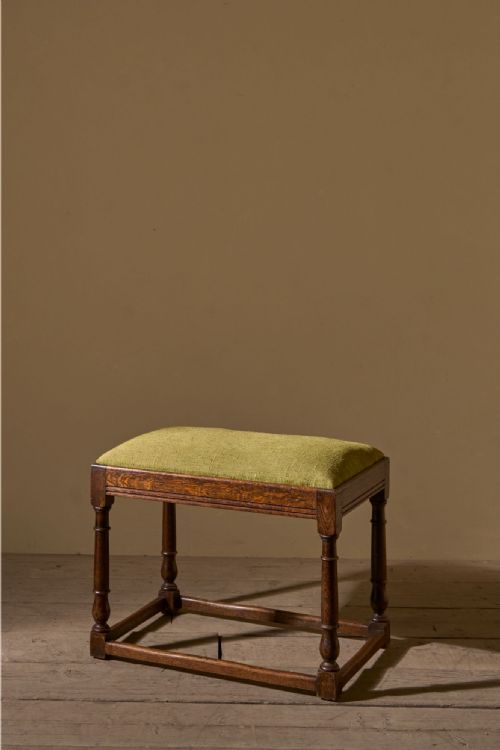
Joinery methods include traditional jointing, turned components and pegged joints designed to withstand heavy wear. Surfaces often display the marks of simple hand tools, lathe turnings, or traces of original paint and heavy linen upholstery.
Listings feature woods including oak, elm, pine, beech, ash and burr yew across the nineteenth and early twentieth centuries.
What varies in quality
Quality rests upon the selection of timber, the integrity of the original construction and the proportion of the form. Heavy elm tops with distinct grain patterns and well-turned legs command attention for their tactile presence.
The balance between utilitarian purpose and refined proportion distinguishes standard workshop pieces from finer examples. Retaining original surfaces, uncompromised structural joints and authentic patination elevates the standing of an individual stool.
The Victorian Rustic Stool Glossary
- Vernacular
- Describing objects built by local craftspeople to fulfil a specific regional or domestic purpose rather than following high-style academic designs. These pieces rely on traditional methods and local materials.
- Dished seat
- A seat surface carved or hollowed into a shallow concave depression for comfort during long periods of sitting. This technique is frequently seen on elm country stools.
- Joint stool
- A sturdy wooden stool constructed with mortise and tenon joints pegged together, predating chairs in common household use. Pine and oak examples survive from various nineteenth-century contexts.
- Turned
- Shaped on a lathe by rotating the timber against cutting tools to create cylindrical, bobbin or spindle legs and stretchers. Beech and ash were commonly turned for structural support.
- Patina
- The surface texture, sheen and colour acquired by wood through decades of handling, wear, waxing and exposure to light. It serves as an indicator of age and authentic use.
Victorian Rustic Stool: Frequently Asked Questions
What were victorian rustic stools used for?
These functional seats served daily roles in dairies, pubs, workshops and homes where practical utility mattered most. Workers used them for milking, clerking, weaving and manual trades requiring stable low or tall seating.
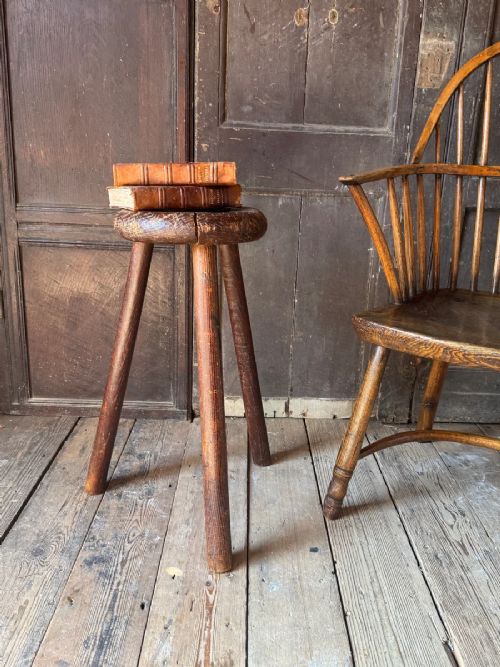
Over time, their unpretentious charm transitioned them from purely industrial or farm implements into versatile household accents used for resting books, plants or small items.
How do I tell different wood types apart?
Elm typically displays a pronounced, swirling grain pattern with a dense, fibrous texture that resists splitting. Oak offers a heavier weight with visible medullary rays, while pine is softer with paler tones and occasional knots.
Beech and ash present tighter, straighter grain structures well suited to turning on a lathe for legs and stretchers. Examining the underside and wear points helps reveal the underlying timber.
Where should I place a stool in my home?
Their compact scale makes these pieces adaptable for placement beside armchairs, beneath console tables or as impromptu seating in hallways. Low varieties function well as footstools or bedside stands.
Tall bar and workshop stools suit kitchen islands or architectural desks, adding texture and historical contrast to modern living spaces without dominating the room.
How should I care for antique timber?
Maintain the wood by applying natural beeswax sparingly and buffing with a soft cloth to preserve the existing surface sheen. Avoid placing timber pieces near direct heat sources or in fluctuating humidity.
Gentle dusting with a dry cloth is sufficient for daily upkeep, protecting the historic patina and preventing the dry cracking sometimes seen in aged wood.