


Victorian Round Side Table
A victorian round side table brings compact utility and nineteenth-century timber craft directly into a sitting room.
Victorian Round Side Table
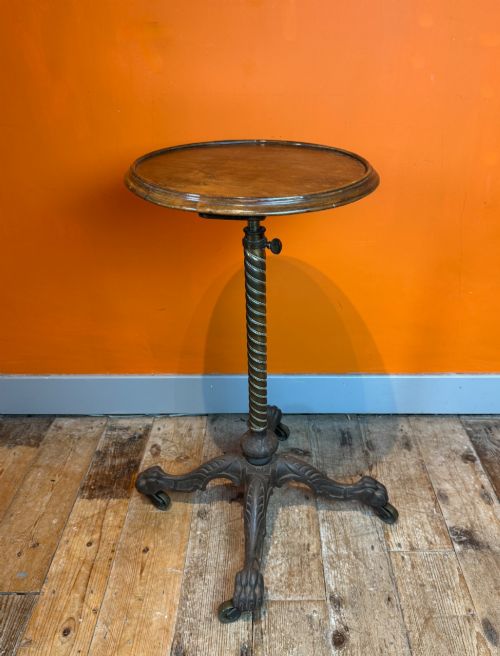
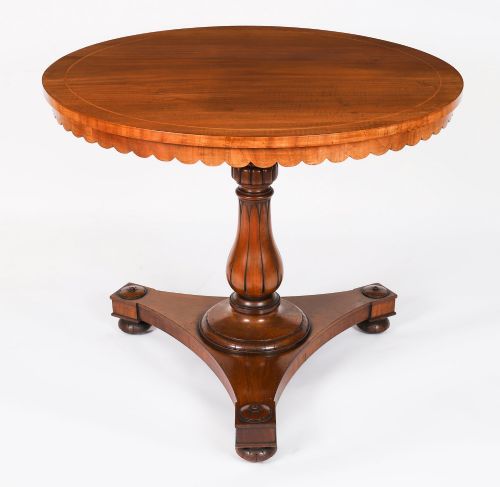
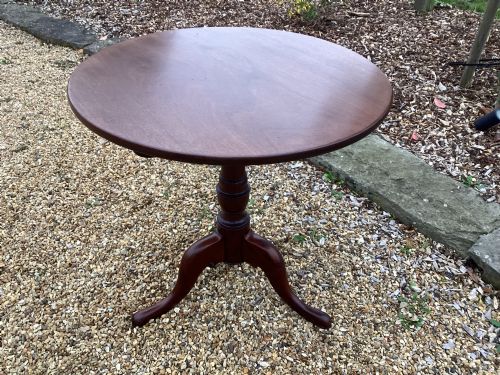
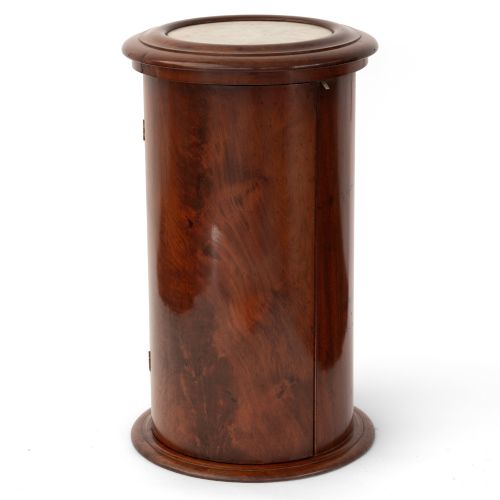
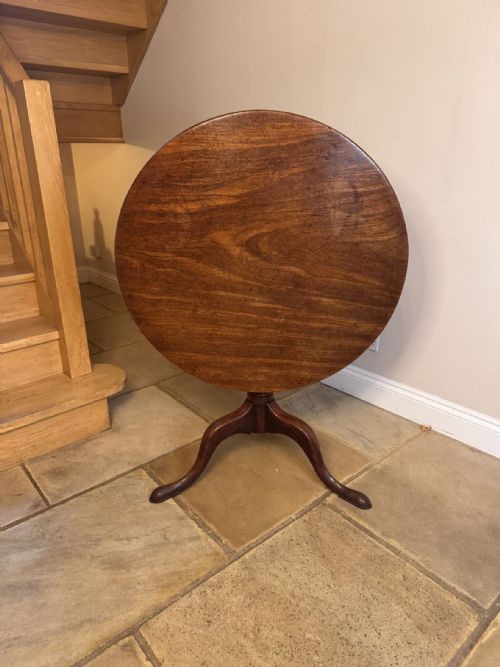
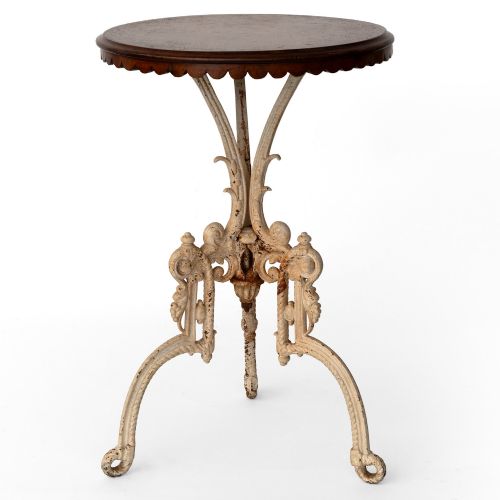
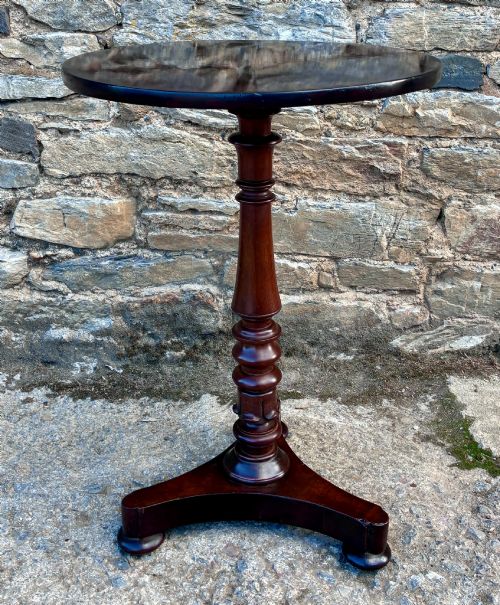
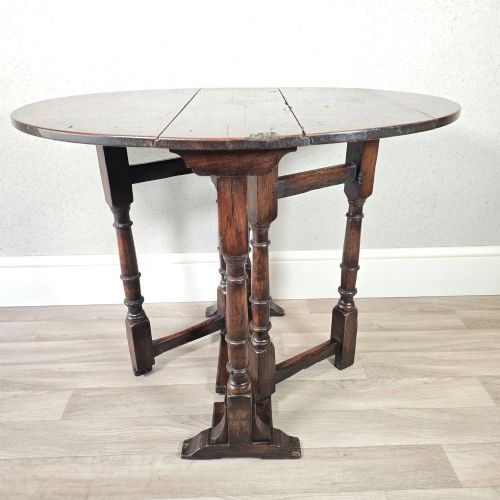
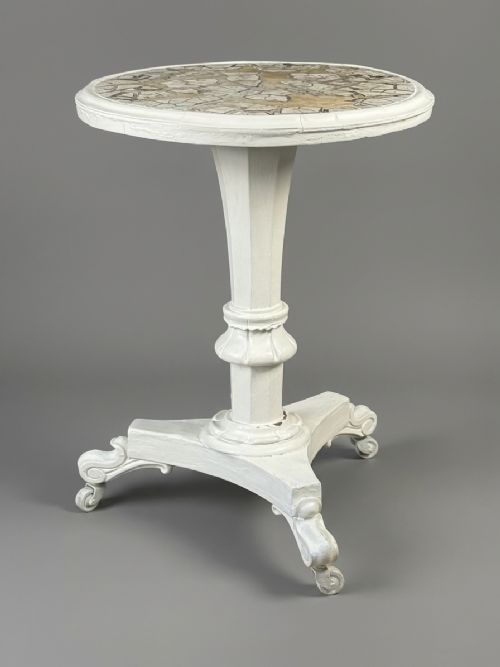
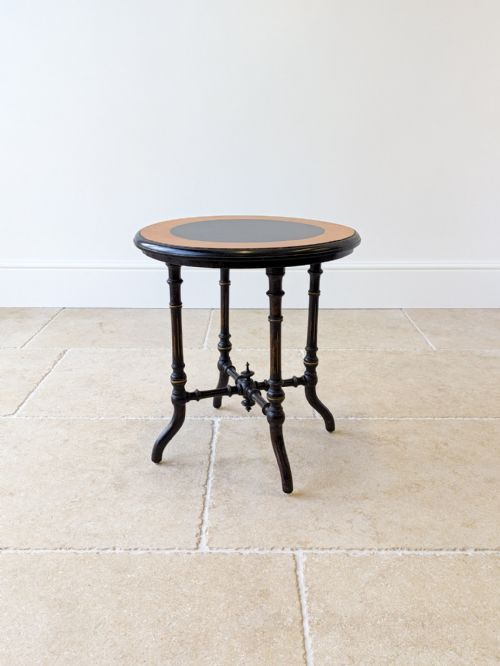
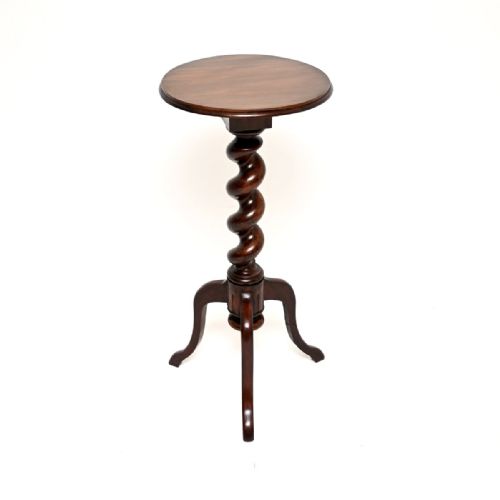
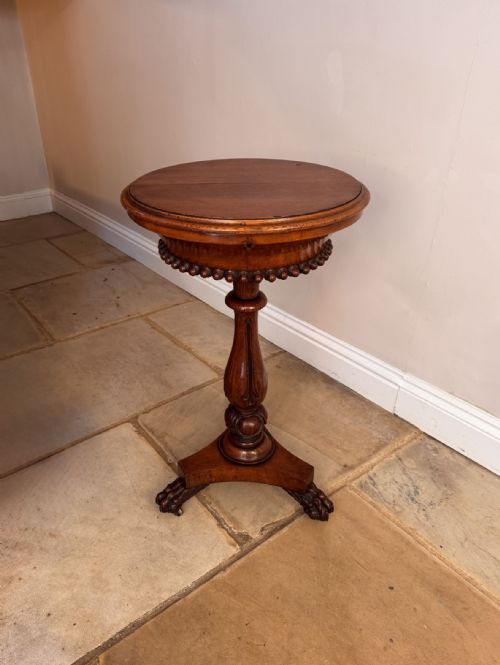
A victorian round side table encompasses occasional, wine, lamp and tripod tables produced across the nineteenth century. The form appears most frequently in rich mahogany and walnut, standing on single pedestals with tripod legs or traditional four-leg frames.
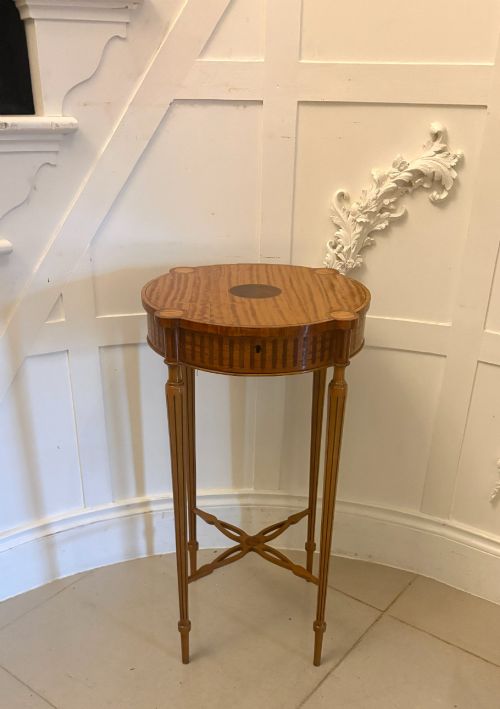
Makers designed these small-scale pieces for specific domestic tasks, including holding lamps, serving wine or displaying ornaments. Variations range from plain pine country examples to highly decorative satinwood, rosewood and marquetry designs.
The selection reflects diverse regional influences and revival styles, featuring Chippendale revival, Sheraton revival and Anglo-Indian details. Buyers encounter everything from tilt-top mechanisms to fixed tops supported by barley twist or bobbin turned columns.
Materials and Construction
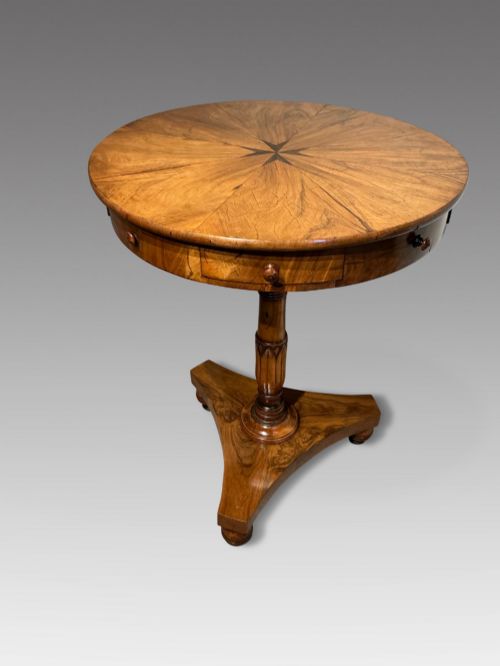
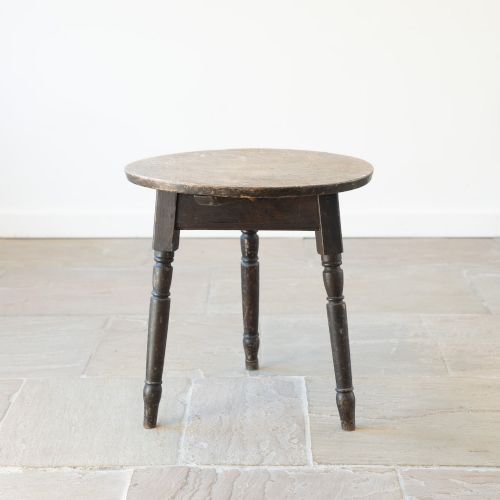
Cabinetmakers utilised dense hardwoods such as mahogany, walnut and rosewood, often pairing solid timber frames with figured veneers like burr wood or pollard oak. Secondary timbers such as pine appear on simpler country pieces and cricket tables.
Structural joints relied on traditional turning, mortise and tenon joinery, and stable tripod configurations fixed to central pillars. Decorative elements involved hand carving, mother-of-pearl inlay, marquetry, ebonising and hand-painted surface decoration.
Victorian Round Side Table Retail Price Guide 2026
Typical asking prices for victorian round side table among the pieces listed under this phrase on Sellingantiques today, from the lower quarter to the upper quarter. They describe what is for sale here now, not the wider market.
Some nineteenth-century tables folded completely flat into portable coaching formats for travellers.
Craft and Proportion
Quality rests in the selection of timber figures, the crispness of turned barley twist or pedestal columns, and the stability of the tripod or leg assembly. Superior examples display seamless veneer matching on circular tops and refined hand-carved details.
The integrity of functional mechanisms, such as tilt-top catches and folding joints, distinguishes better workshops. Finer pieces maintain balanced proportions between the top diameter and the supporting pedestal height.
Anton Seuffert
The Victorian Round Side Table Glossary
- Tripod Table
- A small freestanding table supported by a central pillar resting on three legs. This construction kept the piece stable on uneven nineteenth-century floors.
- Tilt Top
- A hinged table top that folds vertically when not in use. This clever mechanism allowed the furniture to stand flat against a wall to save floor space.
- Barley Twist
- A cylindrical furniture leg or column carved in a spiral twist resembling a stalk of barley. It became especially popular during the Victorian era.
- Marquetry
- Decorative veneer work arranged in pictorial patterns using different coloured woods, shells or ivories. Craftsmen carefully fitted these pieces together before applying them to the table top.
- Cricket Table
- A small three-legged round table with a wooden top and stretchers connecting the legs. The design originated in English country houses and vernacular settings.
Victorian Round Side Table: Frequently Asked Questions
What is a victorian round side table used for?
These tables served various domestic functions throughout the nineteenth century, acting as stands for oil lamps, bedside surfaces, or tea and wine tables in drawing rooms. Their compact round tops made them easy to move around sitting spaces as needs changed.
Today, they function well beside armchairs or sofas to hold lighting, books or drinks while adding period character to a modern interior.
Are all round side tables from the Victorian period?
While the majority of these pieces date from the nineteenth century and Victorian reigns, the listings also include pieces from adjacent eras such as the Edwardian period and earlier nineteenth-century William IV styles. Revival movements like Sheraton and Chippendale also influenced designs created later in the century.
Checking timber types, turning styles and construction methods helps distinguish mid-nineteenth-century examples from later revival pieces.
How do I care for a antique wood table top?
Antique mahogany, walnut and rosewood surfaces respond best to regular dusting with a soft, dry cloth and occasional applications of traditional beeswax to nourish the timber. Avoid placing them in direct sunlight or near heat sources to prevent the wood or veneer from drying out.
Using coasters and mats protects the polished finish from moisture rings and heat marks while preserving the original surface patina.