





Victorian Rosewood Piano
A victorian rosewood piano brings nineteenth-century craftsmanship into the music room through rich timbers and adjustable seating designed for the parlour.
Victorian Rosewood Piano
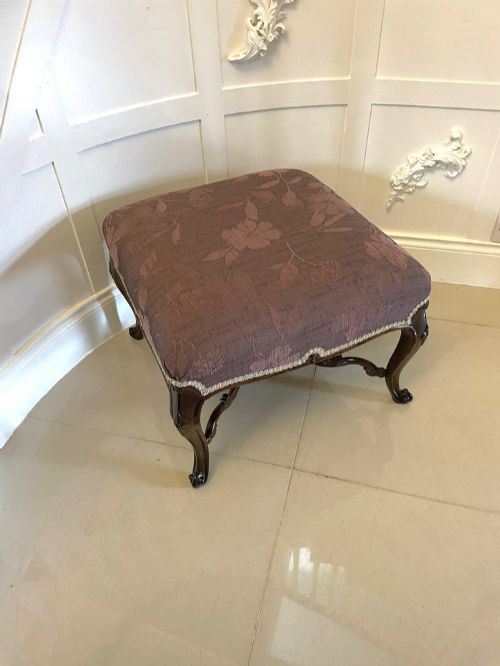
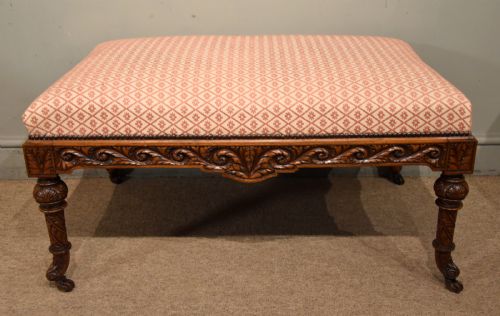
A victorian rosewood piano search primarily reveals seating designed for nineteenth-century musical parlours, alongside grand pianos and writing desks. Stools dominate the selections, appearing in revolving, rise and fall, and cross-frame configurations intended for the piano or harp.
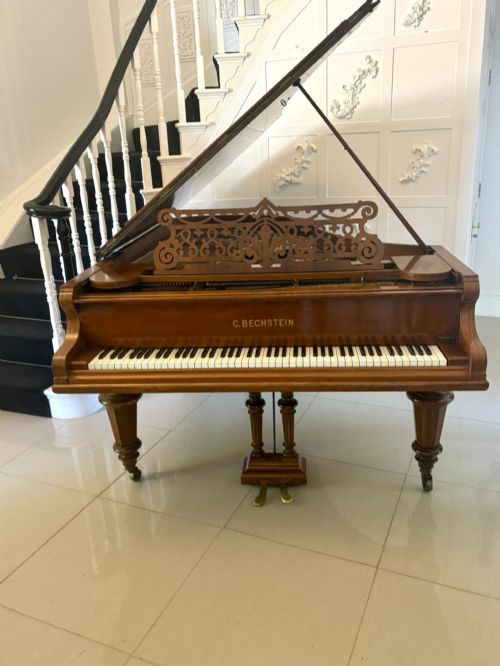
The objects span the nineteenth century, with specific dates clustering around the middle and later decades of the Victorian period. Alongside instruments by makers like C. Bechstein, the material culture includes Davenport desks and correspondence boxes sharing the same timber and aesthetic.
Materials and Technique
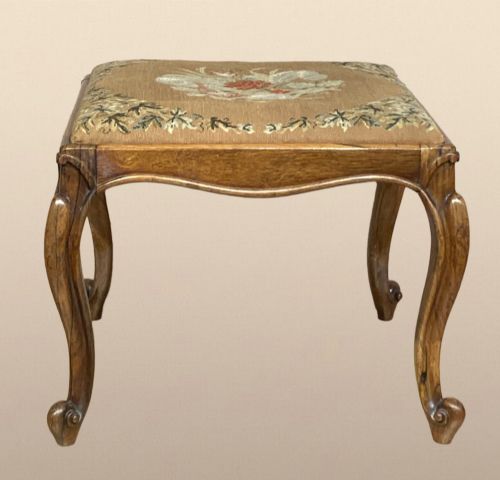
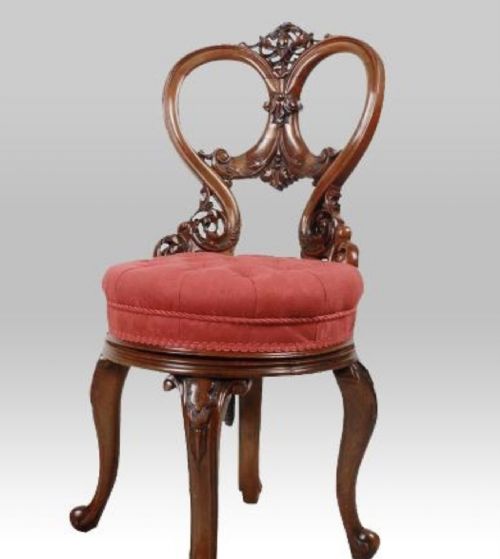
Makers utilised solid and veneered rosewood for the primary structures, frequently incorporating boxwood inlay, brass fittings, and cast iron within the larger mechanisms. Carved details and cabriole legs define the silhouette across stools and desks alike.
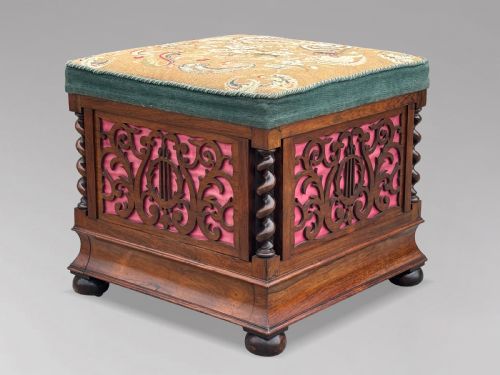
Upholstery forms a vital component of the seating, employing fabric, velvet, tapestry, and textile over lift-out or fixed pads. Mechanical ingenuity governs the adjustable seats, utilising rise and fall screws, revolving tops, and patented systems.
A Victorian pianist could spin rapidly on a revolving stool before tackling a particularly vigorous arpeggio.
Craftsmanship and Mechanism
The distinction between ordinary and superior pieces rests on the execution of the carving and the precision of the mechanical rising or revolving actions. Patent mechanisms by known makers demonstrate a higher grade of engineering and finish.
Timber selection and inlay work further separate standard workshop output from exceptional examples. Finer pieces display crisp boxwood detailing and well-figured rosewood grain across the structural frame.
C.Bechstein·Charles Nosotti·Charles Wadman·H. Brooks & Co
The Victorian Rosewood Piano Glossary
- Rise and fall stool
- A seating form with a mechanical screw mechanism allowing the sitter to adjust the height by turning the top. This design ensured correct posture for nineteenth-century musicians.
- Revolving piano stool
- A seat featuring a central threaded spindle that permits the top to spin freely for height adjustment. Many examples from this period incorporate a padded velvet or tapestry cover.
- Canterbury box
- A compartmented stand beneath or beside a seat used for holding sheet music and folios. These multi-functional pieces combined storage with domestic seating.
- Cabriole leg
- A furniture leg that curves out and then in, resembling the shape of an animal's leg. This stylistic flourish appears frequently on Victorian rosewood seating.
- Boudoir grand piano
- A shorter version of the grand piano intended for domestic drawing rooms rather than concert halls. These instruments combined cast iron frames with rosewood cabinetry.
Victorian Rosewood Piano: Frequently Asked Questions
How do I adjust the seat height?
Many Victorian piano stools use a central screw mechanism that allows the upholstered top to rise or fall when turned. Some examples employ a rise and fall lever system.
Ensure the mechanism is fully engaged and lubricated if stiff before attempting adjustments on older rosewood hardware.
What is a duet piano stool?
A duet stool provides a wider upholstered surface designed to seat two musicians playing a piece together. These often feature extended rosewood frames and storage compartments beneath.
They match the aesthetic of the main parlour instrument while offering practical multi-player seating.
How do I identify the period?
Nineteenth-century pieces often display specific revival styles, such as Rococo or Arts and Crafts, alongside patent stamps or maker signatures. Rosewood was heavily utilised during the Victorian era.
Construction methods, such as the use of cast iron frames in pianos and traditional joinery in stools, help confirm the nineteenth-century origin.
Can I use these stools daily?
These rosewood pieces function well in modern interiors when treated with reasonable care for their age. The upholstered seats often feature traditional textiles like velvet or tapestry.
Regular checks on the structural joints and mechanical screws will maintain stability during everyday use.