



Victorian Rose Gold Necklace
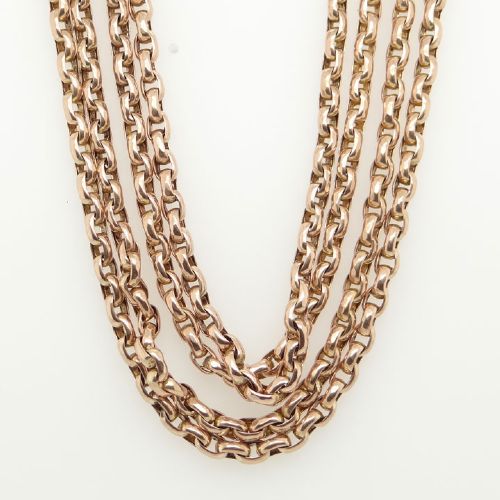
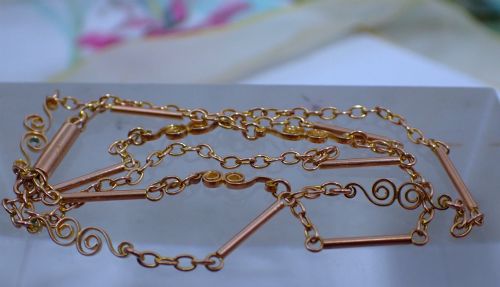
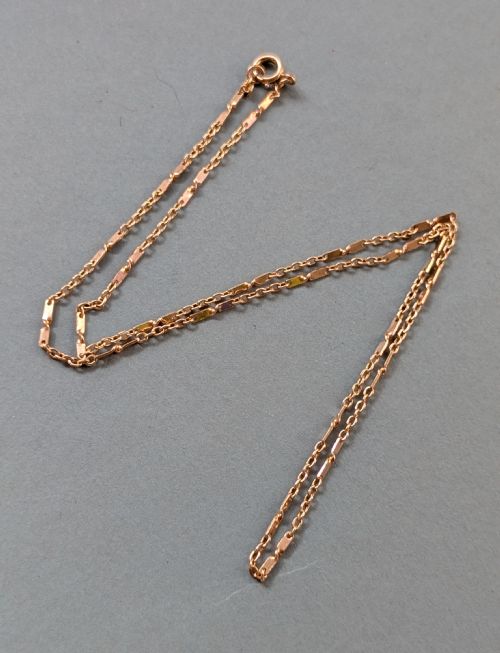
A victorian rose gold necklace brings a warm, distinct metal tone to the neck, ranging from delicate guard chains to substantial albert links.
Victorian Rose Gold Necklace
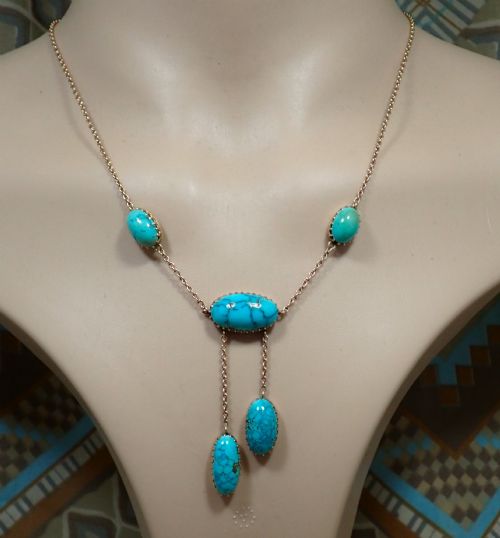
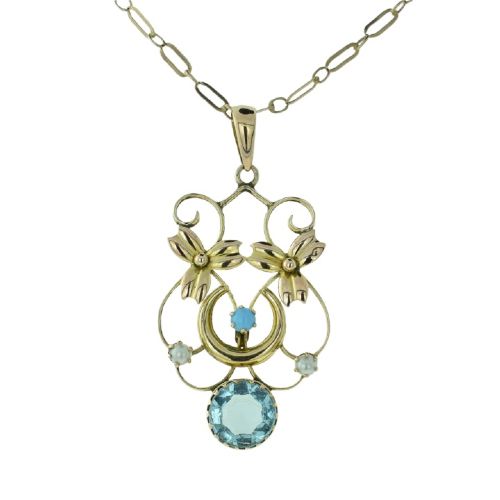
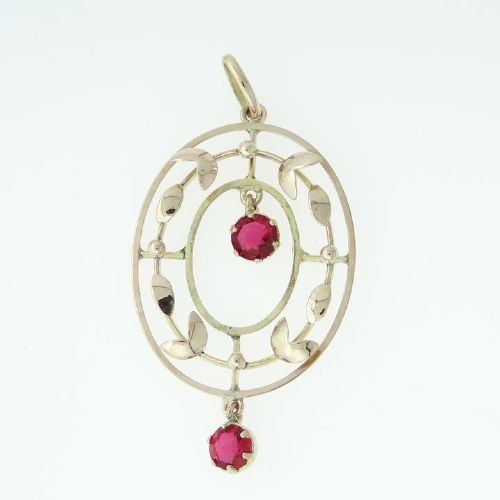
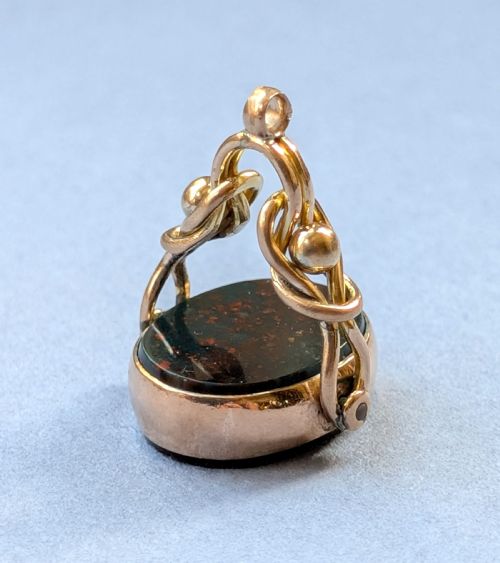
When you search for a victorian rose gold necklace, you encounter items originating primarily from the nineteenth century and the early decades of the twentieth century. These pieces span multiple forms, including long guard chains, albert chains adapted for neck wear, drop pendants, and negligee necklaces.
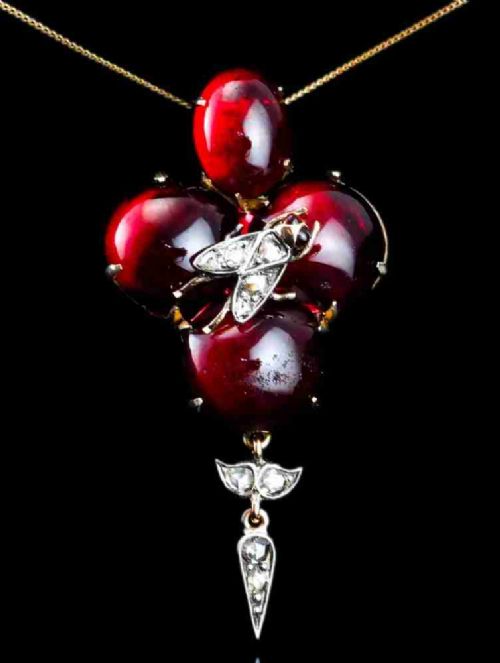
The material composition centres on nine-carat and eighteen-carat rose gold, occasionally paired with silver settings for gemstones. Many examples incorporate natural stones such as turquoise, garnets, diamonds, pearls, and opals, alongside enamel and pietra dura work.
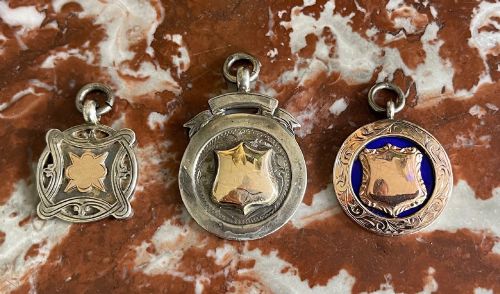
The selection includes French antique pieces, English hallmarked items, and Arts and Crafts designs. Simpler chain links and complex fob pendants demonstrate the varied domestic and decorative uses of these gold items across different eras.
How They Were Made
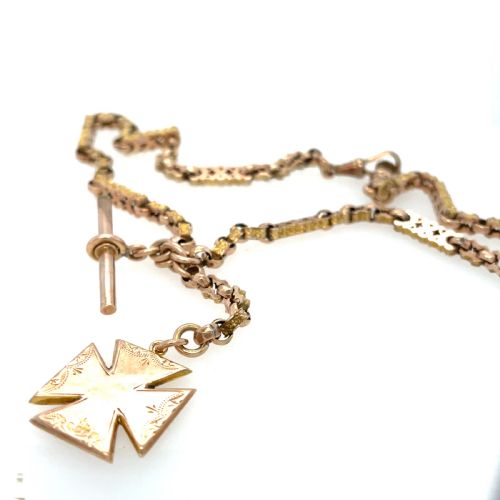
Goldsmiths utilised nine-carat and eighteen-carat rose gold alloys, shaping them into curb, belcher, rolo, and trombone links by hand or using early mechanical methods. Chains often incorporate dog clips, swivel clasps, and T-bars as functional components.
Gemstone mounting involved silver settings placed over gold to enhance the brilliance of rose-cut and old-cut diamonds, garnets, and turquoise. Enamel work, seed pearls, and hand-carved agate or pietra dura plaques were integrated into pendant centres and locket faces.
What Varies in Quality
The standard of a victorian rose gold necklace depends on the weight and integrity of the gold links, the original matching of components like T-bars and dog clips, and the security of the settings for set stones such as garnets, diamonds, and turquoise. Substantial albert chains and intact multi-stone negligee designs represent high levels of period workmanship.
Artisanal detail distinguishes the manufacturing standard, visible in the precision of chain link connections, the execution of blue enamel work, and the quality of hand-cut stones like rose-cut diamonds or cabochon garnets. Pieces featuring French hallmarks or complex floral and religious motifs show refined craftsmanship.
The Victorian Rose Gold Necklace Glossary
- Albert chain
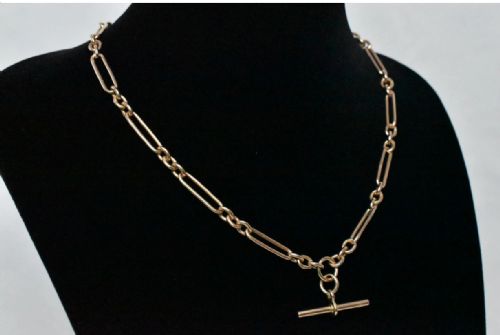
- A heavy watch chain originally designed to secure a pocket watch through a waistcoat buttonhole. These are frequently worn today as necklaces.
- T-bar
- A transverse bar attached to a watch chain used to anchor the chain to clothing or a buttonhole. It remains a decorative feature on converted chains.
- Negligee necklace
- An asymmetrical pendant design featuring two drops hanging at slightly different lengths from a central connector. This style gained popularity during the Edwardian period.
- Dog clip
- A spring-loaded swivel clasp used to secure watch chains and charms. They provide a practical fastening on many nineteenth-century chains.
- Pietra dura
- An artistic technique using inlaid cut and fitted polished coloured stones to create pictorial images. It appears on Victorian pendant plaques.
- Rose-cut
- A vintage diamond cut featuring a flat base and a domed crown with triangular facets. This cut predates modern brilliant cutting methods.
Victorian Rose Gold Necklace: Frequently Asked Questions
How do I wear a long guard chain?
Long guard chains can be worn doubled around the neck or left as a single continuous strand.
Many of these chains feature integrated dog clips that allow the wearer to attach pendants or double the chain securely.
What is an albert chain used for?
Albert chains were originally made to attach pocket watches to men's garments using a T-bar and dog clips.
Today, collectors wear these robust chains around the neck as statement necklaces.
Are these necklaces solid gold?
The evidence shows items fabricated from solid nine-carat and eighteen-carat rose gold alloys.
Some gemstone pieces also incorporate silver settings on the face to showcase diamonds.
How can I tell the period of a necklace?
Dating relies on stylistic clues like Edwardian Arts and Crafts motifs, Victorian garnet clusters, and French hallmarks.
Chain link styles such as trombone and fetter and knot also point to specific manufacturing decades.