
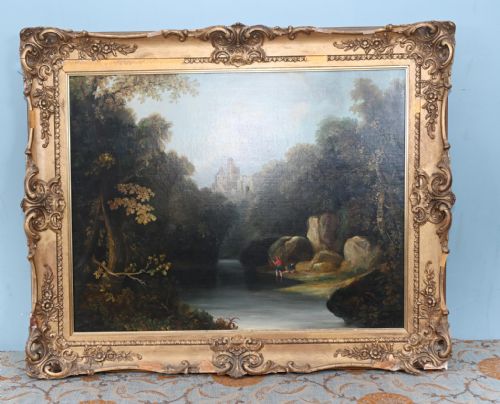


Victorian River Oil Artwork
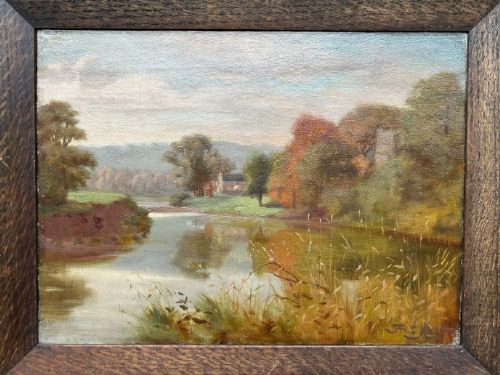
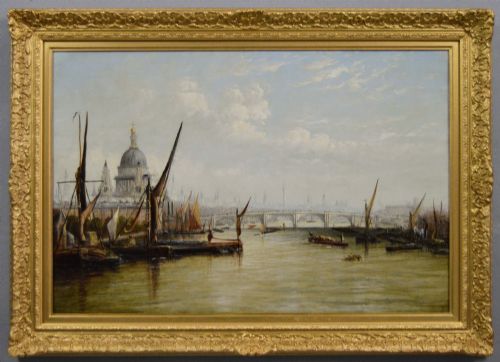
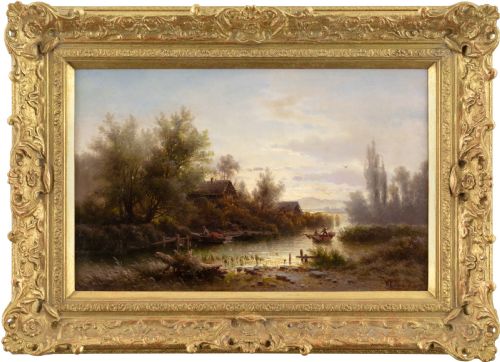
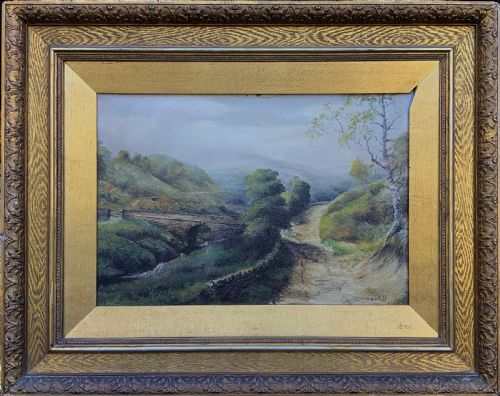
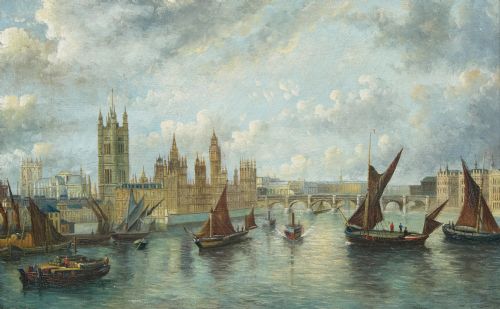
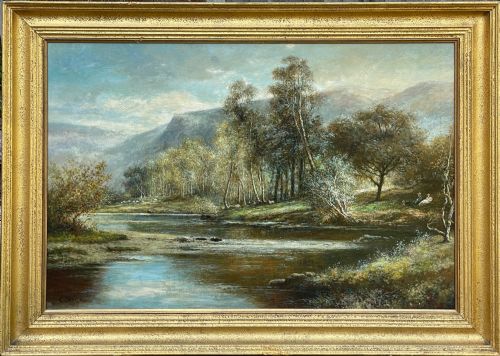
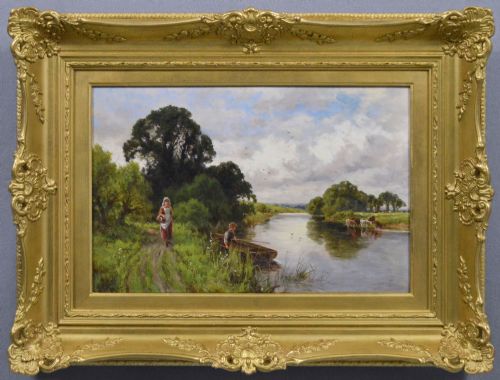
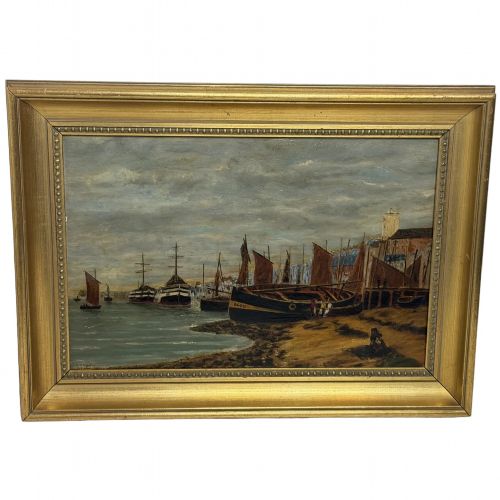
These pieces of victorian river oil artwork capture 19th-century waterways and pastoral life on canvas.
Victorian River Oil Artwork
When you search for victorian river oil artwork, you are looking at fine art paintings depicting waterways, bridges, and boats across British and European landscapes. These pieces capture the naturalism and pastoral scenery favoured during the 19th century.
The most common examples on this page are oil paintings on canvas depicting rural rivers, coastal harbours, and urban water scenes like the Thames, often framed in period giltwood.
Originating largely from the Victorian era and the broader 19th century, these works range from intimate wooded river views to large panoramic landscapes.
How They Were Made
Artists of this period applied oil paint to stretched canvas or occasionally wood panels, building up rich textures and tonal depth.
Finished canvases were typically housed in ornate gesso and gilt wood frames, sometimes incorporating intricate gold leaf detailing to complement the scene.
Several canvases manage to make chestnut horses look positively dignified while standing knee-deep in Welsh rivers.
What Varies in Quality
The distinction between standard works and exceptional examples lies in the finesse of brushwork, the handling of light on water, and the naturalism of the composition.
Signed works by recognised 19th-century painters demonstrate superior draughtsmanship and atmospheric perspective compared to unsigned or provincial pieces.
Francis Moltino·Henry H Parker·John Ferneley Senior·Charles William Wyllie·Thomas Baker·George Vicat Cole·Thomas Spinks·Benjamin Williams Leader
The Victorian River Oil Artwork Glossary
- Giltwood
- Wood carved and coated with gold leaf or a gold-coloured finish. This material is standard for period frames encasing 19th-century oil paintings.
- Gesso
- A plaster-like binder applied to wood frames before gilding. It provides a smooth surface for intricate mouldings.
- Oil on Canvas
- Pigment mixed with drying oil applied to a woven fabric support. This combination allowed Victorian artists to achieve deep colour saturation.
- Tondo
- A circular painting or relief. These unusual formats appear in mid-19th-century landscape compositions.
- Naturalism
- An art movement focusing on the realistic depiction of the natural world. This style dominates Victorian river and landscape paintings.
Victorian River Oil Artwork: Frequently Asked Questions
What subjects appear in these paintings?
These artworks predominantly feature British rivers, coastal harbours, and mountain streams with figures, boats, or livestock. Scenes range from urban stretches of the Thames to quiet Welsh and Scottish waterways.
Artists focused on naturalistic representations of light, weather, and topography, capturing both industrial activity and tranquil pastoral environments during the 19th century.
How should I frame an oil painting?
Period oil paintings are best housed in contemporary Victorian giltwood or gesso frames that match the age of the canvas. These ornate frames provide structural support and historical context.
Avoid modern synthetic mouldings, as traditional frames utilise carved wooden profiles and gold leaf that complement the depth of oil paint.
How do I date these artworks?
Dating relies on stylistic clues, artist signatures, canvas stamps, and framing techniques typical of the 19th century. Many pieces carry inscriptions or exhibition labels on the reverse.
Victorian naturalism and Realism followed specific compositional trends that shifted from romantic idealism towards topographical precision as the century progressed.
Where were these artists working?
The painters whose work appears here operated across Britain and parts of continental Europe, recording local river systems and rural scenery. Many belonged to regional British schools.
Locations span the Thames in London, Welsh valleys, Scottish glens, and French chateaux landscapes, reflecting the widespread popularity of landscape painting.