




Victorian Revolving Stand
A Victorian revolving stand brings clever turning mechanics to books, cues, and coats.
Victorian Revolving Stand
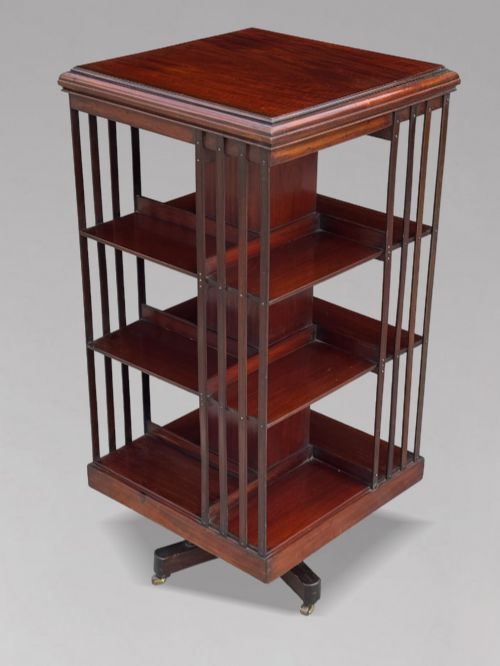
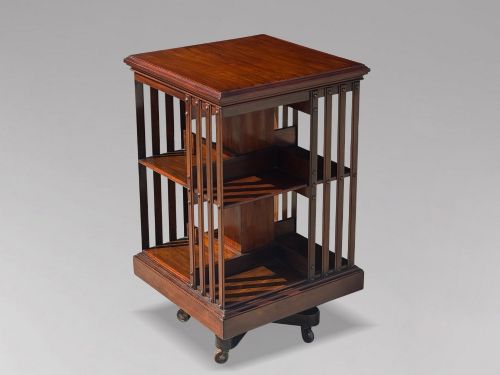
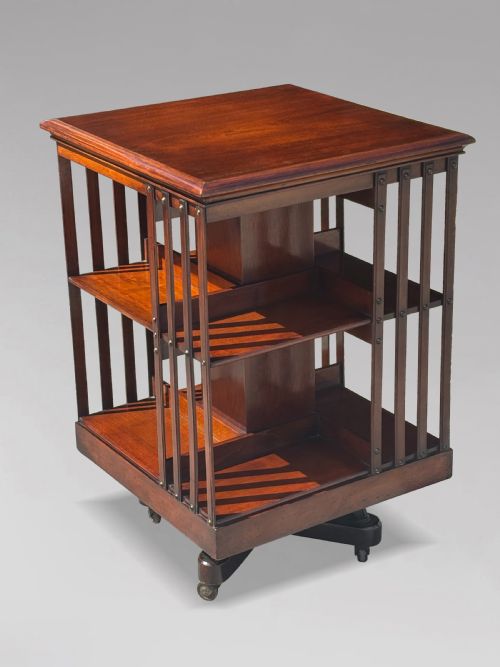
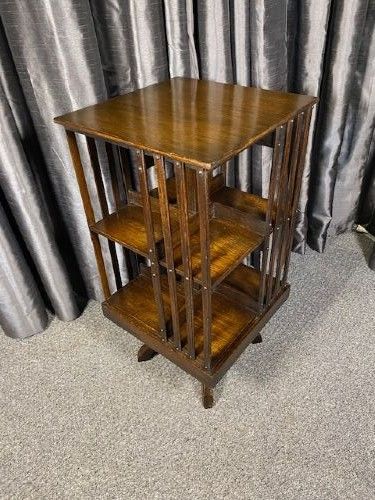
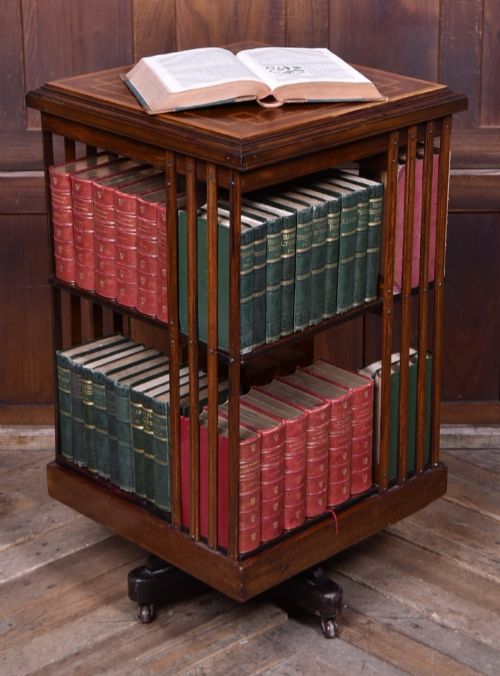
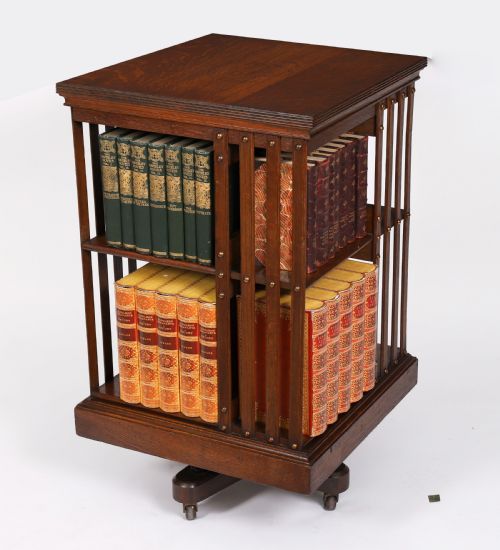
A victorian revolving stand is a rotating piece of furniture designed to hold books, magazines, or specialised items like snooker cues and hats. The most common version met on this page is the revolving bookcase, usually fashioned in mahogany or oak.
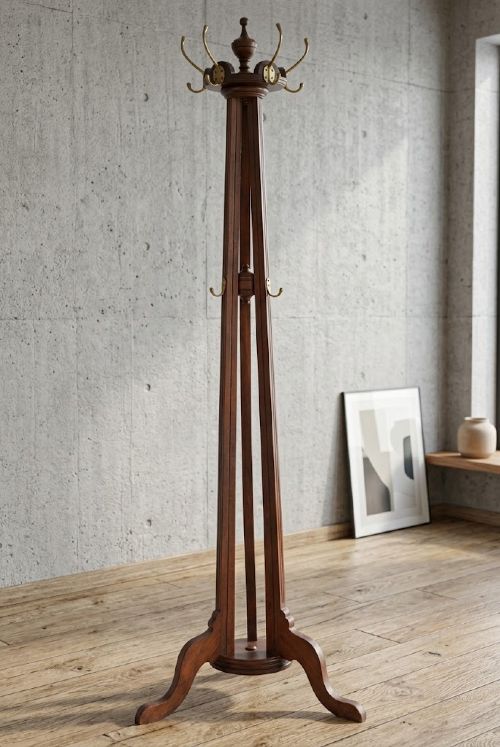
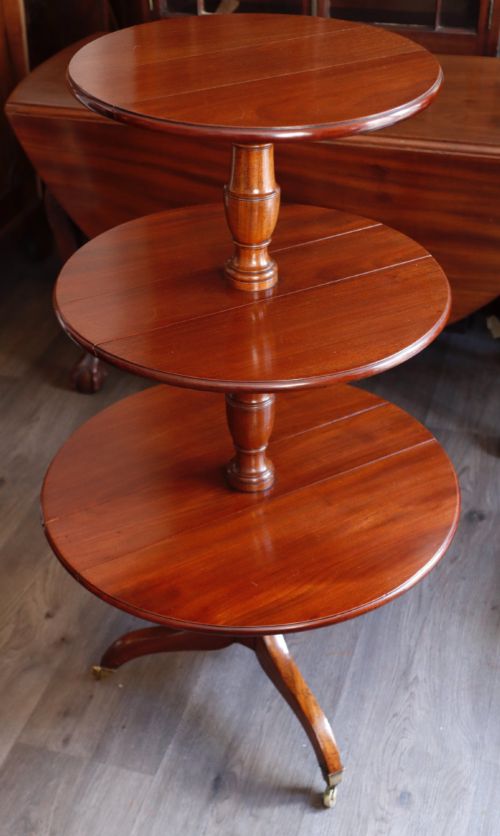
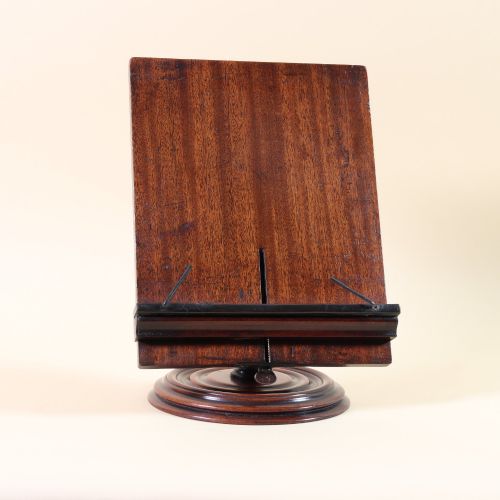
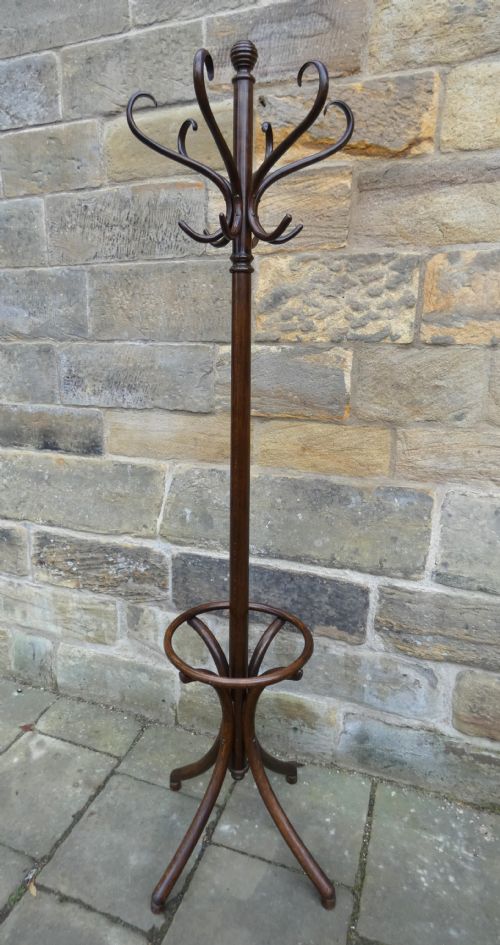
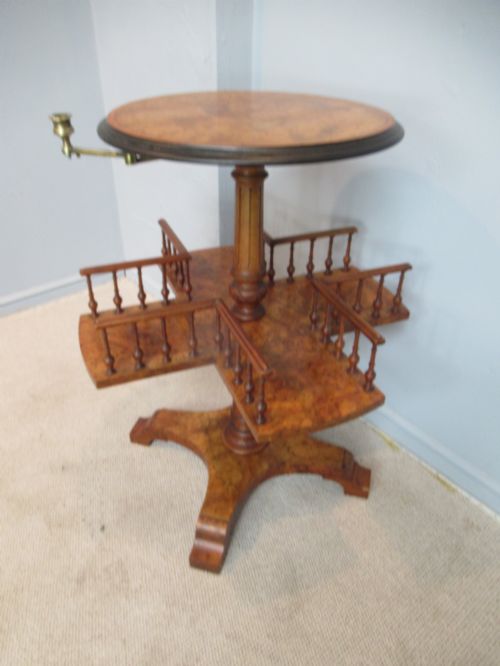
Beyond book storage, the category expands to include dumb waiters, magazine racks, and hall stands. These pieces date primarily from the nineteenth century into the Edwardian era, utilising a turning mechanism to provide easy access from a stationary seat.
How They Were Made
Makers constructed these stands predominantly in solid hardwoods such as mahogany, oak, and walnut, frequently incorporating brass for castors, spindles, or inlaid details. Some pieces utilise softer woods like satinwood or bentwood for specific forms.
The defining feature is the internal pivot mechanism, allowing the upper tiers to turn smoothly on a fixed base. Joinery ranged from straightforward framing for standard book stands to complex turning for cue racks and hall stands.
One extraordinary nineteenth-century piece is a treen revolving egg cup stand from a private collection.
What Varies In Quality
Quality rests in the smoothness of the turning action and the integrity of the timber used in construction. Finer examples display carefully selected wood grains like burr walnut or pollard oak.
Design complexity also separates standard items from exceptional ones, marked by brass inlay, marble tops, or specialised metal mechanisms by known makers.
Maple and Co·William Tonks and Sons·Thonet
The Victorian Revolving Stand Glossary
- Dumb waiter
- A tiered serving table, sometimes rotating, used to hold dishes or books near a table.
- Bentwood
- Wood heated and bent into curved shapes, commonly seen in hall stands and hat racks.
- Snooker cue stand
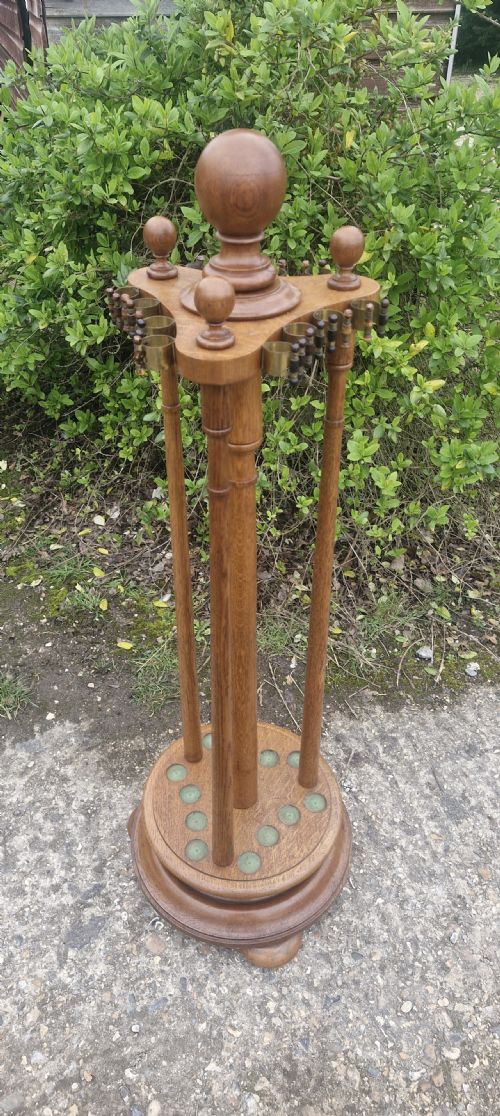
- A vertical revolving rack specifically designed to hold multiple cues upright.
- Canterbury
- A low stand with partitioned sections for holding sheet music, books, or papers.
- Treen
- Small domestic wooden objects made by turning or carving.
Victorian Revolving Stand: Frequently Asked Questions
How do I care for the revolving mechanism?
Keep the central pivot clean and occasionally lubricated with a light oil to ensure smooth rotation.
Avoid applying heavy downward pressure on the outer edges while turning the stand.
Where were these stands used in a home?
Bookcases and reading stands sat beside armchairs in studies or libraries for quick access to reference volumes.
Larger cue stands and hall stands occupied billiard rooms and entrance halls to store accessories.
What woods are typical for these pieces?
Mahogany and oak appear most frequently across the surviving examples, offering sturdy support for heavy loads.
Walnut, satinwood, and bentwood also feature in specific decorative or specialised models.
How can I tell the period?
Examine the timber choice, construction joints, and accompanying brass hardware to gauge the era.
Design styles shift from heavy Victorian proportions to lighter Edwardian formats.