



Victorian Revival Stool
These pieces unite a victorian revival stool with centuries past, offering solid timber frames and period upholstery for daily use.
Victorian Revival Stool
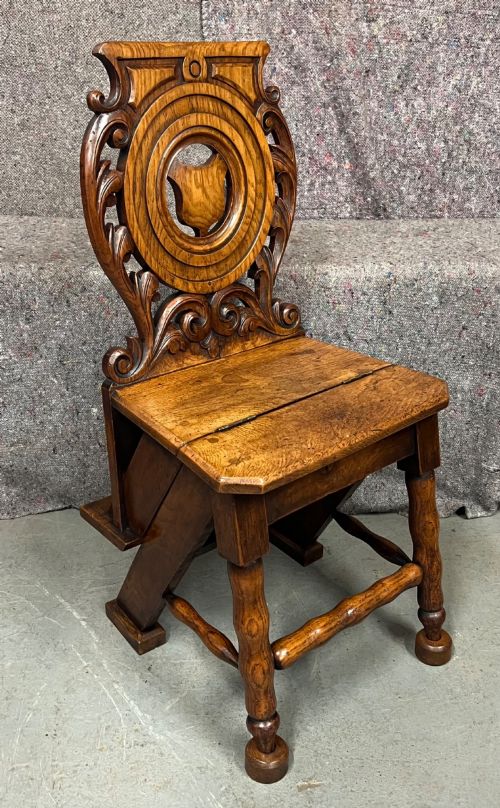
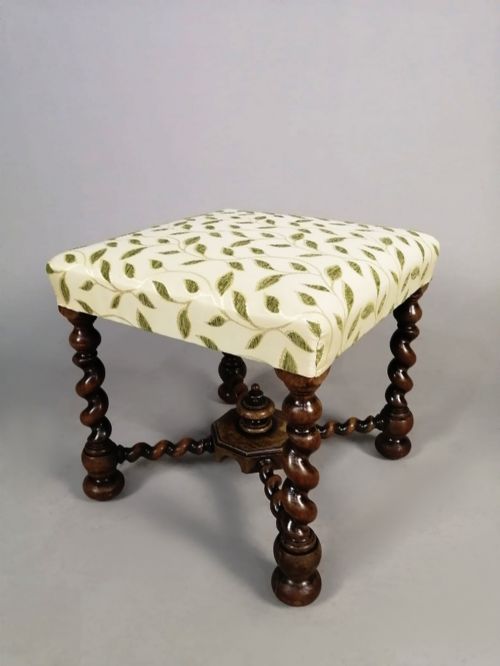
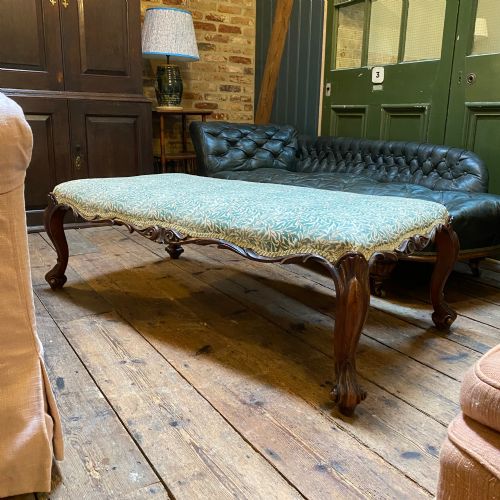
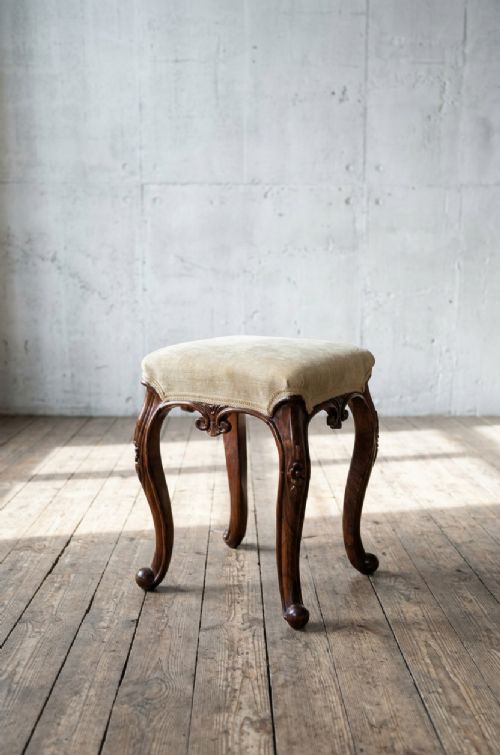
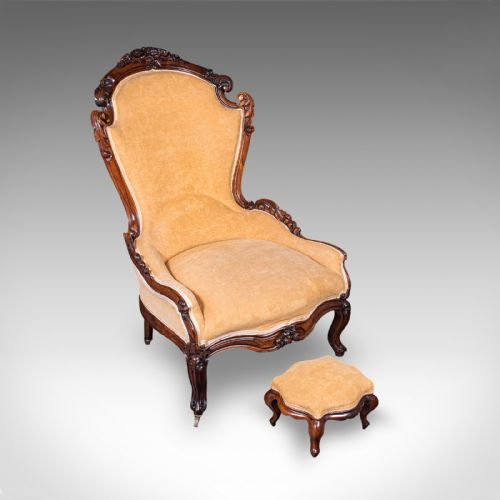
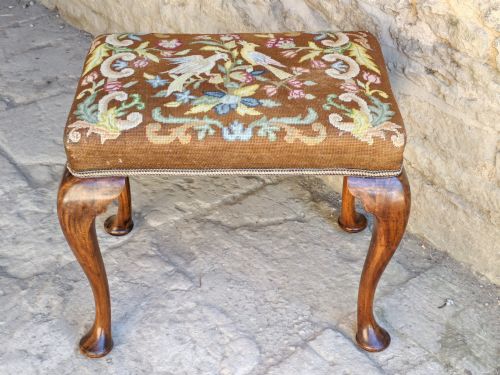
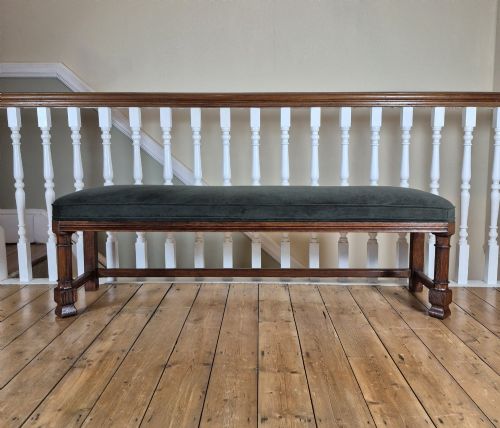
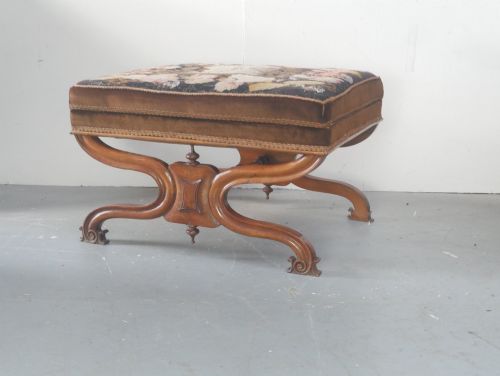
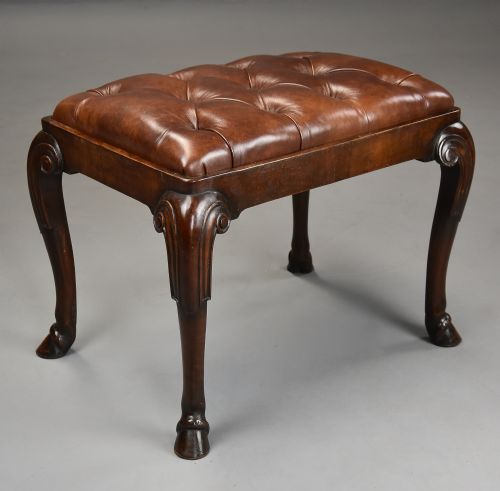
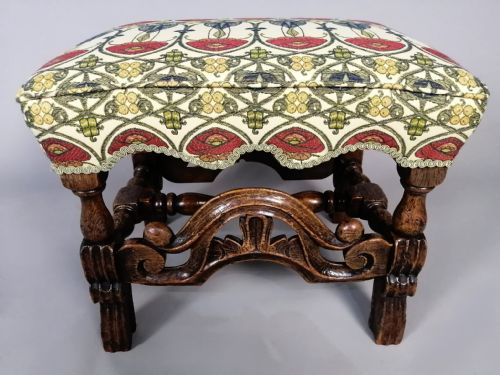
A victorian revival stool draws upon earlier historic idioms such as Gothic Revival, Jacobean Revival, and Rococo Revival, manifesting primarily as footstools, benches, and centre stools. These items originate predominantly across the nineteenth century, including specific decades from the eighteen-fifties to nineteen-hundred.
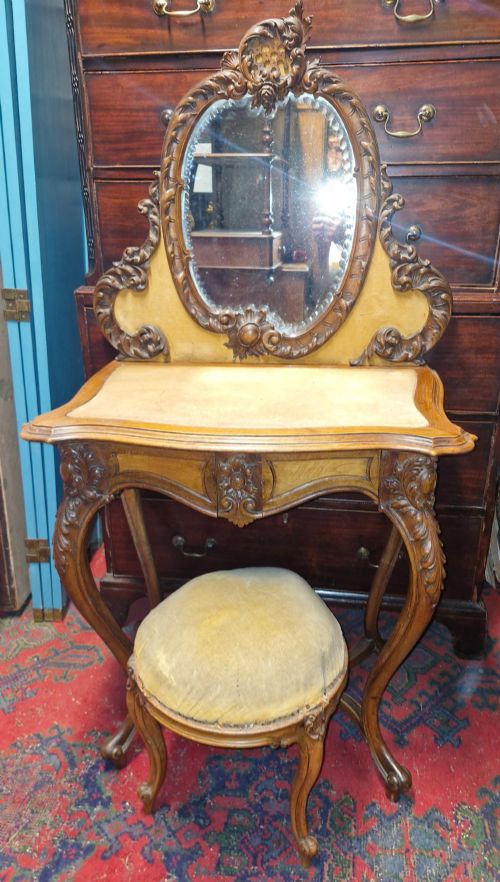
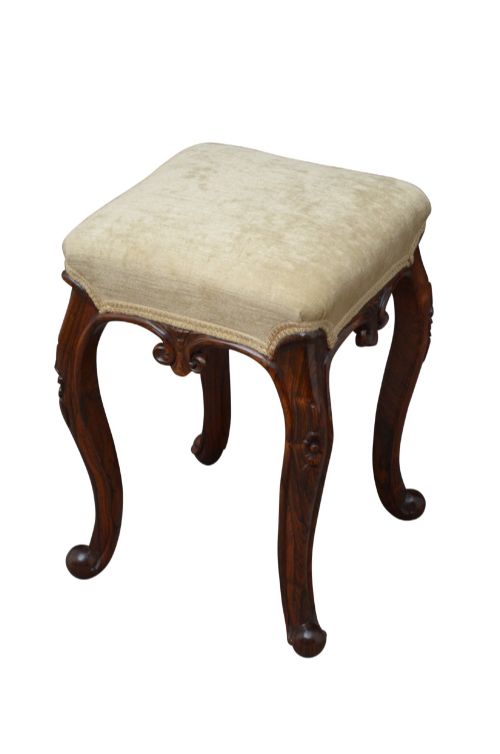
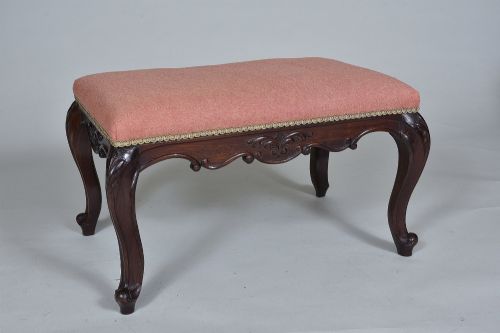
The assortment encompasses low fireside pieces, dressing table seats, and larger hall benches constructed in timber frames. Makers of the period reinterpreted past designs, producing seating that matches the eclectic domestic interiors of the nineteenth century.
Buyers encounter distinct seating forms ranging from simple joint stools to elaborate salon and parlour furniture. The selection reflects diverse revivals, uniting structural timberwork with traditional textile upholstery.
Materials and Construction
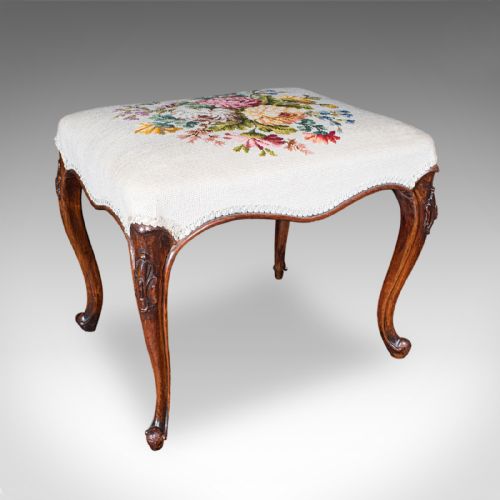
Frames rely upon dense hardwoods including oak, walnut, mahogany, rosewood, and pine, often shaped with turned legs or cabriole supports. Joinery techniques employ traditional methods to secure heavy timber bases.
Upholstery incorporates textile surfaces such as velvet, needlepoint, and general fabric coverings over padded foundations. Brass details and turned woodwork frequently complement the primary timber structure.
Victorian Revival Stool Retail Price Guide 2026
Typical asking prices for victorian revival stool among the pieces listed under this phrase on Sellingantiques today, from the lower quarter to the upper quarter. They describe what is for sale here now, not the wider market.
The furniture styles span Gothic Revival, Jacobean Revival, Rococo Revival, and Arts and Crafts movements.
Design and Execution
Quality rests in the precision of timber carving and the integrity of the frame construction, separating simple utilitarian items from ambitious revival pieces. Elaborate details like cabriole legs and specific stylistic references indicate finer workshop production.
The selection of cabinet timbers such as walnut or rosewood alongside durable oak dictates the baseline character of each stool. Finer examples maintain original structural cohesion and sophisticated proportion within their chosen revival style.
James Shoolbred & Co.·Liberty & Co
The Victorian Revival Stool Glossary
- Cabriole leg
- A furniture leg that curves outward and then tapers inward, common on eighteenth-century designs revived during the Victorian era.
- Gothic Revival
- An architectural and decorative style drawing inspiration from medieval forms, featuring pointed arches and heavy timber construction.
- Needlepoint
- A type of canvas work embroidery utilised historically for durable upholstery on nineteenth-century footstools and chairs.
- Joint stool
- A sturdy wooden stool constructed with pegged mortise and tenon joints, originating in earlier centuries and replicated later.
- Centre stool
- A large freestanding stool designed to sit in the middle of a room rather than against a wall.
Victorian Revival Stool: Frequently Asked Questions
What is a victorian revival stool?
A victorian revival stool is a nineteenth-century seat that borrows decorative motifs from earlier historic eras like the Gothic or Rococo periods.
These pieces combine traditional woodworking materials with period upholstery to serve domestic functions like fireside seating or dressing table support.
How do I identify the wood used?
Examination of the grain, colour, and weight reveals whether a frame utilises oak, walnut, mahogany, or rosewood. Darker hardwoods typically denote formal nineteenth-century salon furniture while oak often indicates revival styles.
Closer inspection of visible surfaces and unpolished areas underneath clarifies the specific timber species employed by the maker.
Where were these stools placed?
Nineteenth-century households positioned these items in parlours, bedrooms, and libraries alongside matching tables and chairs. Centre stools stood freely in larger rooms while smaller footstools rested near firesides.
Hall benches served entranceways, providing practical seating for putting on or removing outdoor footwear.
How do I care for antique upholstery?
Preserving textile surfaces requires gentle brushing and protection from direct sunlight to prevent fabric degradation and fading. Regular light cleaning maintains the condition of historic velvet or needlepoint.
Keeping the underlying timber frame nourished with appropriate wax prevents the wood from drying out over time.