

Victorian Repousse Silver
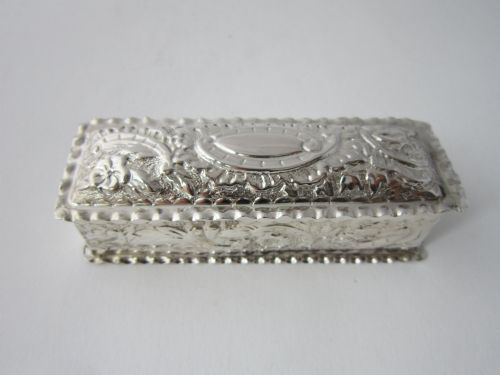
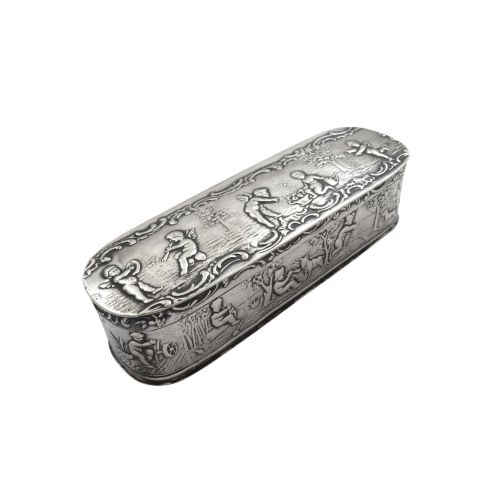
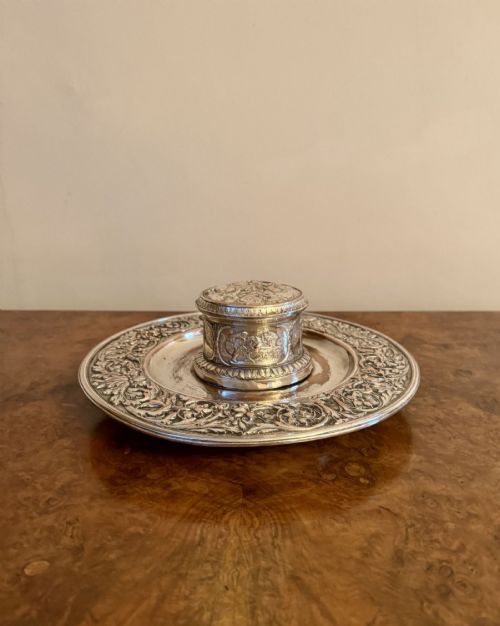
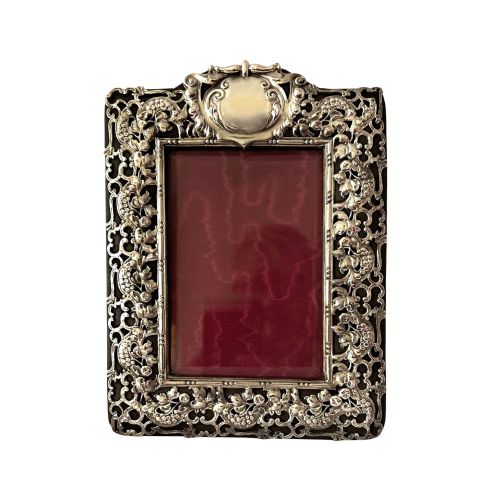
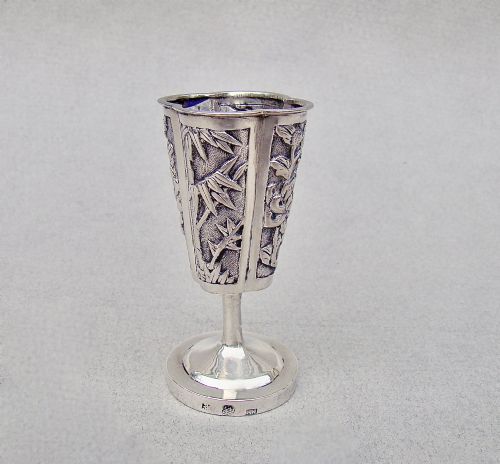
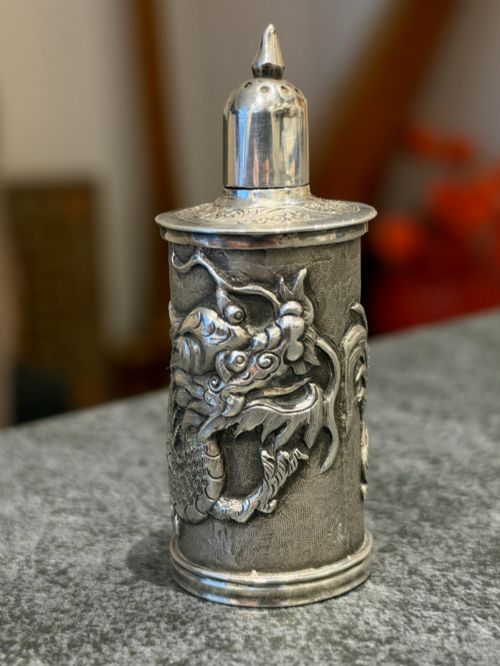
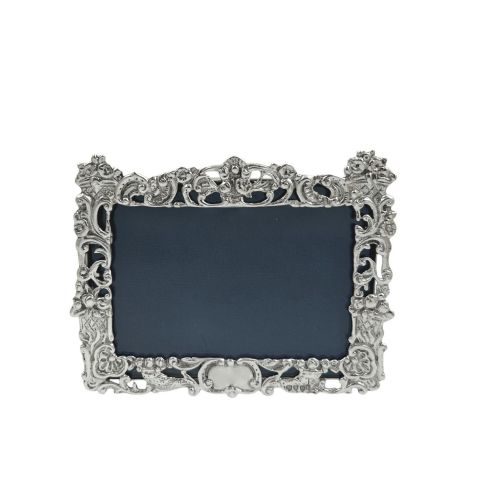
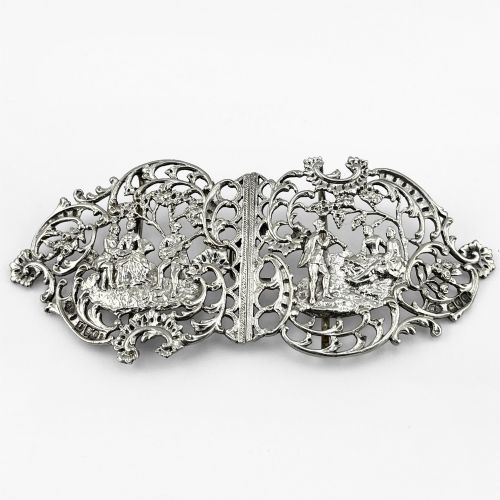
Victorian repousse silver brings together heavy sterling silver boxes, frames and caddies hammered from the reverse into rich relief.
Victorian Repousse Silver
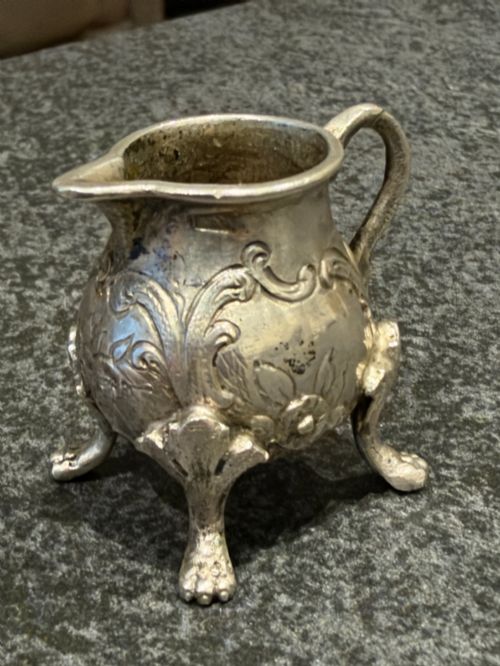
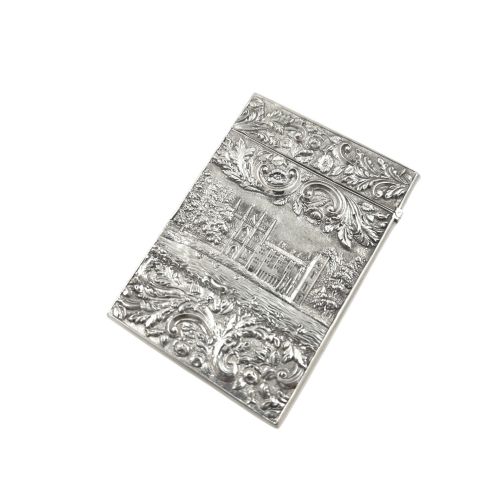
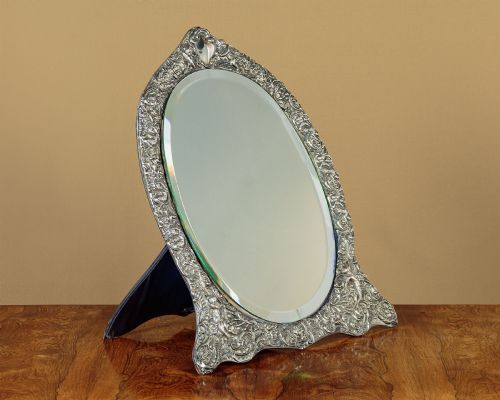
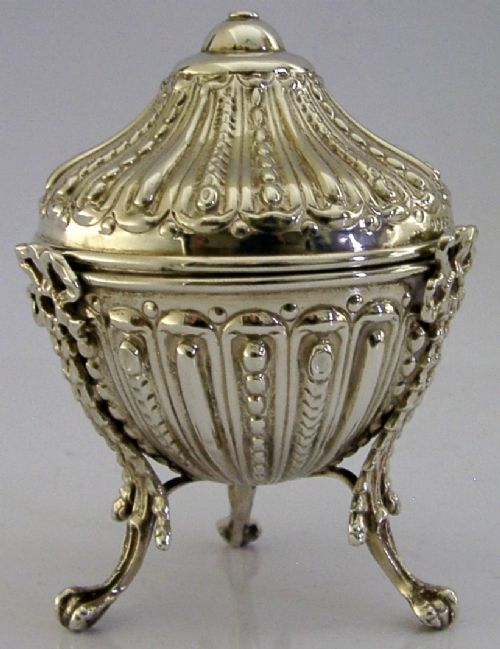
Victorian repousse silver items encompass a diverse array of domestic and personal objects intended for display and daily use. Trinket boxes, tea caddies, photo frames and card cases dominate the selection, often taking whimsical or sculptural forms such as hearts, chairs and sedan chairs.
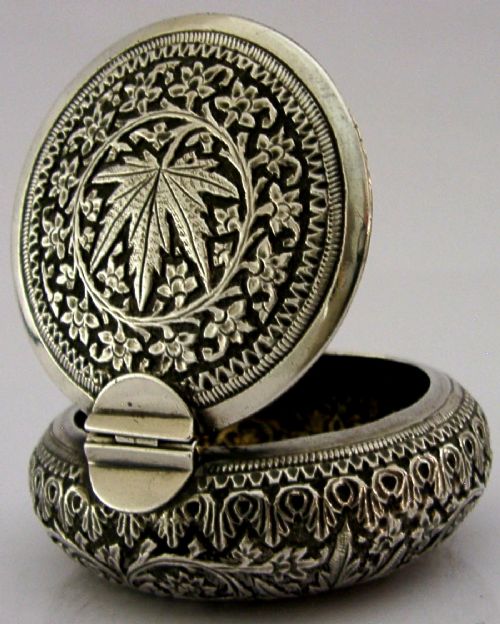
The objects span the nineteenth and early twentieth centuries, drawing upon Victorian, Edwardian and Continental workshops. Pieces range from English sterling silver items bearing provincial hallmarks to Dutch, German and Indian solid silver creations.
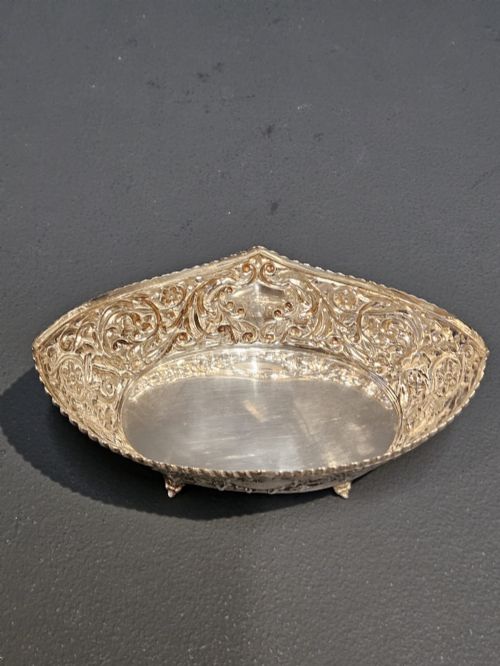
Buyers encounter intimate tabletop accessories alongside larger decorative bowls and chargers. Each piece demonstrates the period's preference for ornament, combining functional utility with elaborate surface decoration.
Materials and Technique
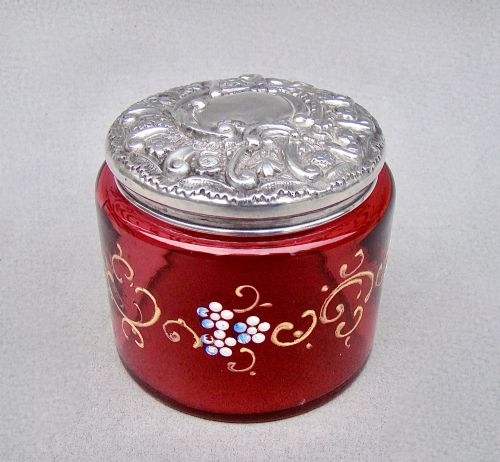
Makers shaped these items primarily from solid sterling silver, occasionally mounting the metal on supporting structures of velvet, silk, glass or leather. The defining technique involves hammering or pushing the metal from the reverse side to create raised designs on the front.
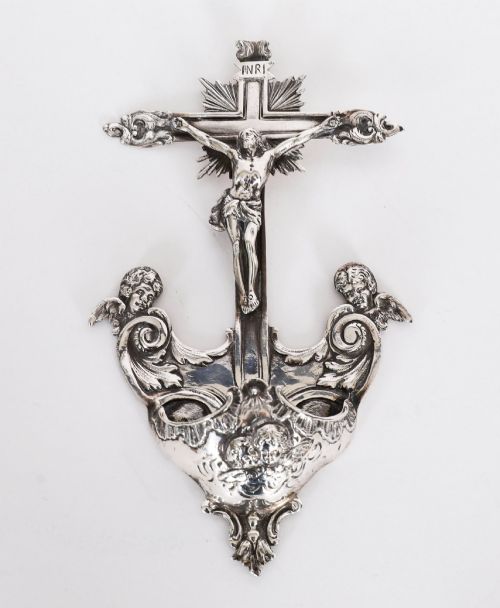
Craftsmen then refined these swelling motifs from the front using punches and chisels to add fine lines, textures and facial details. This method allowed artisans to depict complex figurative scenes, floral scrolls and cherubs with considerable depth.
Many items incorporate subsidiary techniques such as piercing, casting and engraving alongside the central repousse work. Hallmarks stamped directly into the silver record the assay office, maker and year of production.
Victorian Repousse Silver Retail Price Guide 2026
Typical asking prices for victorian repousse silver among the pieces listed under this phrase on Sellingantiques today, from the lower quarter to the upper quarter. They describe what is for sale here now, not the wider market.
Listings feature items spanning the nineteenth century through the Edwardian period, utilising solid silver alongside glass, velvet, leather and silk.
Standards of Craftsmanship
Quality rests upon the crispness and depth of the hammered relief work. Superior pieces display sharply defined figures, clean borders and smooth transitions that reveal the hand of a skilled artisan rather than mechanical pressing.
The weight and gauge of the silver plate influence the substance of the object. Heavier items maintain their structural integrity and resist denting during handling better than thinner examples.
The complexity of the subject matter and the finesse of the chasing distinguish finer domestic wares. Detailed figural scenes, such as musical lessons or literary depictions, require greater technical mastery than repeating floral patterns.
Joseph Willmore·Mitchell Bosley Co·William Comyns·Henry Matthews·Berthold Muller
The Victorian Repousse Silver Glossary
- Repousse
- A metalworking technique where the design is hammered into relief from the reverse side of the metal sheet. This method creates three-dimensional ornamentation that pushes outward from the object.
- Chasing
- The complementary process to repousse, executed from the front of the metal using small punches to refine details, add texture and sharpen lines. It turns a rough hammered shape into a finished image.
- Hallmark
- An official stamp applied to precious metals indicating purity, the maker, the assay office and the year of manufacture. British sterling silver typically displays a lion passant alongside city and date letters.
- Sterling silver
- An alloy consisting of ninety-two point five percent silver and seven point five percent other metals, usually copper. This standard composition provides the necessary durability for detailed hollowware and decorative objects.
- Caddy
- A small container originally designed for storing loose tea leaves in dry conditions. Victorian examples frequently feature tight-fitting lids and heavily decorated repousse surfaces.
Victorian Repousse Silver: Frequently Asked Questions
What were Victorian silver trinket boxes used for?
These small containers held personal valuables such as rings, brooches, pins and calling cards on dressing tables and parlor desks. Their decorated surfaces turned functional storage into prominent decorative objects.
Today they serve the same purpose while adding period character to modern interiors, functioning well on bedside tables or hallway consoles.
How do I identify the date of a silver piece?
British items rely on official hallmarking systems that include a specific letter code for the year of assay. Comparing this letter against regional hallmark tables reveals the exact year of production.
Continental pieces often lack full British assay marks, requiring reliance on style, maker's marks and general period characteristics to estimate the decade of creation.
Can I use antique repousse silver every day?
Solid silver items are robust enough for regular handling, provided they receive careful cleaning and sensible placement away from moisture and direct heat. Soft cloths preserve the raised details without wearing down the metal.
Items paired with delicate internal linings like silk or velvet require more caution to protect the historic fabrics from deterioration.
What is the difference between English and Continental silver?
English pieces manufactured for the domestic market adhere strictly to the sterling standard and carry complete sets of provincial or London assay marks. They often reflect restrained Victorian or Edwardian design preferences.
Continental items, particularly those from German and Dutch workshops, frequently display different purity standards and distinct regional styles of repousse ornamentation featuring elaborate figural panels.