



Victorian Print Pair
A victorian print pair brings dual symmetry and period narrative to a wall, offering matched imagery from the nineteenth century.
Victorian Print Pair
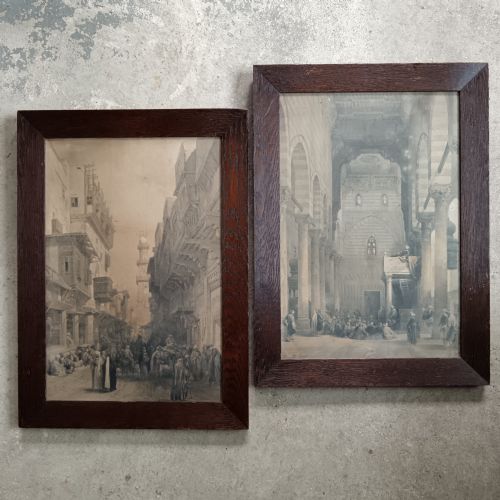
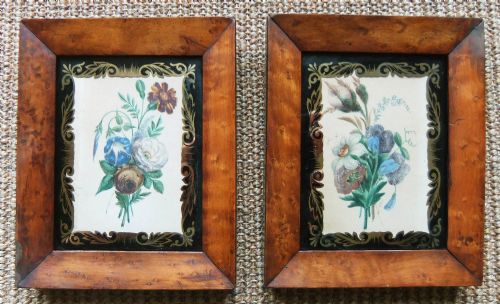
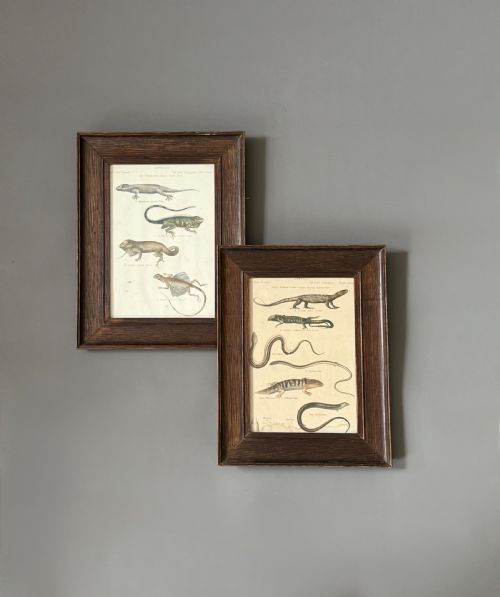
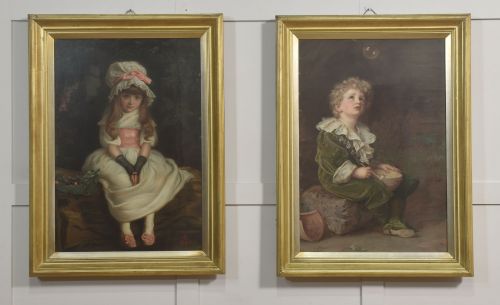
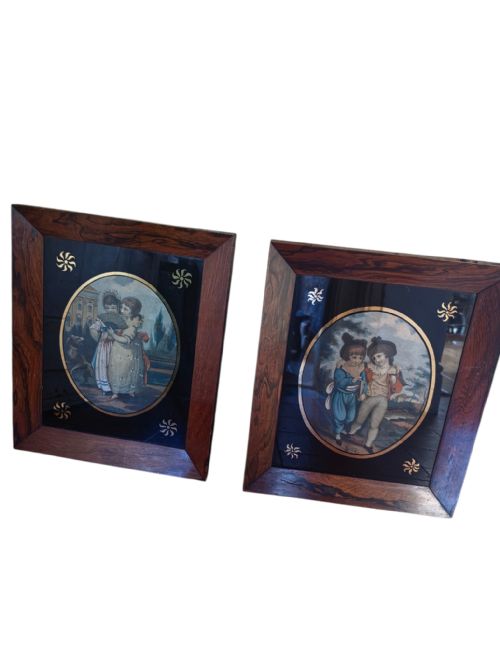
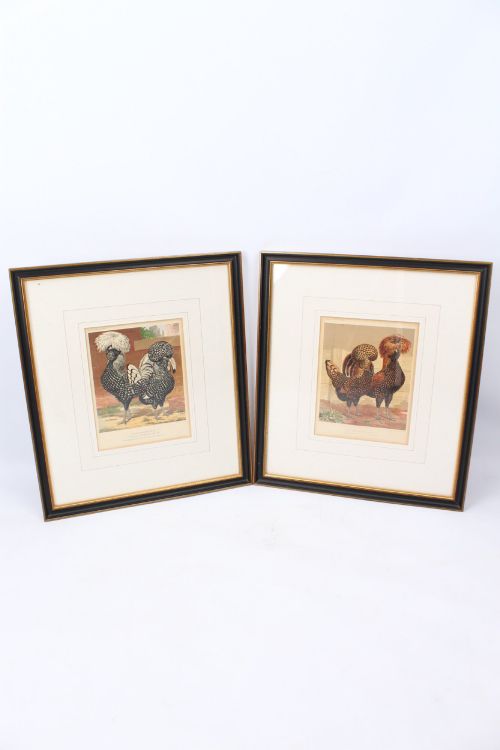
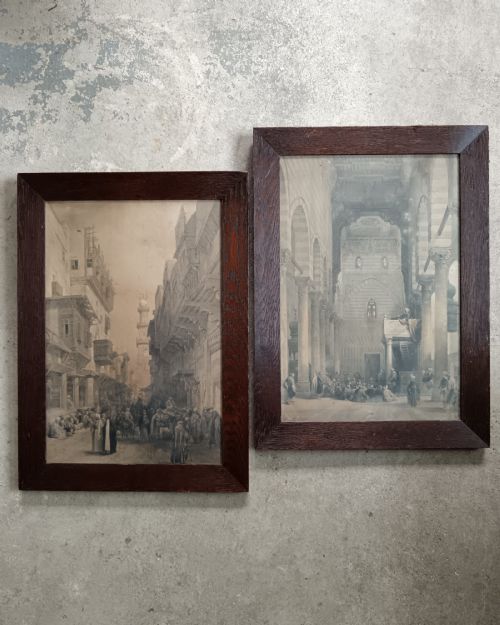
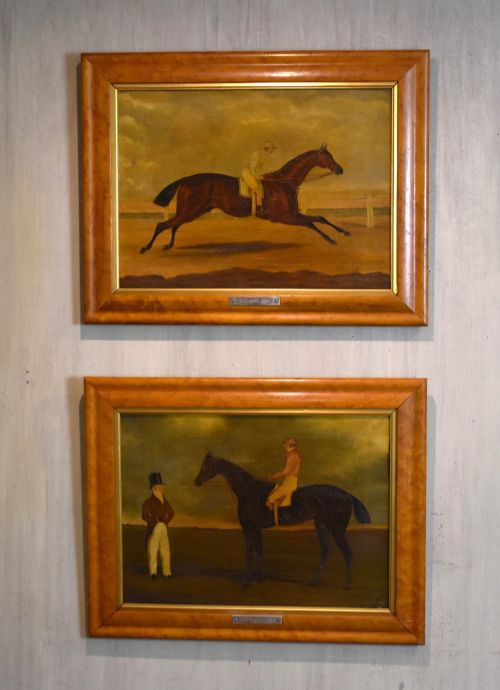
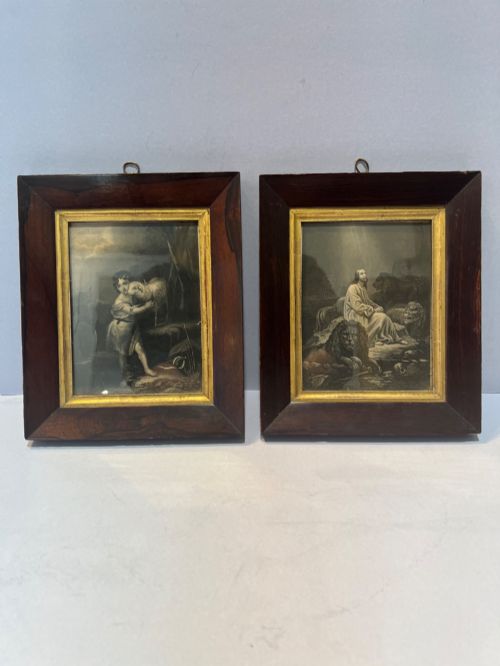
A victorian print pair comprises matched paired works produced during the nineteenth century, intended for symmetrical display on domestic walls. The pieces span framed prints, lithographs, engravings, and watercolours depicting subjects from natural history and ornithology to orientalist scenes and sporting portraits.
Buyers frequently encounter botanical studies, animal subjects, and architectural views originating across the Victorian, Edwardian, and Georgian periods. These matching pairs retain their original visual balance, often framed together in period wood or gilt mouldings.
Materials and production methods
Works are executed on paper using lithographic, engraving, and watercolour techniques, occasionally finished with hand-colouring. Glazed protection is standard, set within frames constructed from wood, oak, or giltwood utilising gold leaf accents.
The physical assembly relies on period framing techniques, utilising original wooden mouldings and glass to protect the delicate paper surfaces beneath.
Victorian Print Pair Retail Price Guide 2026
Typical asking prices for victorian print pair among the pieces listed under this phrase on Sellingantiques today, from the lower quarter to the upper quarter. They describe what is for sale here now, not the wider market.
Some nineteenth-century makers turned to butter prints in sycamore wood, ensuring even dairy products received a decorative flourish.
Factors of quality and distinction
Quality rests on the crispness of the original impression and the vibrancy of any hand-applied watercolour pigment. Stronger examples maintain clean paper grounds without excessive toning or damp staining.
The integrity of the framing contributes significantly, with original maker-stamped or period-appropriate frames holding greater authenticity than later replacements.
David Roberts RA·Louis Haghe·William Bird MD FLS·John Frederick Herring Snr·Louis Wain·Herbert Dicksee·H. Strafford·Samuel Sidley
The Victorian Print Pair Glossary
- Lithography
- A planographic printing process using stone or metal plates to produce detailed monochromatic or coloured images. It became the dominant commercial method for mass-producing illustrations during the nineteenth century.
- Engraving
- A printmaking technique where an artist cuts lines into a metal plate to hold ink for transfer. This method yields fine, crisp details suitable for scientific and topographical subjects.
- Giltwood
- Timber carved and surfaced with a thin layer of gold leaf. It provides a reflective, decorative border typical of formal nineteenth-century picture frames.
- Chrystoleum
- A Victorian method of applying a transparent print to the inside of concave glass and hand-painting the reverse. The result creates a luminous, three-dimensional painted effect.
- Mezzotint
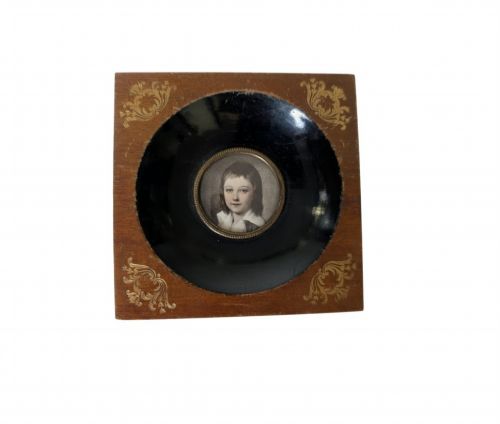
- A tonal printmaking process on copper that allows for smooth gradations of light and shade. It was frequently utilised for reproducing portraits and romantic paintings.
Victorian Print Pair: Frequently Asked Questions
How should I hang a print pair?
Hang the two pieces at eye level with equal spacing between them to maintain their intended visual symmetry.
Keep them away from direct sunlight to protect the paper and any hand-applied watercolour pigments from fading.
Are these prints original to the nineteenth century?
The listed items originate from the nineteenth and early twentieth centuries, utilising period printing methods such as lithography and engraving.
Examine the paper texture, printing dots, and framing materials to confirm their period manufacture.
Why were prints produced in pairs?
Paired works were designed for symmetrical interior decoration, flanking a fireplace, doorway, or piece of furniture in Victorian homes.
The matching subjects often told a dual story, such as companion animals or contrasting landscapes.
How do I care for antique paper art?
Protect the works behind glass and maintain stable room humidity to prevent paper warping, foxing, or mould growth.
Avoid hanging them on damp exterior walls or areas subject to drastic temperature shifts.