



Victorian Pottery Tray
These Victorian pottery trays span everything from dairy slabs to bread plates, offering solid nineteenth-century utility with bold transfer-printed or moulded decoration.
Victorian Pottery Tray
A victorian pottery tray encompasses a diverse group of nineteenth-century earthenware items designed for serving, display, or commercial use, including platters and advertising pieces.
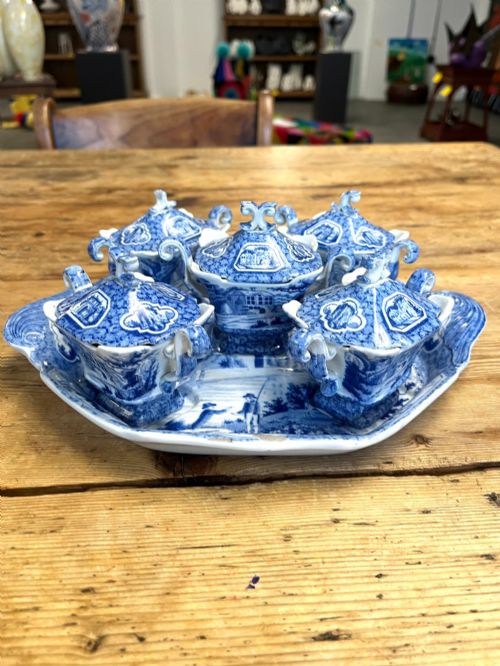
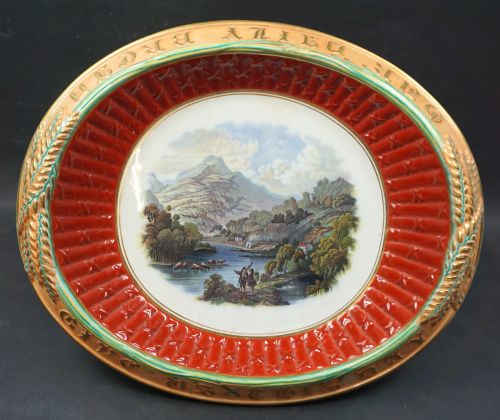
The varieties met on this page range from early nineteenth-century blue and white meat plates to Edwardian grocers slabs and majolica bread plates from eighteen seventy.
Makers utilised ceramic, ironstone, and tin-glazed earthenware to produce heavy tableware and dairy collectables that survive from the Victorian era and the Edwardian period.
Materials and methods
Potters shaped earthenware, ironstone, and faience into heavy service platters and scale plates, applying tin glaze or clear glaze over transfer-printed designs.
Decorations incorporate blue and white pigment, polychrome majolica glazes, and moulded inscriptions such as daily bread mottoes or commercial advertisements.
Victorian Pottery Tray Retail Price Guide 2026
Typical asking prices for victorian pottery tray among the pieces listed under this phrase on Sellingantiques today, from the lower quarter to the upper quarter. They describe what is for sale here now, not the wider market.
Listings feature items spanning the nineteenth century, including Edwardian grocers slabs and pieces dated to eighteen seventy.
Judging quality in ceramic trays
Quality rests upon the crispness of the transfer printing or the boldness of the majolica moulding, distinguishing standard utilitarian wares from finer decorative pieces.
The integrity of the glaze and the complexity of patterns, such as pagoda motifs or botanical scenes, determine the standing of individual examples within nineteenth-century production.
Copeland and Garrett·Elkin Knight and Bridgwood·Masons Ironstone China
The Victorian Pottery Tray Glossary
- Ironstone
- A patented ceramic body developed to be durable and heavy. It forms the robust base for many nineteenth-century serving dishes and cheese plates.
- Majolica
- A colourful, lead-glazed earthenware popular during the Victorian era. It is known for its vibrant palette and relief-moulded plant or animal motifs.
- Prattware
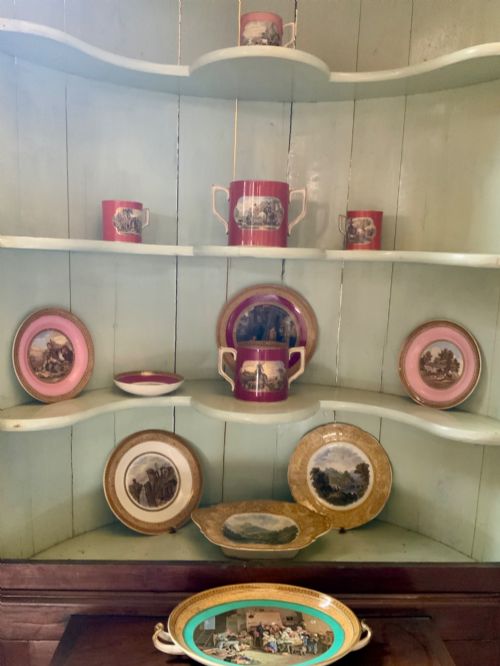
- A type of multicoloured earthenware produced in Staffordshire. Pieces often feature historical scenes or agricultural mottoes under a translucent glaze.
- Faience
- Tin-glazed earthenware or pottery. The technique produces an opaque white surface suitable for painted blue and white decoration.
- Transfer printing
- A mechanical method of applying complex designs to pottery from a copperplate onto tissue paper and then onto the clay body.
Victorian Pottery Tray: Frequently Asked Questions
What is a grocers slab?
A grocers slab is a thick ceramic counter display piece used in shops for items like butter or cheese.
These heavy earthenware items often feature bold lettering advertising the produce sold upon them.
How do I date a bread plate?
Dating relies on the style of the moulding, the type of earthenware body, and any registration marks or inscriptions.
Nineteenth-century examples frequently combine rustic religious mottoes with majolica or transfer-printed borders.
Are these trays suitable for food use?
While originally made for kitchen or table service, nineteenth-century glazes can contain lead or display extensive crazing.
Most collectors prefer to use them for display rather than active food service.
What is ironstone china?
Ironstone is a dense, hard-wearing ceramic material patented in the nineteenth century to rival imported porcelain.
It provides a sturdy foundation for heavy platters and cheese dishes subject to daily wear.