



Victorian Pottery Container
These Victorian pottery container pieces are practical household vessels that bring genuine period character to a tabletop.
Victorian Pottery Container
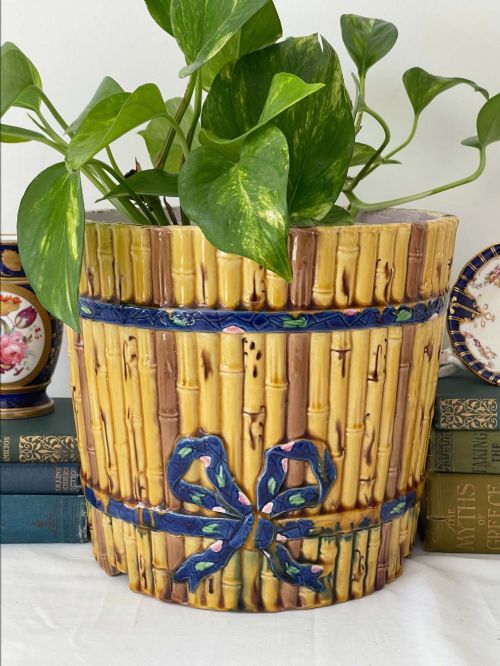
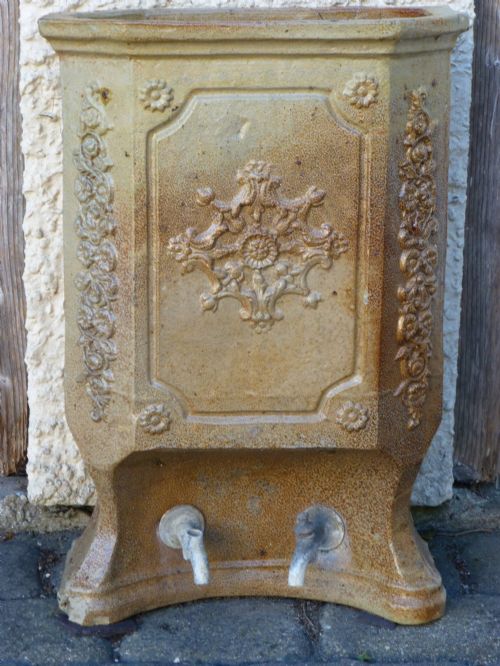
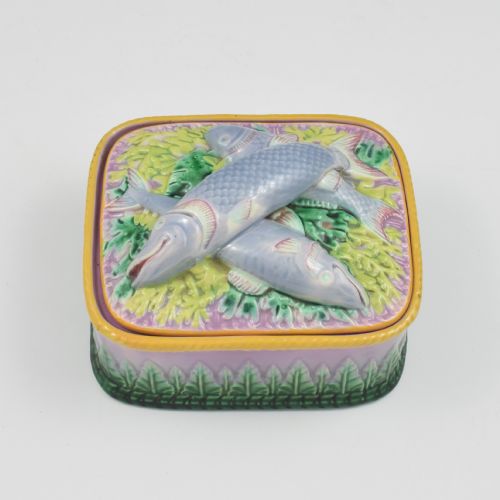
When you search for a victorian pottery container, you encounter a diverse group of domestic and decorative vessels produced during the nineteenth century. These forms include biscuit barrels, tobacco jars, sardine boxes, water filters, and jardiniere planters.
The pieces on this page span the Victorian era, with dates stretching from the mid to late nineteenth century. You see examples originating from English potteries alongside continental salt glazed stoneware.
Makers utilised earthenware, stoneware, and ceramic bodies, frequently pairing them with metal mounts such as silver plate or brass. Styles range from classical Neoclassical designs to Victorian Staffordshire figures and Majolica.
Materials and construction
Potters shaped these containers using earthenware and dense stoneware, applying coloured glazes or salt glazing techniques to seal the porous clay bodies. Many vessels feature moulded decoration, ranging from naturalistic bamboo motifs to classical reliefs.
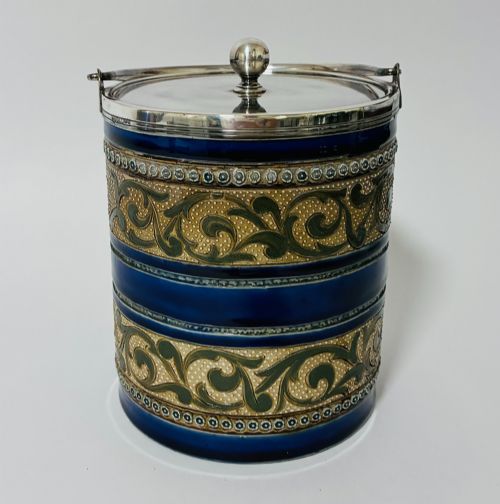
Functional pieces often incorporate secondary materials, fitting ceramic bodies with silver plated lids, mounts, or brass handles. These metal additions transformed everyday storage vessels into presentable items for the dining table or drawing room.
Victorian Pottery Container Retail Price Guide 2026
Typical asking prices for victorian pottery container among the pieces listed under this phrase on Sellingantiques today, from the lower quarter to the upper quarter. They describe what is for sale here now, not the wider market.
Assessing quality and execution
The distinction between standard domestic items and superior examples lies in the crispness of the moulding and the depth of the glaze. Finer pieces display carefully controlled colour applications, particularly within Majolica and Jasperware productions.
Quality also depends on the integration of metal mounts, where heavier silver plating and secure fitting indicate higher manufacturing standards. Well-preserved factory marks and date ciphers add further certainty regarding the origin of the piece.
Doulton Lambeth·Minton·George Jones·Wedgwood·Spode
The Victorian Pottery Container Glossary
- Majolica
- A type of earthenware decorated with coloured lead glazes over an opaque white tin glaze, known for vibrant hues and relief moulding.
- Jasperware
- A fine-grained, unglazed stoneware developed by Wedgwood, typically featuring white classical reliefs applied against a coloured ground.
- Salt Glaze
- A vitreous coating formed by throwing common salt into the kiln during the high-temperature firing of stoneware, producing an orange-peel texture.
- Biscuit Barrel
- A covered ceramic container used for storing dry biscuits or crackers on the Victorian dining table, frequently fitted with a metal lid and swing handle.
Victorian Pottery Container: Frequently Asked Questions
What is a victorian pottery container used for?
These vessels served various functional purposes in the nineteenth-century household, storing dry foods, tobacco, or butter, and housing indoor plants.
Today, collectors use them primarily as decorative objects or practical storage pieces that fit neatly into traditional interiors.
How do I identify a Victorian ceramic piece?
Examination of the glaze, body material, and decorative style helps determine the nineteenth-century origin of an item.
Many pieces carry factory marks, impressed ciphers, or registration numbers that confirm the specific decade of production.
Are these containers safe for modern food use?
While these vessels were originally designed for foodstuffs like biscuits, butter, or sardines, age and historical glazes require caution.
Most collectors prefer to display them dry rather than risking damage or chemical interaction from daily use.
How should I clean a glazed ceramic container?
Gentle dusting with a soft cloth is usually sufficient to maintain the surface of glazed earthenware and stoneware.
Harsh detergents and soaking should be avoided, particularly on pieces with delicate metal mounts or overglaze decoration.