


Victorian Portrait on Canvas
When choosing a victorian portrait on canvas, you select a window into nineteenth-century life rendered through enduring oil paint and woven cloth.
Victorian Portrait on Canvas
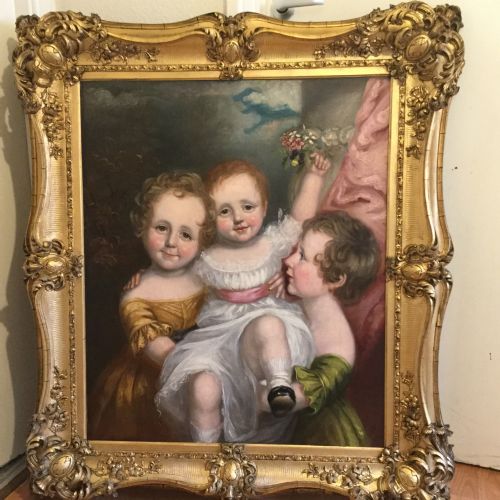
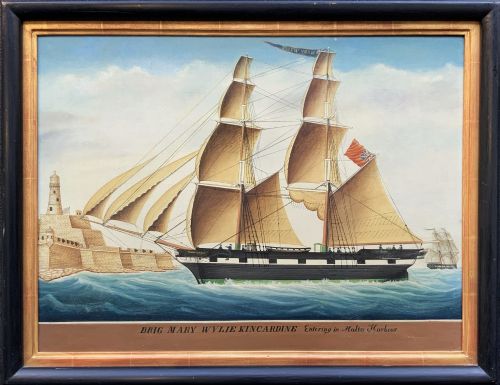
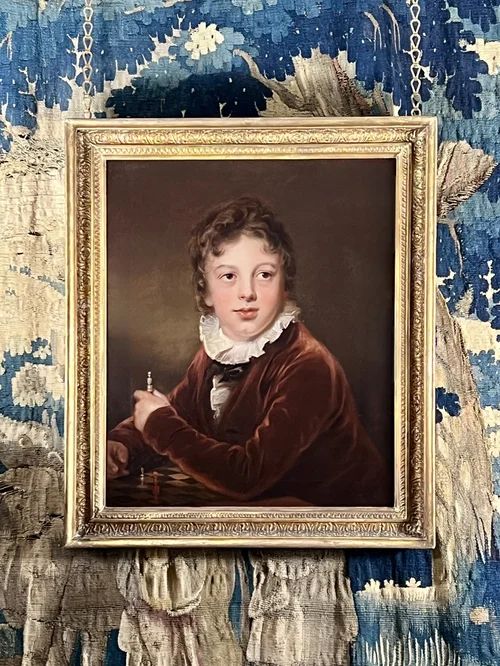
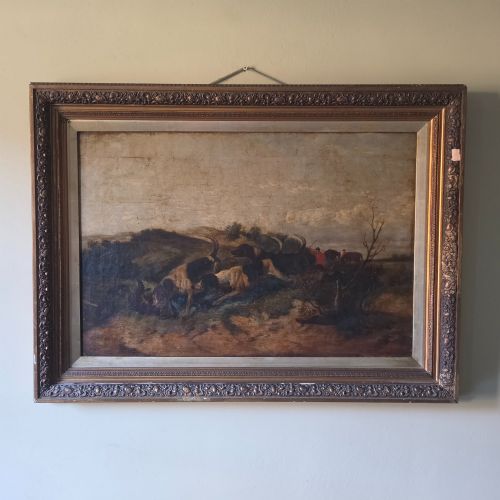
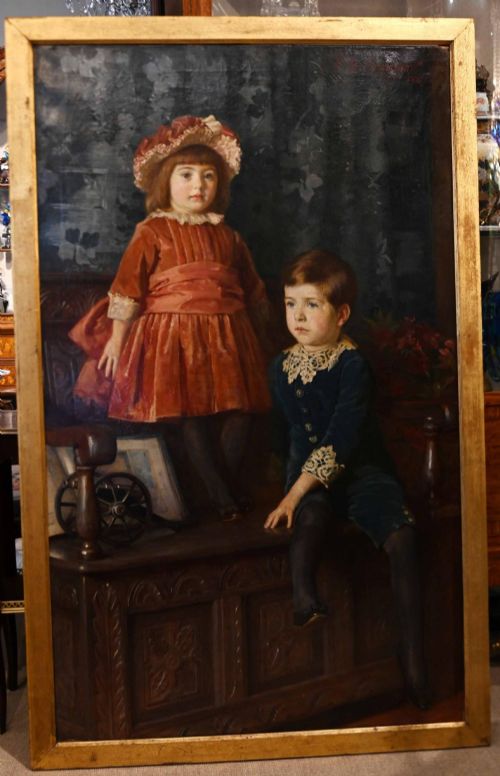
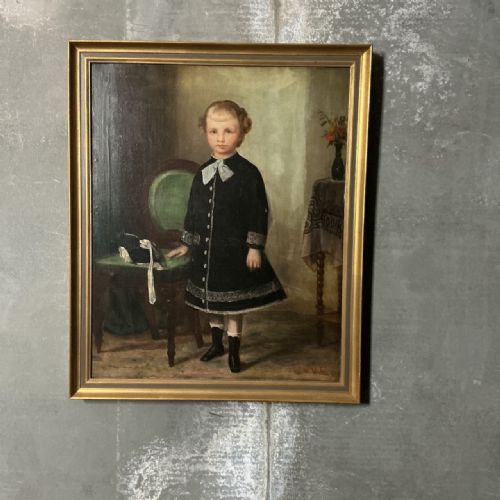
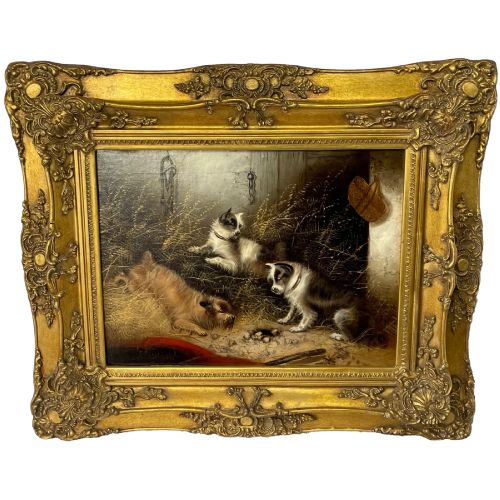
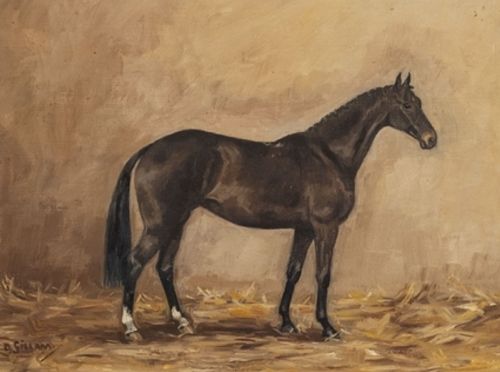
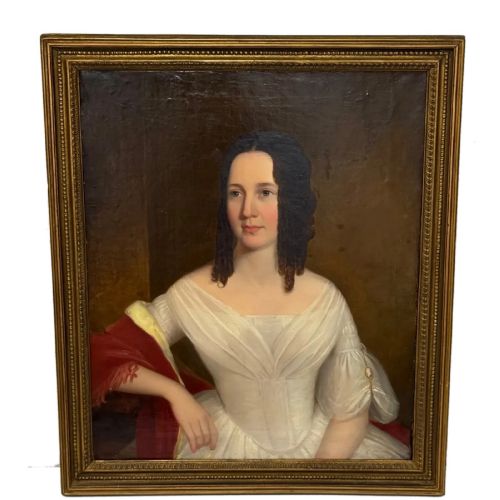
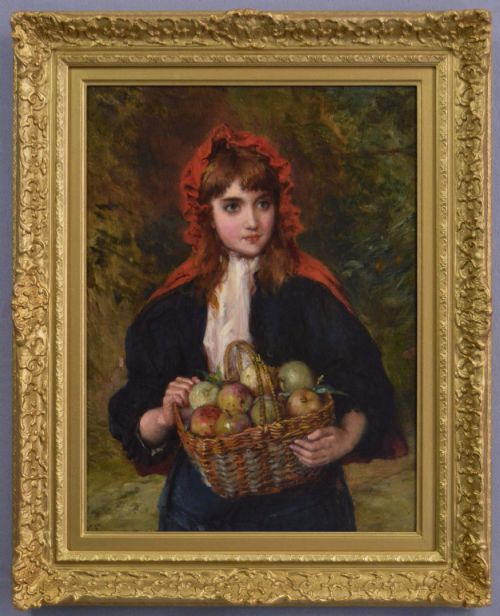
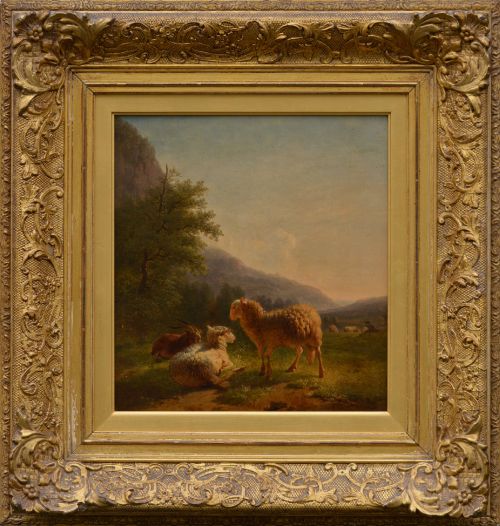
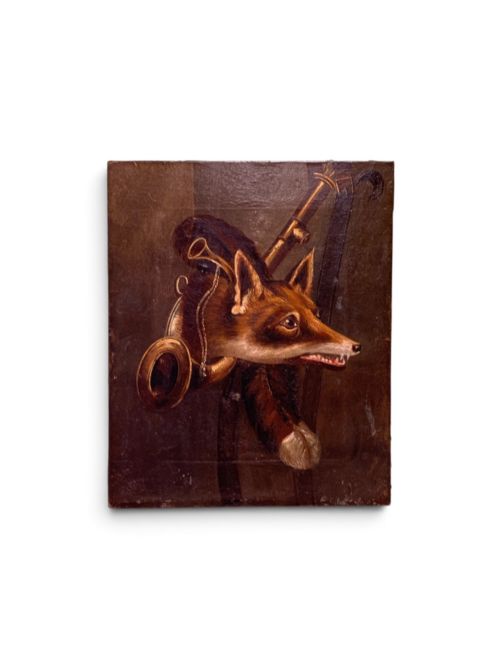
A victorian portrait on canvas captures human likenesses, military officers, children, and animals through nineteenth-century painting traditions. Buyers encounter single likenesses of gentlemen and ladies alongside paired works and narrative genre scenes originating from British, French, and Italian schools.
Most examples on this page date from the nineteenth century, spanning periods from the regency era through to the early twentieth century. Common subjects include seated subjects, sporting characters, and formal studies housed in period frames.
The selection ranges from naive school depictions to academic fine art paintings created by named artists and regional makers. These works reflect the diverse social strata and artistic ambitions of the Victorian period.
How They Were Made
Artists built these works using oil paint applied to woven canvas supports, sometimes mounted to wooden stretchers or boards. The tactile quality of the brushwork relies upon traditional pigment mixing and layering techniques common to the nineteenth century.
Many surviving examples retain their original wooden housings, incorporating gesso ornamentation, gold leaf, and ornate giltwood frames. The interaction between the oil medium and the textured canvas ground defines the visual surface of each piece.
The inventory records British, French, and Italian schools alongside specialised subjects including sporting art, militaria, and animal portraits.
What Varies in Quality
The distinction between standard works and exceptional examples lies in the anatomical precision of the subject and the confidence of the brushwork. Master painters captured psychological depth and fabric textures with notable clarity, whereas provincial or naive pieces display simpler execution.
Frame construction and material preservation also influence the standing of a piece. Original giltwood and gesso frames that retain their historic finish elevate the overall integrity of the canvas within.
William Oliver·Valentine T Garland·John Maler Collier·Dumini Leopoldo·William McAlpine·Sir Joshua Reynolds·Vittorio Reggianini·Samuel De Wilde·Albert Clark·W D Almond·Martin Theodore Ward·Howard Helmick·Margaret Sarah Carpenter·Max Kaltenmoser·W Fletcher·John Hunter Thompson
The Victorian Portrait on Canvas Glossary
- Canvas
- A heavy woven fabric stretched across a wooden frame to serve as the foundation for oil paintings. This textile substrate provides the traditional texture underlying nineteenth-century portraiture.
- Giltwood
- Wood carved and coated with gold leaf or metallic paint to create an ornamental frame finish. These frames frequently complement Victorian oil paintings with elaborate decorative mouldings.
- Gesso
- A plaster-like preparation mixture applied to wooden frames before gilding to create a smooth surface for ornamentation. Skilled artisans moulded this material into intricate relief patterns.
- Naïve school
- Art produced by painters with little or no formal academic training, often characterised by charming perspective quirks and direct stylistic choices. These works offer a sincere alternative to rigid academic portraiture.
- Academic
- Art created under the strict influence of European official academies, prioritising classical technique and formal composition. Such paintings demonstrate high levels of technical training and finish.
Victorian Portrait on Canvas: Frequently Asked Questions
How do I hang a heavy framed canvas?
Secure the hanging wire or brackets directly into wall studs using appropriate wall anchors rated for the combined weight of the canvas and ornate wooden frame.
Position the painting at eye level to ensure proper viewing angles within your room.
Can I clean an oil portrait surface?
Dust the canvas gently with a soft, dry brush to remove loose particles without disturbing the aged oil paint layers.
Avoid using water, chemical cleaners, or damp cloths, as these substances can damage historic pigments and unsealed canvas.
What lighting protects nineteenth-century canvas?
Display your painting away from direct sunlight and high-intensity spotlights to prevent the oil paint and canvas fibres from fading over time.
Utilise low-heat LED picture lights positioned above the frame for safe illumination.
How are nineteenth century portraits dated?
Examine the canvas stretcher, artist signatures, inscriptions on the reverse, and stylistic clues within the clothing and hair of the subject.
Frame construction and framing techniques also offer reliable chronological indicators for the period.