


Victorian Pocket Matchbox Holder
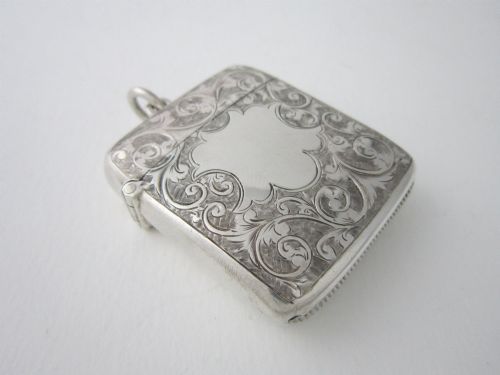
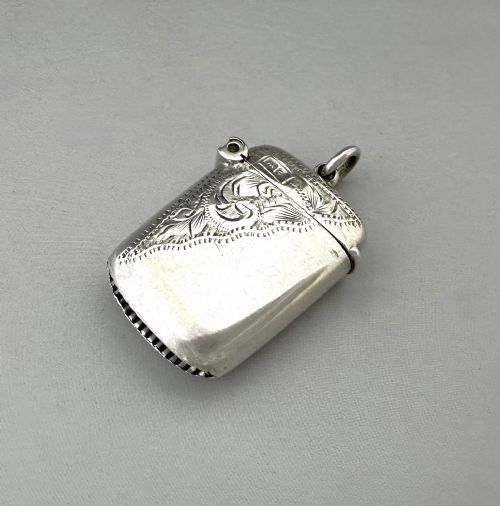
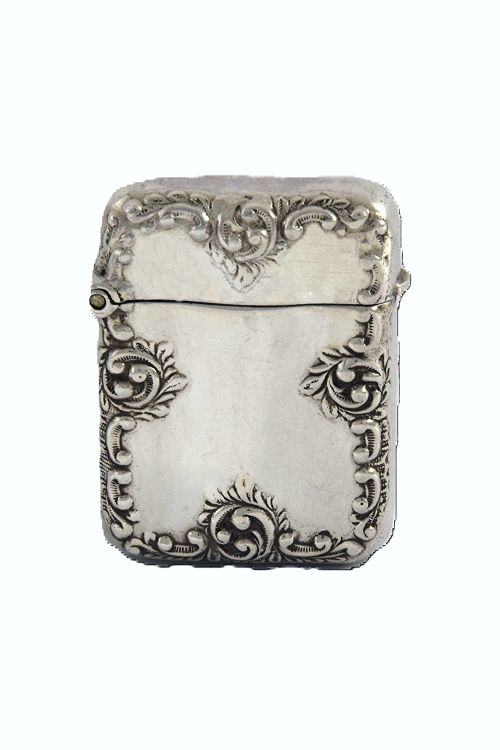
A victorian pocket matchbox holder, commonly known as a vesta case, is a small metal container designed to carry safety matches securely in a waistcoat pocket.
Victorian Pocket Matchbox Holder
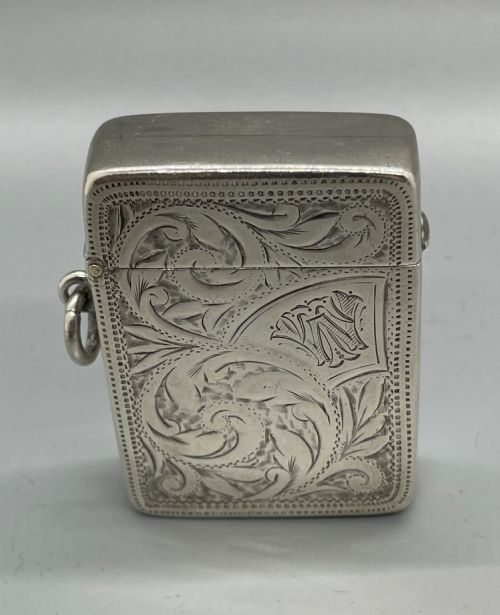
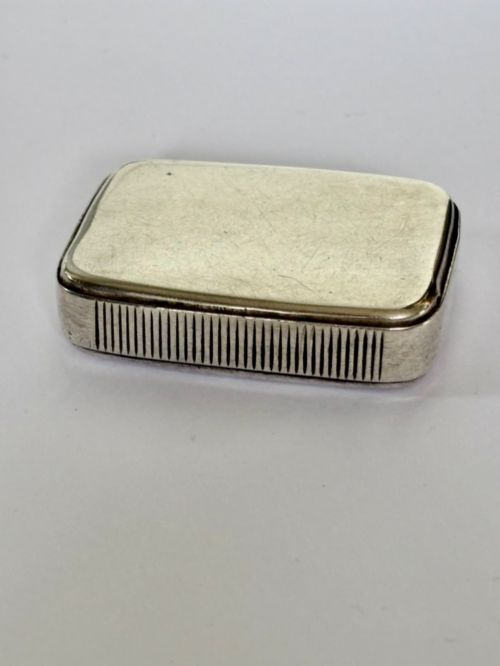
A victorian pocket matchbox holder is fundamentally a utilitarian object engineered to protect fragile matches from moisture and friction while in transit. The core of this inventory comprises sterling silver vesta cases produced during the nineteenth and early twentieth centuries, spanning the Victorian and Edwardian eras.
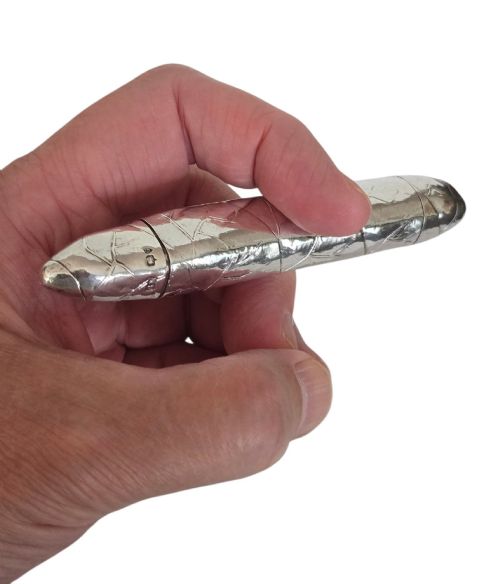
Beyond standard rectangular pocket boxes, makers produced novelty shapes and combination pieces that served secondary functions. Examples include double-ended cigar containers, sovereign cases, and combination snuff boxes reflecting the diverse smoking habits of the period.
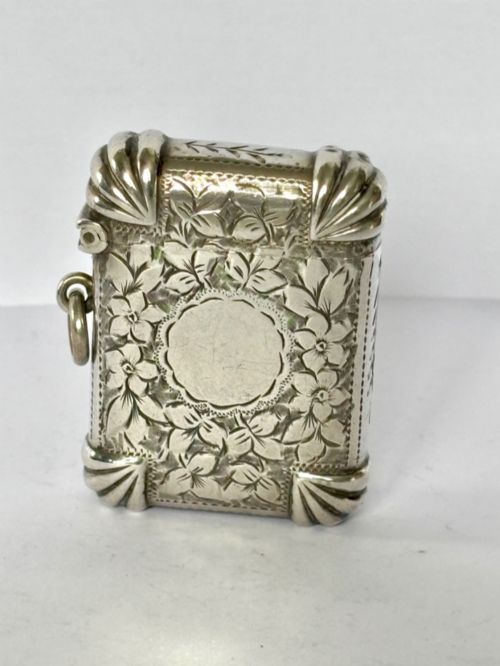
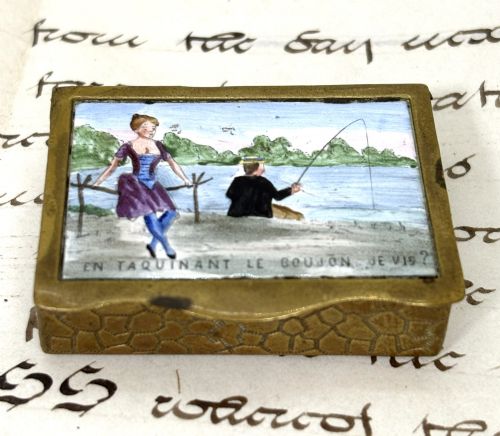
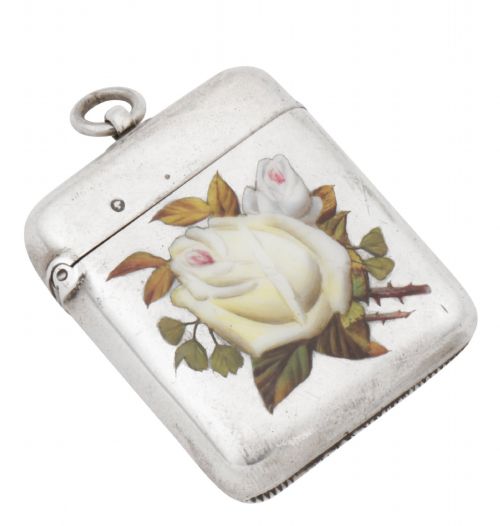
The aesthetic vocabulary ranges from plain scroll-engraved silver to elaborate polychrome enamels and sculptural brass forms. While standard silver boxes predominate, collectors frequently encounter novelty iterations fashioned as animals, portraits, and sporting subjects.
Determinants of Quality
Quality in a victorian pocket matchbox holder rests upon the crispness of the maker's hallmarks, the depth of hand-engraved relief work, and the structural integrity of the spring-loaded lid. Superior examples retain flush-fitting closures that seal tightly to protect the contents.
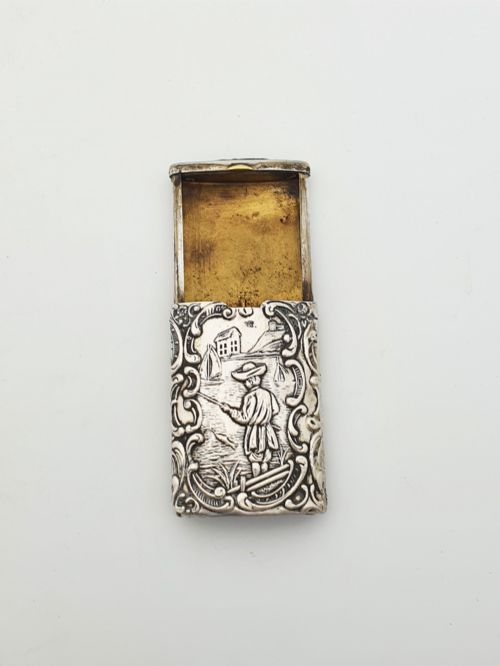
In painted enamel or novelty pieces, the distinction lies in the artistry and preservation of the miniature painting or the anatomical precision of sculptural forms like boars and human figures. Heavy gauge silver construction and undamaged enamel surfaces distinguish the finest pieces from standard production items.
Listings feature sterling silver, 800 silver, and brass, spanning the Victorian, Edwardian, and Art Nouveau periods.
EV Pledge & Son·Sampson Mordan & Co·A & J Zimmerman·William Neale·William Hair Haseler
The Victorian Pocket Matchbox Holder Glossary
- Vesta
- A short match tipped with sulphur or phosphorus, designed to ignite upon being struck against a rough surface. The vesta case was invented specifically to carry these items safely.
- Sterling silver
- An alloy comprising 92.5 percent silver and 7.5 percent other metals, typically copper. This standard composition is verified by British assay office hallmarks stamped directly onto the metal.
- Repousse
- A metalworking technique where the artisan hammers the metal from the reverse side to form a raised design in relief on the front. This method creates tactile, three-dimensional decorative panels on match cases.
- Silver gilt
- Sterling silver that has been coated with a thin layer of gold on its interior or exterior surfaces. This process prevents oxidation and adds a rich two-tone visual depth.
- Wax taper
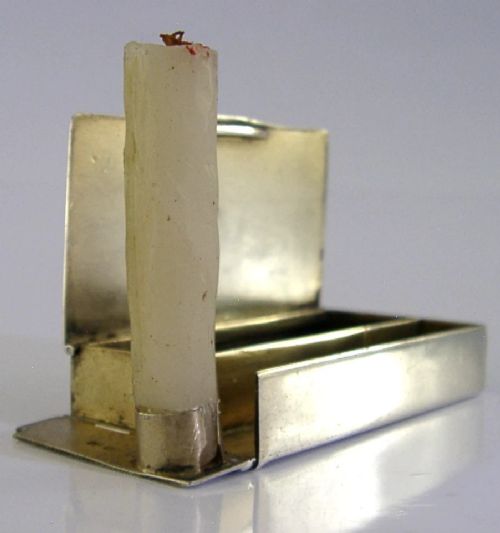
- A thin wax-coated wick housed inside specialised match holders to provide a sustained flame for lighting cigars. These tapers extend the utility of the pocket container.
Victorian Pocket Matchbox Holder: Frequently Asked Questions
What is the difference between a vesta and a matchsafe?
The terms are largely interchangeable within the antiques trade, though 'vesta' originates from the brand name of early matches. Both describe pocket-sized containers engineered to hold matches and feature a serrated striking strip on the base.
In British terminology, vesta case remains the predominant descriptor, whereas matchsafe appears more frequently in American contexts. Both serve the exact same historical function of protecting fragile matches from accidental ignition.
How do I read the hallmarks on a silver vesta?
British hallmarks typically consist of a maker's mark, a standard mark indicating silver purity, an assay office city mark, and a date letter. Together these stamps reveal precisely where, when, and by whom the piece was manufactured.
Foreign pieces, such as continental 800 silver items, often feature different national control marks rather than standard British leopard heads or anchors. Consulting dedicated assay registers helps decode the specific date letters stamped into the metal.
How were these match holders carried?
Victorian gentlemen typically carried vesta cases in their waistcoat pockets, often attached to a watch chain known as an albert. Ladies also carried smaller versions suspended from chatelaines or handbags.
The inclusion of a small suspension loop on many pieces indicates they were designed to be secured to a chain rather than left loose in a pocket. This prevented the valuable silver container from being lost during daily movement.
Why do some vestas feature a striking wheel?
Trick or novelty vestas occasionally incorporated mechanical elements like spring-loaded lids or striking wheels to amuse contemporaries and conceal their true function. These complex mechanisms distinguish high-end bespoke pieces from standard stamped boxes.
The presence of moving parts required skilled silversmithing to ensure the match compartment remained airtight while operating smoothly. Such engineering reflects the Victorian fascination with novelty pocket devices.