





Victorian Pocket Glass
Victorian pocket glass items are portable optical pieces and miniature personal accessories, offering tactile daily utility and refined period craftsmanship.
Victorian Pocket Glass
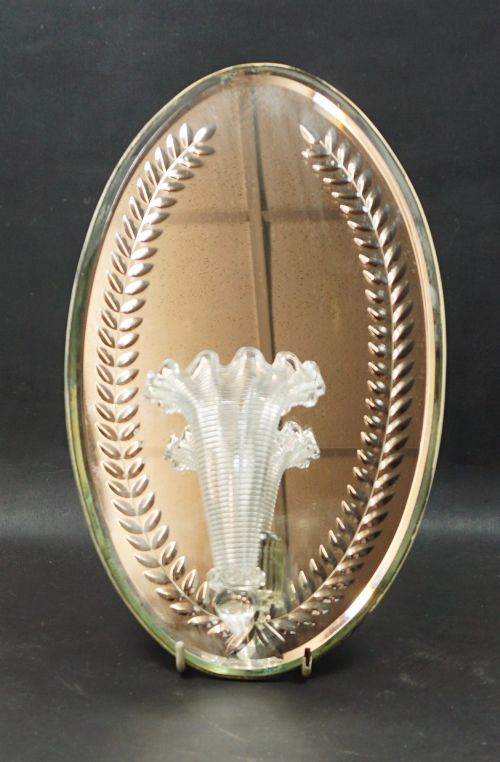
When searching for victorian pocket glass, collectors encounter a diverse group of portable items incorporating optical lenses, mirrors, or glass vessels alongside metal mounts. The selection spans utilitarian containers and personal viewing devices, uniting functional design with decorative arts from the nineteenth century.
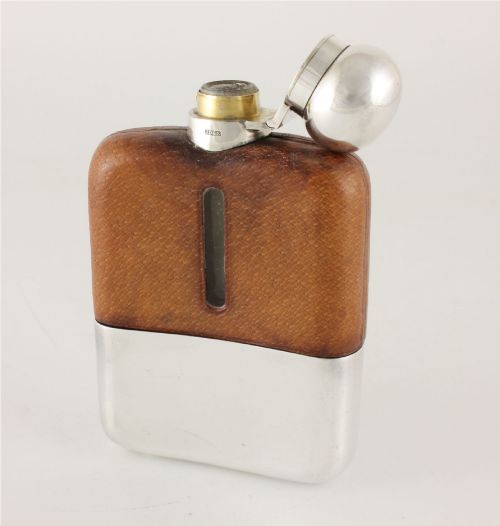
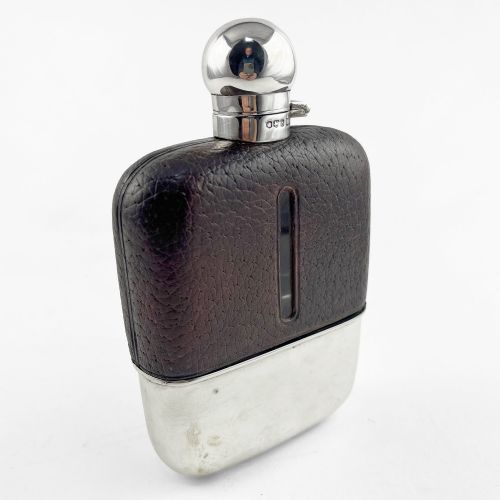
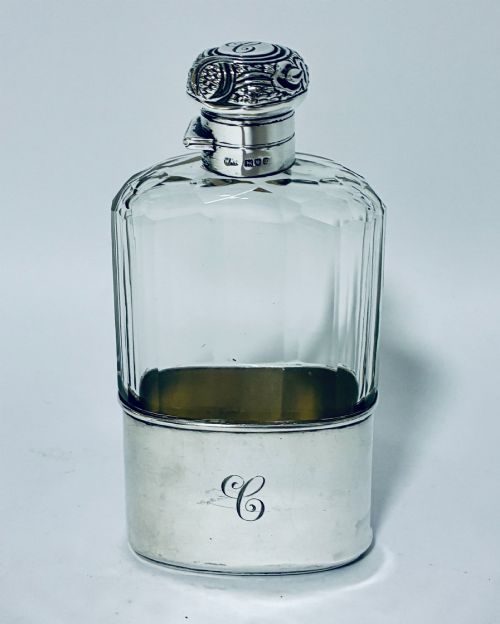
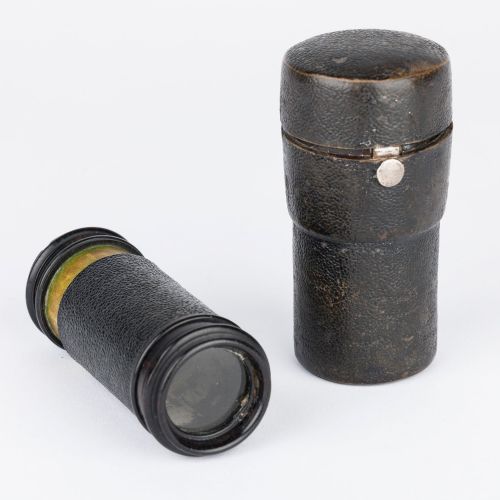
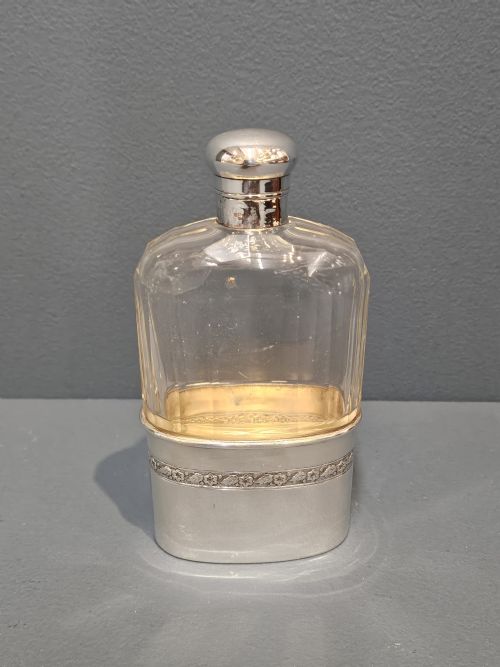
The most common forms on this page include glass and sterling silver hip flasks, optical magnifiers, opera glasses, and spyglasses. These objects reflect the Victorian appetite for portable, well-engineered personal accessories intended for travel, theatre, or daily carriage.
Materials and construction
Makers combined blown and cut glass with sterling silver, brass, and leather, securing glass bodies inside fitted metal collars and removable cups. Optics required precision ground glass lenses housed in brass and fruitwood draws, sometimes wrapped in crocodile leather.
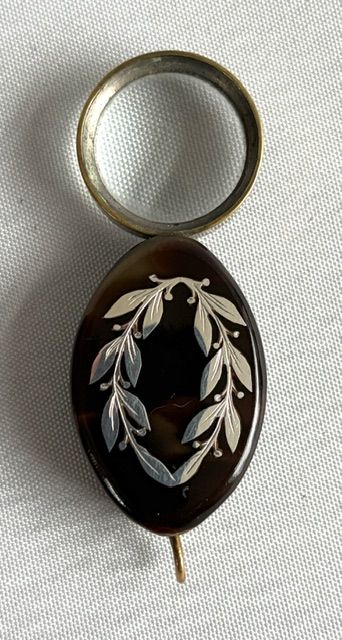
Silver components frequently feature hallmarks indicating assay offices in London, Birmingham, and Glasgow alongside decorative techniques like hammering, gilding, and pique work on tortoiseshell.
Victorian Pocket Glass Retail Price Guide 2026
Typical asking prices for victorian pocket glass among the pieces listed under this phrase on Sellingantiques today, from the lower quarter to the upper quarter. They describe what is for sale here now, not the wider market.
A travelling gentleman could simultaneously check his appearance in a mirror, steady his nerves with a silver flask, and inspect a tiny photograph through a Stanhope lens.
Assessing quality and execution
Quality rests in the precision of the mechanics, the clarity of the glass, and the crispness of the metalwork. Better examples exhibit tight joints on flask cups, smooth movement in telescopic draws, and unblemished optical surfaces.
Superior pieces display fine detailing such as gilt interiors, intricate tortoiseshell inlay, or signed maker marks, distinguishing standard utilitarian items from luxury pocket accessories.
Asprey London·Francis West of Fleet Street London
The Victorian Pocket Glass Glossary
- Hip flask
- A curved container designed for carrying spirits, typically featuring a captive cap and a removable bottom cup.
- Loupe
- A small magnifying glass used to inspect hallmarks, gems, or fine details.
- Pique
- A decorative technique involving inlaid points of gold or silver into tortoiseshell or ivory.
- Spirit flask
- A portable glass vessel mounted in silver or brass for holding liquor during travel.
- Stanhope lens
- A cylindrical optical lens that produces a microscopic photograph when held to the eye.
Victorian Pocket Glass: Frequently Asked Questions
What is a Victorian pocket glass?
A Victorian pocket glass generally refers to portable optical instruments, mirrors, or glass-bodied flasks housed in protective metal or leather cases.
These items were manufactured during the nineteenth century for personal use during travel, leisure, and social outings.
How do I clean a silver hip flask?
Silver hip flasks require gentle cleaning with a soft cloth and a specialised silver polish to preserve the original hallmarks and metal finish.
Care must be taken to avoid abrasive materials that can scratch the glass bodies or damage gilt interiors.
How do I date an antique spyglass?
Dating a spyglass involves examining the materials, such as brass and fruitwood, alongside any engraved maker signatures or assay marks on the mountings.
Styles shifted from eighteenth-century single-draw tubes to multi-draw Victorian configurations with leather or tortoiseshell coverings.
Were pocket glasses used daily?
Many of these items served practical daily functions, from optical magnifiers used for reading to hip flasks carried during sporting events and travel.
Their robust construction in silver, brass, and thick glass ensured they could withstand regular carriage in pockets or bags.