

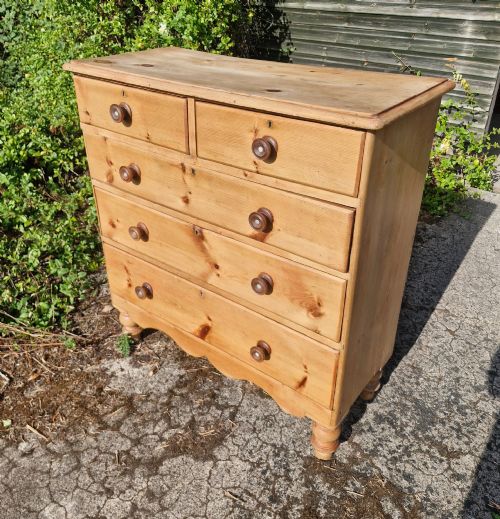
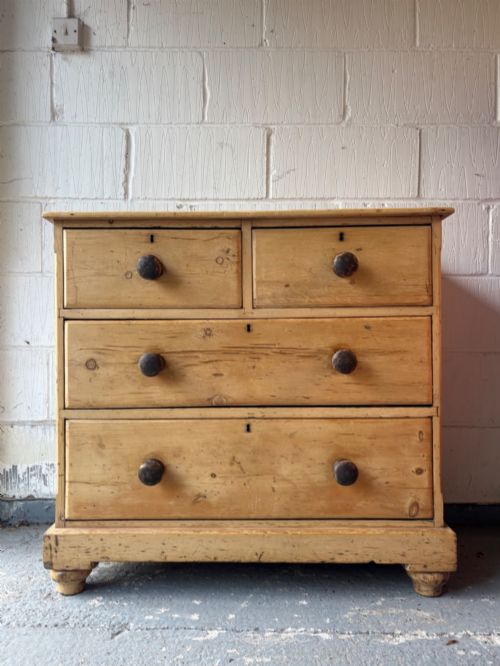
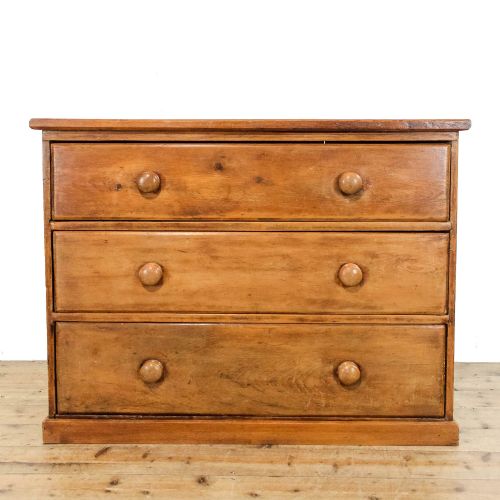
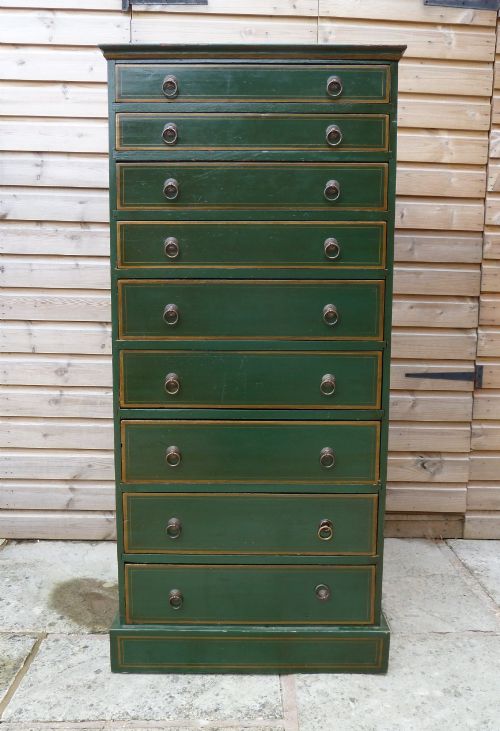
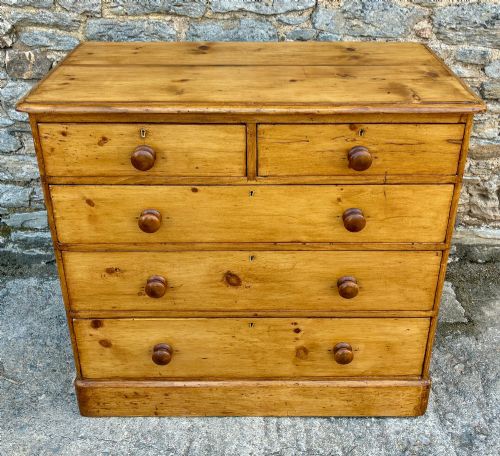
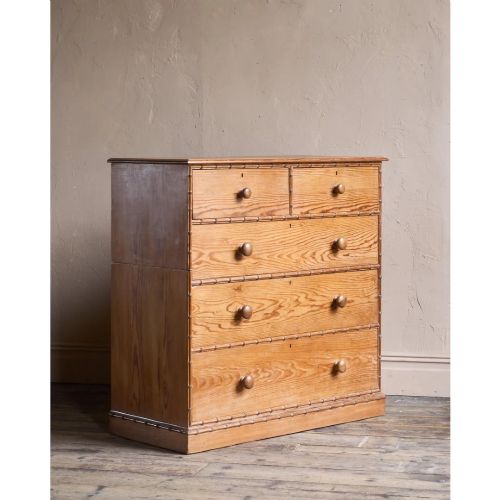
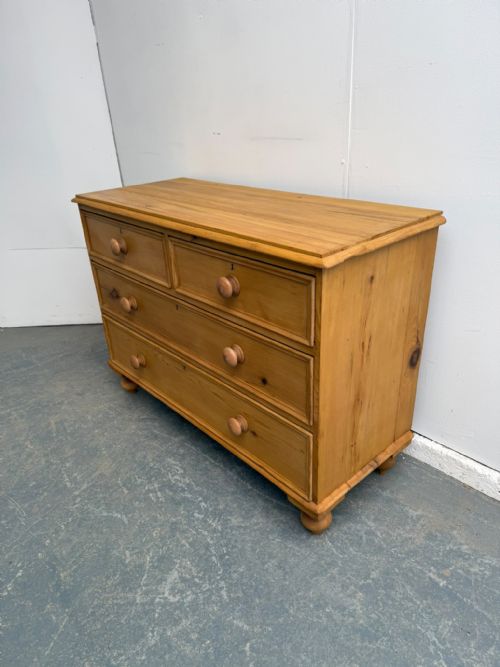
Victorian Pine Tallboy Chest
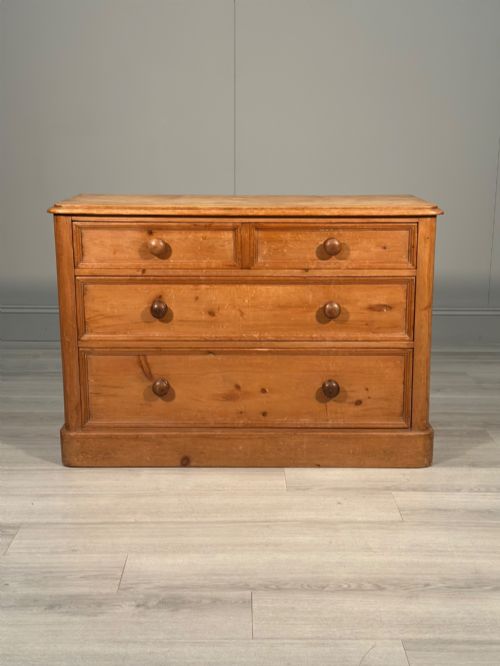
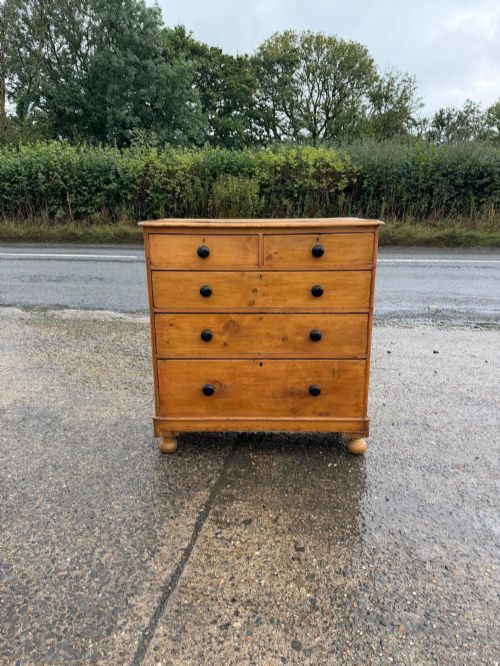
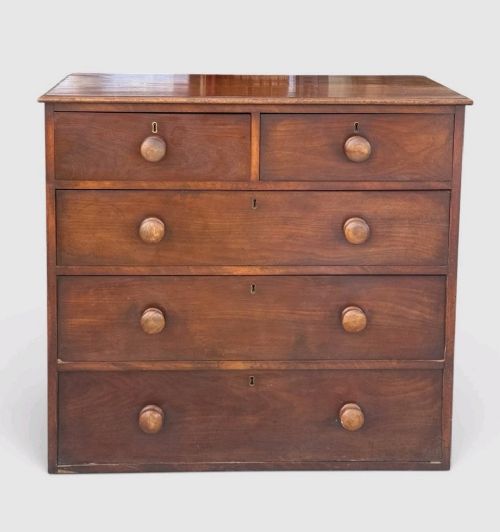
A victorian pine tallboy chest provides upright bedroom storage, combining practical capacity with the warm grain or painted finish characteristic of nineteenth-century domestic furniture.
Victorian Pine Tallboy Chest
A victorian pine tallboy chest is a vertical storage piece designed to maximise drawer space while taking up a smaller floor footprint than traditional wide chests. These examples primarily date from the nineteenth century, spanning periods from the mid-Victorian era through to Edwardian years, with forms ranging from standard multi-drawer units to tall Wellington chests.
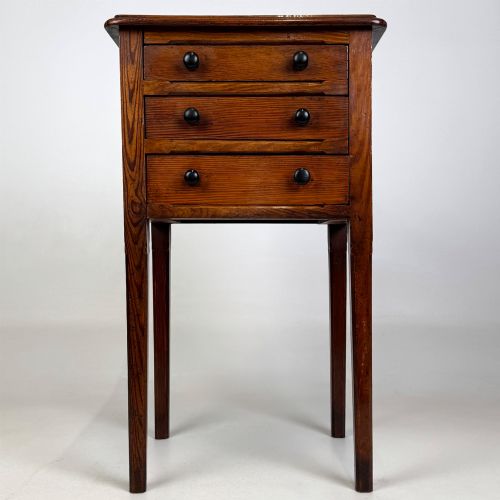
Buyers will encounter variations in drawer configurations, such as two-over-three arrangements or towering seven-drawer formats. Alongside standard upright chests, the selection includes related forms like linen presses and side cabinets built from timber.
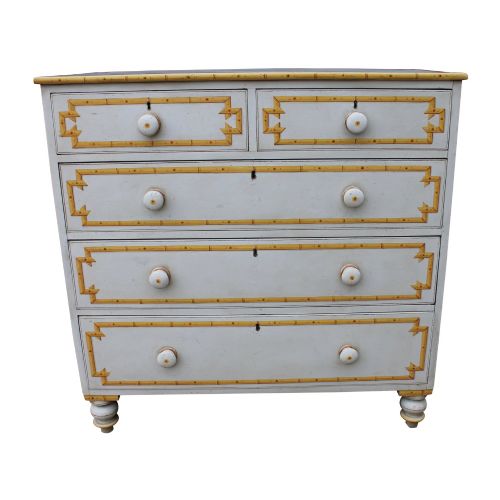
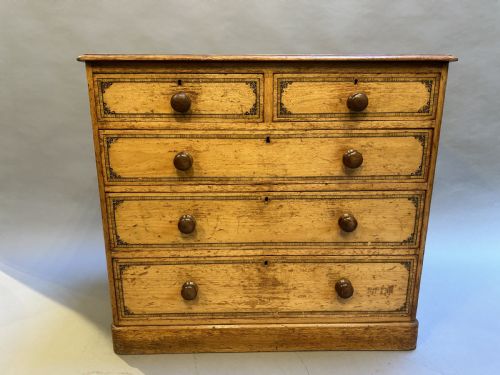
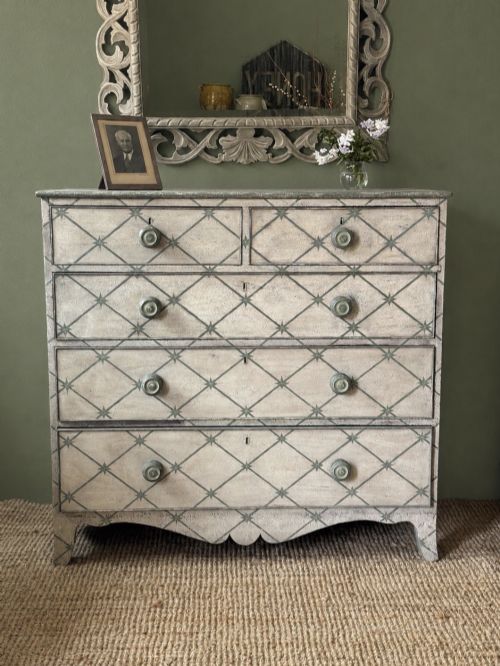
Originating largely from British and European workshops, these pieces reflect both formal domestic manufacture and regional country traditions. Surfaces appear either stripped to reveal natural wood grain or preserved in historic painted finishes.
How they were made
Makers utilised softwoods predominantly, selecting standard pine, pitch pine, and oregon pine for carcases and drawer construction. Timber was frequently joined using traditional methods and finished with brass hardware, iron fittings, or turned wooden bun handles.
Many surfaces received decorative treatments rather than a clear polish, including scumble paint, stencilling, or full coats of coloured paint. Historic pieces often retain their original paint layers, showing brush marks and wear accrued over decades of domestic use.
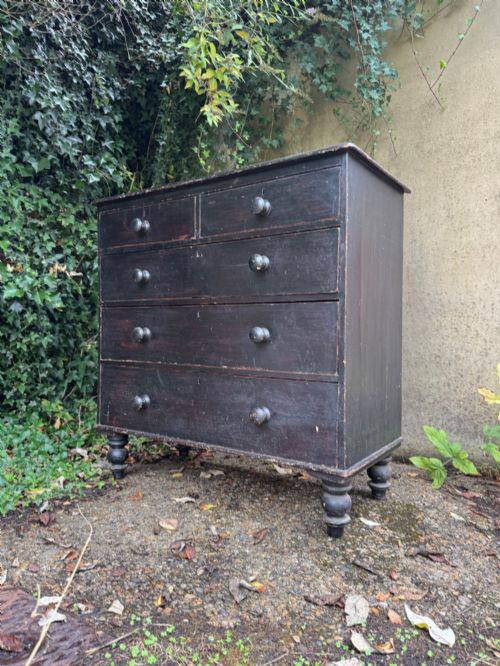
Several chests retain their original dark scumble paint, having survived over a century of bedroom service without ever meeting sandpaper.
What varies in quality
The standard of a victorian pine tallboy chest depends heavily on the integrity of its timber and the preservation of its original surface. Pieces retaining untouched scumble paint or early coloured finishes command distinct interest compared to those stripped down to bare wood in later decades.
Construction details such as dovetailed drawer joints, original brass or ceramic pulls, and robust framing distinguish finer workshop pieces from simpler utility furniture. Proportion and scale also influence character, with taller seven-drawer formats offering a more commanding architectural presence.
Howard and Sons
The Victorian Pine Tallboy Chest Glossary
- Pitch pine
- A dense, resinous softwood with a pronounced grain pattern utilised frequently in nineteenth-century cabinetry for added durability. It resists knocks better than standard yellow pine.
- Scumble paint
- A decorative glazing technique applied over a base coat to imitate more expensive hardwoods or create patterned grain effects. It was popular during the Aesthetic and Art Nouveau periods.
- Wellington chest
- A tall, narrow chest of drawers secured by a hinged vertical locking side bar that fastens over the drawer edges. This format originated in the nineteenth century.
- Bun handle
- A small, rounded wooden drawer pull turned on a lathe, commonly found on Victorian and Edwardian case furniture. They provide a tactile grip for opening drawers.
- Linen press
- A tall storage cabinet featuring upper doors enclosing sliding trays or shelves above a chest of lower drawers. These items were designed specifically for household textiles.
Victorian Pine Tallboy Chest: Frequently Asked Questions
How do I date a pine chest?
Dating relies on examining construction techniques, drawer jointing, and handle types. Earlier pieces from the mid-nineteenth century often feature hand-cut dovetails and simpler timber preparation.
Later Victorian and Edwardian examples show machine assistance alongside shifts in stylistic decoration like scumble painting or bamboo-effect turning.
What is the difference between pine and pitch pine?
Standard pine is a softer, lighter timber that took paint or simple wax finishes easily for everyday domestic furniture. Pitch pine contains higher resin content, giving it a heavier weight and a much more dramatic grain pattern.
Cabinets made from pitch pine usually date to the later nineteenth century and offer greater natural durability.
Are painted finishes original?
Many nineteenth-century chests retain their original paint or scumble layers applied to protect the softwood beneath or imitate costlier woods. Examining the wear patterns and edges helps determine if the surface is historic or a later decorative update.
Original paint often shows subtle crazing and soft patination accumulated over generations.
Where were tallboy chests used?
Tallboys were designed primarily for bedrooms and dressing rooms to store folded garments, linens, and personal items. Their vertical format allowed households to gain maximum storage capacity without sacrificing floor space.
They also appeared in landings and housekeepers' rooms for general household inventory storage.