
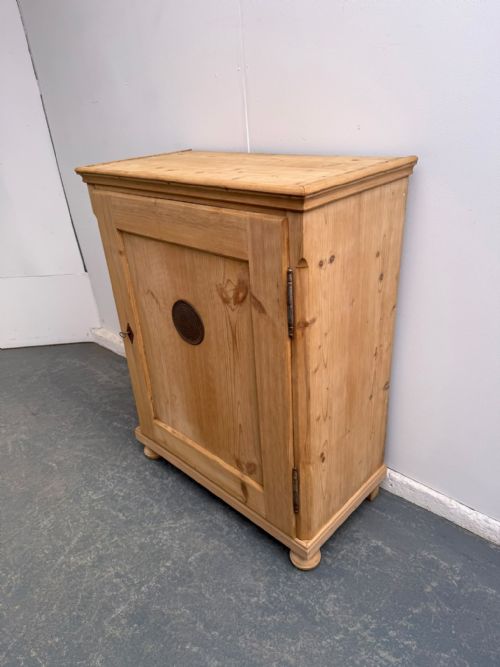
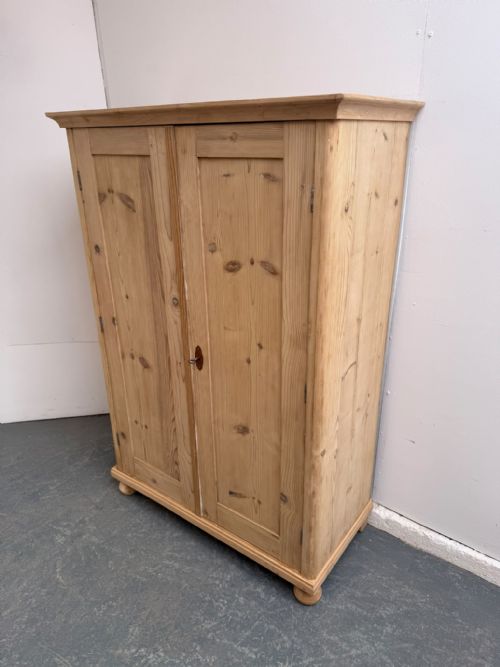

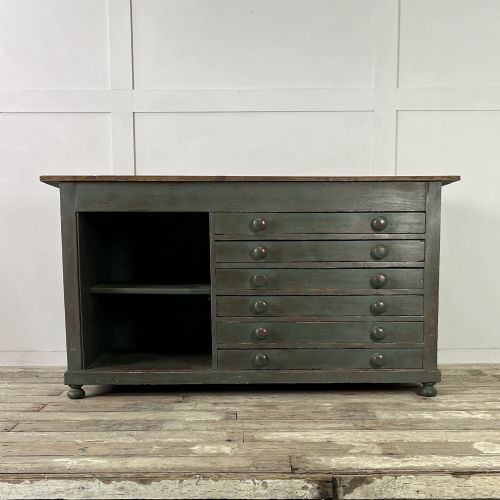


Victorian Pine Side Cabinet
A victorian pine side cabinet delivers sturdy utility with honest charm, shaped by the practical needs of nineteenth-century domestic life.
Victorian Pine Side Cabinet
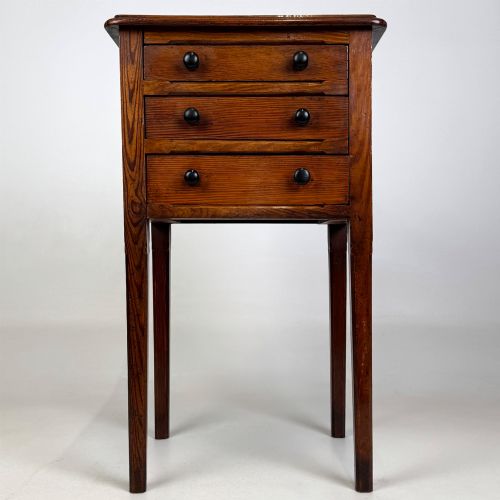
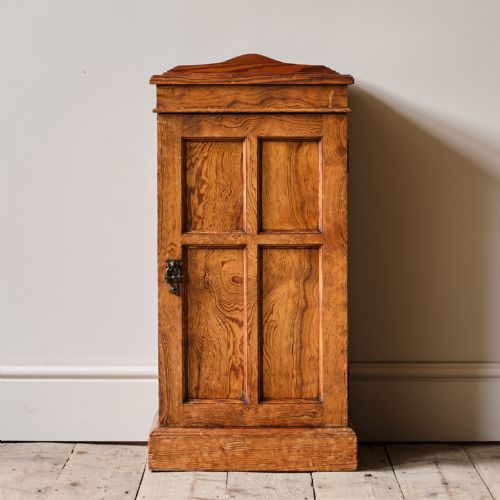
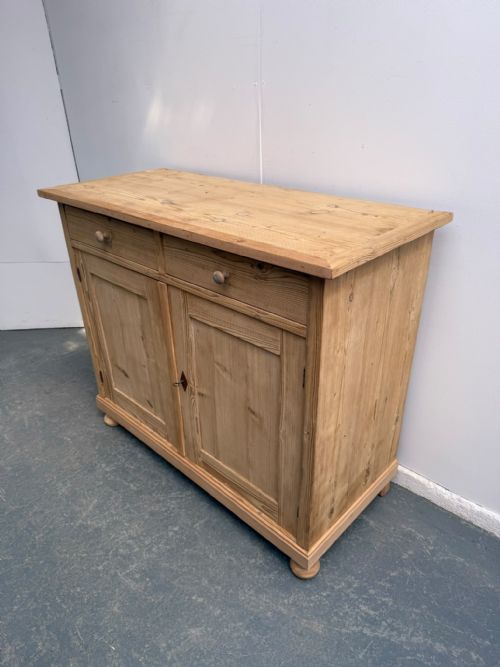
A victorian pine side cabinet covers a broad family of storage furniture produced during the nineteenth century, ranging from compact bedside cupboards and pot cupboards to larger dresser bases, shop fittings and chest of drawers. The examples seen here draw heavily on styles such as Gothic Revival, rustic farmhouse and English country, reflecting the robust and functional requirements of the period.
Bedside cabinets and small cupboards dominate the available selection alongside taller storage chests and dresser bases. These pieces date across the Victorian era, spanning from the mid-nineteenth century through to around nineteen hundred, utilising both standard pine and heavier pitch pine timbers.
Materials and Construction
Makers relied primarily on pine, pitch pine and occasional additions of oak, shaping solid timber carcases designed for everyday service. Metal components such as iron and brass hardware provided structural reinforcement and hinges, while decorative surface treatments included original paint finishes, carved details and applied wax.
Construction methods prioritised utility and durability, resulting in sturdy panelled doors, dovetailed drawers and solid plinth bases. Surfaces were frequently prepared for waxing or left in their original painted coats, displaying the natural grain and knots of the softwood.
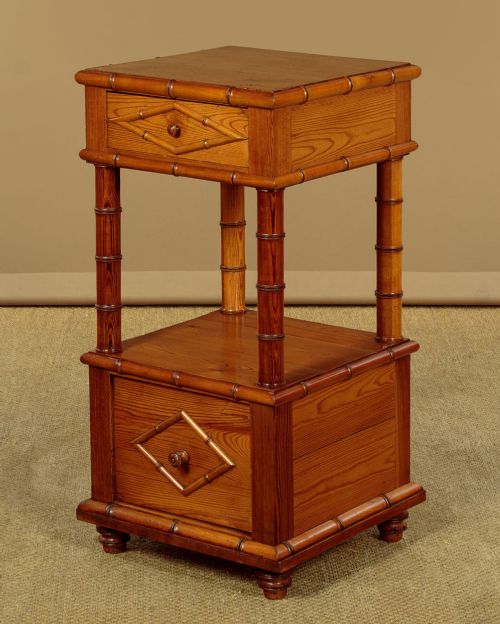
Makers occasionally employed clever faux bamboo turnings to mimic exotic imported cane on sturdy domestic pine.
Judging Quality
Quality rests in the integrity of the timber selection and the retention of original surfaces, such as early paintwork or rich wax patination. Dense pitch pine construction and well-executed details like carved columns or faux bamboo turnings indicate a higher grade of manufacture.
Proportion and structural soundness distinguish standard utilitarian items from finer decorative examples. Pieces retaining original hardware, sound joints and untouched painted finishes command greater appreciation among collectors.
J. Shoolbred
The Victorian Pine Side Cabinet Glossary
- Pitch Pine
- A dense, resinous softwood commonly utilised in nineteenth-century cabinetry for its durability and strong grain pattern. It resists wear better than standard white pine.
- Pot Cupboard
- A small bedside cabinet originally designed to house a chamber pot. These compact units typically feature a single door enclosing a shelf.
- Dresser Base
- The lower section of a kitchen dresser, usually comprising a combination of drawers and cupboards beneath a solid top. They served as primary storage furniture in nineteenth-century sculleries and kitchens.
- Wellington Chest
- A tall, narrow chest of drawers secured by a hinged locking side stile that fastens with a padlock. This form maximised vertical storage space in limited room.
- Plinth Base
- A solid rectangular block or platform upon which a cabinet rests, raising the main body off the floor. This construction provides stable support for heavy case furniture.
Victorian Pine Side Cabinet: Frequently Asked Questions
What is a pot cupboard?
A pot cupboard is a small bedside cabinet historically built to contain a chamber pot out of sight. They usually offer a single door and a small interior shelf.
Over time, these versatile units transitioned into general bedside storage for books and personal items in Victorian bedrooms.
How do I care for waxed pine?
Waxed pine benefits from occasional applications of natural beeswax to nourish the wood and maintain a protective barrier against moisture. Avoid placing these cabinets near direct heat sources to prevent the timber from splitting.
Regular dusting with a soft cloth keeps the finish clean without stripping the aged patina.
How do I identify pitch pine?
Pitch pine displays a significantly heavier, denser grain pattern with prominent growth rings and a darker amber hue than standard softwoods. It feels noticeably heavier and harder to the touch.
This timber was favoured for robust furniture requiring greater structural strength.
Are painted finishes original?
Some pieces retain their original factory or domestic paint layers, while others have been decorated or stripped down to bare wood at a later date. Examining the wear patterns and underlying layers helps determine the age of the paint.
Original painted surfaces often exhibit crackle, minor chips and soft patination accumulated over decades.