




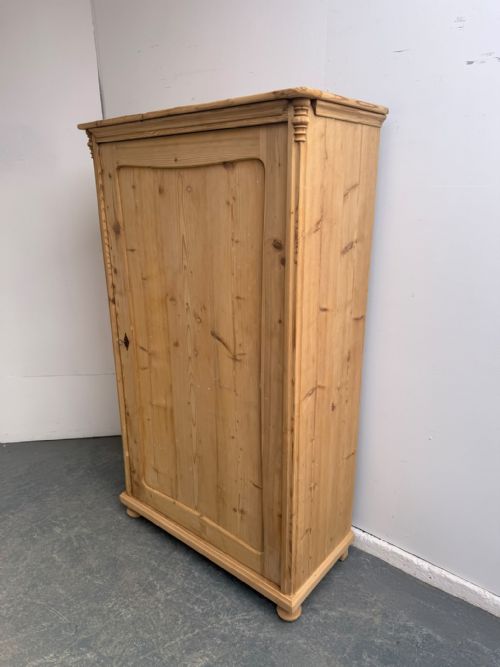
Victorian Pine Pantry
A victorian pine pantry offers honest domestic storage, bringing sturdy utility and natural warmth into modern kitchens.
Victorian Pine Pantry
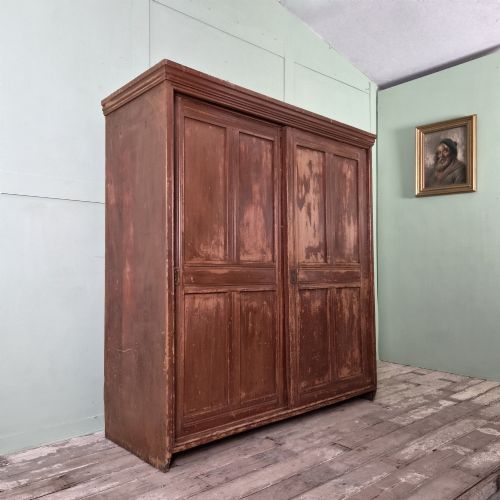
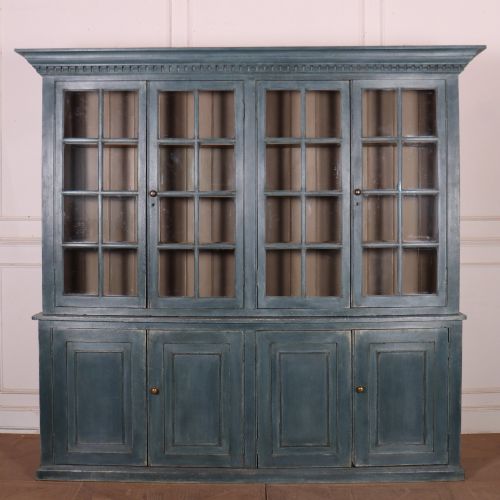
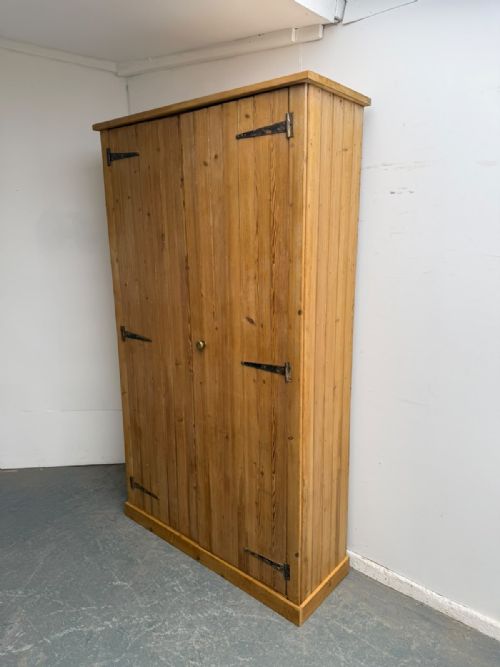
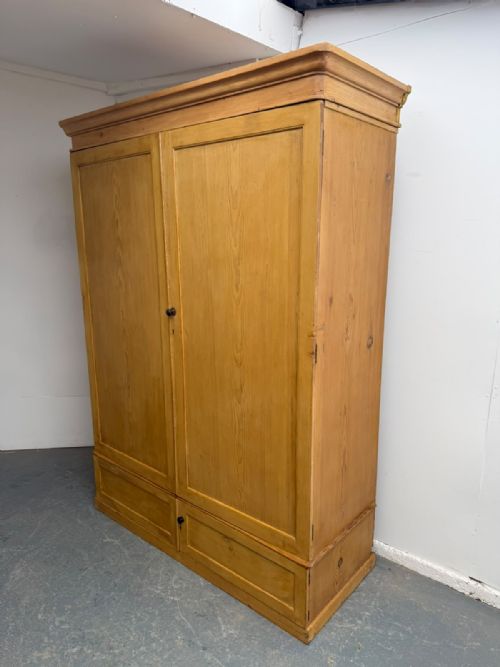
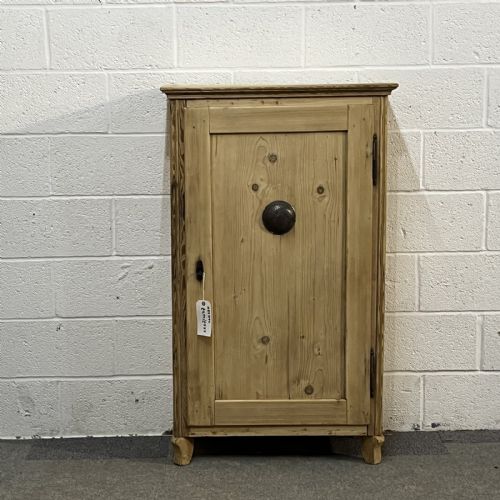
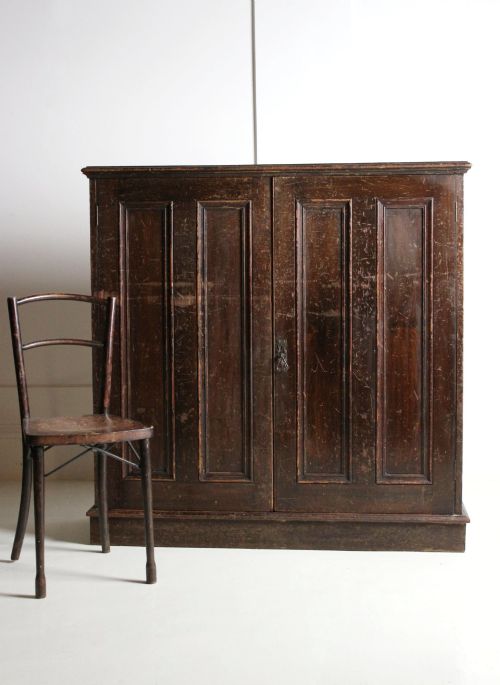
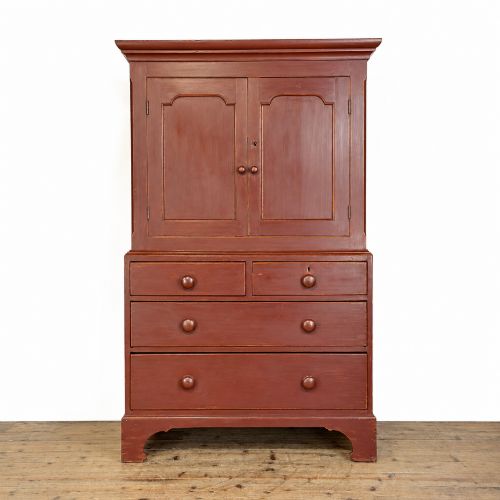
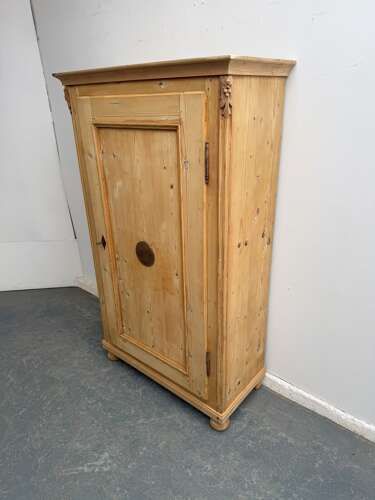
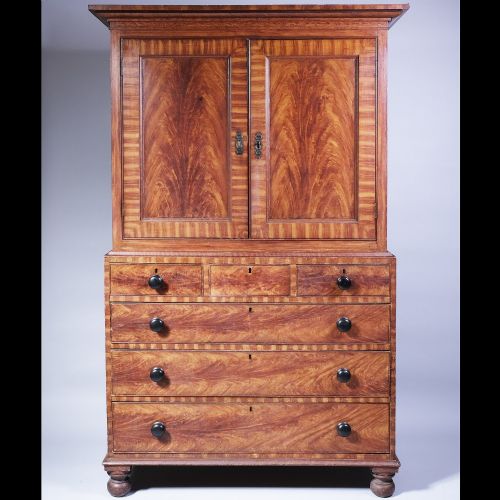
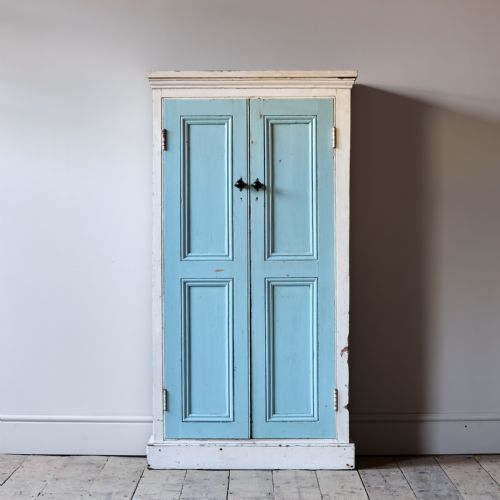
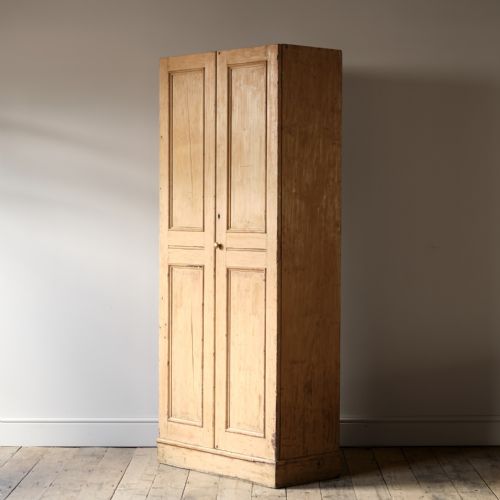
Buyers seeking a victorian pine pantry will find robust storage pieces designed for domestic utility during the nineteenth century and the Edwardian era. These utility items range from tall housekeeper's cupboards and larder cabinets to kitchen dressers, scullery cupboards, and two-part kitchen cupboards.
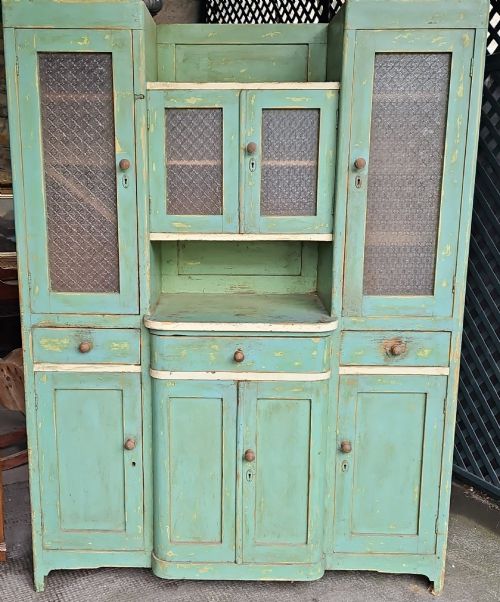
The most common forms on this page include single-door and multi-door storage cupboards, often featuring ventilated panels, drawers, or specialised compartments for household provisions. Styles lean toward Victorian country, rustic farmhouse, English country, and Welsh vernacular traditions.
Origins trace primarily to British country houses and domestic sculleries, where solid construction mattered more than decorative display. Pieces span periods from the mid-nineteenth century up to nineteen-ten, reflecting practical daily life in domestic service.
Materials and construction
Makers built these pieces primarily from solid pine, often utilising painted finishes, scumble paint, or natural wax alongside iron, brass, and metal hardware. Glass panels and ventilated screens frequently appear in doors designed to keep food stores fresh.
Carpentry techniques focus on durability, employing beaded framing, fielded panels, and sturdy multi-door configurations rather than delicate joinery. Surfaces show historic layers of paint, original finishes, or stripped wood left ready for waxing and painting.
Victorian Pine Pantry Retail Price Guide 2026
Typical asking prices for victorian pine pantry among the pieces listed under this phrase on Sellingantiques today, from the lower quarter to the upper quarter. They describe what is for sale here now, not the wider market.
Object forms span housekeeper's cupboards, larder cabinets, pantry doors, and multi-part kitchen cupboards in rustic country styles.
Assessing quality and character
Quality in these utility items rests on the integrity of the original timber and the survival of authentic finishes like scumble paint or early painted surfaces. Well-proportioned scaling, from tall narrow cupboards to wide multi-door cabinets, determines how cleanly the piece sits in a room.
Hardware retention also defines a superior example, with original brass or iron hinges, latches, and drawer pulls adding substantial integrity. Alterations, replacement panels, or stripped surfaces shift a piece away from its original domestic context.
The Victorian Pine Pantry Glossary
- Scumble paint
- A decorative surface technique used to simulate finer woods like oak through layered, dragged glazes over a paler base coat. This finish was widely applied to nineteenth-century utility furniture.
- Fielded panel
- A wooden panel with bevelled edges designed to fit securely into a grooved frame while allowing for natural wood movement. It adds structural depth to cabinet doors.
- Housekeeper's cupboard
- A large storage cabinet traditionally used for linens, dry goods, and household provisions in a country house. These pieces often combine upper shelving with lower drawers.
- Skeleton cupboard
- A specialised cabinet featuring open wooden frames or skeletal door structures, historically used for ventilation. They allowed air circulation around stored food or linens.
- Vernacular
- Architecture and furniture built by local craftsmen using regional materials and traditional methods without academic design influence. These pieces prioritize practical local utility over grand style.
Victorian Pine Pantry: Frequently Asked Questions
What was a victorian pine pantry used for?
These cupboards served as primary storage for dry goods, provisions, and household linens in nineteenth-century homes. Kitchens and sculleries relied on them to keep supplies organised and protected from pests.
Larger housekeeper variants held household linen stocks, while ventilated models kept perishable items cool before refrigeration became common.
How do I identify a 19th-century pine cupboard?
Look for construction markers such as hand-cut dovetails in drawers, pegged joints, and heavy timber thicknesses typical of nineteenth-century joinery. Original paint layers, scumble finishes, and iron or brass hardware also signal age.
Proportions tend to be heavier and more utilitarian than twentieth-century reproductions, reflecting their working origins in country houses and sculleries.
Can I paint or wax these cupboards?
Many examples are offered specifically ready to wax or paint, allowing you to match your own interior scheme. Historic painted finishes should be assessed carefully before stripping to preserve authentic character.
Applying traditional beeswax nourishes bare pine surfaces, while breathable modern paints suit pieces that have already lost their original coatings.
How do I fit a large pantry cupboard into a modern kitchen?
Measure your ceiling height and floor space carefully, as these nineteenth-century pieces often feature deep cornices and heavy proportions. Taller housekeeper cabinets work well as freestanding larders in contemporary open-plan spaces.
Ensure clearance for swinging doors, particularly on multi-door or wide storage cupboards that require adequate room for daily access.