


Victorian Pine Occasional Table
These Victorian pine occasional tables are honest nineteenth-century utilitarian surfaces built from softwoods, offering versatile utility for modern rooms.

Victorian Pine Occasional Table
A victorian pine occasional table represents the practical domestic furniture produced across the nineteenth century, utilising straightforward timber construction for everyday rooms. Buyers searching for a victorian pine occasional table encounter various utilitarian forms designed for specific domestic tasks rather than formal display.
The selection ranges from simple side tables and drop-leaf formats to cricket tables with bleached tops on three turned legs, alongside specialised pieces like pitch pine side tables and chapel tables. Most examples originate from the nineteenth century, including specific dates around eighteen eighty and nineteen hundred, reflecting robust English country traditions.
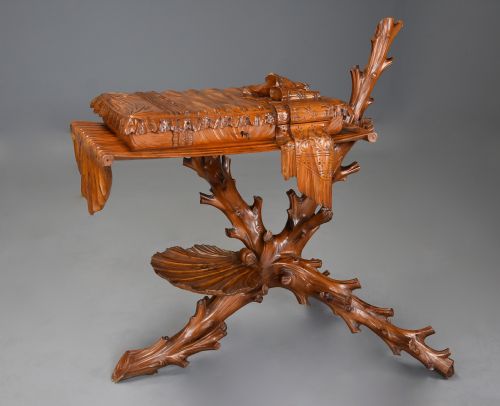
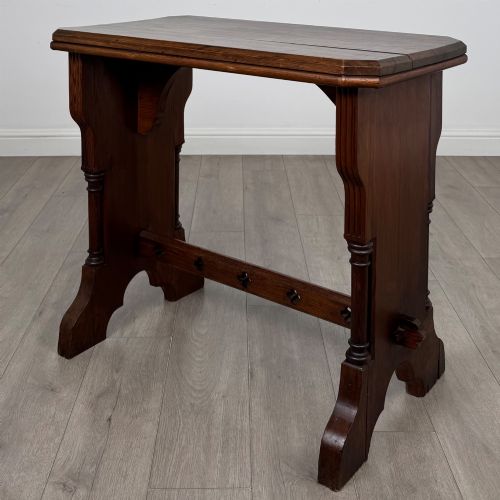
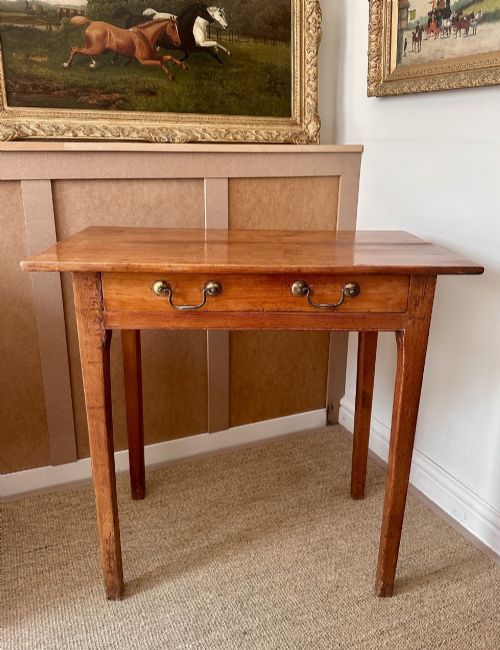
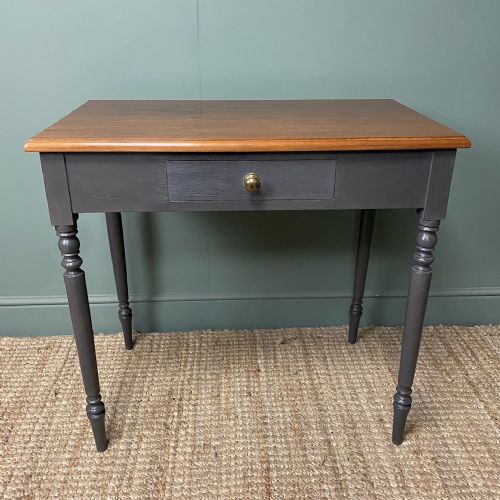
Beyond standard side tables, the category encompasses low occasional formats, coffee tables, and lowboys featuring drawers, as well as painted grey and painted green variants. Regional and workshop variations introduce distinct stylistic elements, from Gothic Revival influences to Italian grotto carving in pine.
Materials and Construction
Makers built these pieces primarily using solid pine and dense pitch pine, selecting the timber for its availability and workability. Joinery relies on traditional carpentry methods suited to softwood, ensuring stability across side tables, drop-leaf tables, and lowboys.
Surface treatments vary from natural waxed finishes and bleached wooden tabletops to applied layers of paint in grey and green hues. Additional components occasionally incorporate brass and metal hardware, particularly on drop-leaf mechanisms and drawers.
Listings feature nineteenth-century periods alongside materials including standard pine, pitch pine, painted wood, and brass accents across various table forms.
Assessing Quality
Quality in these softwoods rests on the integrity of the timber selection, particularly the choice between standard pine and dense pitch pine, as well as the honesty of the construction. Superior examples display thoughtful proportions, sound joinery in the legs and frames, and minimal unnecessary structural alterations.
The handling of surfaces dictates visual distinction, where original painted finishes in green or grey, or carefully bleached tabletops, command greater interest than stripped or overly refinished surfaces. Distinctive regional or stylistic interpretations, such as Gothic Revival detailing or grotto carving, elevate standard utilitarian forms into notable examples.
The Victorian Pine Occasional Table Glossary
- Pitch Pine
- A dense, resinous softwood commonly utilised in nineteenth-century furniture for increased durability and a pronounced grain pattern. It resists wear better than standard softwoods.
- Cricket Table
- A small, lightweight table featuring a round wooden top supported by three splayed legs. This traditional tripod design prevents rocking on uneven flagged floors.
- Lowboy
- A small occasional table equipped with one or more drawers beneath the work surface. It served various domestic storage purposes in bedrooms and parlours.
- Gothic Revival
- An architectural and decorative style drawing inspiration from medieval design, visible in pointed arches and structural motifs on nineteenth-century pieces. This aesthetic brought ecclesiastical elements into domestic furniture.
- Drop-Leaf Table
- A table featuring hinged flaps on one or both sides that fold down to save space. Brackets or swing legs support the leaves when raised for use.
Victorian Pine Occasional Table: Frequently Asked Questions
How do I clean a painted pine table?
Dust the surface regularly with a soft, dry cloth to prevent dirt accumulation. Avoid harsh chemical cleaners that can damage historic painted finishes.
For stubborn marks, use a damp cloth with mild soap, drying the wood immediately afterwards to protect the softwood underneath.
Can I use an occasional table as a coffee table?
Many nineteenth-century low tables and lowboys function effectively as coffee tables in contemporary living spaces. Their modest height suits modern seating arrangements well.
Ensure the table height matches your sofa proportions before placing drinks or books on the surface.
What is the difference between pine and pitch pine?
Standard pine is a lighter, softer timber that takes paint and wax readily. It forms the basis of most everyday nineteenth-century country furniture.
Pitch pine contains higher resin content, making it heavier, harder, and darker in tone with a more pronounced grain pattern.
How do I date a nineteenth-century table?
Examine the construction methods, tool marks on the underside, and nail types used in the assembly. Hand-cut elements generally indicate earlier nineteenth-century production.
Consider the style and finish, comparing the piece against documented examples from periods like Victorian or Gothic Revival.
Are painted finishes on these tables original?
Some pieces retain early or original paint layers, such as traditional grey or green finishes applied during the nineteenth century. Other items received later decorative painting.
Inspect the wear patterns and underlying timber layers to understand the history of the surface coating.