



Victorian Pillar Table
The Victorian pillar table offers solid timber and sturdy central support, bringing steady utility and distinct period character to any room.
Victorian Pillar Table
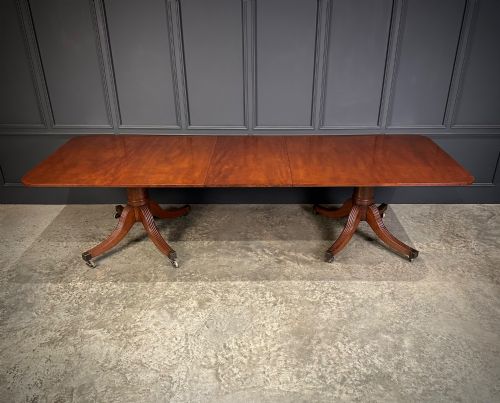
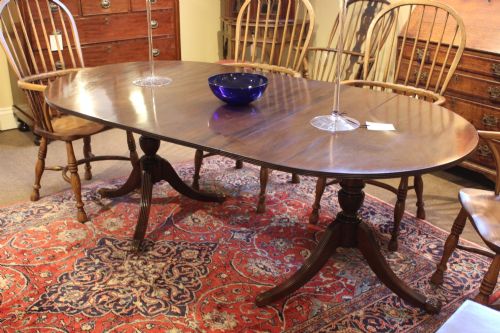
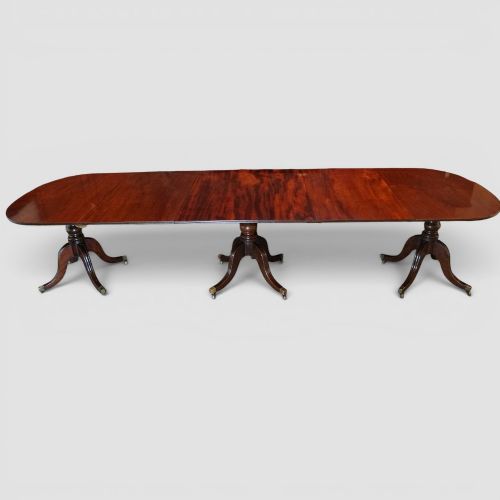
A victorian pillar table is defined by its central vertical support or column, holding up surfaces ranging from compact occasional pieces to large extending dining tables. The listings show these items span the nineteenth century, including specific dates from eighteen sixty to nineteen hundred, alongside earlier Georgian and Regency influences.
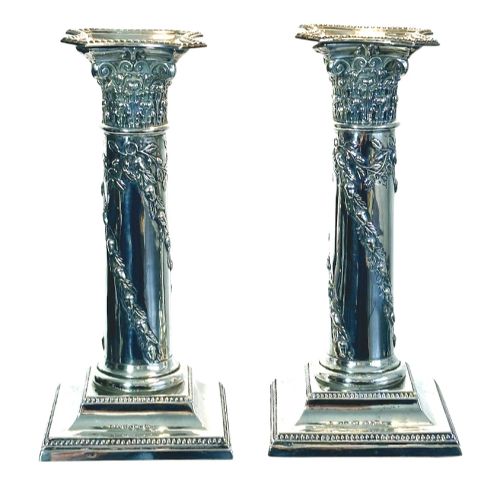
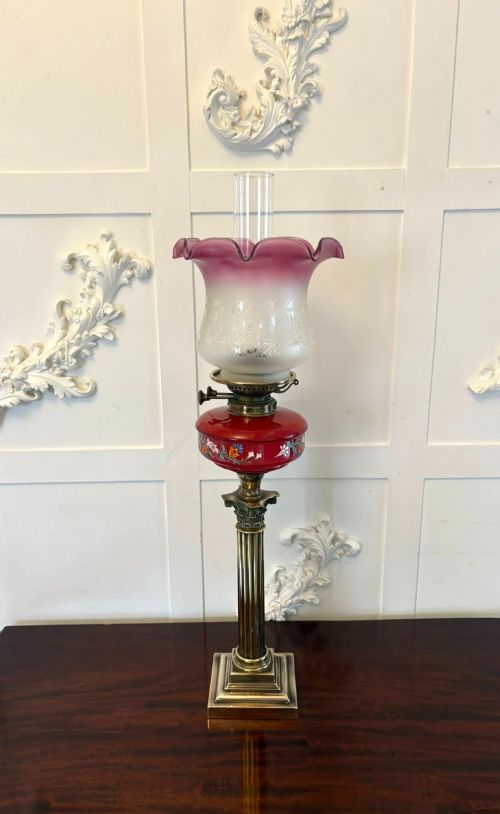
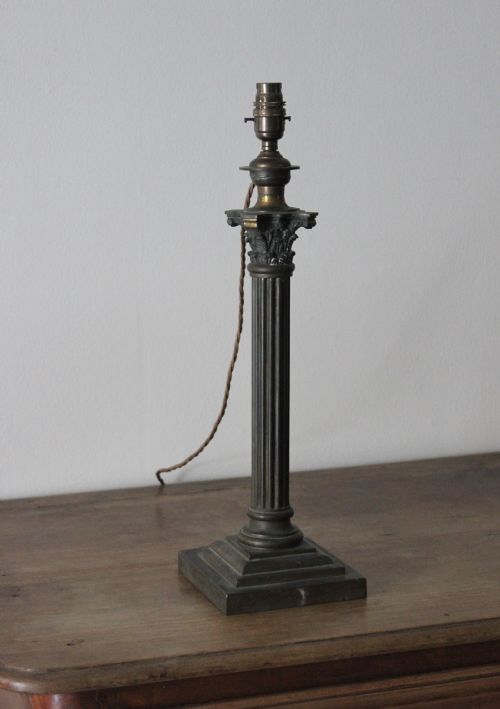
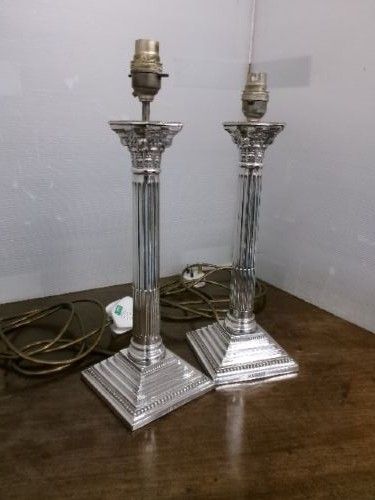
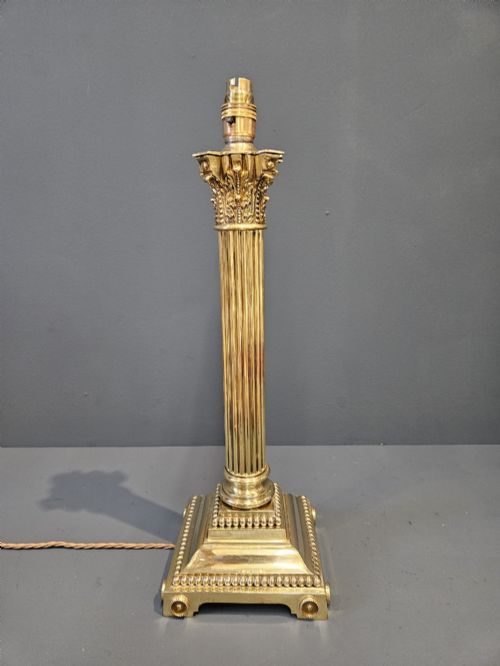
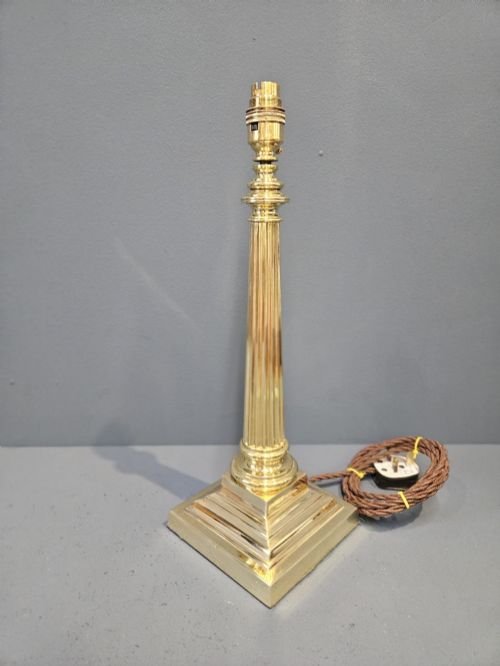
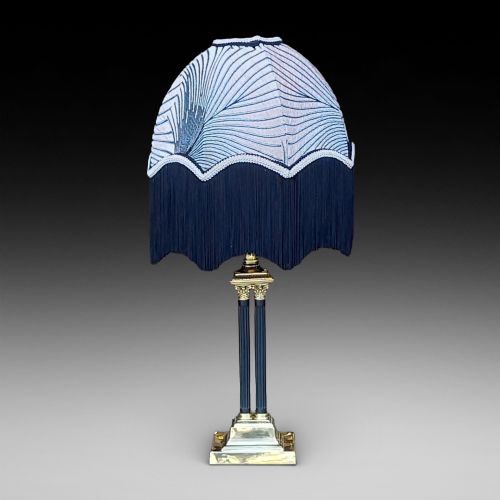
Most pieces met on this page take the form of dining tables, occasional tables, side tables, and library tables fashioned in mahogany, walnut, and burr walnut. Alongside timber furniture, the evidence reveals many vertical pillar forms rendered as brass, silver plated, and bronze column table lamps or candlesticks.
Makers and craftsmen of the period utilised styles such as Neoclassical, Regency Revival, and Rococo Revival to ornament these column structures. Whether choosing a twin pillar dining table or a brass reeded column lamp, buyers encounter pieces built for both domestic utility and formal display.
Materials and construction methods
Makers constructed the timber tables using solid mahogany, walnut, and burr walnut, frequently incorporating inlay work and multi-pillar dining mechanisms. These woods provided the necessary weight and stability for heavy pedestal bases and extending dining leaves.
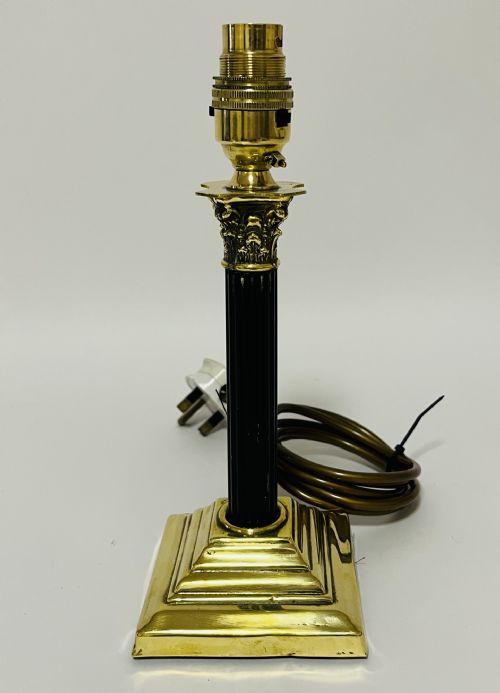
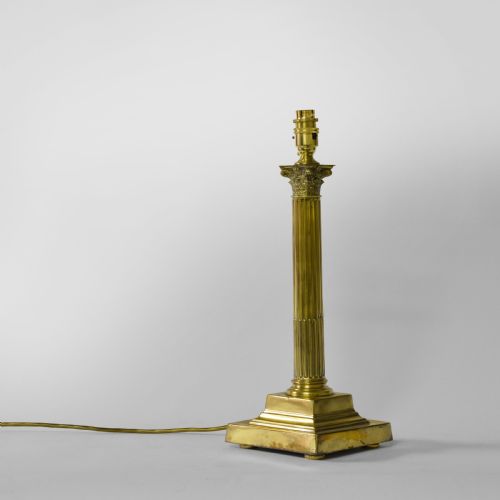
Metal components relied on cast brass, bronze, and silver plate, particularly evident in the production of Corinthian column lamps and candelabra. Artisans combined these metals with marble and glass to create detailed capitals and weighted bases for upright lighting.
Construction techniques balanced functional durability with decorative appeal, uniting turned wooden pillars with stretcher bases, console formats, and multi-pedestal supports. The resulting items demonstrate how nineteenth century workshops handled both heavy cabinetry and precision metalworking.
Victorian Pillar Table Retail Price Guide 2026
Typical asking prices for victorian pillar table among the pieces listed under this phrase on Sellingantiques today, from the lower quarter to the upper quarter. They describe what is for sale here now, not the wider market.
Listings feature nineteenth century pillar forms in mahogany, walnut, brass, bronze, and silver plate across dining, occasional, and lighting categories.
Distinctions in quality and execution
The standard of a victorian pillar table rests on the selection of timber and the precision of its central column turning. Superior examples display richly figured burr walnut or dense mahogany with tight, consistent grain across the top and the pillar support.
In metal lighting pieces, quality shows in the crispness of the Corinthian capitals and the solidity of the brass or bronze casting. Finer items exhibit sharp fluting on reeded columns and heavy, stable bases without superficial plating wear.
Structural integrity separates everyday items from superior specimens, particularly in extending dining tables and multi-pillar formats where smooth mechanical operation matters. The execution of inlaid details and the snugness of joints dictate the enduring worth of each piece.
The Victorian Pillar Table Glossary
- Corinthian column
- A classical architectural order featuring ornate, acanthus-leaf capitals adapted by nineteenth century makers for table lamps and candlesticks.
- Twin pillar
- A dining table construction utilising two central pedestals to support a long extending top, allowing balanced seating.
- Burr walnut
- A highly figured timber veneer prized for its swirling grain patterns, frequently utilised on Victorian occasional and side tables.
- Sofa table
- A rectangular occasional table traditionally placed before a sofa, often featuring drop leaves and pillar supports.
- Ormolu
- Gilt bronze ornamentation applied to nineteenth century furniture and decorative objects to provide bright metallic highlights.
Victorian Pillar Table: Frequently Asked Questions
How do I date a pillar table?
Dating relies on timber choice, construction methods, and stylistic revival markers seen in the piece. Nineteenth century examples often combine specific Victorian revival motifs with traditional joinery.
Examining the underside and the turning of the central pillar helps distinguish genuine period production from later reproductions.
Are pillar tables stable on carpets?
The stability depends on the weight distribution of the central pillar and the spread of the feet. Multi-pillar dining tables and heavy bronze bases generally offer steady support on most floor surfaces.
Smaller occasional tables with single pedestals require careful placement to prevent tipping on thick pile carpets.
What is the difference between a pedestal and a pillar?
The terms are often used interchangeably in nineteenth century furniture descriptions to denote a vertical support. Pedestal frequently implies a broader base structure, while pillar often describes a column form.
Both serve the primary function of holding the tabletop aloft from a central point rather than using four corner legs.
How should I care for mahogany and walnut surfaces?
Timbers like mahogany and burr walnut respond best to regular dusting with a soft, dry cloth and occasional application of appropriate wax polish. Avoiding direct sunlight prevents the rich natural colours from fading over time.
Maintaining consistent room humidity protects the wood and veneer from shrinking or cracking around the pillar joints.