

Victorian Picture
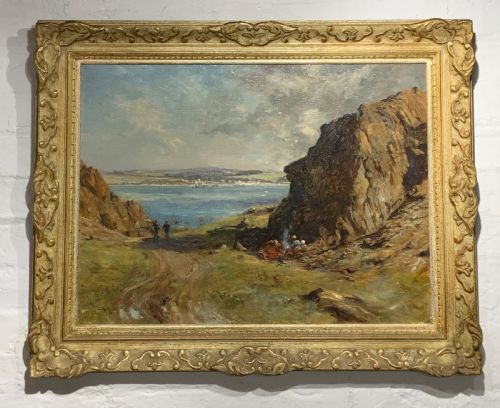
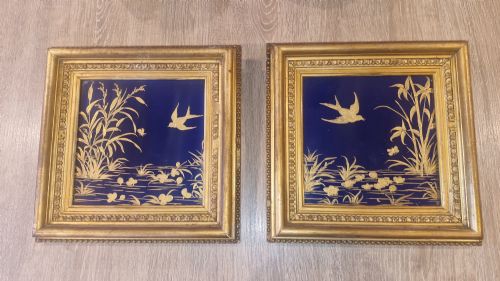
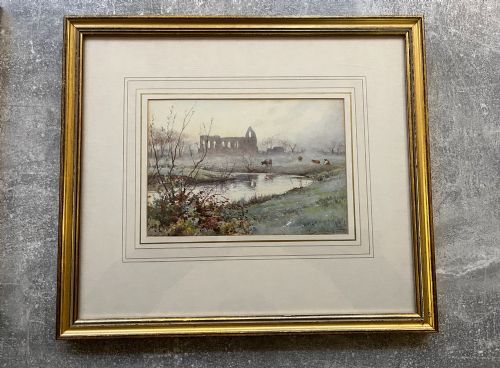
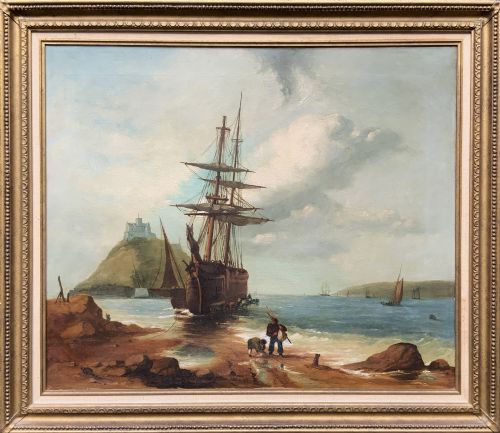
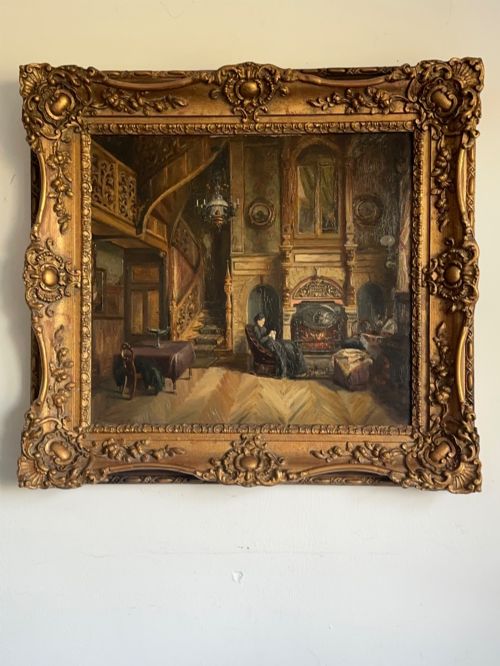
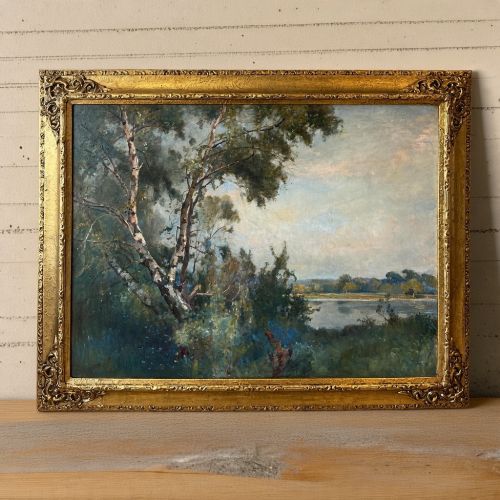
When you search for a victorian picture, you enter a world of oil paintings, watercolours, and needlework panels framed in deep giltwood.
Victorian Picture
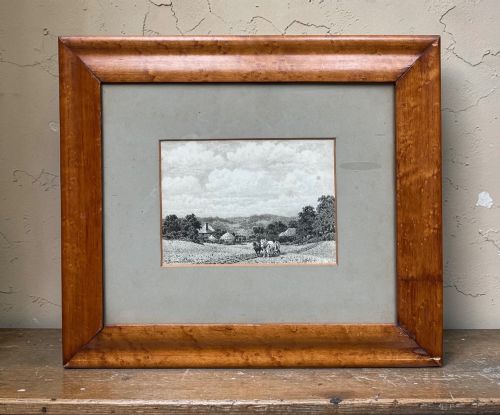
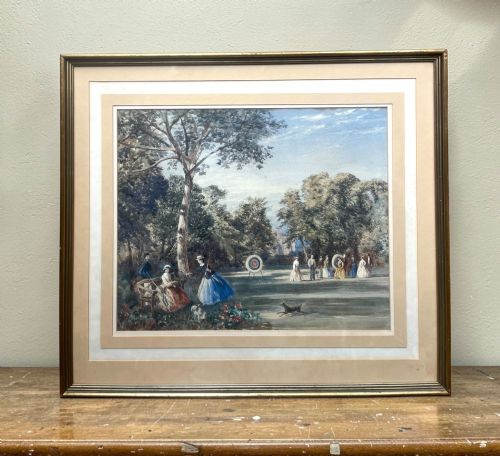
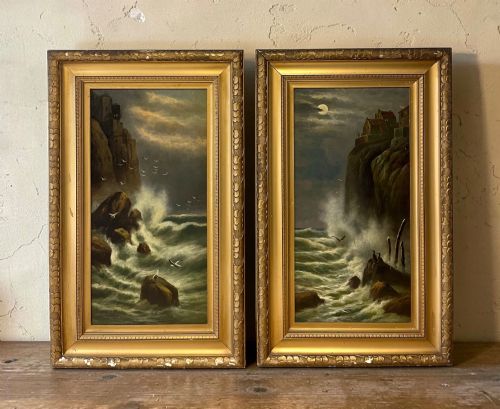
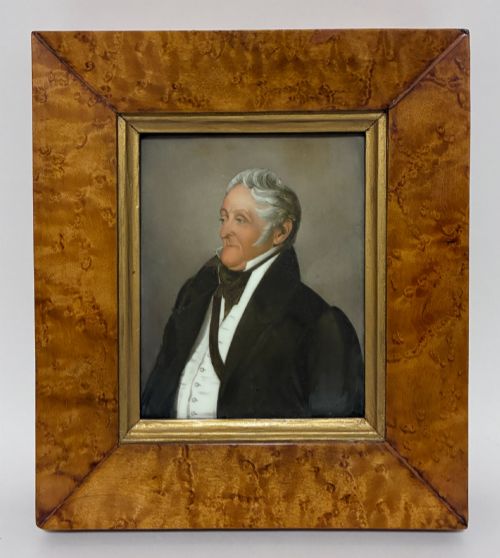
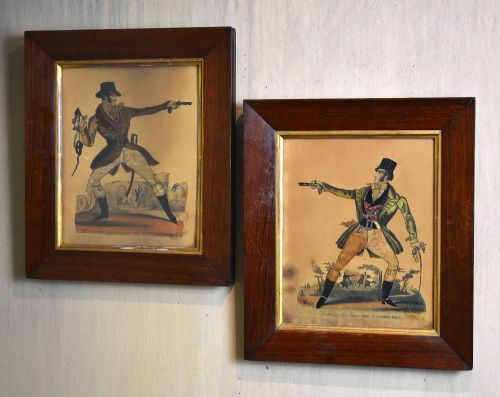
A victorian picture covers a wide range of visual media produced during the nineteenth century and associated eras, including oil paintings, watercolours, and detailed needlework panels. Buyers will find portraits, rural landscapes, maritime scenes, and still lifes depicting flowers, butterflies, and game.
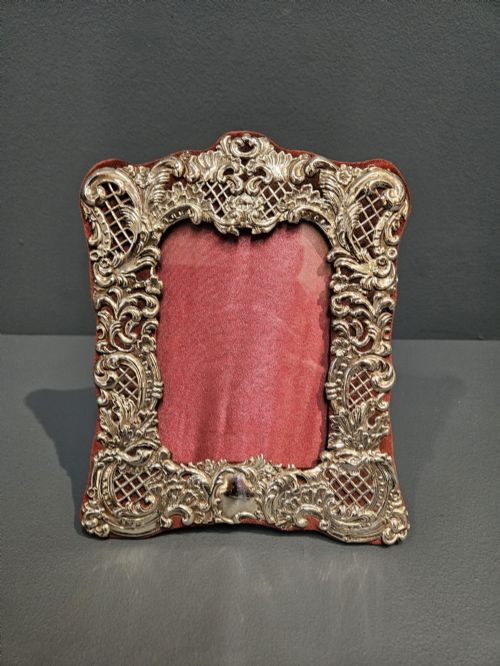
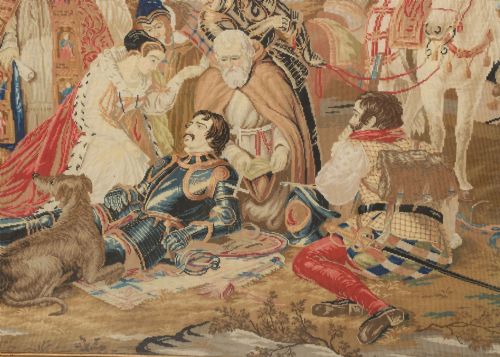
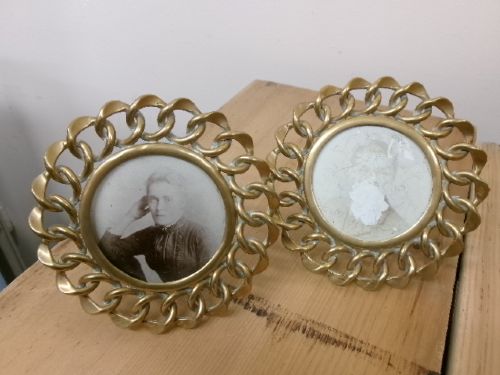
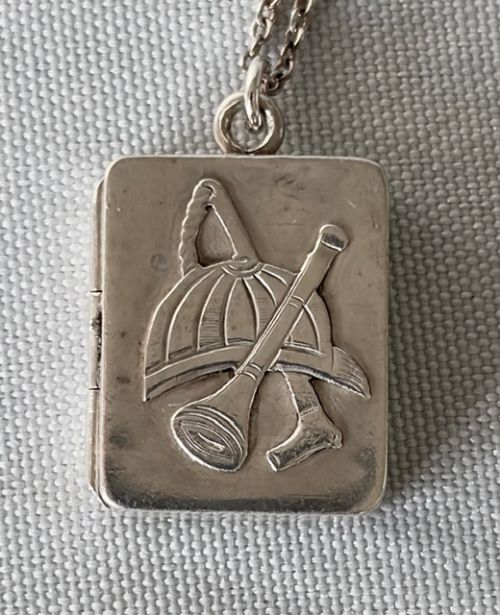
The most common examples on this page are oil paintings on canvas and framed watercolours, often housed in decorative giltwood and gesso frames. Alongside traditional wall art, the selection includes silver photograph frames, beadwork panels, and woolwork tapestries.
Originating predominantly from British and European studios, these works reflect diverse movements from realism and topographical art to gothic and rococo revivals. The objects range from intimate miniature portraits to large exhibition watercolours.
How they were made
Painters applied oil paint to stretched canvas or employed watercolours on paper, frequently using bodycolour to add opaque highlights. Needle artists worked with wool and beads on canvas grounds, creating complex pictorial tapestries and Berlin woolwork.
Frames were constructed from wood such as walnut or ebonised timber, and embellished with moulded gesso covered in gold leaf to produce deep giltwood surrounds. Silhouettes involved cut paper combined with watercolour or ink on card.
Silversmiths manufactured photograph frames from sterling silver, shaping them into double, heart, and hinged designs to house personal portraits.
Victorian Picture Retail Price Guide 2026
Typical asking prices for victorian picture among the pieces listed under this phrase on Sellingantiques today, from the lower quarter to the upper quarter. They describe what is for sale here now, not the wider market.
Listings feature oil paint, watercolour, canvas, paper, and giltwood across periods from the Regency era through the Victorian decades into the Edwardian years.
What varies in quality
Quality in a victorian picture rests upon the skill of the artist's hand, evident in the confident brushwork of an oil painting or the precise detail of a watercolour. Composition, depth of perspective, and the liveliness of the subject matter distinguish masterworks from standard studio output.
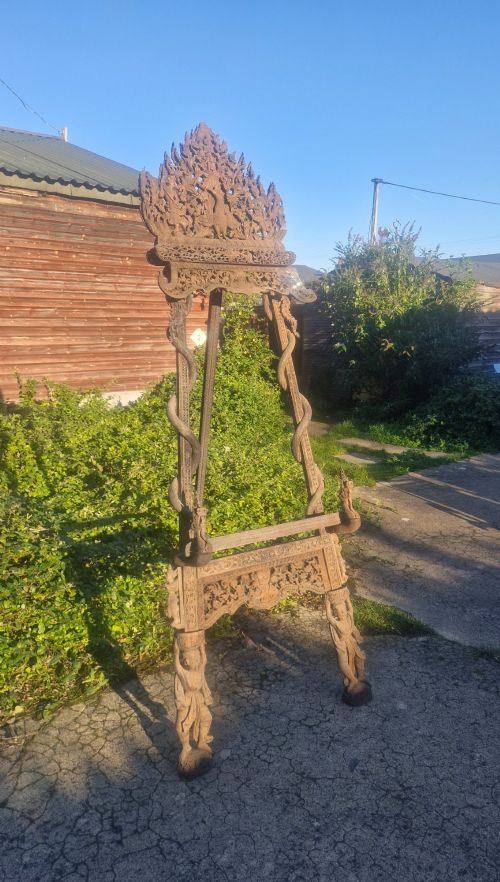
The physical housing plays a significant role in the overall integrity of the piece, particularly the preservation of original canvas grounds, paper supports, and deep giltwood frames. Intricately carved wooden easels and hallmarked silver photograph frames show variance in the crispness of their chasing and structural soundness.
Emily Eyres·Thomas Fenwick·Ernest Rigg·Augustin Edouart·Robert Gallon·Kathleen Winifred Molesworth·William Manners·William Comyns·Harry Bright·Cuthbert Crossley·Thomas Thomas·Alfred Walter Bayes·Edward Charles Williams·William Shayer·George Sydney Shepherd·William James Hubard·George Fotherly Hargitt
The Victorian Picture Glossary
- Giltwood
- Wood carved and coated with gold leaf. It forms the shimmering surface of many traditional nineteenth-century picture frames.
- Gesso
- A plaster mix applied to wood before gilding or painting. It provides a smooth base for intricate frame mouldings.
- Berlin woolwork
- A type of embroidered canvas work using coloured wools. Popular in the mid-nineteenth century, it allowed makers to follow charted grid patterns.
- Bodycolour
- Watercolour mixed with a white pigment to make it opaque. This technique adds solid highlights to detailed watercolours and gouache works.
Victorian Picture: Frequently Asked Questions
What is a victorian picture?
A victorian picture encompasses artwork and decorative framed pieces created during the nineteenth century. This category includes oil paintings, watercolours, silhouettes, tapestries, and photographs.
These items reflect the artistic styles and domestic tastes of the period, ranging from grand landscapes to intimate portraits.
How were watercolours protected?
Watercolours on paper were typically placed behind glass within wooden or gilt frames to shield them from dust and moisture. This framing preserved the delicate pigments from fading.
Many retain their original backing boards and mounts from the nineteenth century.
Where were these paintings displayed?
Nineteenth-century pictures hung in domestic parlours, drawing rooms, and galleries across Britain and Europe. Larger canvases adorned country houses, while miniature portraits and silhouettes sat on mantelpieces or desks.
Easel stands were also utilised to display artwork directly on the floor.
How do I care for antique frames?
Antique giltwood and gesso frames require gentle dusting with a soft, dry brush to protect the delicate gold leaf surfaces. Avoid using liquid cleaners or polishes that can strip the gilding.
Keep the pieces away from direct sunlight and damp environments to maintain the wood and canvas.