

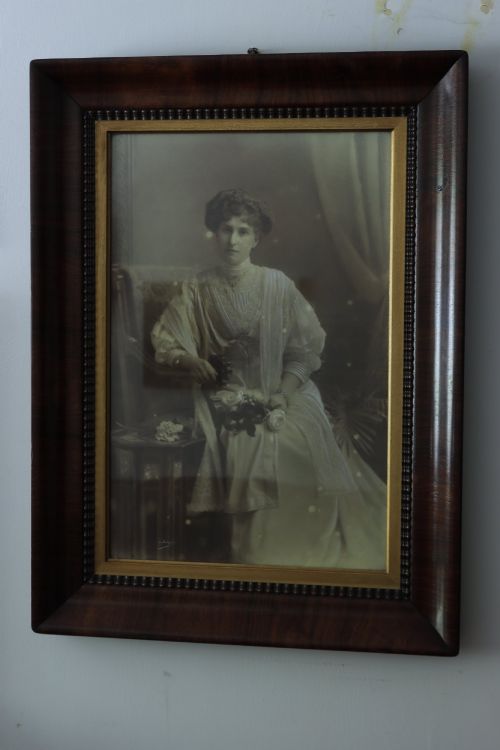


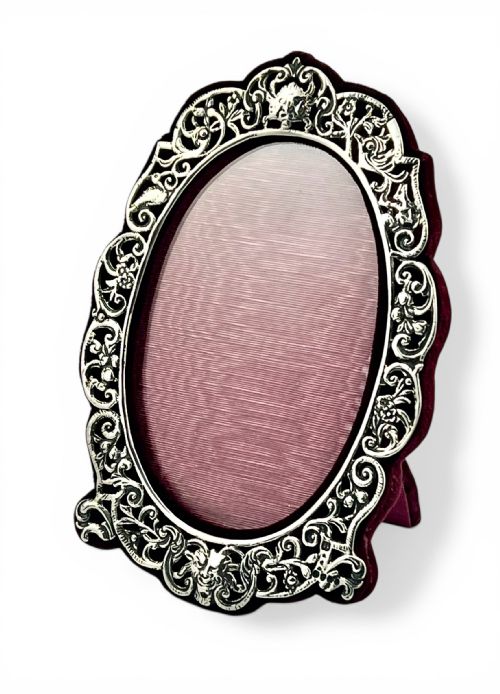


Victorian Photograph Frame
These pieces for a victorian photograph frame offer a tangible connection to the past, combining precious metals and rich textiles to preserve cherished likenesses.
Victorian Photograph Frame
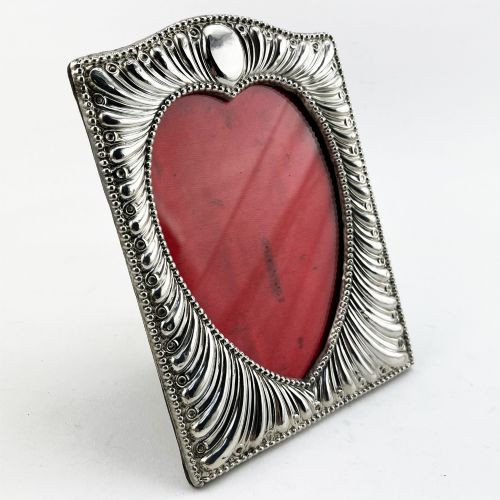
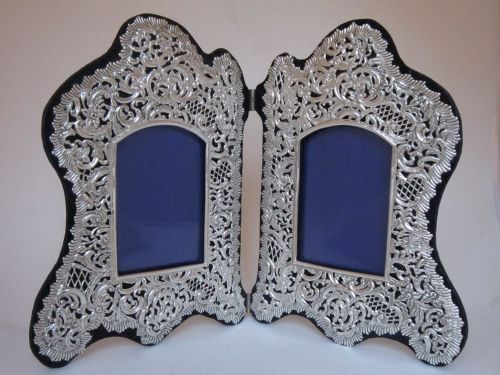
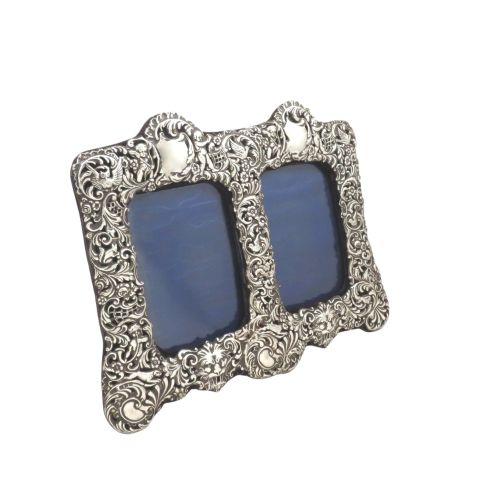
A victorian photograph frame serves as an ornate housing for portraits, ranging from simple tabletop displays to hinged double formats and folding multi-panel pieces. These items appear across various styles, including rococo revival patterns and French chateau influences, often designed to complement period interiors.
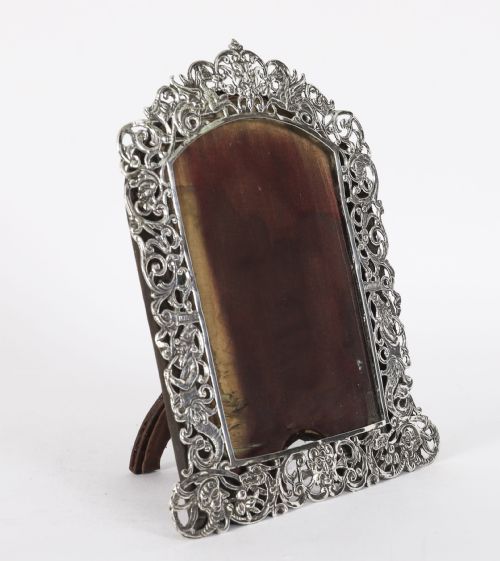
The objects frequently incorporate structural elements like velvet backs, ebonised wood, and carved oak, alongside glazed fronts intended to protect delicate paper prints and carte de visite images. Many incorporate easel supports or hanging rings for versatile domestic placement.
Materials and Construction
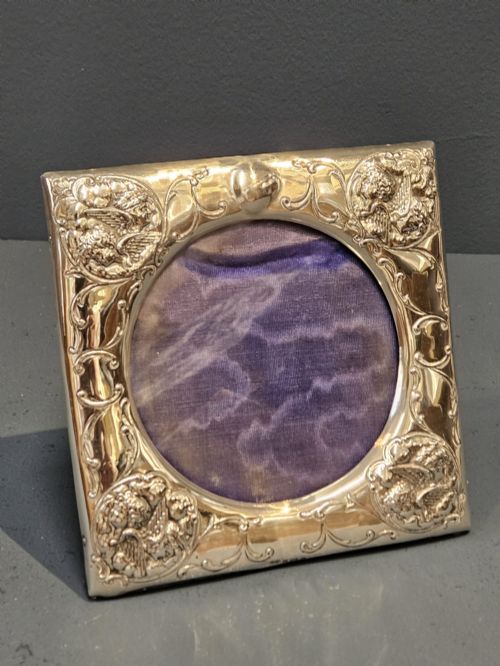
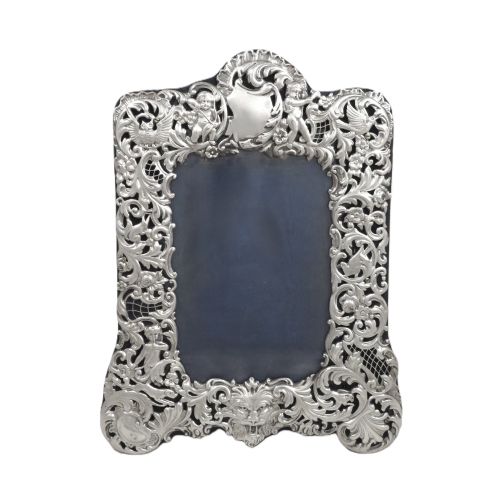
Silversmiths utilised sterling silver to create pierced, embossed, and chased mounts decorated with cherubs, owls, birds, and floral motifs. These metal fronts are typically affixed to wooden backings lined with velvet, paper, or leather.
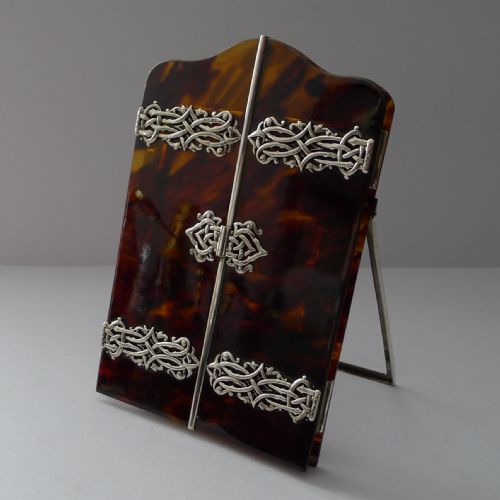
Makers also employed gilt gesso, gilded bronze, champleve enamel, tortoise shell, and polished bronze paired with exotic reptile skins to achieve diverse decorative effects.
Victorian Photograph Frame Retail Price Guide 2026
Typical asking prices for victorian photograph frame among the pieces listed under this phrase on Sellingantiques today, from the lower quarter to the upper quarter. They describe what is for sale here now, not the wider market.
Listings feature sterling silver, velvet, glass, and oak across Victorian and Edwardian periods.
Assessing Craftsmanship
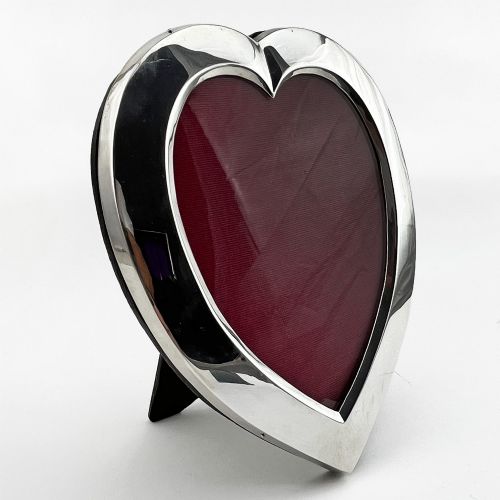
Quality reveals itself in the depth and crispness of the chasing on sterling silver mounts, where superior examples display sharply defined motifs rather than flattened details. The complexity of the frame's silhouette, such as heart shapes or multi-fold configurations, indicates the ambition of the maker.
The integrity of secondary materials also dictates standard, with intact velvet linings, sound glass, and original wooden or metal backings contributing significantly to the piece's structural coherence.
Rosenthal Jacob And Co·William Comyns·Henry Matthews·Walker And Hall·Syner And Beddoes·Hardy Brothers
The Victorian Photograph Frame Glossary
- Sterling silver
- A silver alloy containing 92.5 percent pure silver by mass, widely utilised by period silversmiths for decorative mounts.
- Velvet
- A type of woven tufted fabric with a dense pile, frequently applied to the reverse of frames as a protective backing.
- Champleve
- An enamelling technique where troughs are carved into metal and filled with vitreous paste before firing.
- Gilt wood
- Timber treated with gold leaf or gold paint to simulate solid gold surfaces.
- Carte de visite
- A type of small paper photograph popular in the nineteenth century, often housed in specialised display frames.
Victorian Photograph Frame: Frequently Asked Questions
What is a victorian photograph frame made from?
These items utilise sterling silver, gilt wood, polished bronze, tortoiseshell, and carved oak, often backed with fabric or leather.
Surviving examples combine these materials with glass fronts to protect the original paper photographs inside.
How do I display a victorian photograph frame?
Many pieces feature built-in easel stands designed for placement on desks, tables, or mantelpieces within domestic interiors.
Some larger versions include hanging hardware or folding panels to accommodate multiple portrait orientations.
Are multiple photo frames common?
Makers produced double frames, six-fold table top display boxes, and hinged pairs to showcase several family members together.
These multi-panel configurations allowed households to arrange collections of portraits on shared surfaces.
How do I distinguish Edwardian pieces from Victorian ones?
The transition involves shifts in decorative motifs, moving from heavy Victorian rococo revival designs toward lighter Edwardian aesthetics.
Dates stamped on silver hallmarks provide the most direct evidence for distinguishing between the two periods.