

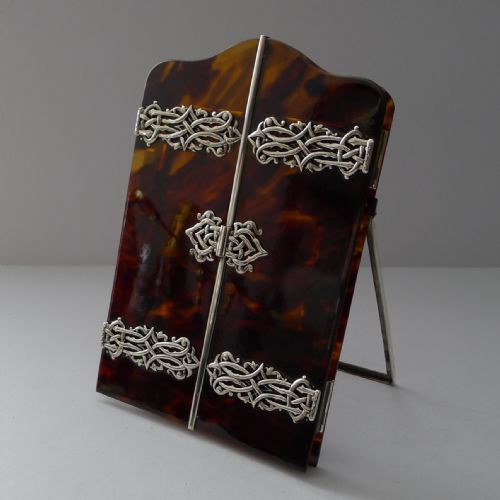


Victorian Photo Holder
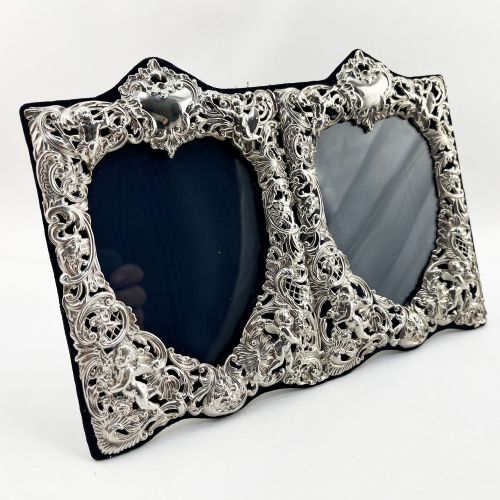
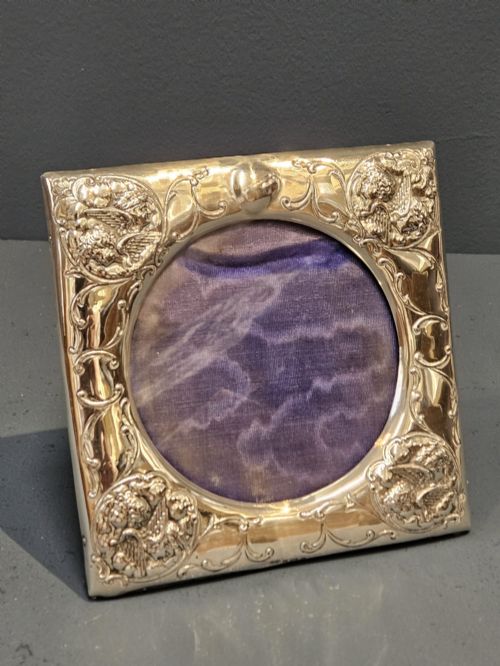
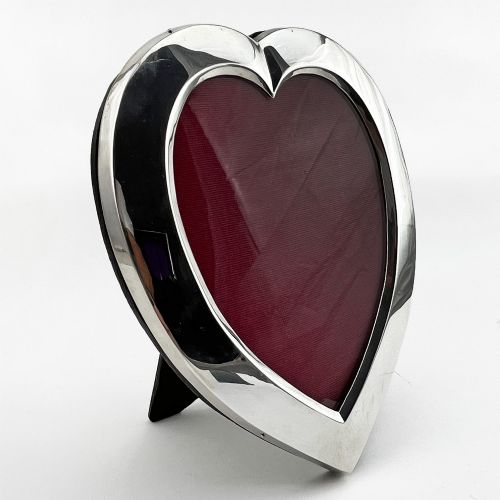
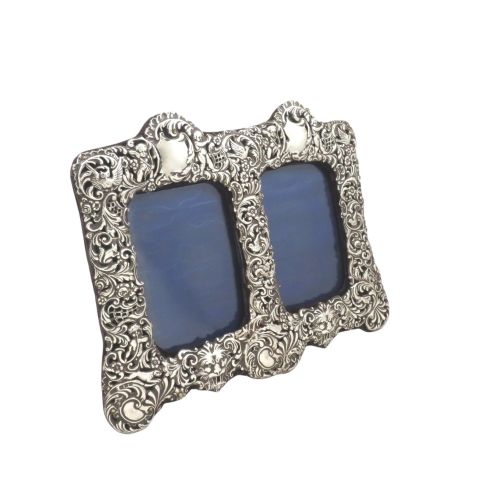
These Victorian photo holder examples range from sterling silver hearts to velvet and brass easel designs, offering a tangible connection to nineteenth-century domestic life.
Victorian Photo Holder
A victorian photo holder encompasses desk frames, table top display boxes, and hanging or folding picture frames designed to display portrait photography in the home. These items emerge primarily from the Victorian and Edwardian periods, stretching from the late nineteenth century into the early twentieth century.
The objects take various physical forms, including heart-shaped frames, double frames, multi-fold configurations, and small pendants or lockets meant to be worn or carried. Makers utilise materials ranging from precious metals to carved wood and fabric backing.
Buyers encountering this category will find pieces reflecting styles such as Victorian Rococo Revival, Louis XVI Revival, and French Belle Epoque. Origin points span English workshops as well as French ateliers.
How they were made
Metal items rely on sterling silver, silver plating, or 9ct and 18K gold, often shaped with ornate engravings, cast mounts, or ormolu and gilded bronze. Workshops combine these precious metals with glass panels to protect the photographic prints housed within.
Organic and structural materials feature prominently, utilising wood like ebonised wood and carved oak alongside velvet, paper, and tortoiseshell. Brass provides a sturdy backbone for easel stands and structural hinges on folding frames.
Victorian Photo Holder Retail Price Guide 2026
Typical asking prices for victorian photo holder among the pieces listed under this phrase on Sellingantiques today, from the lower quarter to the upper quarter. They describe what is for sale here now, not the wider market.
The listings on this page span the Victorian, Edwardian, and 1930s periods, incorporating glass, silver, velvet, and wood.
What varies in quality
The distinction between standard production and exceptional work rests on the crispness of the hand engraving and the weight of the metal used in the mount. Makers who invested time in detailed cast ornamentation or complex double-heart frameworks produced items of higher visual presence.
Material selection dictates the upper tier of the range, where genuine tortoiseshell, inset paste stones, or solid gold take precedence over simpler brass or plated alternatives. The integration of functional elements, such as multi-way hinges and stable easel backs, also separates basic items from superior examples.
William Comyns·Syner and Beddoes·Hardy Brothers
The Victorian Photo Holder Glossary
- Sterling silver
- A silver alloy containing 92.5 percent silver by mass, widely utilised by British silversmiths for hallmarked photo frames.
- Ormolu
- A gold-coloured brass or bronze alloy applied to decorative mounts and frames, frequently seen in French nineteenth-century pieces.
- Carte de visite
- A small type of paper photograph popularised in the nineteenth century, requiring specific display boxes and frames.
- Tortoiseshell
- The shell of certain turtle species used as an overlay material on backing panels and frames.
- Easel back
- A hinged leg attached to the reverse of a frame to allow vertical display on a table or desk surface.
Victorian Photo Holder: Frequently Asked Questions
How do I date a photo frame?
Dating relies on assay office hallmarks stamped into silver components, maker marks, and stylistic indicators such as Revival motifs or Edwardian proportions.
Material choices and construction methods, like the use of easel backs and glass retention techniques, further narrow the decade of production.
Were these frames made for desks?
Many examples feature sturdy easel backs specifically engineered for desktop or table top placement in Victorian studies and drawing rooms.
Other variants, including folding panels and display boxes, were designed to sit flat or close protectively when not actively viewed.
What photo sizes fit antique frames?
Victorian and Edwardian frames accommodate the photographic formats of their era, such as cartes de visite and cabinet cards, rather than modern standard dimensions.
Portrait apertures frequently display oval or heart-shaped crop lines suited to nineteenth-century bust photography.
How should I clean silver frames?
Maintenance requires gentle dusting with a soft cloth and minimal intervention to preserve the original metal surfaces and aged patina.
Harsh chemical dips must be avoided to protect delicate wooden backing boards, paper linings, and original glass.