




Victorian Pencil Study
A victorian pencil study brings the quiet discipline of the nineteenth-century studio straight to your wall, offering direct contact with an artist's hand.
Victorian Pencil Study
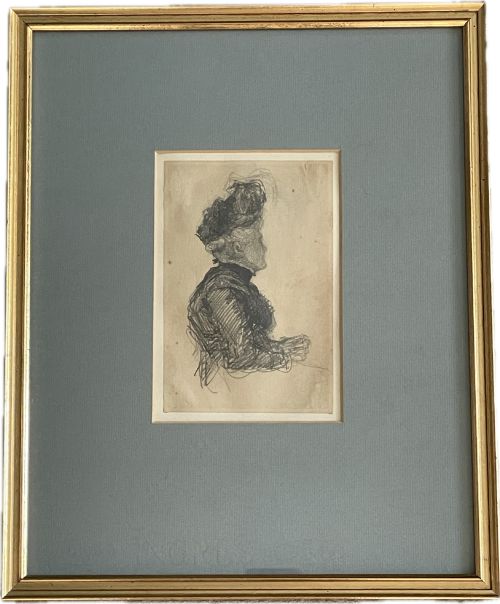
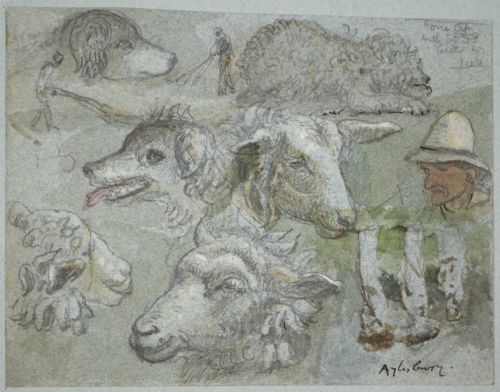
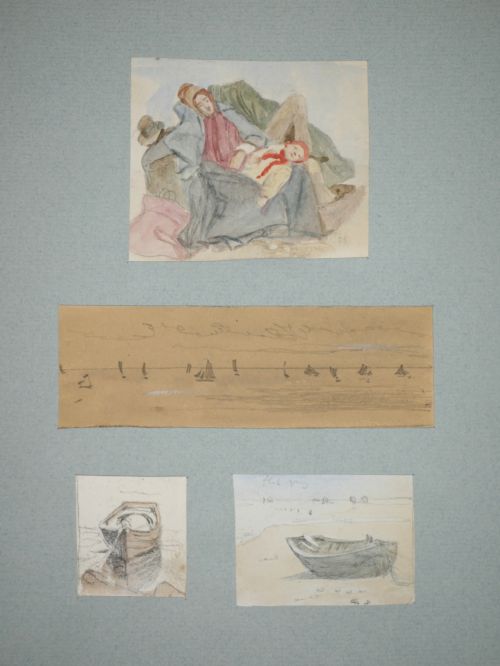
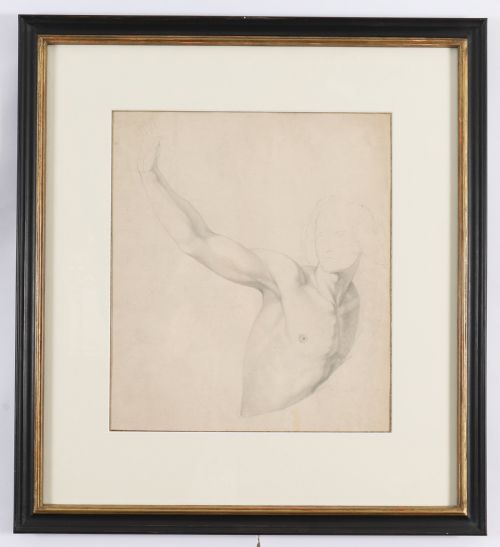
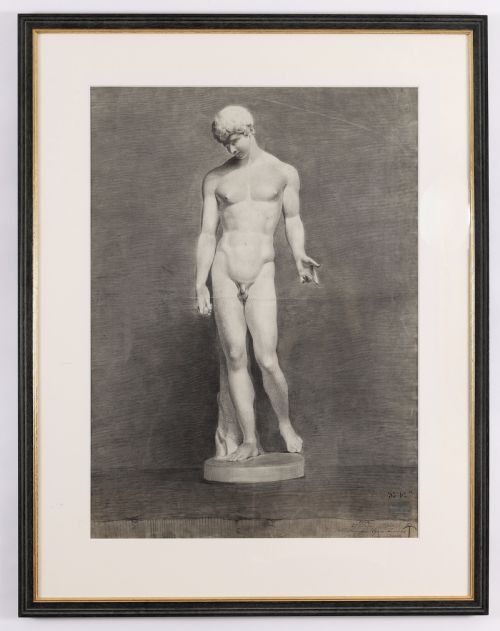
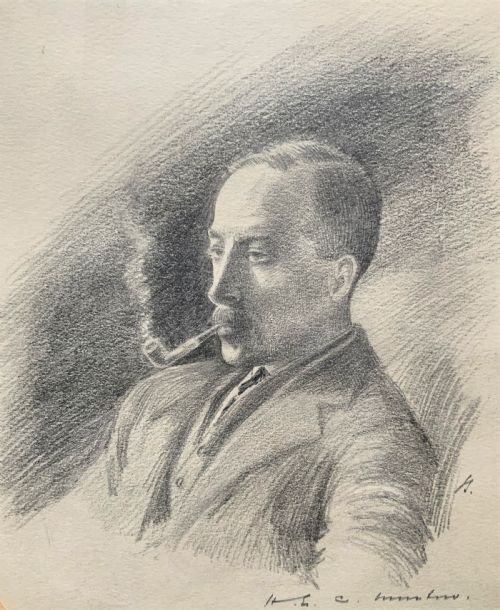
A victorian pencil study captures the rigorous draftsmanship of the nineteenth century, ranging from rapid compositional sketches to highly finished academic renderings on paper. These works document the visual culture of the period through diverse subjects, including figure studies after classical sculpture, architectural views of Cambridge colleges, marine sketches, and intimate portraits of children and gentlemen.
The selections on this page draw predominantly from the mid-to-late nineteenth century, encompassing academic realism, neoclassical subjects, and orientalist portraits. You encounter works executed by named artists such as James Smetham, Theobald Chartran, and Baden Powell, alongside accomplished pieces by anonymous English and continental hands.
Framed securely behind glass, these works on paper function as wall art that carries the immediate touch of graphite, charcoal, and occasional watercolor highlights. They represent the foundational drawing practice that underpinned all Victorian fine art, preserved in wood frames that suit their domestic origins.
How they were made
Draftsmen relied on graphite and charcoal applied to various grades of paper, sometimes building tone through meticulous cross-hatching or monochrome grisaille wash. Artists achieved subtle highlights by lifting pigment with bread or rubber, while others augmented their graphite drawings with subtle touches of watercolor or gold leaf.
The survival of these fragile works depends entirely on framing, with period wood mouldings and protective glass shielding the soft graphite and paper from atmospheric damage.
Victorian Pencil Study Retail Price Guide 2026
Typical asking prices for victorian pencil study among the pieces listed under this phrase on Sellingantiques today, from the lower quarter to the upper quarter. They describe what is for sale here now, not the wider market.
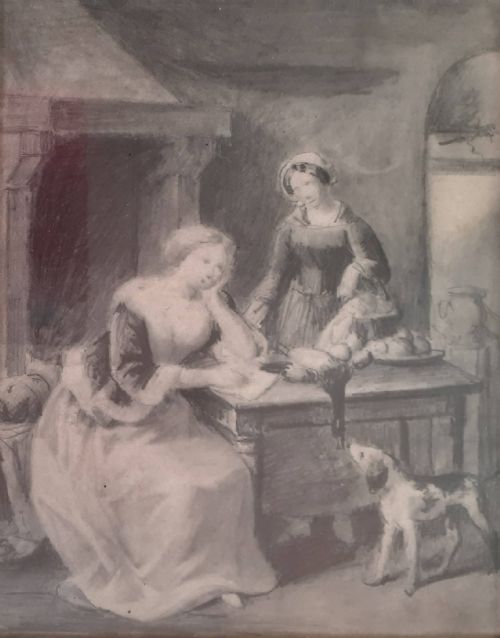
A cheeky dog interrupts the kitchen routine in a mid-nineteenth-century graphite sheet, proving Victorian pets misbehaved just as ours do.
What varies in quality
Quality rests upon anatomical certainty, spatial control, and the expressive economy of the line, distinguishing a master draftsman from a routine academy pupil. The finest examples demonstrate a confident understanding of light and shadow that breathes life into a still life or portrait.
Condition plays a major role, as paper stock can suffer from foxing, light strike, or acidic mounts that degrade the graphite over time. Original framing and clear signatures or dates enhance the historical value of the sheet.
James Smetham·Theobald Chartran·Baden Powell·Alexandre Decamps
The Victorian Pencil Study Glossary
- Graphite
- A form of crystalline carbon used as a drawing medium in pencils, producing tones from silvery grey to deep black. It replaced lead as the primary dry medium for artists in the nineteenth century.
- Grisaille
- A painting or drawing executed entirely in shades of grey or neutral monochrome. This technique was frequently employed for preparatory studies or to simulate sculptural relief.
- Academic Realism
- A style of painting and drawing produced under the influence of European academies of art, emphasising precise anatomical accuracy, historical subjects, and polished technique.
- Foxing
- The brown spots and patches that develop on older paper due to chemical reactions involving iron impurities or mould. It is a common occurrence in nineteenth-century works on paper.
- Orientalism
- The imitation or depiction of aspects of Middle Eastern and North Asian cultures by western artists, prevalent in nineteenth-century academic art.
Victorian Pencil Study: Frequently Asked Questions
How should I hang a paper drawing?
Keep works on paper away from direct sunlight and strong artificial sources to prevent the graphite and paper stock from fading over time.
Maintain stable room humidity to protect the fragile paper and prevent mould or foxing from developing behind the glass.
What is an academic study?
An academic study is a rigorous drawing or painting created by an artist to master human anatomy, perspective, or classical sculpture during their formal training.
These sheets often focus on a single hand, torso, or antique cast rather than aiming for a finished commercial portrait.
Are these works signed by the artists?
Many nineteenth-century drawings remain unsigned because they served as private working notes, preparatory exercises, or informal sketches kept inside an artist's portfolio.
When a signature, monogram, or date does appear, it frequently links the sheet to a documented hand or a specific academic curriculum.
Why are some drawings executed in grisaille?
Artists used grisaille to concentrate entirely on tonal values, light, and shadow without the distraction of colour.
This monochrome approach allowed draftsmen to establish deep contrast and sculptural volume efficiently before undertaking larger oil paintings.