



Victorian Pencil Sketch
A victorian pencil sketch captures domestic faces, grand figures, and brisk scenes through graphite strokes on aged paper.
Victorian Pencil Sketch
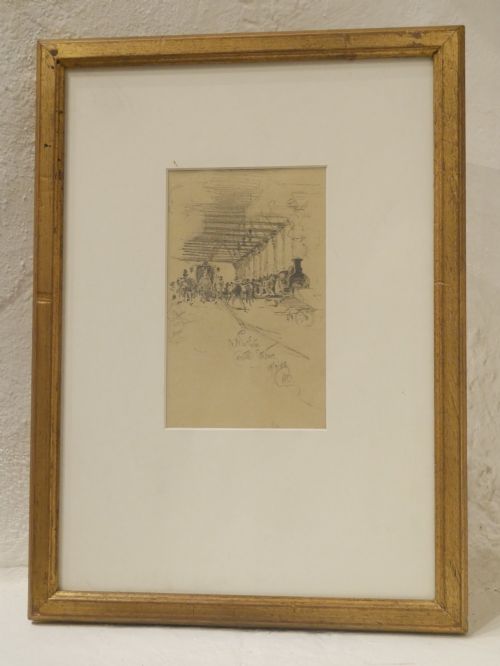
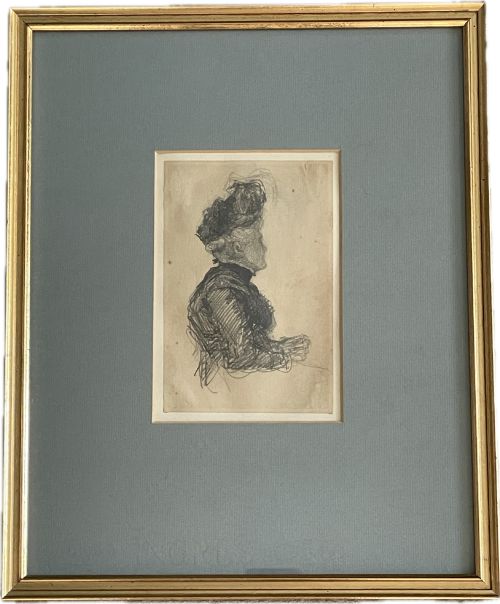
A victorian pencil sketch brings nineteenth-century portraiture, academic studies, and architectural views directly to the wall. The pieces appearing most often on this page combine graphite and pencil on paper, frequently framed behind glass in wood surrounds.
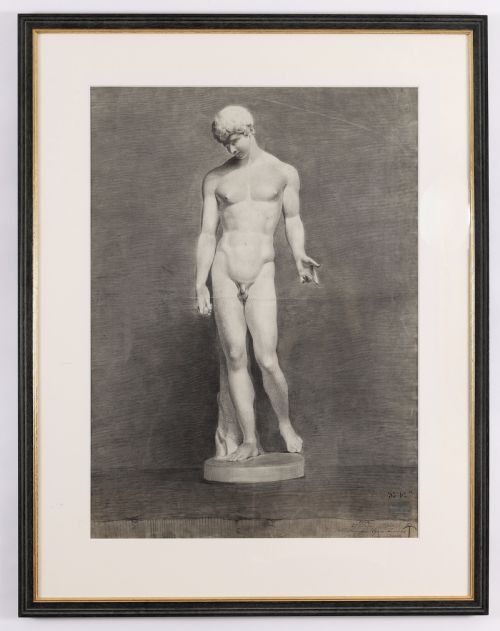
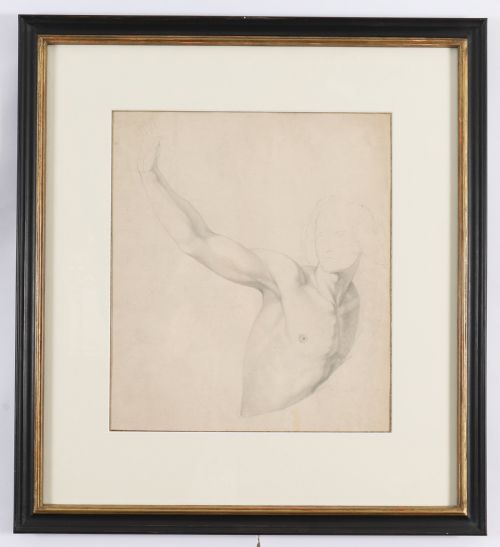
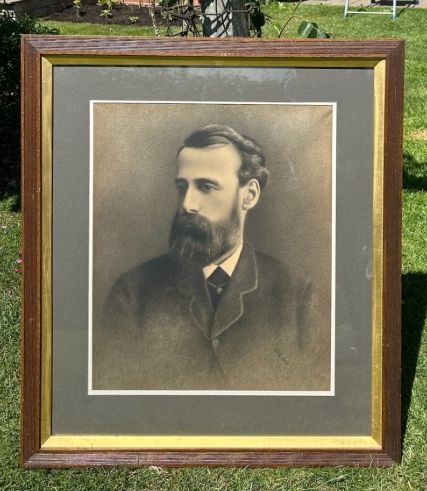
The subjects range from intimate portraits of gentlemen and ladies with their spaniels to neoclassical figure studies and equine scenes. These works reflect the varied output of nineteenth-century draftsmen working across academic realism, orientalism, and genre subjects.
Materials and Technique
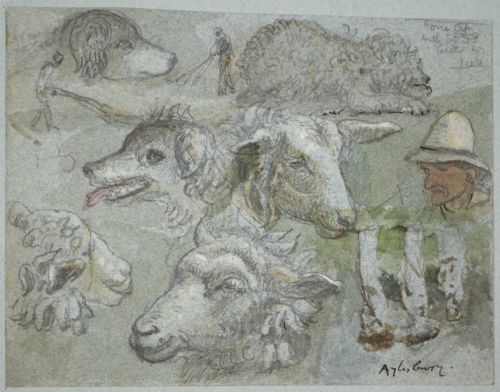
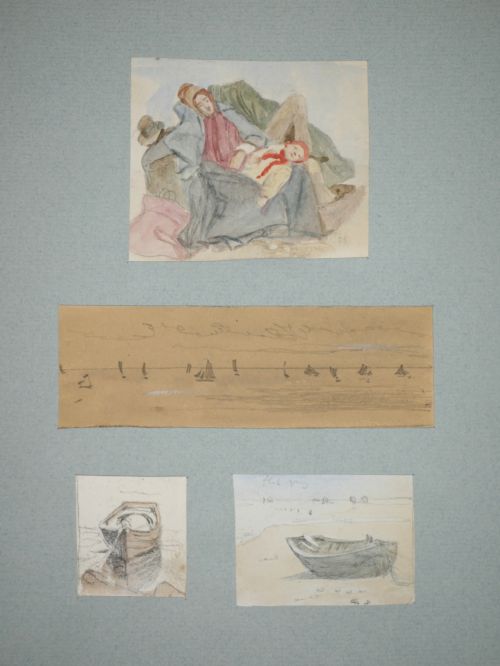
Draftsmen relied primarily on graphite and pencil applied to paper support, occasionally supplemented by charcoal, watercolour, and grisaille. Works often integrated gold leaf or rested within wood frames under glass for protection.
Execution spans rapid preparatory studies to finished framed artworks bearing signatures, monograms, and exact nineteenth-century dates. The application reveals both meticulous academic training and spontaneous sketching in the field.
Victorian Pencil Sketch Retail Price Guide 2026
Typical asking prices for victorian pencil sketch among the pieces listed under this phrase on Sellingantiques today, from the lower quarter to the upper quarter. They describe what is for sale here now, not the wider market.
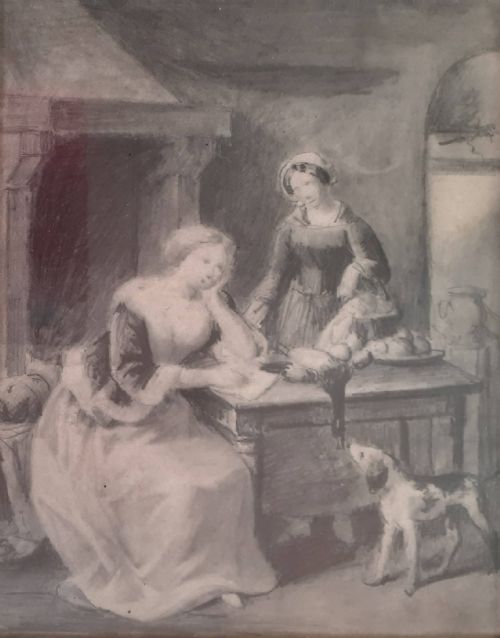
A cheeky dog steals the show in the kitchen.
Distinctions in Quality
Quality rests upon the sureness of the line, the precision of anatomical or architectural rendering, and the preservation of the paper support. Stronger examples display confident handling of shadow and light, particularly in detailed portraiture and academic figure studies.
The presence of contemporary signatures, dated inscriptions, and identifiable sitters or locations elevates a piece. Superior works balance the immediacy of an observation with disciplined draftsmanship.
James Smetham·Theobald Chartラン·Alexandre Decamps·Baden Powell·Sir William Charles Ross
The Victorian Pencil Sketch Glossary
- Grisaille
- A painting executed entirely in shades of grey or neutral greyish-brown, often serving as a monochrome study or finished piece. This technique emphasises form and shadow over colour.
- Graphite
- A form of crystalline carbon used as the core in pencils for drawing and sketching. It produces marks ranging from dense black to silvery grey depending on pressure and grade.
- Academic Realism
- A style of painting and drawing produced under the influence of European academies of art. It prioritises precise anatomical correctness, smooth finish, and traditional historical or classical subjects.
- Neoclassical
- A Western cultural movement drawing inspiration from the classical art and culture of ancient Greece and Rome. In drawings, this appears through balanced composition and heroic subject matter.
Victorian Pencil Sketch: Frequently Asked Questions
How should I frame an antique drawing?
Protect works on paper from direct sunlight and moisture by using conservation-grade framing materials behind glass.
Ensure the paper does not touch the glass directly by utilising a mount or spacer to preserve the graphite surface.
How do I date a nineteenth-century drawing?
Examine the paper watermark, framing style, and any handwritten inscriptions or signatures on the front or reverse.
Many pieces carry explicit nineteenth-century dates or name specific sitters whose lifespan offers a clear chronological anchor.
What is the difference between a sketch and a study?
A sketch is typically a rapid, spontaneous recording of a scene or a passing observation captured in pencil or graphite.
A study represents a more deliberate, detailed examination of a specific figure, pose, or architectural element intended to inform a larger work.
Are these works always signed by the artist?
Many nineteenth-century drawings bear monograms, full signatures, or contemporary attributions written on the mount or paper.
Unsigned works remain common, often attributed through period style, subject matter, or archival provenance.