





Victorian Pastel Art
Victorian pastel art brings intimate nineteenth-century portraiture and landscape studies into focus through delicate chalk on paper.
Victorian Pastel Art
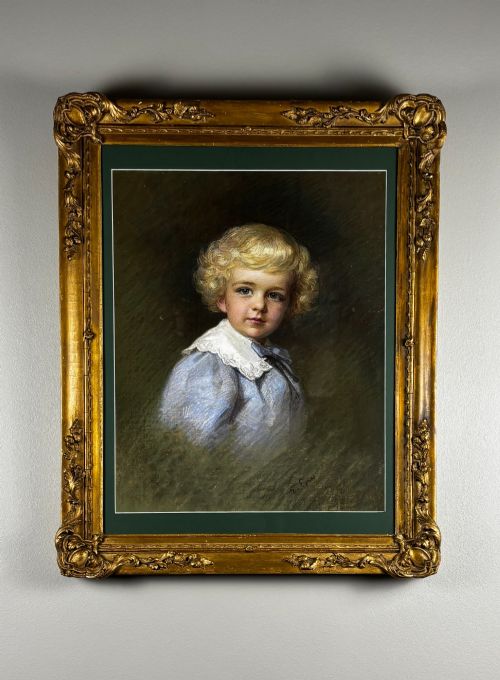
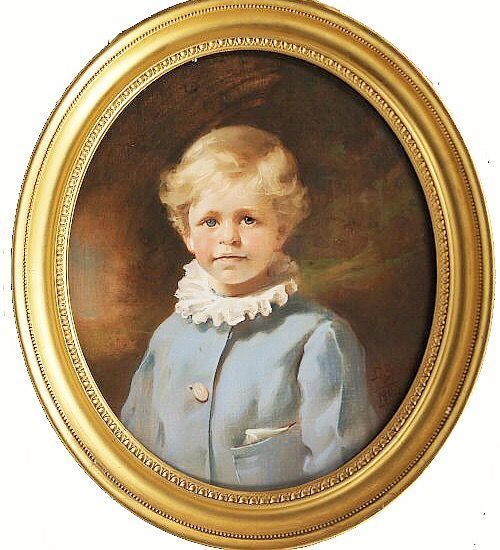
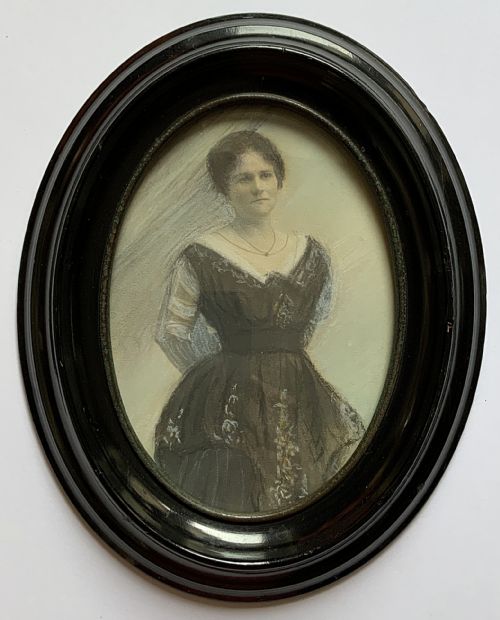
Victorian pastel art encompasses nineteenth-century works on paper and canvas executed in soft chalks, often combining watercolour or gouache. Buyers seeking these pieces generally encounter framed portraits of children, gentlemen, and ladies alongside expansive landscape studies.
The objects on this page span the nineteenth century into the early twentieth century, incorporating Victorian, Edwardian, and Art Nouveau stylistic touches. Wall art and miniature paintings dominate the forms, frequently preserved behind glass within original gilded frames.
Materials and execution
Artists utilise dry pastel and chalk pigments applied directly to paper or prepared canvas surfaces, sometimes blending media with watercolour or gouache. This technique allows for subtle tonal gradations and immediate textural effects.
Framing relies on wood and giltwood enclosures, frequently paired with protective glass to preserve the friable pigment layers from disturbance and atmospheric damage.
Victorian Pastel Art Retail Price Guide 2026
Typical asking prices for victorian pastel art among the pieces listed under this phrase on Sellingantiques today, from the lower quarter to the upper quarter. They describe what is for sale here now, not the wider market.
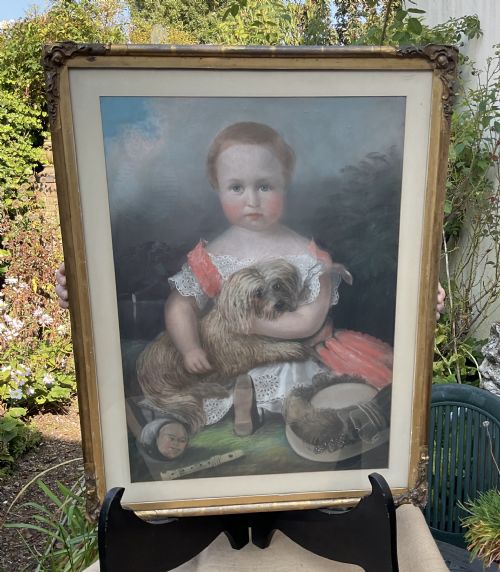
A nursery poodle named in the title preserves a nineteenth-century pet's daily routine in pastel.
Judging quality
The preservation of the pigment layer and the originality of the accompanying frame contribute significantly to the standing of an individual artwork.
Emily Eyres·William Etty·Leon Sprinck·Joseph Knight·J Bizo·Robert Faulkner·Henry Wimbush·John Macallan Swan·Josiah Gilbert·John Parry·Henry Bright·George Richmond
The Victorian Pastel Art Glossary
- Pastel
- A dry painting medium consisting of powdered pigment and a binder rolled into sticks. It creates luminous, matte surfaces that require glass protection.
- Giltwood
- Wood that has been coated with a thin layer of gold leaf or gilt powder. This finish is typical for nineteenth-century picture frames.
- Gouache
- An opaque watercolour medium composed of pigment, water, and a binding agent such as gum. Artists frequently combine it with pastel for added highlights.
- Chalk
- A soft, earthy limestone material used in drawing sticks. It forms the structural foundation for many nineteenth-century works on paper.
Victorian Pastel Art: Frequently Asked Questions
Are these works glazed?
Most pastel drawings and paintings on this page are preserved beneath glass to shield the friable chalk medium from air currents and physical touch.
Original frames often house this protective glazing alongside the paper or canvas support.
What subjects are common?
Portraits of individuals, children, and animals dominate the selection, capturing nineteenth-century likenesses in intimate detail.
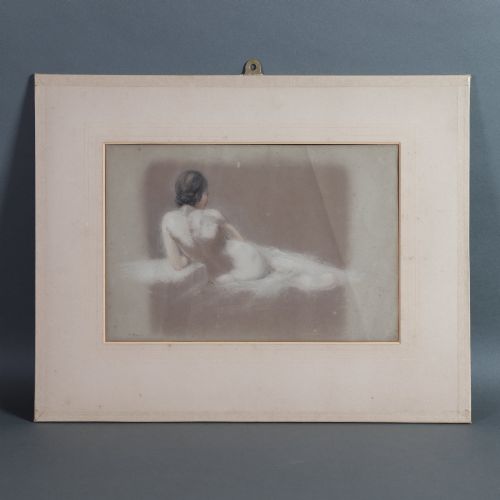
Landscape views and figurative studies also appear among the various works on paper.
How are periods distinguished?
Stylistic cues such as costume details, framing methods, and artist signatures help assign works to the nineteenth or early twentieth century.
Medium combinations like pastel with gouache often reflect specific academic practices of the Victorian era.